
When you start thinking about using the sun to heat your water, the first question that comes to mind is simple: how hot can a solar water heater get? Many people hear about solar water heating but wonder if it can really deliver hot water for showers, cleaning, or even heating a swimming pool. The answer is more interesting than you might expect. Solar water heaters can reach high temperatures, but there are important factors that decide exactly how hot the water will get. Let’s break down everything you need to know—from the science behind solar heating to real-world performance, safety limits, and smart tips for getting the hottest water possible.
How Solar Water Heaters Work
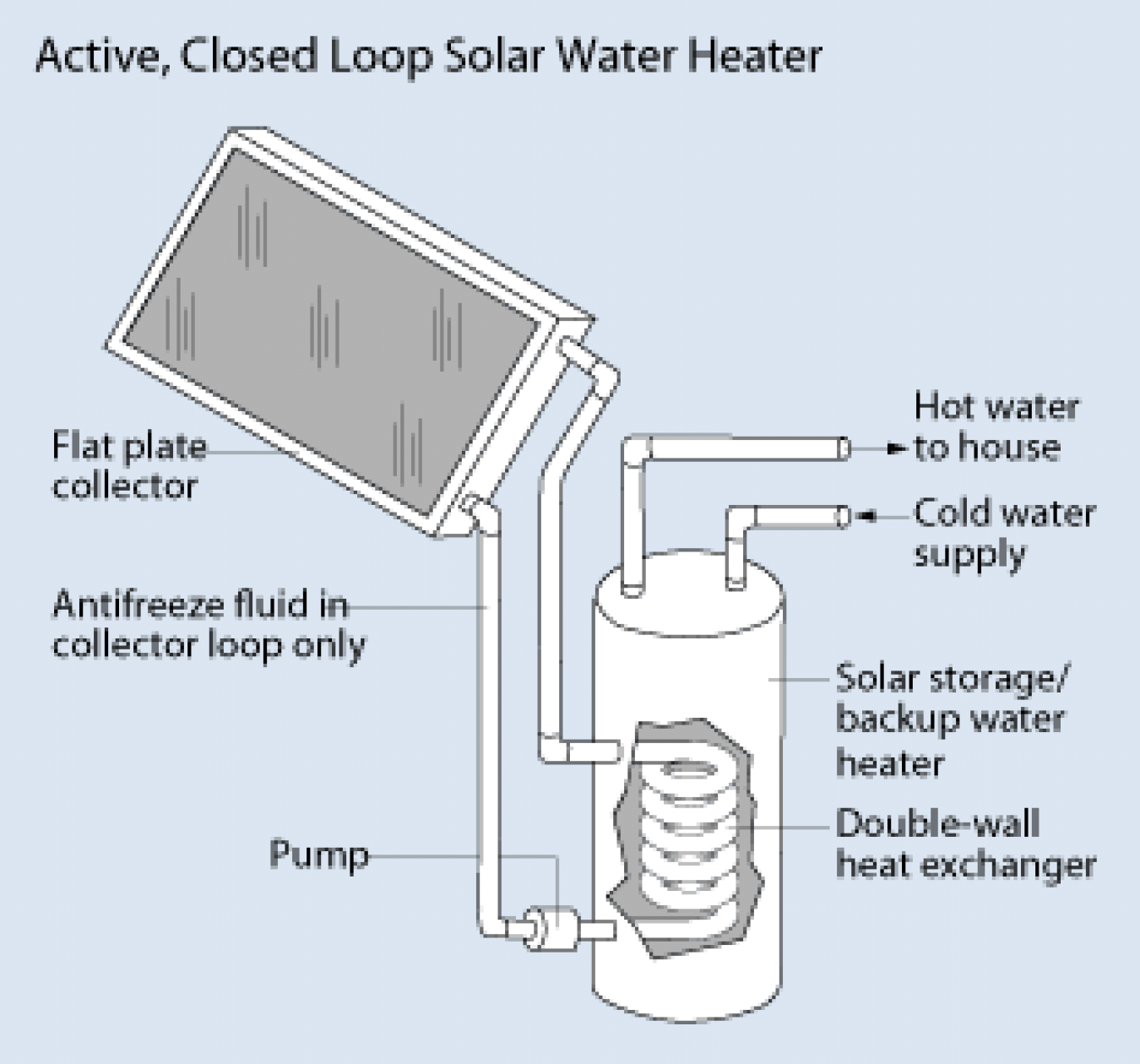
To understand how hot a solar water heater can get, it’s helpful to know how these systems work. Solar water heaters use energy from the sun to heat water directly or indirectly. There are two main types:
- Active systems: These use pumps to move water or heat-transfer fluid through collectors.
- Passive systems: These rely on natural circulation—hot water rises, cold water sinks.
The heart of every system is the solar collector. This is usually a flat panel or a group of tubes on the roof, designed to capture sunlight and convert it into heat. Water flows through the collector, gets heated, and is stored in a tank for later use.
The Role Of The Solar Collector
The collector is where the magic happens. Most common designs are:
- Flat-plate collectors: A simple box with a dark absorber plate under glass.
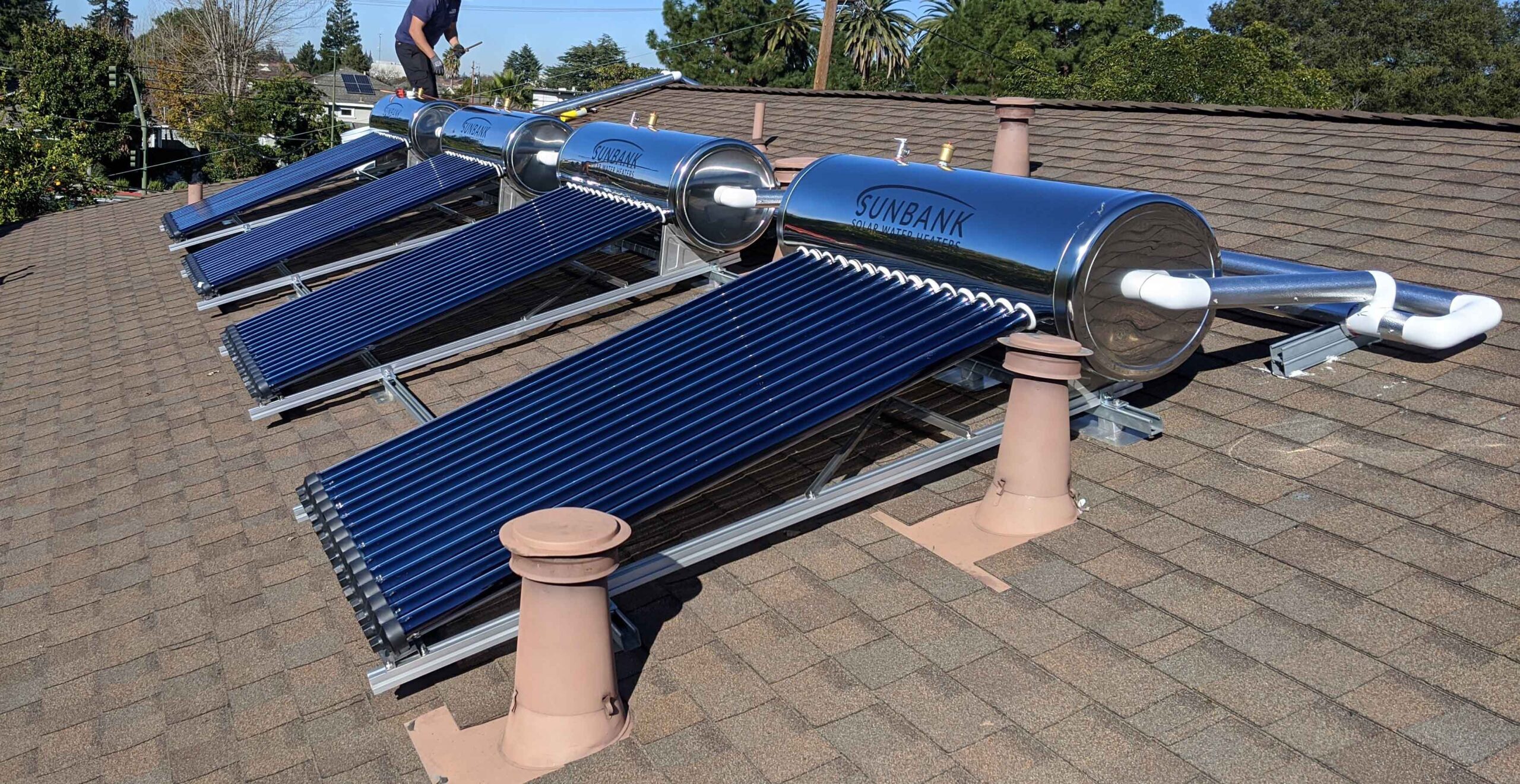
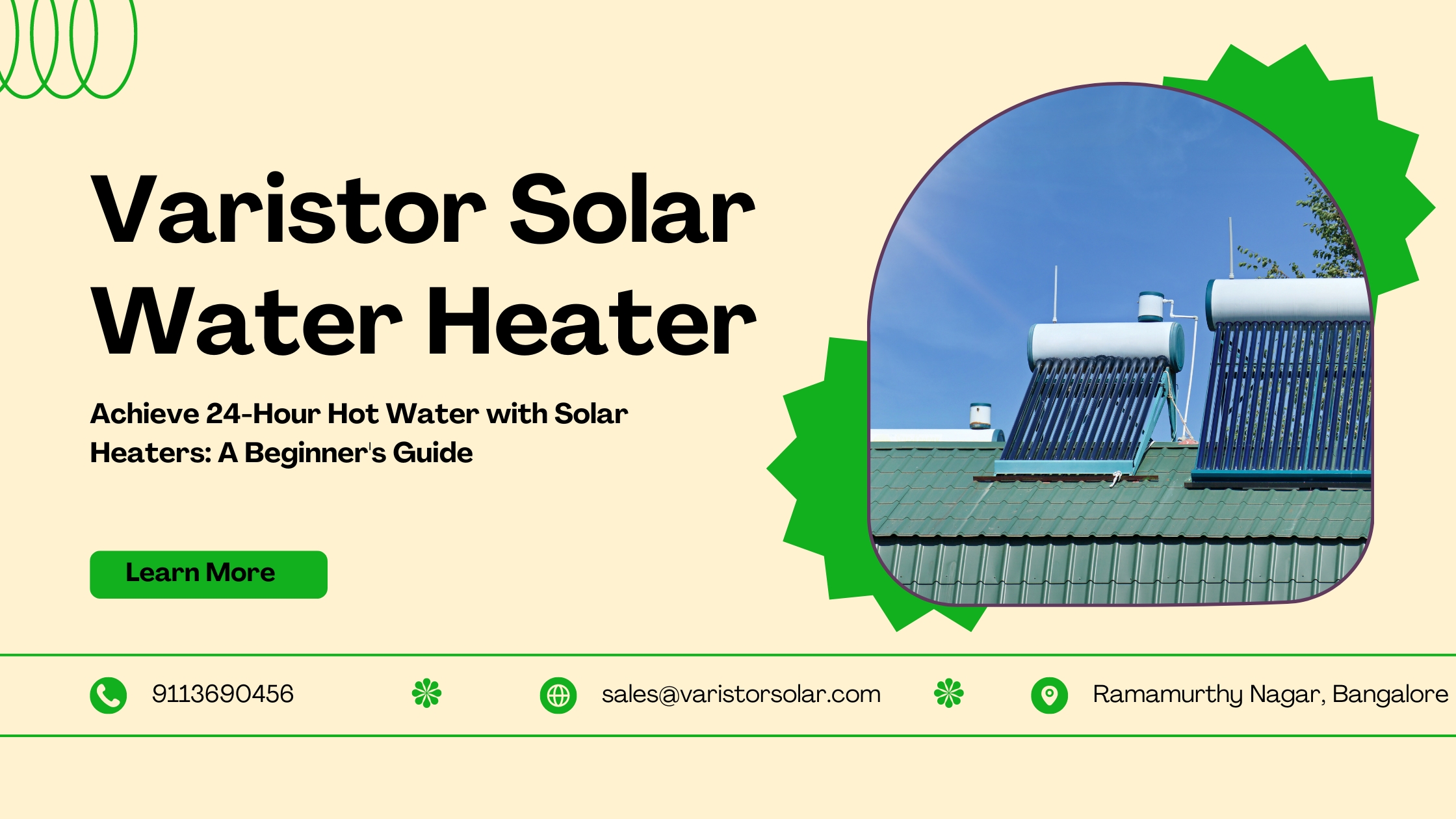
- Evacuated tube collectors: Rows of glass tubes with a vacuum for better insulation.
The design of the collector, its angle to the sun, and its location all affect how much heat can be captured.
Storage And Delivery
After water is heated, it usually goes into an insulated tank. Some systems use the heated water directly, while others use a heat exchanger to transfer heat to household water. This helps in freezing climates or when water quality is a concern.
How Hot Can Solar Water Heaters Get? Key Numbers
The maximum temperature a solar water heater can reach depends on several factors, but here are some typical ranges:
- Flat-plate collector systems: 120°F to 180°F (49°C to 82°C)
- Evacuated tube collector systems: 140°F to 200°F (60°C to 93°C)
- Concentrating solar systems (rare for homes): Up to 300°F (149°C) or more
On a sunny summer day, with optimal collector design and good insulation, it’s common for solar water heaters to produce water hot enough for all domestic uses.
Real-world Example
In most US homes, solar water heaters deliver hot water at around 130°F to 150°F (54°C to 66°C) during peak sunshine. This is more than enough for showers, dishwashing, and laundry.
Why Not Higher?
There are limits for safety and practicality. Water above 140°F (60°C) can cause burns in seconds. Most systems have mixing valves to blend hot and cold water, keeping tap temperatures safe.
Factors That Affect Solar Water Heater Temperature
Several factors work together to decide how hot your solar-heated water will get. Let’s look at the most important ones.
1. Sunlight And Climate
Direct sunlight is the most important factor. The more sun your collectors get, the higher the temperature. Cloudy or rainy days will reduce output, sometimes a lot.
- Desert or tropical regions: Expect higher water temperatures.
- Cloudy, northern climates: Lower peak temperatures, especially in winter.
2. Collector Type And Efficiency
Different collectors have different abilities to capture and hold heat.
- Flat-plate collectors: Good for moderate climates, affordable, but lose more heat in cold or windy conditions.
- Evacuated tube collectors: More efficient in cold weather, can reach higher temperatures even with some clouds.
3. Orientation And Tilt
Collectors should face true south (in the Northern Hemisphere) and be tilted at an angle close to your latitude. Even a small error in angle can reduce heating.
4. System Design
- Storage tank size: A small tank heats up faster but may run out of hot water.
- Pipe length and insulation: Long, uninsulated pipes lose heat.
- Pump speed (for active systems): If water moves too fast, it may not heat enough; too slow, and you lose efficiency.
5. Water Usage Patterns
If you use a lot of hot water during the day, the system may not have enough time to reach its peak temperature. Storing hot water for evening use can help.
6. Ambient Temperature
The outside temperature affects how much heat is lost from the collector and pipes. Cold air, wind, or snow will lower the maximum temperature you can achieve.
7. Maintenance
Dirty collectors, mineral buildup, or faulty pumps all reduce system performance. Regular cleaning and servicing are key.
Solar Water Heater Temperatures: Data And Comparisons
It’s helpful to see how different systems and situations affect water temperatures. Here’s a comparison of typical output temperatures for common collector types:
| Collector Type | Average Max Water Temp (°F) | Average Max Water Temp (°C) | Best For |
|---|---|---|---|
| Flat-plate collector | 140–180 | 60–82 | Standard domestic hot water |
| Evacuated tube collector | 160–200 | 71–93 | Cold climates, higher temps |
| Concentrating collector | 180–300+ | 82–149+ | Industrial, pool heating |
Flat-plate collectors are most common for home use, while evacuated tubes are popular where winters are cold or extra-hot water is needed.
Credit: thesunbank.com
How Hot Is Hot Enough?
Most people want hot water for showers, cleaning, and maybe radiant floor heating. Here’s how solar water heater temperatures match common uses:
- Showers, baths: 105°F–120°F (40°C–49°C) is comfortable
- Dishwashing/laundry: 120°F–140°F (49°C–60°C) helps cut grease and kill germs
- Radiant heating: 120°F–140°F (49°C–60°C) works well
Anything over 140°F is too hot for direct use and must be mixed with cold water to avoid burns. Solar water heaters often reach these temperatures on sunny days, especially with well-designed systems.
Safety Note
Very hot water is dangerous. Most solar water heating systems include a tempering valve—a special device that mixes cold water into the hot, limiting tap temperature to a safe level (usually 120°F or 49°C).
What Happens On Cloudy Or Winter Days?
A common worry is, “Will I get hot water if it’s cloudy or cold outside?” Solar water heaters work best with strong sun, but they don’t stop working on cloudy days. Output is lower, and water might only be lukewarm instead of hot.
Cloudy Day Performance
- Flat-plate collectors: Water might reach 90°F–110°F (32°C–43°C) on a cloudy day.
- Evacuated tubes: Often 110°F–140°F (43°C–60°C), thanks to better insulation.
Winter Performance
In cold climates, water temperature depends on insulation and collector type. Evacuated tubes perform much better in winter than flat-plates. In freezing weather, some systems use antifreeze solutions to prevent damage and keep heating.
Backup Heaters
Most solar water heaters have a backup—an electric or gas heater that boosts water temperature if the solar system can’t keep up. This ensures you always have enough hot water, even in bad weather.
Credit: www.energy.gov
How To Maximize Solar Water Heater Temperature
If you want the hottest water possible from your solar system, focus on these areas:
- Collector Placement: Put collectors where they get full sun all day, with no shade from trees or buildings.
- Correct Tilt and Orientation: Angle collectors to face the sun at your location’s latitude.
- High-Quality Insulation: Insulate pipes, storage tanks, and collectors to keep heat in.
- Regular Maintenance: Clean collectors and check for leaks, mineral buildup, or pump problems.
- Use Efficient Collectors: In cold climates, choose evacuated tube collectors for better performance.
- Right-Sized Storage Tank: Match tank size to your family’s hot water needs for best efficiency.
The Science Behind Solar Water Heating
Solar water heaters use basic science—solar radiation and thermal transfer. Sunlight carries energy, and dark surfaces absorb it, turning it into heat. Water flowing through or under these surfaces picks up the heat.
Heat Loss And System Limits
Not all the sun’s energy turns into hot water. Some is lost to the environment. Insulation, collector design, and outside temperature all affect how much heat is kept.
Heat loss is a big reason why solar water heaters rarely reach the boiling point (212°F or 100°C) in normal use. Boiling water inside a closed system would be dangerous, so systems are built with safety valves and controls to prevent overheating.
Solar Fraction
Solar fraction is a measure of how much of your total hot water needs are met by solar energy. In a well-designed system, solar fraction can be 60–80% or higher in sunny climates. The rest comes from your backup heater.
Comparing Solar Water Heater Temperatures To Other Systems
Is solar hot water as good as electric or gas? Here’s a comparison:
| System Type | Typical Output Temp (°F) | Typical Output Temp (°C) | Notes |
|---|---|---|---|
| Solar water heater | 120–180 | 49–82 | Varies with sun, may need backup |
| Electric heater | 120–140 | 49–60 | Consistent, uses electricity |
| Gas heater | 120–140 | 49–60 | Consistent, uses gas |
| Tankless (on-demand) | 110–140 | 43–60 | Heats as needed, uses power or gas |
Solar water heaters can deliver water as hot or hotter than electric or gas, but temperatures depend on sun and system design.
Advanced Systems: How Hot Can They Get?
Some advanced or custom-built solar systems can reach very high temperatures. These are usually for commercial or industrial uses.
Concentrating Solar Collectors
These use mirrors or lenses to focus sunlight onto a small area, reaching 300°F (149°C) or more. They’re used for large buildings, process heat, or swimming pools.
Solar Boilers And Steam
Large solar installations can even produce steam for power generation. These can reach 500°F–1000°F (260°C–538°C), but this is not practical or safe for homes.
Key Insight: For almost all home uses, you don’t need super-high temperatures. Water at 120°F–140°F (49°C–60°C) is ideal for comfort and safety.
Common Mistakes That Limit Solar Water Heater Temperature
Many homeowners are disappointed with their solar water heaters because of avoidable mistakes. Here are the most common:
- Poor Collector Placement: Shade, wrong angle, or wrong direction can cut temperatures in half.
- Too Small Collectors: Not enough surface area for the amount of water needed.
- Bad Insulation: Heat lost in pipes or tanks before it reaches your tap.
- Ignoring Maintenance: Dirty collectors or hard water buildup lower performance.
- Oversized Storage Tanks: Water cools off before you use it.
A professional installer can help avoid these problems and design a system that heats water efficiently for your needs.
Real-world Performance: What Homeowners Can Expect
In a typical home with a well-designed solar water heater:
- Summer: Water can reach 140°F–180°F (60°C–82°C) easily on sunny days.
- Spring/Fall: Expect 120°F–140°F (49°C–60°C) with good sun.
- Winter: 90°F–120°F (32°C–49°C) is common, higher with evacuated tube collectors.
Most homes use a backup heater to guarantee hot water year-round. Solar supplies most of the energy, with backup only kicking in during bad weather or heavy use.
Credit: www.varistorsolar.com
Solar Water Heater Efficiency And Energy Savings
A well-built solar water heater can supply 50–80% of a home’s hot water needs in sunny climates. This can cut annual water heating bills by 50–80%, depending on local energy costs.
The hottest water—and the highest savings—come from:
- Using hot water when the sun is shining
- Keeping the system clean and well-maintained
- Insulating all pipes and tanks
Safety Features In Solar Water Heaters
Overheating is possible if the system is oversized or not used for several days in full sun. Modern systems include several safety features:
- Temperature and pressure relief valves: Release hot water if pressure gets too high.
- Mixing/tempering valves: Blend hot and cold water for safe tap temperatures.
- Expansion tanks: Absorb changes in water volume as it heats.
- Controllers and sensors: Shut down pumps or open valves if temperatures are too high.
These features prevent dangerous situations and protect your investment.
Two Key Insights Most Beginners Miss
- Solar water heaters can get too hot if not sized or used correctly. People often focus on getting enough hot water, but not on controlling maximum temperature. This is why mixing valves are important.
- Cloudy weather does not mean zero hot water. Even on overcast days, a good system will usually deliver lukewarm water—enough for showers or cleaning—though you may need more backup heating.
Solar Water Heater Myths Debunked
- “They only work in hot climates.” False. Modern systems work in almost any climate, though performance is higher in sunny locations.
- “Solar water can’t get as hot as gas or electric.” Also false. Well-designed solar heaters often reach higher peak temperatures than standard electric or gas systems.
- “They require constant maintenance.” Basic cleaning and checks, similar to any other appliance, are usually enough.
For in-depth technical details, the US Department of Energy offers a comprehensive guide.
Frequently Asked Questions
How Hot Can A Typical Home Solar Water Heater Get?
A well-designed home solar water heater usually delivers water at 120°F to 180°F (49°C to 82°C) during sunny weather. The exact temperature depends on collector type, sunlight, and system design. Most systems are set so water at the tap does not exceed 120°F (49°C) for safety.
Will A Solar Water Heater Work In Winter Or On Cloudy Days?
Yes, but with lower output. In winter or during long cloudy periods, water might only reach 90°F–120°F (32°C–49°C). Evacuated tube collectors perform better in cold climates. Most systems include a backup heater to ensure hot water year-round.
Can A Solar Water Heater Make Water Boil?
No, household solar water heaters are not designed to boil water. Boiling (212°F or 100°C) is above safe operating temperatures for most systems. Safety devices prevent this to avoid dangerous pressure buildup.
What Should I Do If My Solar Water Heater Isn’t Getting Hot Enough?
Check for shade on collectors, dirty surfaces, or insulation problems. Make sure the pump and sensors work (for active systems). Regular maintenance, proper placement, and cleaning usually solve most performance issues.
Is Solar Hot Water Really Worth It Compared To Electric Or Gas?
For many homeowners, yes. A solar water heater can cover 50–80% of hot water needs, saving on energy bills and reducing carbon emissions. Upfront costs are higher, but payback can be quick in sunny regions.
Wrapping Up
A solar water heater can provide very hot water—often as hot as electric or gas systems, and sometimes hotter. The actual temperature depends on sunlight, collector type, system design, and how much hot water you use. With the right setup, you can enjoy plenty of hot water for showers, cleaning, or even pool heating, while saving money and energy. Just remember: safety comes first, and a well-maintained system will deliver the best—and hottest—results for years to come.