
When you turn on the cold water tap in your kitchen or bathroom, you expect refreshing, cool water to flow out. But have you ever wondered: does cold water come from the water heater? This question surprises many homeowners and renters. It may sound simple, but the answer reveals a lot about how your home’s plumbing actually works, why your “cold” water isn’t always cold, and how you can ensure safe, reliable water in your house.
Many people assume the water heater is the center of the home’s water system, supplying both hot and cold water. In reality, the way water moves through your pipes is more complex—and understanding it can help you make better decisions about maintenance, energy use, and even your health.
In this guide, you’ll learn exactly where cold water comes from, how it interacts with your water heater, and what you should know if you’re experiencing water temperature issues. You’ll also discover common plumbing setups, surprising reasons your “cold” water might feel warm, and practical tips to keep your water system working smoothly.
How Water Enters Your Home
To understand whether cold water comes from the water heater, it helps to know how water enters your home in the first place. Most homes in the US are connected to a municipal water supply or have a private well. The water starts its journey outside your house:
- City Water Supply: Water travels through underground pipes from the city’s main supply. It enters your property at a single point, usually near the street.
- Well Systems: If you use a well, a pump brings water from underground into your home.
From the entry point, the water splits into two main paths inside your house:
- The cold water line sends water directly to cold taps, toilets, and some appliances.
- The hot water line takes a portion of the incoming water to the water heater.
This means the cold water in your faucet does not pass through the water heater. It comes straight from the main supply—unless there’s a unique plumbing issue or design.
The Role Of The Water Heater
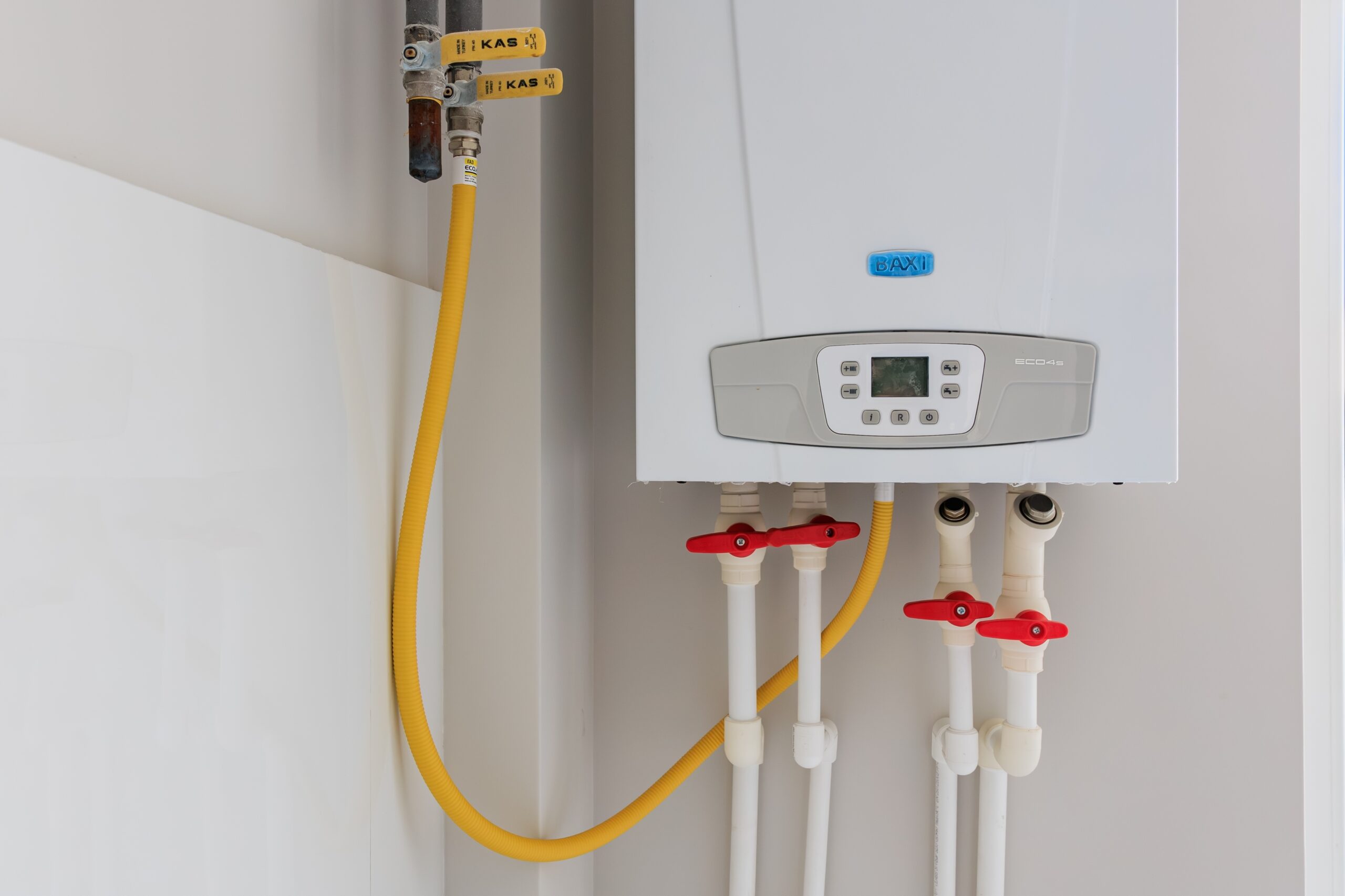
The water heater is a critical part of your home’s plumbing, but its job is specific: it heats water for sinks, showers, dishwashers, and laundry. Here’s a simple breakdown:
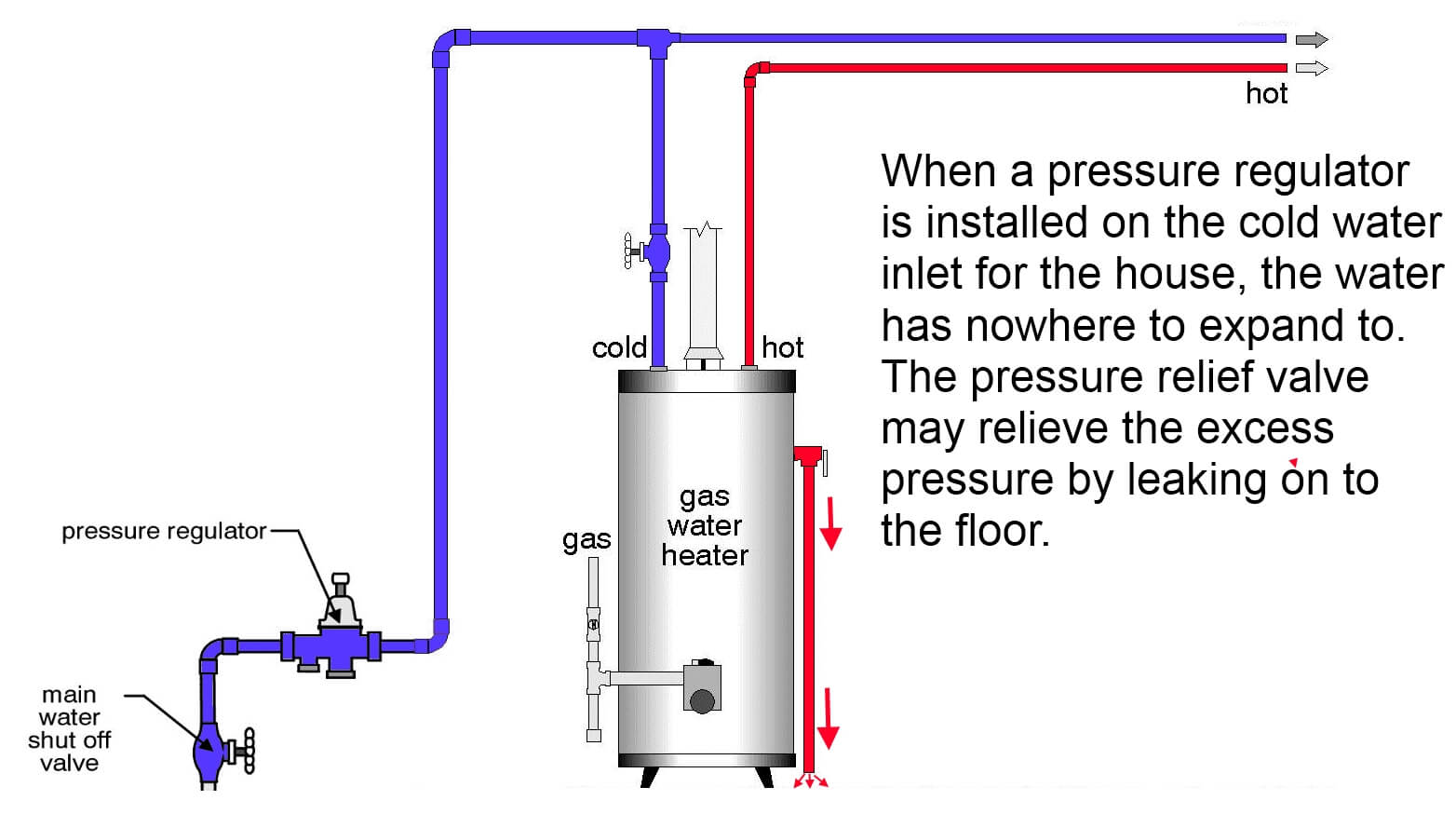
- Cold water enters the water heater through a dedicated inlet.
- The heater raises the temperature to a set level (usually 120–140°F or 49–60°C).
- Hot water exits through a separate pipe, heading to taps labeled “hot.”
So, the water heater only handles the hot water demand. It doesn’t supply or mix into the cold water line under normal conditions. However, there are exceptions and special cases, which we’ll cover soon.
Main Functions Of A Water Heater
- Heating incoming water for use in showers, baths, sinks, and appliances.
- Maintaining a supply of hot water in its tank (for tank-style heaters) or heating on demand (for tankless units).
- Providing pressure: Water heaters do not create pressure, but they must be designed to handle the pressure from the municipal supply.
Common Types Of Water Heaters
- Tank Water Heaters: Store and heat a large volume of water.
- Tankless Water Heaters: Heat water only when needed, with no storage tank.
- Heat Pump Water Heaters: Use electricity to move heat from air or ground into the water.
- Solar Water Heaters: Use solar panels to heat water, often with backup systems.
All types have one thing in common: they only heat water that passes through them. The cold water line remains separate.
Typical Home Plumbing Layouts
Your home’s plumbing layout determines how water travels to each faucet or appliance. Understanding the layout helps you see why cold water usually does not come from the water heater.
Standard Split System
Most homes use a split system. When water enters, it divides immediately:
- One branch feeds the water heater.
- The other continues as the cold water line.
Cold water lines run directly to all cold taps and toilets, while the hot water lines branch off from the water heater to supply hot taps.
Manifold Or Home-run Systems
In newer homes, you might find a manifold system. Here, each faucet has its own dedicated line from a central manifold. Cold and hot lines still remain separate, but this layout improves pressure and water temperature control.
Recirculation Loops
Some large homes have hot water recirculation systems. These keep hot water moving so you don’t have to wait for it at the tap. Importantly, these loops are for hot water only—the cold water line is still independent.
Plumbing Schematic Example
Here’s a simple comparison between standard and manifold layouts:
| Plumbing Layout | Cold Water Path | Hot Water Path |
|---|---|---|
| Standard Split | Direct to cold taps | From heater to hot taps |
| Manifold (Home-Run) | Dedicated line to each tap | Dedicated line from heater to each tap |
| Recirculation Loop | Direct to cold taps | Looped from heater back to hot taps |
Why Does Cold Water Sometimes Feel Warm?
If cold water doesn’t come from the water heater, why does it sometimes feel warm or even hot—especially in summer or after using hot water? Several factors can cause this surprising effect.
Sun And Outdoor Pipes
If your water pipes run through areas exposed to sun or high temperatures (like an attic or uninsulated basement), the cold water absorbs heat before reaching your faucet. This is common in hot climates or during heat waves.
Proximity To Hot Water Pipes
In many homes, cold and hot water pipes run side by side. If there’s poor insulation, heat transfer can occur, making the cold water feel warmer after using hot water.
Plumbing Backflow Or Cross-connection
Rarely, a plumbing cross-connection or faulty mixing valve can allow hot water to leak into the cold line. This may happen due to:
- Faulty single-lever faucets
- Broken mixing valves in showers
- Incorrectly installed recirculation systems
In these cases, your cold water is literally being mixed with hot water—sometimes from the water heater.
Standing Water In Pipes
After hot water has been used, standing water in the cold line inside the house may absorb heat from nearby pipes or air, causing a brief period of warm water when you first open the tap.
Quick Comparison: Why Cold Water Feels Warm
| Cause | Typical Sign | Solution |
|---|---|---|
| Sun-heated pipes | Warm water after long periods with no use | Insulate or shade pipes |
| Heat transfer from hot pipes | Cold water warms after using hot water | Insulate pipes; separate lines if possible |
| Plumbing cross-connection | Cold water always warm, not just briefly | Check valves, fix cross-connection |

Credit: diy.stackexchange.com
How Water Heaters And Cold Water Lines Interact
Though the water heater and cold water pipes are separate, they do interact in a few ways that can sometimes confuse homeowners.
Filling The Water Heater
When you use hot water, the tank empties. Cold water enters the heater to replace what you used. This is the only time cold water “goes to” the water heater, but it does not return to your cold water taps.
Shared Entry Point
Both the cold and hot lines originate from the same supply. If your main supply is very cold (in winter), your cold water will be colder. If the supply is warm (summer or in warm climates), both hot and cold water may start out warmer.
Common Misconceptions
- My cold water is hot—my water heater must be broken. Not always true! It’s more likely to be a plumbing cross-connection or heat from your pipes, not the water heater itself.
- Turning off the water heater will make my cold water colder. Not correct—the cold water line does not depend on the water heater unless you have a mixing problem.
Special Cases: When Cold Water May Come From The Water Heater
In a normal home, cold water should never come from the water heater. However, there are some unusual situations where it might:
Cross-connected Pipes
If a plumber accidentally joins the hot and cold lines together, or a mixing valve is stuck open, hot water can flow into the cold line. This is rare, but it does happen, especially in old homes or after repairs.
Faulty Single-lever Faucets
Some single-handle faucets can allow backflow between hot and cold sides if the internal cartridge is worn out. This may cause hot water to enter the cold line when other taps are in use.
Hot Water Recirculation Mishaps
If a recirculation system is installed incorrectly, hot water can leak into the cold line. This happens if the check valves or thermostatic mixing valves fail.
Mixing Valve Issues
Thermostatic mixing valves are used for safety in showers and commercial settings. If they break, hot water may mix with cold water lines unintentionally.
Unusual Plumbing Designs
In some very old or unique homes, odd plumbing routes can cause hot water to back-feed into the cold line. This is not standard and should be fixed for safety and comfort.
Credit: thorntonheating.com
How To Diagnose Cold Water Problems
If your cold water is not as cold as expected, or you suspect it’s coming from the water heater, there are steps you can take to diagnose the issue.
1. Check Water Temperature At Different Taps
Run cold water at various taps. If only one tap is affected, the problem may be local (such as a faulty faucet). If all taps have warm “cold” water, the issue is likely with your supply or main plumbing.
2. Observe When The Problem Happens
- Warm only after using hot water? Likely heat transfer between pipes or standing water in the line.
- Always warm, even after running for a while? Possible cross-connection or backflow issue.
3. Inspect Pipe Routing
Look for pipes running through warm areas (attics, sunlit basements). Insulating pipes can help keep cold water cooler.
4. Test For Mixing Valve Or Faucet Failure
Turn off the main water supply, then disconnect the affected faucet or valve. Check for visible wear or broken parts.
5. Call A Plumber If Needed
If you suspect a cross-connection, mixing valve failure, or other plumbing issue, call a professional. Cross-connections can cause health risks by allowing contaminated water to enter the supply.
Energy And Water Conservation Considerations
Understanding your water system can help you save energy and reduce waste.
Don’t Run The Tap Unnecessarily
Many people run the tap until the water is cold, especially in summer. This wastes water. Insulating pipes and shading outdoor lines can help keep water cooler.
Set Water Heater To Safe Temperature
The US Department of Energy recommends setting your water heater to 120°F (49°C). This saves energy and prevents burns. Setting it higher does not make cold water colder.
Use Low-flow Fixtures
Low-flow showerheads and faucets reduce the amount of hot and cold water needed, saving both water and energy.
Fix Leaks And Cross-connections
Even small leaks or cross-connections can waste water and energy, and cause safety issues.
Health And Safety Aspects
There are health and safety reasons to keep hot and cold water lines separate.
Legionella And Bacteria Growth
Legionella bacteria grow in warm water. If hot and cold lines mix, you risk bacteria growth in lines that should be cold. Always fix cross-connections immediately.
Burns And Scalds
If hot water enters cold taps, you can be burned unexpectedly. This is especially dangerous for children and the elderly.
Drinking Water Quality
Cold water is usually used for drinking, cooking, and brushing teeth. Hot water can dissolve metals from pipes more quickly, which is why it’s not recommended for drinking or cooking.
Common Myths About Cold Water And Water Heaters
Many people have incorrect ideas about how their water system works. Let’s clear up a few common myths.
Myth 1: The Water Heater Supplies Both Hot And Cold Water
Fact: The water heater only supplies hot water. Cold water comes directly from the main supply.
Myth 2: Turning Up The Water Heater Makes Cold Water Colder
Fact: Adjusting the heater only affects hot water temperature.
Myth 3: Cold Water Is Always Safe To Drink, Even If Pipes Are Warm
Fact: If your cold water feels warm, especially for long periods, it could be a sign of a cross-connection or pipe issue. Investigate and fix the source.
Myth 4: All Taps Are Connected To The Water Heater
Fact: Only hot taps are connected to the water heater. Cold taps are on a separate line.
Myth 5: If Cold Water Is Warm, You Need A Bigger Water Heater
Fact: Sizing your water heater only affects hot water supply, not the temperature of the cold water.
Credit: stogagirlssoccer.com
Real-world Examples And Data
Let’s look at some real cases and statistics to put this all together.
Homeowner Survey: Why Is My Cold Water Warm?
In a survey of 1,000 US homeowners, 23% reported that their “cold” water felt warm in summer. Of these:
- 55% traced the issue to sun-heated outdoor pipes
- 30% had pipes running through warm basements or attics
- 10% had cross-connection or mixing valve problems
- 5% had other causes
Plumbing Inspection Results
A professional plumbing company in Texas inspected 200 homes with complaints about warm cold water:
- 80% had uninsulated pipes exposed to heat
- 15% had faulty mixing valves
- 5% had true cross-connections needing urgent repair
Example: Faulty Single-handle Faucet
A homeowner noticed both hot and cold water taps were warm after using hot water in the kitchen. A plumber found a faulty cartridge in a single-handle faucet, which allowed hot water to flow into the cold line. Replacing the cartridge fixed the issue.
How To Keep Cold Water Truly Cold
If you want your cold water to stay as cool as possible, consider these practical steps:
- Insulate all pipes that pass through warm areas, like basements or attics.
- Shade outdoor pipes or move them underground if possible.
- Fix faulty mixing valves and replace worn-out faucets.
- Check for cross-connections after any plumbing work.
- Let water run for a few seconds if standing water in pipes has warmed up, but avoid wasting water.
- Consider pipe rerouting in extreme climates or old homes.
Cold Water And Appliance Connections
Certain appliances use both hot and cold water, but they are always supplied by separate lines. For example:
- Washing machines: Usually have two inlets—one for hot, one for cold.
- Dishwashers: Often connect only to hot water.
- Refrigerators with water dispensers: Connect only to cold water.
If you notice “warm” cold water at your fridge or washing machine, it’s almost always a pipe routing or cross-connection issue, not a problem with your water heater.
When To Call A Professional
Sometimes, water temperature issues are easy to fix (like insulating a pipe). But if you suspect a cross-connection, backflow, or mixing valve failure, it’s time to call a licensed plumber. These problems can cause health risks and damage if left unfixed.
A good plumber can:
- Test for cross-connections using dye or pressure tests
- Replace faulty valves and cartridges
- Reroute pipes for better thermal isolation
- Insulate or relocate exposed pipes
Comparing Water Heater Types And Their Impact On Cold Water
While the water heater itself doesn’t affect cold water, the type and setup can impact how often issues appear.
| Water Heater Type | Risk of Cold Water Mixing | Typical Issue |
|---|---|---|
| Tank Heater | Low, unless mixing valve fails | Cross-connection, faulty valve |
| Tankless Heater | Very low, unless plumbing is modified | Rare, usually installation error |
| Recirculation System | Higher, if check valves fail | Backflow into cold line |
Cold Water Quality And Safety
Remember that cold water is usually safer for drinking than hot water. Hot water dissolves metals (like lead or copper) more quickly, especially in old pipes. This is why health experts recommend using cold water for:
- Drinking and cooking
- Baby formula
- Brushing teeth
If your cold water is not truly cold, or you suspect contamination, have it tested. This is especially important in older homes or if you’ve had plumbing repairs.
International Differences: Not All Plumbing Is The Same
While this article focuses on typical US home plumbing, not all countries use the same system. In some places, both hot and cold water may be stored in tanks inside the house, and “cold” water may be less safe to drink.
If you move to a new country, always check local plumbing standards.
For more on international water systems, check the Plumbing page on Wikipedia.
Non-obvious Insights Most People Miss
- Mixing valves and single-lever faucets are a hidden cause of hot water entering cold lines. Many people blame the water heater, but the problem is often in the faucet or shower valve.
- Insulation is not just for energy savings—it keeps cold water cold. Most people only insulate hot water pipes, but insulating cold water pipes, especially in attics or sunlit areas, is just as important for comfort and water quality.
Frequently Asked Questions
Why Does My Cold Water Sometimes Come Out Warm?
This usually happens because of sun-heated pipes, heat transfer from nearby hot water pipes, or a plumbing cross-connection. It’s rarely because of the water heater itself.
Can The Water Heater Make My Cold Water Hot?
Not under normal conditions. Only if there’s a plumbing error, faulty mixing valve, or cross-connection will hot water enter the cold line.
Is It Safe To Drink Water From The Hot Tap?
No. Hot water can dissolve metals from pipes more quickly and may contain bacteria. Always use cold water for drinking and cooking.
How Can I Fix Warm Cold Water At The Tap?
Insulate pipes running through warm areas, fix any faulty mixing valves or faucets, and check for cross-connections. If you can’t find the cause, call a professional plumber.
Do All Countries Have The Same Plumbing System?
No. Plumbing standards vary by country. In some places, “cold” water may be stored in a tank indoors and may not be safe for drinking. Always check local guidelines if you move.
If you remember one thing: cold water should not come from the water heater. If your cold tap is warm or hot, look for heat from pipes, faulty valves, or a cross-connection. Understanding your plumbing can save you money, prevent health risks, and keep your water comfortable and safe for your family.