
A water heater is a central part of many homes, making daily life more comfortable and efficient. But what happens when you turn the knob, press the button, and the piezo igniter on your water heater won’t spark? Suddenly, you have no hot water, and frustration builds as you wonder what went wrong. This common problem can be confusing, but with the right knowledge, you can identify the cause and even fix it yourself. Whether you are a homeowner, a landlord, or someone who likes to solve practical problems, understanding why a water heater piezo igniter won’t spark will save time, money, and stress.
This guide takes you through everything you need to know. From how the piezo igniter works to troubleshooting steps and safety tips, you’ll discover both common and overlooked reasons for failure. We’ll also cover when to try a DIY fix and when to call a professional.
By the end, you’ll have clear, confident answers about your water heater’s igniter, plus practical steps to get your hot water flowing again.
How A Water Heater Piezo Igniter Works
Understanding the piezo igniter is the first step in troubleshooting. A piezo igniter is a small device that creates a spark to light the pilot flame in your gas water heater. It doesn’t use batteries or electricity—instead, it uses mechanical energy.
When you press the ignition button, a spring-loaded hammer strikes a crystal (usually quartz or similar). This sudden impact generates a small, high-voltage electric current. The current jumps across a small gap at the igniter tip, creating a visible spark.
This spark lights the gas from the pilot tube, starting the water heater.
The piezo igniter is popular because it’s reliable and simple. But like any part, it can fail. To fix the problem, you need to know where things can go wrong.
Common Reasons A Piezo Igniter Won’t Spark
There are several reasons your water heater’s piezo igniter could stop working. Some are simple, while others need deeper investigation. Here are the most frequent causes:
- Worn-out igniter: Over time, the internal crystal or spring mechanism can wear out, reducing or stopping the spark.
- Moisture or water damage: If water gets inside the ignition assembly, it can short out or corrode the contacts.
- Dirty or blocked spark tip: Dust, debris, or spider webs on the igniter tip prevent the spark from jumping.
- Loose or disconnected wiring: Vibrations or past repairs can cause wires to loosen or detach.
- Faulty pilot assembly: Even if the igniter sparks, a faulty pilot tube or dirty orifice can prevent ignition.
- Cracked ceramic insulator: The ceramic part of the igniter directs the spark; cracks can cause the spark to go off path.
- Misaligned spark gap: The gap between the igniter tip and pilot needs to be precise. If bent, the spark won’t reach the gas.
- Mechanical failure in the button: If the button is stuck or broken, the hammer inside may not strike the crystal.
- Old or low-quality replacement parts: Sometimes, after-market igniters fail sooner than original parts.
- Obstructions in the pilot area: Insects, dust, or soot can block the path between the igniter and gas source.
Non-obvious insight: Many owners forget that a piezo igniter can be affected by humidity. Garages or basements with high moisture can cause small internal corrosion, even if the igniter looks clean from outside.
Initial Checks Before Troubleshooting
Before jumping into repairs, some basic checks will save you time:
- Make sure the gas supply is turned on.
- Confirm the water heater is set to “pilot” or “light.”
- Read the manufacturer’s lighting instructions (often on a label on the heater).
- Listen for the “click” when pressing the igniter button. No click means a mechanical problem; click but no spark means an electrical or alignment issue.
If you recently had a power outage or did any maintenance, double-check all settings and connections.
Step-by-step Troubleshooting Guide
Fixing a piezo igniter may sound technical, but most steps are simple if you take safety seriously. Here’s a practical approach:
1. Turn Off The Gas
Safety first. Set the control knob to “off” and let the area vent for a few minutes. This prevents accidental ignition or gas buildup.
2. Inspect The Igniter Button
Press the igniter and listen. A strong “click” is good. If it feels mushy or sticks, the button mechanism may be worn or broken.
- Solution: Gently wiggle the button. If it’s stuck, try cleaning around it with a dry cloth. If still stuck, the igniter may need replacement.
3. Check The Igniter Tip
Look through the water heater’s viewing window or open the access panel (if safe). Find the spark electrode near the pilot.
- Is it dirty? Use a small wire brush or emery cloth to clean the tip.
- Is it bent? Carefully realign it so the tip points toward the pilot tube.
- Any cracks in the ceramic insulator? If yes, replace the igniter.
4. Test For Spark
Press the button and watch for a visible spark at the tip. If no spark:
- Try in a dark room for better visibility.
- If you hear the click but see no spark, the tip may be dirty, or the gap is wrong.
5. Check The Spark Gap
The spark gap should be 1/8 to 3/16 inch (about 3-5 mm). If it’s too wide or too narrow, adjust gently with needle-nose pliers.
6. Inspect Wiring And Connections
If your water heater uses a remote or wired igniter, check that all wires are tightly connected. Look for:
- Loose terminals
- Corroded connectors
- Broken wires
Reconnect or replace as needed.
7. Examine The Pilot Assembly
Even if the igniter works, a blocked or dirty pilot tube will not light. Use compressed air to clear the pilot orifice. Watch for signs of rust or soot.
8. Watch For Moisture
Dampness inside the heater can cause shorting. If you see condensation or water drops, let the area dry completely before trying again.
9. Try A Manual Light (if Safe)
If allowed by the manufacturer, try lighting the pilot with a long lighter. If the pilot lights, the igniter is faulty. If it does not, the pilot tube or gas supply may be blocked.
Non-obvious insight: Sometimes, after cleaning, small fibers from a cloth can stick to the igniter or pilot. Use compressed air or a clean brush instead of cloth to avoid this hidden problem.

Credit: www.aosmithatlowes.com
When To Replace The Piezo Igniter
Piezo igniters are not expensive, but they do wear out. If you’ve cleaned, adjusted, and checked all connections, but still get no spark, replacement is usually the answer. Here’s how to decide:
- The igniter button feels loose or broken.
- No spark after cleaning and gap adjustment.
- The ceramic insulator is cracked.
- The igniter is over 5 years old or heavily used.
- Water damage is visible.
Most igniters are held by one or two screws and a simple wire. Always buy the exact model for your heater. If in doubt, bring the old igniter to a hardware store.
Preventing Future Igniter Problems
Prevention keeps your water heater reliable. Here’s how:
- Regular cleaning: Every 6–12 months, clean the igniter tip and pilot assembly.
- Keep the area dry: Check for leaks or condensation near the water heater.
- Check for insects: Spiders love pilot orifices. Use compressed air to clear webs.
- Test annually: Press the igniter monthly to make sure it still sparks, even if you don’t need hot water right then.
- Avoid strong cleaners: Chemicals can corrode the igniter; use only a dry brush or compressed air.
Comparing Piezo Igniters And Electronic Igniters
Many modern water heaters now use electronic igniters instead of piezo. Here’s a quick comparison:
| Feature | Piezo Igniter | Electronic Igniter |
|---|---|---|
| Power Source | Mechanical (no batteries) | Batteries or electricity |
| Reliability | Very reliable, fewer parts | Can fail if battery dies |
| Cost | Lower | Higher |
| Common Issues | Wear, dirt, misalignment | Dead batteries, wiring faults |
| Ease of Replacement | Simple | May need technician |
This comparison helps you decide if upgrading is right for your home, but for most people, piezo igniters are still the best balance of cost and simplicity.
Cost Of Repair Vs. Replacement
Is it worth fixing your igniter, or should you buy a new one? Here’s a rough cost comparison:
| Repair Step | Estimated Cost (USD) | DIY Difficulty |
|---|---|---|
| Cleaning igniter tip | $0 (just time) | Easy |
| Adjusting spark gap | $0 (basic tools) | Easy |
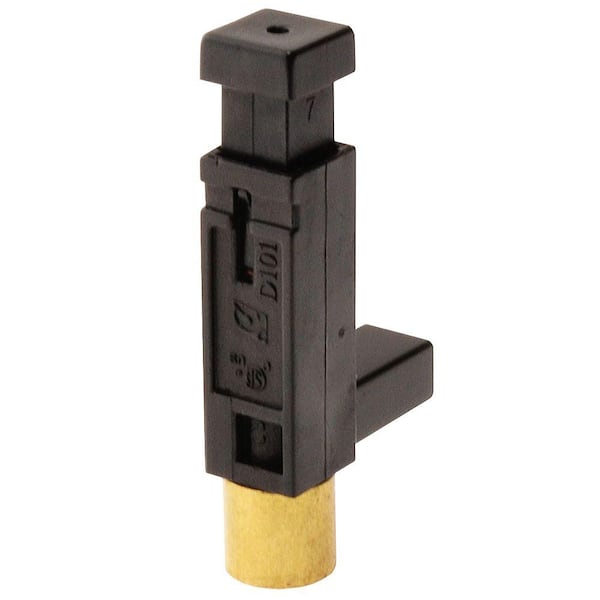
| Replacing igniter | $10–$30 | Moderate |
| Replacing pilot assembly | $20–$50 | Moderate/Hard |
| Professional service call | $80–$200 | N/A |
Tip: Most igniter issues are DIY-friendly. Only call a pro if you smell gas, see water leaks, or feel unsure.
Credit: www.homedepot.com
Common Mistakes And How To Avoid Them
Even experienced homeowners sometimes make small errors when fixing igniters. Here’s what to watch for:
- Forcing the button: If the igniter sticks, don’t hammer it—this can break the mechanism.
- Touching the spark tip with oily hands: Oil residue can cause weak sparks. Always use clean tools.
- Forgetting to turn off gas: Always shut off the gas before opening panels.
- Using water to clean: Moisture is the enemy; only use dry brushes or compressed air.
- Not checking the pilot tube: Sometimes, the problem is with the gas supply, not the igniter.
- Skipping the gap measurement: Eyeballing the gap can lead to weak or no spark. Use a gauge if possible.
When To Call A Professional
Some problems need expert help. Call a licensed technician if:
- You smell gas, even after turning off the supply.
- There is visible water leaking from the tank or pilot area.
- The igniter, pilot, or wiring looks damaged beyond cleaning.
- You have tried all steps, but the pilot still won’t light.
- Your water heater is under warranty (DIY repair could void it).
Professionals have tools and experience to diagnose deeper issues, like faulty gas valves or broken thermocouples.
Real-world Example: Troubleshooting In Practice
Let’s look at a real troubleshooting scenario.
Emily, a homeowner, noticed her water heater would not ignite. She pressed the piezo button and heard a faint click but saw no spark. She followed these steps:
- Turned off the gas.
- Opened the access panel and found the igniter tip covered in dust and spider webs.
- Cleaned the tip with a dry brush and adjusted the spark gap using a small ruler.
- Pressed the igniter again. This time, she saw a strong blue spark.
- Turned the gas back on, pressed the igniter, and the pilot lit instantly.
Emily’s case shows how a simple cleaning and adjustment fixed the issue—no parts needed, and no service call.
Upgrading Your Water Heater Igniter
If your igniter fails often, consider upgrading to a better-quality or electronic model (if compatible). Benefits include:
- More reliable spark
- Longer lifespan
- Easier lighting
Check with your water heater’s manufacturer or a licensed plumber before upgrading. Some models have kits for easy replacement.

Credit: www.plattar.com
Safety Tips For Igniter Maintenance
Working with gas appliances is safe if you follow these rules:
- Vent the area: Always work in a well-ventilated space.
- Wait after turning off gas: Give gas time to disperse before repairs.
- Use proper tools: A wire brush, needle-nose pliers, and a small screwdriver are usually enough.
- Keep a fire extinguisher nearby: Just in case.
- Read the manual: Each heater is different. Follow brand-specific steps.
Environmental Factors That Affect Piezo Igniters
Did you know your water heater’s location matters? Here’s why:
- Humidity: Basements and garages have higher moisture, which can corrode contacts over time.
- Temperature swings: Frequent freezing and thawing can crack ceramic insulators.
- Dust and insects: Unfinished areas invite more dirt and bugs, leading to blockages.
If possible, install your water heater in a dry, clean space. If not, increase your inspection and cleaning schedule.
Troubleshooting Checklist
For quick reference, here’s a summary checklist:
- Turn off gas supply
- Press igniter and listen for click
- Inspect button for sticking or damage
- Clean and align igniter tip
- Check for visible spark
- Adjust spark gap
- Inspect wiring (if any)
- Clean pilot tube
- Check for moisture
- Try manual lighting (if allowed)
- Replace igniter if no improvement
Following this order ensures you don’t miss any critical steps.
Water Heater Maintenance Schedule
Regular maintenance keeps your igniter working longer. Here’s a suggested schedule:
| Task | Frequency | Notes |
|---|---|---|
| Clean igniter tip | Every 6 months | Use dry brush |
| Inspect spark gap | Every 6 months | Adjust if needed |
| Check for insects | Every 3 months | Use compressed air |
| Test igniter spark | Monthly | Prevents surprise failures |
| Inspect for moisture | Every 3 months | Dry thoroughly before use |
Set reminders on your calendar to make maintenance easy.
Where To Find Replacement Parts
Most hardware stores carry common igniters. For best results:
- Bring your old part for comparison.
- Check the model number on your water heater.
- Buy from reputable brands—cheap igniters often fail quickly.
- Ask a staff member for help if unsure.
You can also order from manufacturer websites or trusted online retailers. Avoid generic parts unless they match your heater model.
For more details about gas water heater safety, check the Consumer Product Safety Commission.
Frequently Asked Questions
Why Does My Water Heater Igniter Click But Not Spark?
A clicking sound means the mechanical part is working, but no spark suggests dirt on the tip, wrong spark gap, or a cracked ceramic insulator. Clean and adjust the igniter, and if there’s still no spark, consider replacing it.
Can I Light The Pilot With A Match If The Igniter Fails?
Yes, most older water heaters allow manual lighting with a long match or lighter. Check your model’s instructions first. Never try this if you smell gas or are unsure about the procedure.
How Long Do Piezo Igniters Usually Last?
Most piezo igniters last 5–10 years with regular use and proper maintenance. Humidity, frequent use, or poor-quality replacements can shorten their lifespan.
Is It Safe To Replace A Piezo Igniter Myself?
If you follow safety steps (turn off gas, vent area, use correct tools), most homeowners can replace the igniter. If you feel uncomfortable or smell gas, call a professional.
What’s The Difference Between A Faulty Igniter And A Blocked Pilot Tube?
A faulty igniter won’t spark at all, while a blocked pilot tube means gas can’t flow, so the spark won’t light the flame. If you see a spark but no flame, clean the pilot tube.
A water heater igniter that won’t spark can be a hassle, but it’s rarely a mystery once you know what to look for. With a clear process and a little patience, you can restore hot water to your home, often in less than an hour.
Regular cleaning and inspection prevent most problems, and when in doubt, safe DIY steps or professional help will keep your water heater reliable for years to come.