
Tankless Water Heater Flush Pump Size: Complete Guide For Homeowners
If you own a tankless water heater, you know how important regular maintenance is. One key task is flushing the system to remove scale and mineral buildup. But when it comes to buying or using a flush pump, many homeowners wonder: what pump size do I need? Choosing the wrong size can lead to poor cleaning, wasted money, or even damage to your heater. In this guide, you’ll learn everything about tankless water heater flush pump size—why it matters, how to choose, and what mistakes to avoid. Whether you’re a first-timer or just want better results, this article will make the process clear and simple.
Why Flushing A Tankless Water Heater Is Essential
Tankless water heaters, also called on-demand water heaters, heat water as you need it. Over time, minerals like calcium and magnesium build up inside the heat exchanger. This buildup, known as limescale, can reduce efficiency, increase energy bills, and shorten your heater’s life. Flushing removes these deposits, helping your system run smoothly and last longer.
If you live in an area with hard water, flushing is even more important. Some manufacturers recommend flushing every 6-12 months. Ignoring this maintenance can void warranties and lead to expensive repairs.
What Is A Flush Pump And Why Size Matters
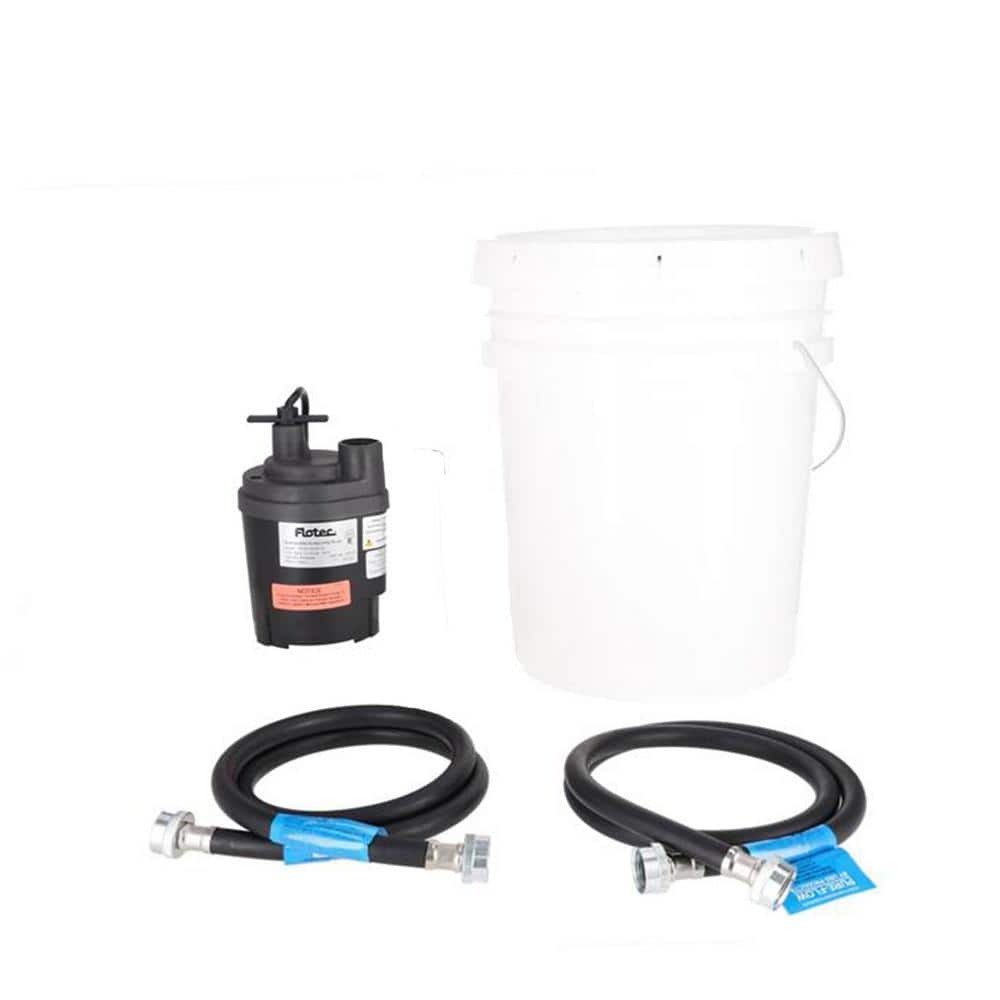
A flush pump is a small, portable pump used to circulate a cleaning solution (usually vinegar or a descaler) through your tankless water heater. The pump pushes the solution through the heater’s pipes, dissolving and carrying away mineral deposits.
The size of the flush pump is critical. If the pump is too weak, it won’t circulate the solution fast enough, leaving limescale behind. If it’s too strong, it could damage internal components. Finding the right balance ensures a complete, safe cleaning every time.
Credit: www.homedepot.com
Key Factors In Selecting The Right Flush Pump Size
Choosing the proper flush pump size isn’t just about picking the biggest or cheapest model. Several factors influence the ideal size for your tankless water heater:
- Flow Rate (GPM or Gallons Per Minute): This tells you how much water the pump can move in one minute.
- Pump Head (Lift Height): This measures how high the pump can move water vertically.
- Compatibility: Not all pumps fit every heater model or connection type.
- Power Source: Most pumps are electric, but voltage and plug type matter.
- Durability: Materials and motor quality affect lifespan and reliability.
Let’s look deeper into each factor.
Flow Rate: The Heart Of Pump Sizing
Most tankless water heater flush kits recommend a pump with a flow rate of 3 to 5 GPM. This range is strong enough to dislodge scale but gentle enough to avoid damage. Pumps below 3 GPM may not clean effectively, while those above 6 GPM risk stressing the system.
Example:
If your heater’s inlet and outlet are 3/4-inch, a 4 GPM pump is usually ideal. For smaller (1/2-inch) connections, a 3 GPM model works fine.
Pump Head (lift Height)
Pump head tells you how high the pump can push water. For flushing a tankless heater, you usually need a pump head of at least 10 feet. This is enough to handle the vertical distance and resistance in the hoses and heater.
A higher pump head (15-20 feet) is useful for larger or commercial heaters, or when the heater is located above the pump.
Compatibility And Fittings
Check the hose size and fitting type on both your heater and the pump. Most residential tankless heaters use 3/4-inch NPT (National Pipe Thread) or garden hose fittings. Always confirm before buying—using the wrong size can cause leaks or poor flow.
Power Source And Electrical Requirements
Most flush pumps are 120V electric and plug into standard outlets. If you’re in a region with 220V power, or using the pump in a commercial setting, check the voltage before purchasing.
Durability And Motor Quality
Look for pumps with a thermally protected motor and corrosion-resistant materials (like stainless steel or heavy-duty plastic). A cheap pump can burn out quickly or corrode after a few uses.
How To Calculate The Best Pump Size For Your Heater
You don’t need advanced math to pick the right pump. Use these three steps:
- Check your heater’s service manual. Many manufacturers list recommended pump specs.
- Measure your hose and fitting sizes. Make sure the pump matches your connections.
- Consider your heater’s size and location. Larger heaters or long hose runs may need a higher flow rate or pump head.
Pro tip: It’s better to choose a pump slightly above the minimum recommended size than to risk one that’s too small.
Typical Flush Pump Sizes And Specs
Here are some common flush pump sizes you’ll find for tankless water heater maintenance:
| Pump Size (GPM) | Pump Head (ft) | Common Uses | Heater Types |
|---|---|---|---|
| 3 GPM | 10-12 ft | Basic home flushing | Single bathroom, small homes |
| 4 GPM | 12-15 ft | Standard home flushing | Medium homes, 2-3 baths |
| 5 GPM | 15-20 ft | Heavy-duty, faster flushing | Large homes, commercial units |
This table shows you that a 3-4 GPM pump works for most residential heaters, while larger models (5 GPM or above) are better for big or commercial systems.
Comparing Popular Flush Pump Models
Understanding real-world options helps you make a confident choice. Here’s a comparison of three top-rated flush pumps:
| Model | Flow Rate (GPM) | Pump Head (ft) | Power | Suitable For |
|---|---|---|---|---|
| Little Giant 554415 | 3.8 | 14.9 | 120V/100W | Residential, up to 2.5 baths |
| My PlumbingStuff B00I0ZGOZM | 3.0 | 10.2 | 120V/50W | Small homes, basic kits |
| Zoeller 42-0007 Floor Sucker | 5.0 | 16.0 | 120V/100W | Large homes, fast flushing |
Notice that all pumps listed are between 3.0 and 5.0 GPM and have a pump head above 10 feet. This ensures effective, reliable flushing for most home tankless water heaters.
Credit: www.homedepot.com
Step-by-step: How To Use A Flush Pump Correctly
Knowing the right pump size is only part of the job. Here’s how to flush your tankless water heater using the pump:
- Turn off power and gas: Safety first. Shut off electric or gas supply to the heater.
- Close water valves: Isolate the heater by closing the hot and cold water valves.
- Connect the hoses: Attach one hose from the pump outlet to the heater’s cold water inlet, and another from the heater’s hot water outlet to a bucket.
- Fill the bucket: Pour 2-3 gallons of white vinegar or a descaling solution into the bucket.
- Start the pump: Plug in the pump and let it circulate the solution for 45-60 minutes.
- Rinse the system: After flushing, run clean water through the heater to remove any remaining solution.
- Reconnect and restart: Remove hoses, open water valves, and restore power/gas.
Mistake to avoid: Never run the pump dry, and don’t use a pump larger than your heater can handle.
How Often Should You Flush Your Tankless Water Heater?
Most manufacturers recommend flushing once a year. However, if you have very hard water (high mineral content), you may need to flush every 6 months. Signs you need a flush include:
- Lower hot water output
- Unusual noises during operation
- Error codes on the heater
Some heaters have a built-in maintenance alert. Check your owner’s manual for details.
What Happens If You Choose The Wrong Pump Size?
Picking the wrong flush pump size can lead to:
- Incomplete cleaning: A weak pump leaves scale behind.
- Damage: Too much pressure from a large pump can harm internal parts.
- Leaks: Incorrect fittings can cause water to spill.
- Short pump life: Undersized pumps may overheat or burn out.
Insight: Many homeowners buy the cheapest pump, but a poorly sized pump often leads to more expensive repairs in the long run.
Professional Vs. Diy Flush Pumps
Should you buy a professional-grade flush pump or a basic model? Here’s a quick comparison:
- Professional pumps: Higher flow rates, durable motors, designed for frequent use. Cost more but last longer.
- DIY pumps: Cheaper, lighter, sometimes lower flow rates. Best for annual or occasional use.
If you maintain several heaters or want faster flushing, a professional pump may be worth the investment.
Real-world Example: Sizing For A Typical U.s. Home
Let’s say you have a 3-bathroom home with a 9 GPM tankless water heater. The heater’s manual recommends a minimum 3. 5 GPM flush pump with a 12-foot head.
- Best choice: A 4 GPM, 15-foot head pump.
- Acceptable: A 3.5 GPM, 12-foot head pump (minimum).
- Avoid: Anything below 3 GPM or 10-foot head, or above 6 GPM unless recommended.
This approach gives you solid cleaning power with no risk of damage.
Buying Tips: What Else To Consider
Beyond size, look for these features:
- Quiet operation: Some pumps are much noisier than others.
- Easy to clean: Removable filters or covers make maintenance simple.
- Warranty: A good flush pump should have at least a 1-year warranty.
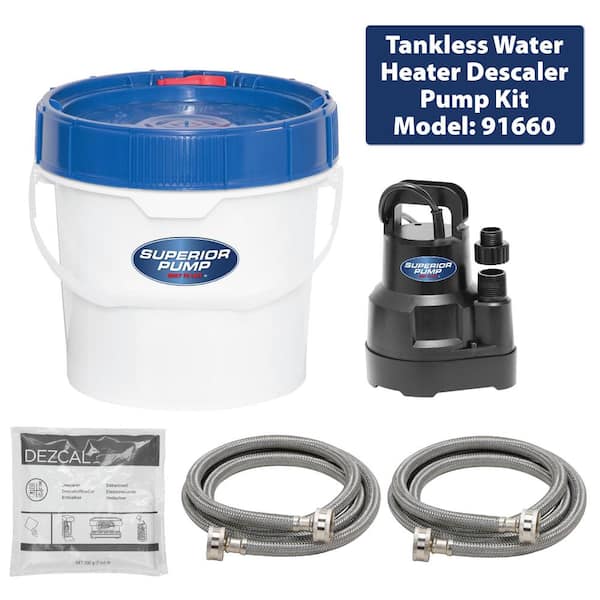
- Included accessories: Some kits come with hoses and descaler, others are pump-only.
Common mistake: Forgetting to check what’s included. You may need to buy hoses or adapters separately.
Cost Of Flush Pumps And Kits
Flush pumps range from $60 to $200 for residential use. Kits with hoses and descaler often cost more but offer convenience.
- Basic pumps: $60–$90
- Mid-range kits: $100–$150
- Pro-grade pumps: $150–$200+
Remember, a quality pump can last for years and is much cheaper than replacing a damaged tankless heater.
Can You Use A Sump Pump Or Utility Pump?
Many homeowners wonder if they can use a sump pump or standard utility pump instead of a dedicated flush pump. The answer: sometimes.
- Sump pumps often have higher flow rates (6+ GPM) and may be too strong.
- Utility pumps in the 3–5 GPM range can work, but check fittings and materials—some are not designed for hot or acidic solutions.
Insight: Always ensure the pump’s materials are compatible with vinegar or descaler to avoid damage.

Credit: www.amazon.com
Environmental Impact: Choosing The Right Flush Solution
While the pump size is crucial, so is your cleaning solution. White vinegar is common, but commercial descalers work faster and are often biodegradable.
- Vinegar: Cheap, safe, but slower.
- Commercial descalers: Fast, effective, but may cost more.
Whichever you choose, always dispose of the used solution according to local regulations.
When To Call A Professional
If you’re unsure about the pump size, connections, or process, hiring a licensed plumber can be wise. Professionals have the right tools and experience, reducing the risk of mistakes or damage.
Plumbers typically charge $150–$300 for a tankless water heater flush, including labor and materials.
Maintenance Tips For Your Flush Pump
To get the most from your investment:
- Rinse the pump after each use: Run clean water through it to remove descaler residue.
- Store in a dry place: Prevent rust and corrosion.
- Check hoses and seals: Inspect for cracks or leaks before each use.
- Test the pump: Plug it in briefly before connecting to your heater to confirm it works.
A well-cared-for pump can last for many years of annual flushes.
Troubleshooting: Common Flush Pump Problems
If your pump won’t start or loses pressure:
- Check the power supply: Make sure the outlet works and the plug is secure.
- Look for air locks: Air trapped in the pump can stop flow—prime the pump by tilting it until water moves.
- Clean the intake: Debris or scale can clog the pump’s intake screen.
If the pump still doesn’t work, consult the manufacturer’s instructions or warranty.
Future Trends: Smart Flushing And Maintenance
Some newer tankless water heaters include smart sensors that track scale buildup and alert you when it’s time to flush. In the future, we may see pumps with Bluetooth monitoring or auto-shutoff features for even easier maintenance.
Resources For Further Learning
For official recommendations, check your heater’s manual or visit energy.gov’s tankless water heater guide. This site offers government-backed advice on maintenance and efficiency.
Frequently Asked Questions
What Is The Ideal Flush Pump Size For Most Tankless Water Heaters?
For most residential heaters, a 3 to 4 GPM pump with a 10-15 foot pump head is ideal. This matches the flow and pressure needed for safe, effective descaling.
Can I Use My Old Sump Pump To Flush A Tankless Water Heater?
You can use a sump pump if its flow rate is between 3 and 5 GPM and it has compatible fittings. However, many sump pumps are too powerful and may damage the heater. Always check the materials for chemical resistance.
How Do I Know If My Flush Pump Is Working Properly?
During flushing, you should see a steady flow of cleaning solution returning to the bucket, with no leaks or unusual noises. If flow drops, check for clogged hoses or pump intake.
Is It Safe To Use Vinegar With All Flush Pumps?
Most pumps can handle white vinegar, but check the manufacturer’s recommendations. Some pumps may require special seals or materials to avoid corrosion from acidic solutions.
How Often Should I Replace My Flush Pump?
With proper care, a quality flush pump can last 5–10 years or more. Replace the pump if it loses power, leaks, or shows signs of electrical problems.
Choosing the right tankless water heater flush pump size is essential for effective maintenance and long-term performance. By understanding flow rate, pump head, and compatibility, you’ll protect your investment and enjoy reliable hot water for years. Flushing your heater isn’t hard with the right tools—just follow the steps, avoid common mistakes, and your system will run like new. If you’re ever unsure, don’t hesitate to contact a professional for help. Regular flushing, using the right pump size, is the secret to a trouble-free tankless water heater.