
Every home relies on a water heater to provide warm water for showers, cleaning, and cooking. But while most people focus on the tank or the temperature settings, few think about the wires that power the heater. A common and important question is: does water heater wire need to be in conduit? If you’ve ever looked at the wires running to your water heater and wondered about their safety—or if you’re planning a new installation—this guide will help you understand what’s required, why it matters, and what could go wrong if you skip this step. Let’s break down the facts, rules, and practical advice, so you can keep your home safe and up to code.
Why Water Heater Wiring Matters
The wiring for a water heater does more than just carry electricity. It keeps your home safe by protecting against electrical faults, fires, and shocks. Water heaters usually use a significant amount of electricity—sometimes as much as a clothes dryer or oven.
If the wiring isn’t properly installed or protected, it can become a serious hazard.
Many people assume that because the wires are tucked behind the heater or in a basement, they’re safe as is. But this isn’t always true. The environment around a water heater can be humid, dusty, or even wet. These conditions can damage wires over time. That’s where conduit comes in.
What Is Electrical Conduit?
Before deciding if water heater wire needs conduit, it’s important to understand what conduit is. Electrical conduit is a tube—made of metal, plastic, or other materials—that houses and protects electrical wires. It shields the wires from physical damage, moisture, and other hazards.
There are several types of conduit:
- EMT (Electrical Metallic Tubing): Lightweight steel conduit, often called “thin-wall.”
- PVC Conduit: Plastic pipe, usually used in damp or underground locations.
- Flexible Metal Conduit (FMC): Flexible steel tubing, good for areas that need bends.
- Rigid Metal Conduit (RMC): Heavy-duty steel pipe, offers the highest protection.
The type you need depends on your local code, the location of your heater, and how exposed the wiring is.
The Role Of Electrical Codes
The answer to whether water heater wire must be in conduit is not just about safety—it’s also about following rules. In the United States, the National Electrical Code (NEC) sets the standard for all electrical installations. While local building codes may add extra requirements, the NEC is the baseline.
According to the NEC:
- Wires must be protected from physical damage.
- Wiring methods must be suitable for the environment (dry, damp, wet).
- Exposed wires in certain areas must be in conduit.
If your installation doesn’t meet code, you could fail an inspection, void your insurance, or face a fine.
Water Heater Wiring Basics
Most water heaters—especially electric models—require a dedicated circuit. This means:
- 240 volts power for standard tank-style electric water heaters.
- 10 or 12-gauge wire (usually NM cable, also known as “Romex”).
- A 30-amp double-pole breaker is common.
However, the way the wire is run to the water heater matters just as much as the wire size or breaker.
Typical Wiring Scenarios
- Surface-Mounted Wiring: Wires run along walls, exposed to view and touch.
- Concealed Wiring: Wires are hidden inside walls or ceilings.
- Wiring in Garages or Basements: These areas are more likely to be damp or exposed to damage.
The more exposed or at-risk the wire is, the more likely it needs to be in conduit.
When Does Water Heater Wire Need Conduit?
Let’s answer the main question directly: Not all water heater wires require conduit, but many do. The need depends on several factors:
1. Is The Wire Exposed?
If the wire is exposed—meaning it runs along the wall, ceiling, or floor where it can be bumped, snagged, or damaged—it almost always needs to be in conduit. Exposed wires are vulnerable to physical damage, which can lead to shocks or fires.
2. What Type Of Wire Is Used?
- NM (Non-Metallic) Cable (Romex): Common in homes, but only approved for use in dry, protected areas inside walls.
- THHN/THWN Wire: Single-conductor wire, usually pulled through conduit.
If you use NM cable, it must be inside a wall or protected. If it’s exposed, conduit is required. If you’re using single wires, conduit is always needed.
3. Where Is The Heater Installed?
- Basement or Garage: These areas are more likely to have exposed wiring and may be damp. Most codes require conduit here.
- Attic or Crawlspace: If the wire is protected and not exposed to damage, conduit may not be required.
- Outdoor Installations: Always require conduit, and usually a weatherproof type.
4. Local Code Requirements
Some cities or states have stricter rules. It’s always best to check with your local building department.
5. Manufacturer Instructions
Some water heater manufacturers specify wiring methods in their installation guides. If the manual calls for conduit, you must use it to keep your warranty.
Common Wiring Methods For Water Heaters
Below is a comparison of the most common wiring methods for electric water heaters:
| Wiring Method | Where Used | Conduit Required? | Protection Level |
|---|---|---|---|
| NM (Romex) Cable Inside Wall | Behind drywall, not exposed | No | Good (hidden from damage) |
| NM (Romex) Cable Exposed | Garage, basement, utility room | Yes | Better (with conduit) |
| THHN/THWN in Conduit | Outdoor, wet, exposed areas | Yes | Best (full protection) |
This comparison shows why conduit is often recommended, even if not strictly required by code.

Credit: www.reddit.com
Risks Of Not Using Conduit
Skipping conduit for water heater wiring can lead to serious problems:
- Physical Damage: Bumps, scrapes, or rodents can damage exposed wires, causing shorts or fires.
- Moisture Exposure: In basements or garages, water can corrode wires, leading to failure or shocks.
- Code Violations: Failing an inspection can delay your project and cost money to fix.
- Insurance Issues: Many insurance policies won’t cover fire or shock damage if wiring wasn’t installed to code.
- Safety Hazards: Damaged wires can cause shocks, fires, or even death.
How To Install Conduit For Water Heater Wire
If your wire needs to be in conduit, it’s important to do the job properly. Here’s a step-by-step guide:
- Choose the Right Conduit Type
- For dry, indoor areas: EMT or flexible metal conduit is common.
- For damp or outdoor areas: Use PVC or liquid-tight flexible conduit.
- Size the Conduit
- Make sure the conduit is large enough for the wire size and number of wires. For a typical 10-gauge, two-wire setup, ½-inch conduit is usually enough.
- Install Conduit Fittings
- Use proper connectors where the conduit meets the breaker panel, junction box, or water heater.
- Cut and Secure the Conduit
- Measure and cut to length. Secure the conduit with straps at least every 3–4 feet.
- Pull the Wire
- Feed the wire through the conduit, making sure not to damage the insulation.
- Make Connections
- Connect the wires securely at the breaker panel and at the water heater.
- Test the System
- Turn on the breaker and check for proper operation.
Example: Emt Conduit For A Basement Water Heater
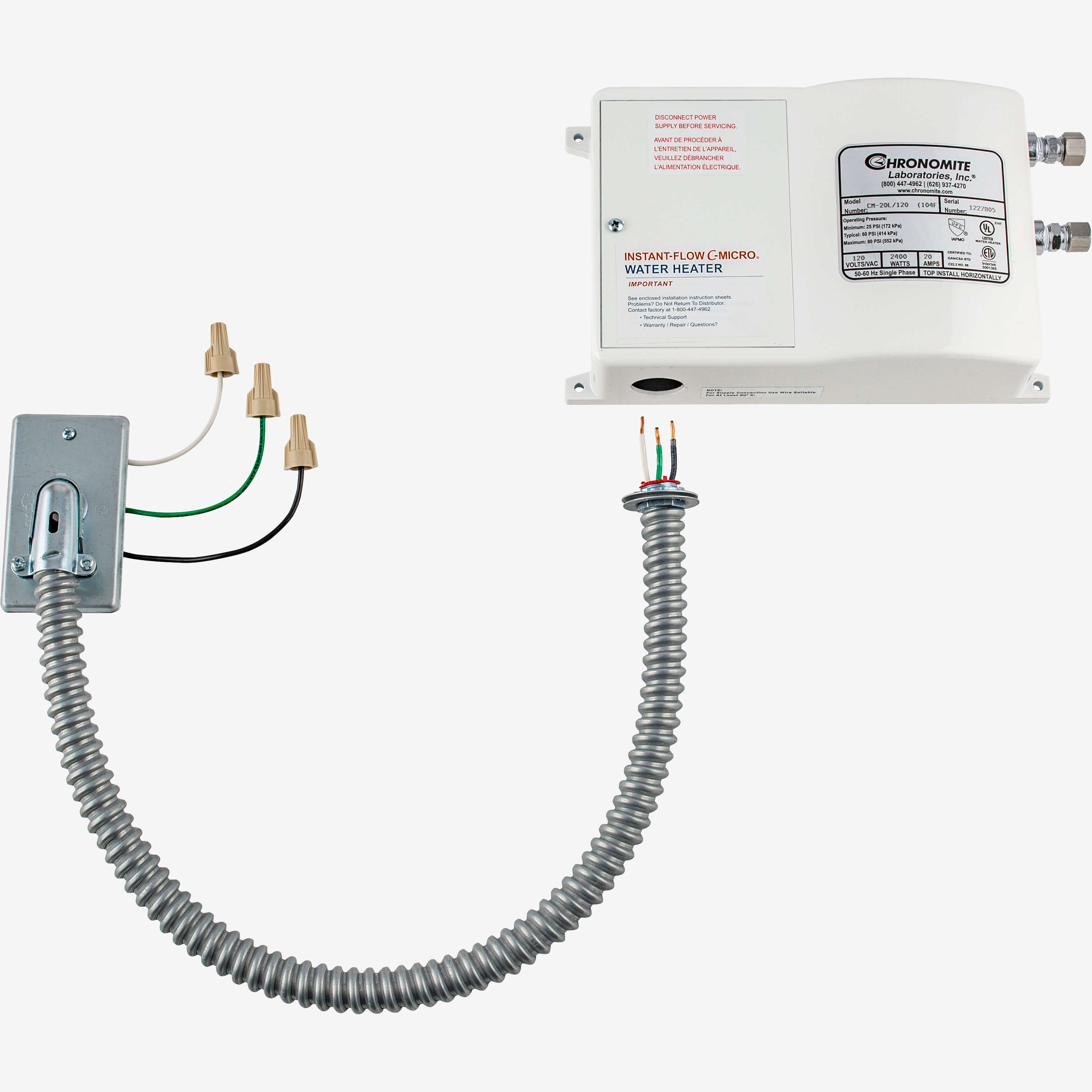
Imagine you’re wiring a new electric water heater in your basement. The wire runs along the wall for 10 feet. Because this wire is exposed and in a potentially damp area, code requires conduit. You choose ½-inch EMT, cut it to length, attach the necessary fittings, and secure it every 4 feet.
You pull the 10-gauge wire through, connect at both ends, and your installation passes inspection.
Credit: www.chronomite.com
Special Cases: Gas Vs. Electric Water Heaters
It’s easy to think all water heaters are the same, but wiring requirements can vary:
- Electric Water Heaters: Need their own circuit, often 240 volts, and sometimes require conduit.
- Gas Water Heaters: Only need wiring for the ignition (if at all), usually a simple 120-volt line. If this wire is exposed, it may also need conduit.
Always check the installation instructions for your specific model.
Water Heaters In Different Locations
Let’s look at three common locations for water heaters and what the wiring situation usually requires:
1. Garage Installation
Garages are high-traffic areas where objects can bump or hit wires. In most cities, exposed NM cable in a garage must be protected with conduit.
2. Basement Installation
Basements are often damp and can have pests. Running wire in conduit protects against water and chewing.
3. Attic Or Closet Installation
If the wire is hidden behind walls or ceilings (not exposed), conduit may not be required. But if any part of the wire is visible and could be damaged, use conduit.
Code References And Local Variation
The NEC is the national standard, but local codes can be stricter. For example:
- Some areas require all exposed wiring—even in basements—to be in conduit.
- Others may accept NM cable in unfinished basements if it’s stapled high and out of harm’s way.
It’s always wise to check with your local building department before starting work.
How Inspectors Check For Code Compliance
Electrical inspectors look for several things:
- Is the wire size correct for the heater?
- Is the wire protected from damage?
- Is the conduit type suitable for the environment?
- Are all connections inside approved boxes?
- Are proper clamps and fittings used?
Failing any of these can delay your project.
Diy Vs. Hiring A Professional
Many homeowners wonder if they can do this work themselves. While it’s legal to do your own electrical work in many places, it must meet code. Mistakes can be dangerous and expensive.
Common Diy Mistakes
- Using the wrong conduit type for the location (e.g., plastic in a garage).
- Skipping conduit on exposed wires.
- Overcrowding wires in a conduit that’s too small.
- Poor connections at the heater or panel.
A professional electrician will know the current code and ensure a safe installation.
Cost Comparison: Conduit Vs. No Conduit
Is it expensive to add conduit? Here’s a basic cost comparison:
| Scenario | Material Cost | Labor Time | Inspection Risk |
|---|---|---|---|
| No Conduit (Exposed NM Cable) | $0 | Fast | High (may fail inspection) |
| With EMT Conduit | $10–$25 (for 10 ft) | +30 min | Low (likely to pass) |
| With PVC Conduit (Damp/Outdoor) | $15–$35 (for 10 ft) | +45 min | Low (likely to pass) |
The small extra cost and time are usually worth the peace of mind and legal compliance.
Practical Tips For Safe Water Heater Wiring
Here are some expert tips to avoid mistakes and keep your installation safe:
- Always check local codes before starting.
- If in doubt, use conduit—it rarely hurts and often helps.
- Use the correct conduit type for your location.
- Don’t run too many wires in a small conduit—overcrowding can cause overheating.
- Label your breaker clearly, so future repairs are safer.
- If you see damaged or old wires, replace them during your upgrade.
Non-obvious Insights Most Beginners Miss
1. Conduit Is Not Just About Moisture
Many people think conduit is only required if water might touch the wires. In fact, physical damage is a bigger reason. Even in dry basements, a broom handle, bike, or storage box can crush or cut exposed cable.
2. Not All Conduit Is Created Equal
Flexible metal conduit (FMC) is easier to install around bends but offers less crush protection than rigid types. In high-traffic areas, rigid or EMT conduit is safer.
Case Studies: Real-world Examples
Success Story
A homeowner in Chicago installed a new electric water heater in their garage. They ran NM cable along the wall, added EMT conduit for the exposed section, and passed inspection easily. Five years later, the wiring is still in perfect condition, even after heavy use and moving items around the garage.
Failure Story
In another case, a homeowner skipped conduit for exposed wire in their basement. After a few years, a mouse chewed through the insulation, causing a short circuit and tripping the breaker. Fortunately, no fire occurred, but repairs cost more than using conduit would have in the first place.
Environmental Factors Affecting Wiring Safety
Your local climate and home conditions matter:
- Coastal Areas: Salt air can corrode unprotected wiring quickly. Always use conduit.
- Cold Climates: Basements can get damp, risking wire corrosion and insulation breakdown.
- High-Traffic Utility Rooms: More likely to see accidental bumps or impacts.
Upgrading Old Water Heater Wiring
If you’re replacing an old water heater, check the existing wiring:
- Is the wire size correct for the new heater’s power?
- Is any wire insulation cracked or brittle?
- Is any wire exposed and unprotected?
Upgrading to conduit during replacement is an easy way to improve safety and future-proof your installation.
Comparing Conduit Types For Water Heater Installations
Here’s a look at the main conduit options and where each is best:
| Conduit Type | Best Use | Pros | Cons |
|---|---|---|---|
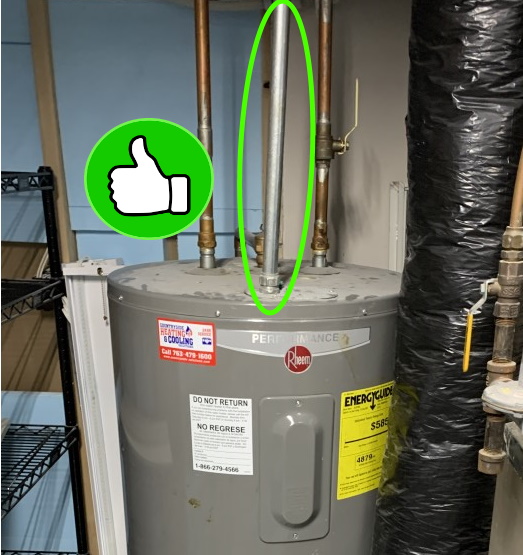
| EMT (Metal) | Indoor, dry areas, garages | Strong, affordable, easy bends | Corrodes if wet, not for outdoor |
| PVC (Plastic) | Damp or outdoor locations | Waterproof, doesn’t corrode | Can crack if hit, harder to bend |
| Flexible Metal Conduit | Short runs, tight spaces | Easy install, flexible | Less protection, not for long runs |
Credit: structuretech.com
The Bottom Line: Should You Use Conduit?
So, does water heater wire need to be in conduit? In many cases, yes—especially if the wire is exposed, in a damp area, or outside. Even when not required, conduit is a smart safety upgrade. It protects your investment, ensures code compliance, and gives peace of mind.
If you’re unsure, check your local building code or hire a licensed electrician. Installing conduit is a small extra step that can prevent big problems later.
For further details on the National Electrical Code, you can visit the official NFPA website.
Frequently Asked Questions
Can I Run Romex Directly To My Water Heater Without Conduit?
You can only run Romex (NM cable) directly if it is hidden inside finished walls or ceilings. If it’s exposed, local codes almost always require conduit for protection.
What Type Of Conduit Should I Use For A Water Heater In A Damp Basement?
For damp locations, use PVC conduit or liquid-tight flexible conduit. These types are designed to keep moisture away from the wiring and prevent corrosion.
Do Gas Water Heaters Need Conduit For Their Wiring?
Most gas water heaters only need a small electrical line for ignition or controls. If this wire is exposed or in a garage/basement, conduit is usually required for safety and code compliance.
How Do I Know If My Local Code Requires Conduit?
Check with your local building department or look up the city’s electrical code. Some areas are stricter than the national standard and require conduit in more situations.
Can I Use Flexible Conduit For The Entire Wire Run To My Water Heater?
Flexible metal conduit can be used for short runs or where bends are needed, but for long, straight runs, EMT or PVC is often better. Always check if your local code limits the length of flexible conduit.
A safe and code-compliant installation will keep your water heater running smoothly for years. Don’t cut corners—protect your wiring, and you’ll protect your home and family.