
If you want a home with reliable hot water and lower energy bills, you may have heard of the Rheem heat pump water heater. This advanced water heater is designed to be energy efficient and adaptable, with different operating modes you can choose to match your needs. But what do these modes really do? How do they affect comfort, energy use, and day-to-day operation? Many homeowners find these settings confusing, and even experienced users sometimes miss important details.
This article will walk you through everything you need to know about Rheem heat pump water heater modes. We’ll look at how each mode works, when to use them, and what to expect. You’ll also learn practical tips, see real-life examples, and find out how to get the best performance from your unit. If you want to save energy, get more hot water, or solve common problems, you’ll find clear answers here—without jargon or complicated language.
Understanding Rheem Heat Pump Water Heater Technology
Before diving into the different modes, it helps to understand how a heat pump water heater works. Unlike traditional electric or gas water heaters that create heat, a heat pump uses a small amount of electricity to move heat from the air into the water. Think of it like a refrigerator in reverse. Instead of taking heat out of food, it takes heat from the surrounding air and puts it into your water.
This process is much more energy-efficient. According to the U.S. Department of Energy, a heat pump water heater can be two to three times more efficient than standard electric models. That means you can save hundreds of dollars each year on energy bills while reducing your carbon footprint.
But heat pumps also work a bit differently. Because they rely on air temperature, their performance can change with the seasons. This is where the different Rheem water heater modes come in. These modes let you choose between efficiency, speed, and comfort, depending on what your household needs at any moment.
Why Modes Matter: Balancing Comfort And Savings
Every family has different hot water needs. Some days, you might have guests and need lots of hot water quickly. Other times, you may want to save as much energy as possible. The operating modes on a Rheem heat pump water heater are designed to help you balance these needs. Each mode changes how the system heats water, what energy source it uses, and how much hot water is available.
It’s important to know that choosing the right mode can make a big difference. You can:
- Lower your energy use by up to 60% compared to traditional water heaters (Rheem data)
- Get more hot water during busy times
- Avoid running out of hot water, especially in cold weather
- Protect your system from overworking and extend its lifespan
Let’s look in detail at what each mode does and when you should use it.

Credit: www.youtube.com
Main Rheem Heat Pump Water Heater Modes
Rheem heat pump water heaters usually offer five main modes. Some models may have a few more settings, but these are the most common:
- Heat Pump (Efficiency) Mode
- Hybrid (Normal) Mode
- Electric (High Demand) Mode
- Vacation (Sleep) Mode
- High Demand (Boost) Mode
Each mode has a specific purpose and works differently. We’ll explain each one, give examples, and show how they compare.
Heat Pump (efficiency) Mode
This is the mode for people who want the lowest energy bills. In Heat Pump mode, the unit uses only the heat pump (not the electric heating elements) to heat the water. The system pulls warmth from the air and moves it into the tank. This process is slow but very efficient.
When to use it:
- You have a small family or use hot water mostly in the morning and evening
- You want to maximize energy savings
- You live in a mild climate (heat pump mode works best when the air is at least 45°F or warmer)
Pros:
- Highest energy efficiency
- Quiet operation
- Lower electric bills
Cons:
- Reheating is slower (can take several hours if tank is empty)
- May struggle to keep up during high demand or very cold weather
Example: If you take showers in the morning and do laundry at night, Efficiency mode will keep up with your needs and use the least energy.
Hybrid (normal) Mode
Hybrid mode is the default setting on many Rheem models. In this mode, the unit uses the heat pump as the main source but will turn on electric heating elements if you need a lot of hot water quickly or if the air is too cold for the heat pump to work efficiently.
When to use it:
- Medium to large families with unpredictable hot water needs
- You want a balance between energy savings and always having enough hot water
Pros:
- Good energy savings (not as high as Heat Pump mode, but much better than Electric mode)
- Faster recovery after heavy use
- Adapts automatically to changing demand
Cons:
- Uses more electricity than pure Heat Pump mode
- Slightly more noise during operation
Example: If you sometimes have guests or run multiple showers and appliances at once, Hybrid mode is a safe choice.
Electric (high Demand) Mode
In Electric mode, the unit heats water using only the electric resistance elements—just like a traditional electric water heater. The heat pump is not used. This mode provides the fastest reheating but is the least efficient.
When to use it:
- You have a large group visiting and need lots of hot water fast
- The air temperature is very low (below 40°F)
- The heat pump is not working properly
Pros:
- Quick recovery time (heats water fast)
- Works in any temperature
Cons:
- Highest energy use (bigger electric bills)
- Not recommended for everyday use
Example: If you host a holiday gathering and everyone showers back-to-back, Electric mode will prevent cold showers.
Vacation (sleep) Mode
Vacation mode, sometimes called Sleep or Away mode, keeps the tank at a lower temperature (usually around 50–60°F). This prevents the water from freezing or growing bacteria but saves energy because the unit is not maintaining hot water.
When to use it:
- You’re leaving home for a week or more
- You want to avoid wasting energy while away
Pros:
- Saves energy
- Protects water quality
Cons:
- Not suitable for everyday use (you’ll need to reset when you return)
- Water may take hours to reheat when you turn it back on
Example: If you go on a 10-day vacation, use Vacation mode to avoid heating water you won’t use.
High Demand (boost) Mode
Some Rheem models have a Boost mode (sometimes called High Demand or Turbo). In this mode, the unit uses both the heat pump and electric heating elements at the same time to reheat water as quickly as possible. It’s a temporary setting, ideal for short periods when you need extra hot water.
When to use it:
- During parties or family gatherings
- After everyone showers in the morning
Pros:
- Fastest hot water recovery
- Less energy efficient than Hybrid, but more efficient than Electric mode alone
Cons:
- Higher energy use while active
- Not meant for everyday operation
Example: After a busy morning with three showers and the dishwasher running, Boost mode gets the tank hot again quickly.
Comparing Rheem Water Heater Modes
It’s helpful to see how these modes compare in terms of energy use, recovery time, and best use case.
| Mode | Energy Use | Recovery Speed | Best For |
|---|---|---|---|
| Heat Pump (Efficiency) | Lowest | Slowest | Everyday use, energy savings |
| Hybrid (Normal) | Medium | Faster | Most households |
| Electric (High Demand) | Highest | Fastest | Large groups, cold weather |
| Vacation (Sleep) | Very Low | Very Slow (on return) | Extended absences |
| Boost (High Demand) | High (temporary) | Very Fast | Short-term high usage |

Credit: thepragmaticsteward.com
How To Select And Change Modes
Switching modes on a Rheem heat pump water heater is usually easy. Most models have a digital control panel or touchscreen. Here’s a basic process:
- Press the Menu or Mode button.
- Use the arrow keys to scroll through the options (Heat Pump, Hybrid, Electric, Vacation, Boost).
- Highlight the mode you want.
- Press Enter or Select to confirm.
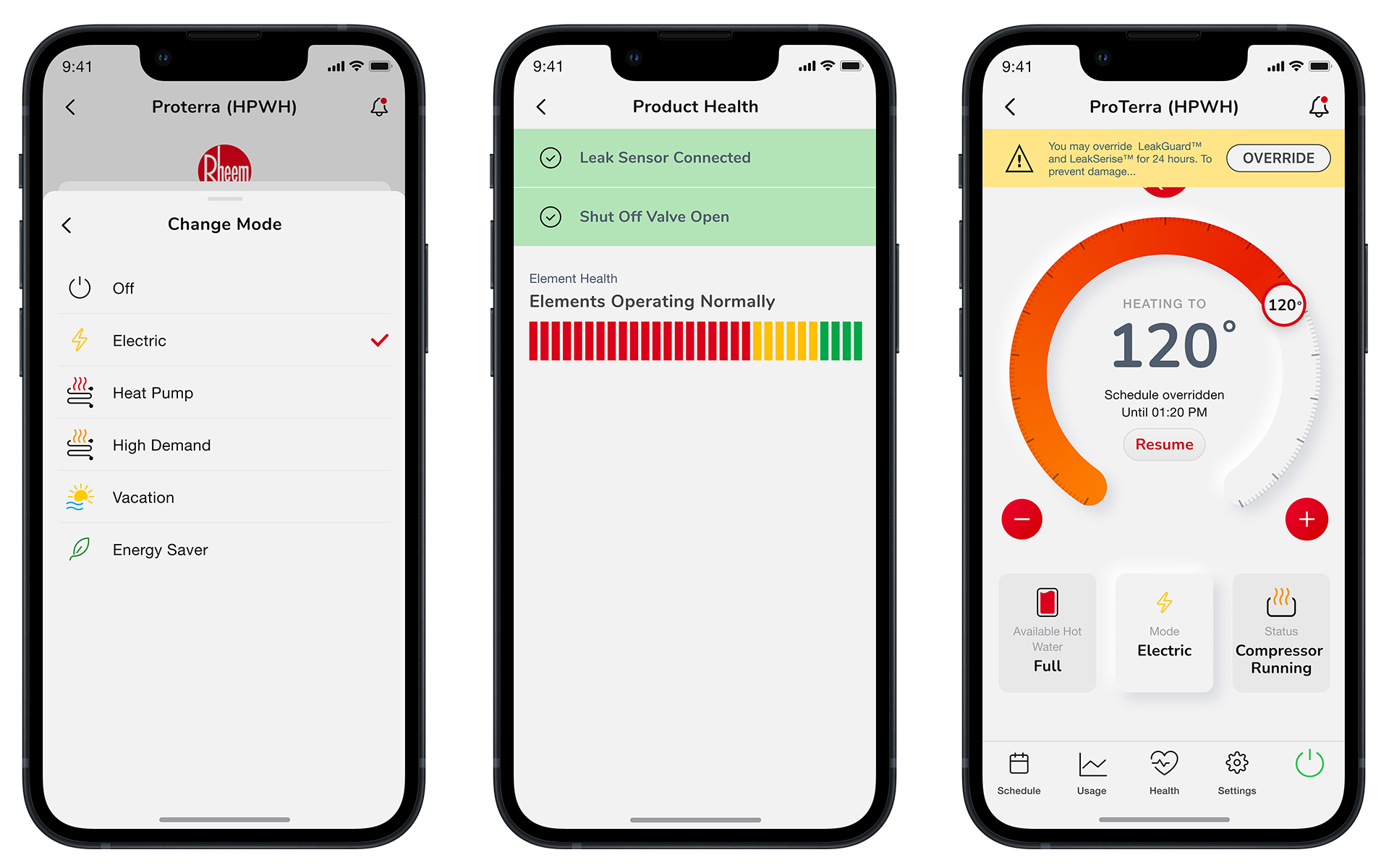
Some newer units also connect to smart home systems, allowing you to change modes with a phone app.
Non-obvious insight: Many users don’t realize that you can set the mode to change automatically with a schedule (on some models). For example, you can run Heat Pump mode at night and Hybrid mode during the busy morning hours. This gives you savings and comfort without manual changes.
How Modes Affect Energy Savings And Costs
The mode you select makes a big difference in your power bill. The U. S. Department of Energy estimates that switching from Electric mode to Heat Pump mode can cut water heating costs by up to 60%. Over a year, that can mean $300–$500 savings for an average family.
Hybrid mode gives a good compromise—energy use is lower than standard electric, but hot water is always available. In fact, Rheem’s own testing shows that Hybrid mode saves most homes about 50% compared to a traditional electric water heater.
Here’s a sample breakdown for a typical 50-gallon Rheem heat pump water heater, based on average usage:
| Mode | Estimated Annual Energy Use (kWh) | Estimated Annual Cost (USD) |
|---|---|---|
| Heat Pump | 1,200 | $150 |
| Hybrid | 1,600 | $200 |
| Electric | 3,000 | $375 |
*Assumes electricity cost of $0. 125 per kWh and 64 gallons of hot water per day. *
Pro tip: If you want the lowest bill, use Heat Pump mode whenever possible. Switch to Hybrid or Electric only when you know you’ll need more hot water than usual.
Common Mistakes When Using Rheem Water Heater Modes
Even with good instructions, many people make simple mistakes that waste energy or cause discomfort. Here are some common problems and how to avoid them:
- Leaving the heater in Electric mode all year: This defeats the purpose of a heat pump system. Only use Electric mode for emergencies or special occasions.
- Not switching to Vacation mode when away: If you leave for a week and forget to use Vacation mode, you pay to keep water hot for no reason.
- Running Boost mode all the time: Boost is for short-term needs, not daily use. It uses more power and can shorten the unit’s lifespan.
- Overlooking air temperature: In very cold basements or garages, Heat Pump mode may not work well. Use Hybrid or Electric in winter if needed.
- Setting the water temperature too high: Higher settings waste energy and can increase the risk of scalding.
Non-obvious insight: Some users set the mode to Hybrid but never check the air filter. A clogged filter reduces heat pump efficiency and may force the system to use Electric mode more often. Clean the air filter every 3–6 months for best performance.
Advanced Features: Scheduling, Smart Controls, And Wi-fi
Modern Rheem heat pump water heaters offer smart controls and advanced features that make mode selection even more flexible.
- Wi-Fi connectivity: Lets you change modes, adjust temperature, or check status from your phone. You can even get alerts if there’s a problem.
- Scheduling: Set the heater to use Heat Pump mode during the night (when demand is low) and Hybrid during peak hours.
- Usage tracking: See how much energy you use in each mode, and adjust for better savings.
These features can make a big difference, especially in homes with changing schedules or for people who want to optimize savings.
Example: You can program the heater to switch to Vacation mode automatically when you’re away, and back to Hybrid the day before you return. This way, you never come home to a cold shower.
How Modes Impact Noise, Air Quality, And Placement
A heat pump water heater makes a low humming sound, especially when the compressor runs. In Heat Pump mode, the sound is usually quieter than in Electric or Boost mode, but it’s still more noticeable than a traditional water heater.
Location matters: Heat pump models pull heat from the air, so they cool the surrounding space slightly—like an air conditioner running. If you install the unit in a small, enclosed space, it may become less efficient and louder. It’s best to place the heater in a basement, garage, or utility room with good airflow.
Tip: If you find the sound bothersome or notice cold drafts, try switching to Hybrid or Electric mode during cold snaps, or add venting to improve air flow.
Maintenance Tips For Each Mode
Good maintenance keeps your Rheem heat pump water heater running efficiently, no matter which mode you use.
- Heat Pump/Hybrid: Clean the air filter every 3–6 months. Check for dust on the intake vents.
- Electric: Check electrical connections once a year. Make sure the heating elements are free from scale.
- Vacation: When returning from a long trip, flush the tank if water has been sitting for more than a month to avoid bacteria growth.
- All modes: Inspect for leaks and check the temperature-pressure relief valve at least once a year.
Expert tip: Many people forget that a heat pump water heater produces condensation. Make sure the drain line is clear, especially if you use Heat Pump or Hybrid mode most of the year.
When To Change Modes: Real-life Scenarios
It’s not always obvious which mode to use. Here are some real-life examples to help you decide:
- Small family, regular schedule: Use Heat Pump mode for daily use. Switch to Hybrid on weekends if you have guests.
- Busy mornings, slow evenings: Program Hybrid mode for 6–9 a.m. and Heat Pump mode for the rest of the day.
- Cold weather: If your basement drops below 45°F, use Hybrid or Electric mode until spring.
- Vacation: Switch to Vacation mode before leaving. Switch back a few hours before returning.
Comparing Rheem Modes To Other Brands
How do Rheem’s modes compare to other brands like AO Smith or Bradford White? Most major brands offer similar options, but names and features can differ.
| Brand | Efficiency Mode | Hybrid/Normal | Electric/High Demand | Vacation | Boost |
|---|---|---|---|---|---|
| Rheem | Yes | Yes | Yes | Yes | Yes |
| AO Smith | Yes | Yes | Yes | Yes | No (on some models) |
| Bradford White | Yes | Yes | Yes | Yes | No |
Rheem is known for offering the most flexible mode options and easy-to-use controls. This makes it a popular choice for homeowners who want both efficiency and convenience.
Credit: www.rheem.com
Troubleshooting Mode-related Problems
Sometimes, changing modes doesn’t work as expected. Here are some common issues and how to solve them:
- Water not heating fast enough: If you’re in Heat Pump mode, try switching to Hybrid or Boost. Clean the air filter and check for blocked vents.
- Unit won’t switch out of Electric mode: Check for error codes on the display. If the air temperature is too low, the system may lock out the heat pump.
- No hot water after returning from Vacation mode: Give the unit several hours to reheat. If there’s still no hot water, check for tripped circuit breakers or call a technician.
- Strange noises in Boost mode: Some compressor noise is normal, but loud banging or rattling may mean something is loose.
If you have ongoing problems, the Rheem customer support website offers troubleshooting guides and a list of certified service providers.
Environmental Impact Of Each Mode
Choosing the right mode isn’t just about saving money—it also affects your carbon footprint. Heat Pump mode is the most eco-friendly, using far less electricity than Electric mode. Over a year, this can cut hundreds of pounds of CO2 emissions.
According to the EPA, switching just one home to a heat pump water heater is like taking a small car off the road for six months. If you care about sustainability, use Heat Pump or Hybrid mode as much as possible.
For more on water heater energy efficiency, visit the U.S. Department of Energy Heat Pump Water Heaters Guide.
Frequently Asked Questions
How Do I Know Which Rheem Water Heater Mode Is Best For My Family?
Consider your hot water needs. For small families and regular schedules, Heat Pump mode is best for saving energy. For larger families or unpredictable schedules, Hybrid mode offers a balance of efficiency and comfort. Use Electric mode only when you need hot water very fast or during very cold weather.
Can I Leave My Rheem Water Heater In Hybrid Mode All The Time?
Yes, you can. Hybrid mode is designed for everyday use. It automatically switches between the heat pump and electric elements based on demand. This gives you good energy savings and reliable hot water.
What Happens If I Forget To Switch To Vacation Mode When I’m Away?
If you don’t use Vacation mode during a long trip, your heater will keep maintaining hot water, wasting energy. While there’s no damage to the unit, you’ll pay more on your energy bill. Always set Vacation mode if you’ll be gone for several days.
Does Switching Modes Affect The Warranty On My Rheem Heat Pump Water Heater?
No, changing between the available modes does not affect your warranty. Rheem encourages users to select the mode that fits their needs. Just make sure to follow the maintenance and installation guidelines in your user manual.
Why Is My Rheem Water Heater Noisy In Some Modes?
A heat pump water heater is usually quiet, but you may hear more noise in Hybrid or Boost mode because the compressor and fans run at higher speeds. If the noise is very loud or unusual, clean the air filter and check for loose parts. Contact support if the noise continues.
Choosing the right Rheem heat pump water heater mode is a smart way to control your comfort and energy costs. With a little knowledge, you can match your settings to your household’s needs and get the best performance from your system. Remember to use the modes flexibly—switch for busy days, vacations, or changing seasons. With the right approach, you’ll enjoy reliable hot water and lower bills for years to come.