
Are you tired of running out of hot water just when you need it most? Choosing the right water heater can make a huge difference in your daily comfort and energy bills.
But should you go with a tankless water heater or stick to a traditional one? Understanding the key differences can save you money, space, and frustration. You’ll discover which option fits your lifestyle best and why making the right choice today will keep your home cozy and efficient for years to come.
Keep reading to find out what’s really behind the tankless vs traditional water heater debate.

Credit: sportt-tt.com
How Tankless Water Heaters Work
Tankless water heaters provide hot water only when needed. They do not store water in a tank. This system heats water directly as it flows through the unit. It offers a different approach than traditional water heaters.
Instant Heating Process
Cold water enters the tankless heater through a pipe. A heating element or gas burner heats the water quickly. The water reaches the desired temperature almost instantly. Hot water flows out of the unit immediately. There is no wait time for a tank to fill. This process saves space and reduces water waste.
Energy Efficiency Factors
Tankless water heaters use energy only when water flows. They avoid standby heat loss common in tank systems. This means less energy is wasted heating stored water. The system adjusts energy use based on demand. It can lower energy bills compared to traditional heaters. Proper sizing and installation impact efficiency the most.
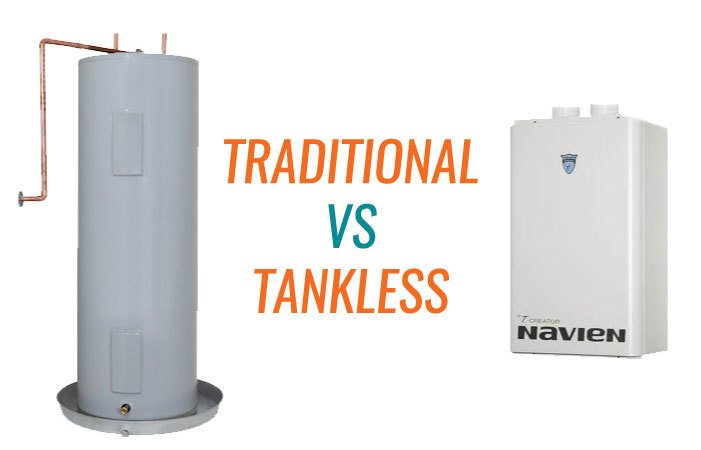
Credit: www.kazicapital.co.za
How Traditional Water Heaters Work
Traditional water heaters have been a staple in many homes for decades. They work by heating water and storing it until needed. This method is simple but effective for providing hot water throughout the day.
Storage Tank Mechanism
Traditional water heaters use a large tank to store hot water. The tank is insulated to keep water warm for hours. Inside, a heating element or gas burner heats the water. The tank holds between 30 to 80 gallons of water. When you turn on a hot water tap, water flows from the tank. Cold water enters the bottom to replace the hot water used. This cycle keeps the tank full and ready with hot water.
Energy Consumption Patterns
These heaters consume energy continuously to keep water hot. The heating element turns on and off to maintain temperature. This process is called standby heat loss. Energy use increases when hot water is not in use. The tank keeps water heated all day, even during low usage. This can cause higher energy bills compared to other systems.
Installation Requirements
Choosing between a tankless and a traditional water heater involves understanding their installation needs. Each type has different requirements that affect where and how they fit into your home. These differences can impact the cost and complexity of installation.
Space And Location Needs
Traditional water heaters need a large space to hold the tank. They are often placed in basements or utility rooms. Tankless water heaters are much smaller. They can be mounted on walls, saving floor space. This makes tankless units good for small homes or apartments.
Plumbing And Electrical Considerations
Traditional heaters connect to standard plumbing with simple pipes. They use gas or electricity but usually need less power than tankless models. Tankless heaters require more complex plumbing. They must handle higher water pressure and flow rates. Electrical needs for tankless units are higher. Some may need special wiring or a new circuit breaker. Proper installation ensures safety and efficiency for both types.
Cost Comparison
Choosing between a tankless and a traditional water heater involves understanding their costs. Both types have different price points and expenses over time. This section breaks down those costs clearly. It helps you see which option fits your budget better.
Initial Purchase And Installation
Traditional water heaters usually cost less upfront. The unit price is lower than tankless models. Installation is simple and faster. Most homes already have space for these heaters.
Tankless water heaters cost more to buy. They need special installation and sometimes extra parts. Installation takes longer and can be more complex. This raises the initial expense.
Long-term Operating Expenses
Traditional water heaters use more energy. They keep a large tank of water hot all day. This leads to higher electricity or gas bills.
Tankless water heaters only heat water when needed. This saves energy and reduces utility costs. Over time, the savings can offset the higher purchase price.
Maintenance costs differ too. Traditional heaters may need tank repairs or replacements. Tankless systems last longer with less maintenance. This can lower expenses over many years.
Performance And Capacity
Performance and capacity are key factors when choosing a water heater. These features affect how well the heater meets your household needs. Each type offers different strengths in hot water supply and flow. Understanding these differences helps you pick the right system.
Hot Water Supply Consistency
Traditional water heaters store hot water in a tank. This means hot water is ready to use but limited by tank size. Once the tank empties, you wait for it to refill and reheat. Tankless water heaters heat water on demand. They deliver a steady supply without running out. This makes tankless units ideal for continuous hot water needs.
Flow Rate And Recovery Time
Flow rate shows how much hot water flows through your taps. Tankless heaters usually have a lower flow rate. They can supply hot water to one or two fixtures at a time. Traditional heaters can support multiple fixtures but only until the tank is empty. Recovery time is how fast a heater reheats water. Tankless models have no recovery time since they heat instantly. Traditional heaters need time to reheat after the tank empties. This affects how quickly hot water returns after heavy use.
Maintenance And Lifespan
Choosing between tankless and traditional water heaters involves understanding their maintenance needs and lifespan. Both types need care to work well and last long. Knowing these details helps you pick the right one for your home.
Routine Care Needs
Traditional water heaters require regular checks for leaks and corrosion. Flushing the tank once a year removes sediment buildup. This keeps the heater efficient and prevents damage.
Tankless water heaters need less frequent flushing. But cleaning the filters every few months is important. This avoids clogs and keeps water flow steady. Both types benefit from professional inspections every year.
Expected Durability
Traditional water heaters usually last 10 to 15 years. Their tanks can corrode over time, which shortens lifespan. Tankless water heaters can last up to 20 years or more. They have no tank to rust, which helps them last longer.
Choosing a water heater with the right maintenance schedule can extend its life. Regular care prevents early breakdowns and costly repairs. This saves money and keeps hot water ready when needed.
Environmental Impact
The environmental impact of water heaters matters a lot today. Choosing the right type helps reduce harm to our planet. Tankless and traditional water heaters differ in how they affect the environment. Understanding these differences can guide you toward a greener choice.
Energy Savings
Tankless water heaters use energy only when heating water. They do not keep water warm all day long. This means less energy waste compared to traditional heaters. Traditional models heat and store water continuously. This constant heating uses more electricity or gas. Tankless heaters cut energy use by heating water on demand.
Carbon Footprint
The carbon footprint shows how much greenhouse gas a heater produces. Traditional water heaters release more carbon dioxide. They burn fuel to keep water hot all the time. Tankless heaters produce less carbon dioxide. They use energy more efficiently and only when needed. Choosing tankless helps lower your home’s carbon footprint. This choice supports cleaner air and less global warming.
Choosing The Right Heater
Choosing the right water heater is key for comfort and savings. Each home has unique needs. Picking a heater that fits your lifestyle helps avoid extra costs and hassle. Consider your household size and how you use hot water every day. These factors guide you to the best choice.
Household Size Considerations
Small families may not need a large water heater. Tankless water heaters work well for one or two people. They provide hot water on demand without storing it. Larger families might prefer traditional heaters. These store hot water and supply it when needed. Think about how many people use hot water at once. This affects the size and type you should buy.
Budget And Usage Patterns
Traditional water heaters often cost less upfront. They have a tank that heats and stores water. Tankless heaters cost more at first. They save money over time by heating water only when needed. Consider your daily hot water use. If you use hot water all day, a traditional heater may suit you. If usage is low or spread out, tankless can save energy and money.
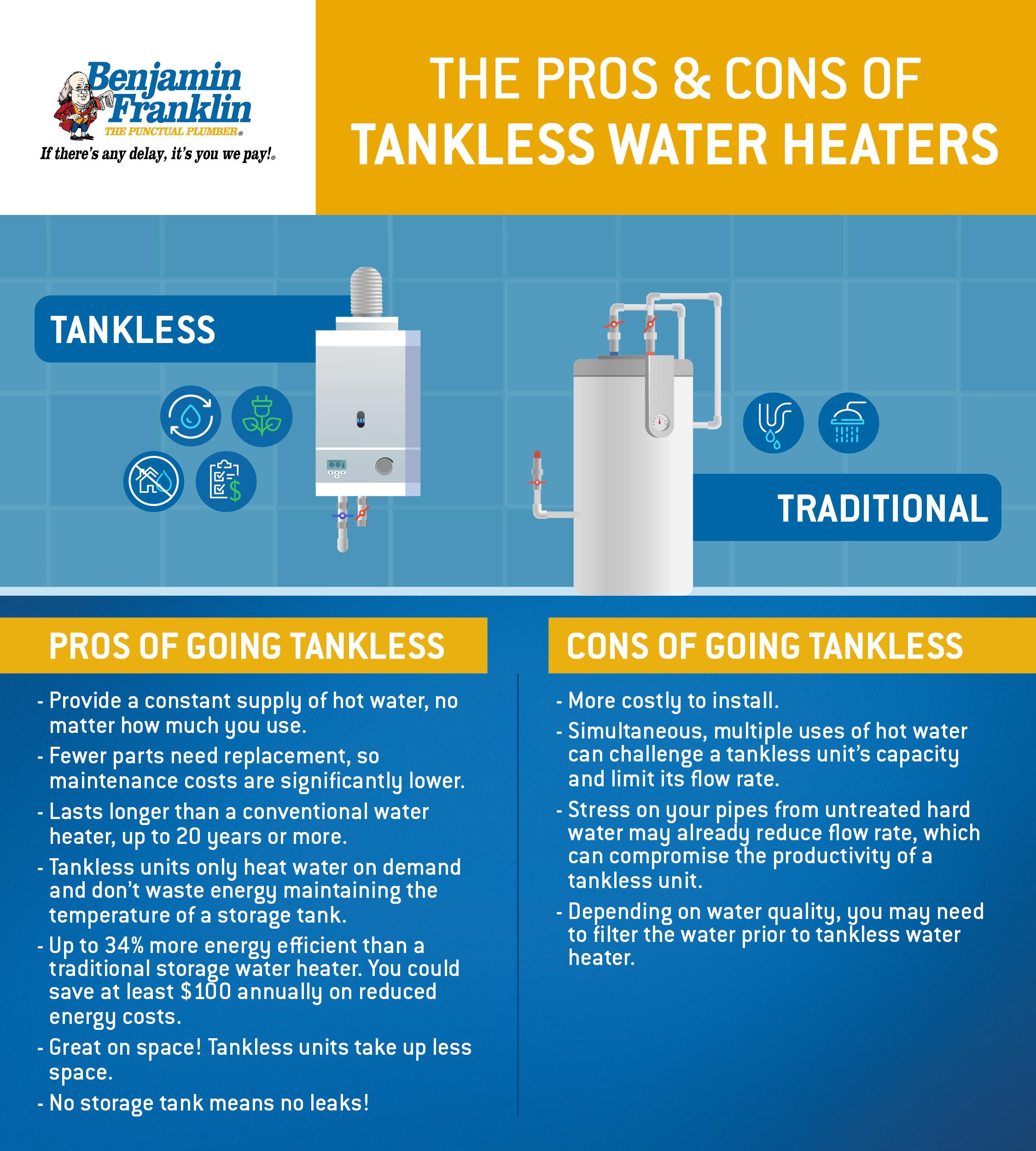
Credit: www.greggio.com
Frequently Asked Questions
What Is The Main Difference Between Tankless And Traditional Water Heaters?
Tankless heaters heat water only when needed. Traditional heaters store hot water in a tank for later use. This affects energy use and water availability.
Which Water Heater Saves More Energy And Reduces Bills?
Tankless water heaters usually save more energy. They avoid heat loss from stored water. This can lower your electricity or gas bills over time.
How Long Do Tankless Water Heaters Typically Last?
Tankless water heaters often last about 20 years. Traditional heaters usually last 10 to 15 years. So, tankless models tend to have a longer lifespan.
Are Tankless Water Heaters More Expensive To Install?
Yes, tankless units cost more upfront. Installation can be complex and costly. But, they may save money with lower energy bills later.
Can A Tankless Water Heater Supply Hot Water For A Large Family?
Tankless heaters provide endless hot water but may struggle with multiple uses at once. You might need more than one unit for a large family. Traditional tanks store hot water ready for use.
Conclusion
Choosing between tankless and traditional water heaters depends on your needs. Tankless heaters save space and energy but cost more upfront. Traditional heaters are cheaper initially and store hot water ready to use. Think about your household size, budget, and how often you use hot water.
Each type has clear benefits and some drawbacks. Decide what fits your lifestyle best. Both options can provide reliable hot water if chosen wisely. Take time to weigh pros and cons before making a final decision.