
Is your Honeywell water heater acting up? A sensor failure could be the hidden culprit causing your hot water troubles.
When your water heater’s sensor stops working right, it can lead to inconsistent temperatures, sudden shutdowns, or no hot water at all. This can disrupt your daily routine and leave you frustrated. You’ll discover how to spot the signs of a Honeywell water heater sensor failure, why it happens, and what you can do to fix it quickly.
Keep reading to avoid costly repairs and get your water heater running smoothly again.
/replacing-water-heater-thermocouple-flame-sensor-1824918-13-6e53620037d74c19b8e0fab0d57f9896.jpg)
Credit: neutralconsolidationservices.com
Common Causes Of Sensor Failure
Honeywell water heater sensors are vital for safe and efficient operation. These sensors detect temperature and help control the heating process. Sensor failure can cause the water heater to stop working or become unsafe. Understanding common causes of sensor failure helps in prevention and timely repair.
Wear And Tear Over Time
Sensors face constant heat and moisture. Over time, this causes parts to break down. Small cracks or corrosion can stop sensors from working. Age weakens sensor components and reduces accuracy. Regular checks can catch wear before failure happens.
Electrical Issues
Faulty wiring or power surges can damage sensors. Loose connections cause intermittent sensor signals. Short circuits may burn sensor parts completely. Proper electrical maintenance helps avoid sensor damage. Always check wiring during heater service.
Water Quality Impact
Hard water leaves mineral deposits on sensors. These deposits block sensor readings and cause errors. Corrosive water damages sensor surfaces over time. Using water softeners can reduce mineral buildup. Clean sensors regularly to maintain function.
Installation Errors
Incorrect sensor placement leads to wrong temperature readings. Loose sensor fittings cause poor contact with water. Wrong sensor types may not fit your heater model. Always follow manufacturer instructions during installation. Professional help reduces installation mistakes.
Symptoms Of A Faulty Sensor
Recognizing the symptoms of a faulty Honeywell water heater sensor helps prevent bigger problems. Sensors monitor water temperature and system functions. When sensors fail, the water heater may act strangely.
These symptoms signal sensor issues. Spotting them early saves time and repair costs. Watch for these common signs.
Inconsistent Water Temperature
The water temperature changes without reason. Hot water may become cold suddenly. Or cold water may turn hot. This happens because the sensor sends wrong signals. The heater cannot keep the water steady.
Error Codes And Alerts
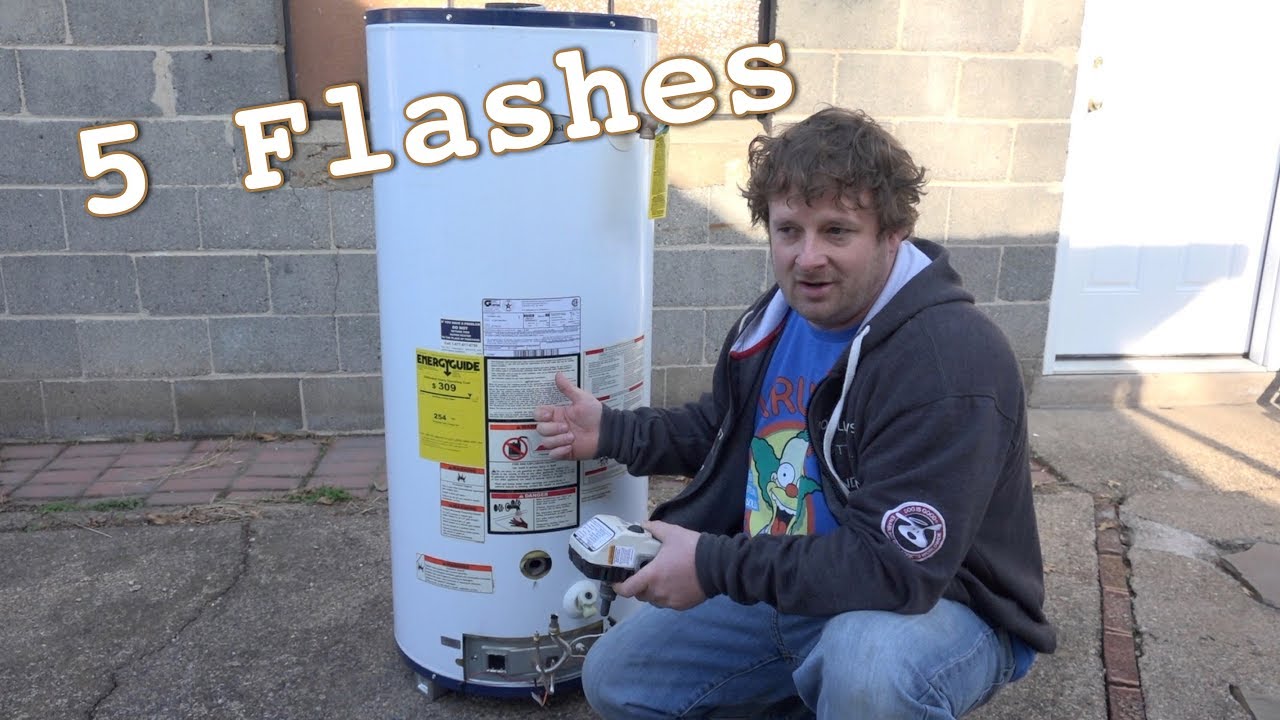
Honeywell systems show error codes if sensors fail. These codes appear on the control panel. Alerts may also sound or flash lights. They warn you about sensor problems. Check the manual to understand the code.
Water Heater Not Heating
The water heater may stop heating at all. The sensor fails to tell the heater to turn on. Water stays cold even after waiting. This symptom means the sensor may be broken or disconnected.
Frequent System Resets
The water heater resets itself often. The system tries to fix sensor errors by restarting. This causes interruptions in hot water supply. Frequent resets stress the heater and lower efficiency.
Diagnosing Sensor Problems
Diagnosing sensor problems in your Honeywell water heater is the first step to fixing it. Sensors control the heater’s temperature and safety functions. If they fail, the water heater may stop working or act strangely. Checking the sensor carefully can save time and money. Start with simple tests before calling a technician.
Visual Inspection Tips
Look closely at the sensor for any damage. Check for cracks, corrosion, or dirt on the sensor’s surface. Clean the sensor gently with a soft cloth if needed. Inspect the sensor’s mounting to make sure it is secure. Loose sensors often cause problems. Also, look for signs of water leaks near the sensor area.
Using A Multimeter
A multimeter helps test the sensor’s electrical function. Set the multimeter to measure resistance or continuity. Touch the probes to the sensor terminals carefully. A good sensor shows specific resistance values. If the reading is too high or zero, the sensor may be faulty. Take safety precautions and turn off power before testing.
Checking Wiring Connections
Check all wires connected to the sensor for damage or looseness. Loose wires cause poor connections and sensor failure. Make sure wires are firmly attached to terminals. Look for frayed or broken wires that need replacement. Secure all wiring before turning the heater back on.
Consulting The User Manual
The user manual has specific instructions for your Honeywell water heater model. Find the sensor section for detailed troubleshooting steps. Manuals include diagrams, sensor values, and safety tips. Follow the manual closely to avoid mistakes. Keep the manual handy for future reference.
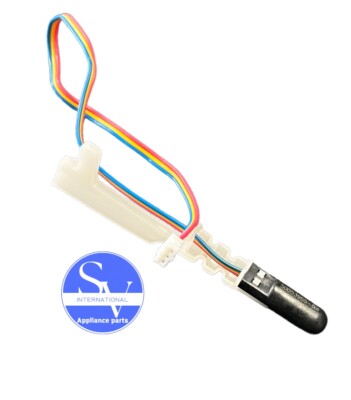
Credit: syprea.org
Step-by-step Sensor Replacement
Replacing a Honeywell water heater sensor might seem tough. This guide breaks it down into easy steps. Follow these steps to replace the sensor safely and quickly. No special skills needed. Just some basic tools and care.
Gathering Necessary Tools
Start by collecting all needed tools. You will need a screwdriver, pliers, and a new sensor. Also, have a cloth ready to clean any spills. Keep tools close to avoid interruptions. Prepare the workspace with good lighting.
Powering Down The Unit
Turn off the water heater’s power supply. This step is crucial for safety. Unplug the unit or switch off the breaker. Wait a few minutes to let the system cool. Never work on the heater when it is hot or powered.
Removing The Faulty Sensor
Locate the faulty sensor on the heater. Use the screwdriver to remove screws holding it. Gently disconnect the sensor wires. Avoid pulling too hard to prevent damage. Remove the sensor carefully and keep screws safe.
Installing The New Sensor
Place the new sensor in the same position. Connect the wires exactly as before. Secure the sensor with screws tightly. Double-check that connections are firm. Clean the area around the sensor if needed.
Testing After Replacement
Restore power to the water heater. Monitor the unit for normal operation. Check for any error codes or unusual noises. Test water temperature to ensure sensor works. If all is well, the replacement is complete.
Preventive Maintenance Tips
Preventive maintenance is key to avoiding Honeywell water heater sensor failure. Taking steps early keeps your heater working well. It saves money and avoids hassle. A few simple tips help protect your system.
Careful maintenance extends the sensor’s life. It also improves water heater performance. Follow these easy tips for better results.
Regular Cleaning Practices
Keep the sensor clean from dirt and scale. Use a soft cloth or brush gently. Avoid harsh chemicals that can damage parts. Clean the sensor every few months. This stops build-up that causes errors.
Monitoring Water Quality
Hard water can harm sensors quickly. Check water hardness regularly. Use water softeners if needed. Cleaner water means less wear on your heater. It helps sensors work accurately longer.
Scheduled Inspections
Look over your water heater often. Check the sensor for signs of damage or corrosion. Early spotting of issues prevents bigger problems. Write down inspection dates for regular tracking. Stay ahead of sensor troubles.
Professional Servicing
Hire a qualified technician yearly. Professionals find hidden sensor problems fast. They clean and fix parts safely. Expert care keeps your heater in top shape. It also protects your warranty.
When To Call A Professional
Knowing when to call a professional for Honeywell water heater sensor failure can save time and money. Some problems need expert help to avoid damage or injury. Recognizing these signs helps keep your water heater working safely and well.
Complex Electrical Issues
Electrical parts inside water heaters can be tricky. Faulty wiring or damaged sensors need special tools and skills. A professional electrician can find and fix these problems safely. Avoid guessing or trying to repair electrical faults yourself.
Persistent Sensor Failures
If the sensor fails again after fixing, it shows a deeper problem. Repeated issues may harm the water heater or cause it to stop working. Experts have the experience to diagnose and solve persistent sensor problems properly.
Warranty Considerations
Many water heaters come with a warranty. Repairs done by untrained people might void this warranty. Calling a professional ensures repairs follow the manufacturer’s rules. This keeps your warranty valid and protects your investment.
Safety Precautions
Water heaters work with electricity and hot water. Mishandling sensor problems can cause shocks or burns. Professionals know safety steps to prevent accidents. Trusting experts reduces risks and protects your home and family.
Credit: www.youtube.com
Frequently Asked Questions
What Causes Honeywell Water Heater Sensor Failure?
Sensor failure often results from dirt, corrosion, or loose wiring connections inside the heater.
How To Identify A Faulty Honeywell Water Heater Sensor?
Look for inconsistent water temperature or error codes on the heater display.
Can I Fix A Honeywell Water Heater Sensor Myself?
Basic fixes like cleaning or tightening wires are possible, but complex repairs need a professional.
How Does A Bad Sensor Affect Water Heater Performance?
A failed sensor can cause incorrect temperature readings and lead to overheating or no heat.
How Long Does A Honeywell Water Heater Sensor Last?
Sensors typically last 5 to 10 years, depending on water quality and usage.
When Should I Replace My Honeywell Water Heater Sensor?
Replace it if cleaning doesn’t fix errors or if the sensor shows physical damage.
Conclusion
Honeywell water heater sensor failure can cause many problems. It may stop your heater from working well. Detecting the problem early helps avoid bigger issues. Regular checks keep your heater safe and efficient. Fixing or replacing the sensor restores proper function fast.
Simple care saves money and energy over time. Stay aware of any strange signs from your water heater. Taking action quickly keeps your home comfortable and warm.