Feeling cold inside your own home can be frustrating and uncomfortable. You want to know exactly how to turn on the heater in your house quickly and easily—without any confusion or hassle.
Whether it’s your first time using the system or you just need a refresher, this guide will walk you through every step. By the end, you’ll be able to warm up your space in no time and enjoy cozy comfort all winter long.
Keep reading to discover simple tips and tricks that make turning on your heater a breeze!
Locate Your Heater
Finding your heater is the first step to warming your home. It helps to know exactly what type of heater you have and where the controls are. This makes turning it on quick and simple. Follow these steps to locate your heater easily.
Identify Heater Type
Start by looking around your home for the heater unit. Common types include furnace, baseboard, or wall heaters. Furnaces are usually in basements or closets. Baseboard heaters run along the base of walls. Wall heaters are mounted on walls in rooms. Knowing the type helps you find the right controls.
Find Thermostat Or Control Panel
Next, locate the thermostat or control panel. Thermostats are often on main walls in living areas. They look like small boxes with a display or dial. Control panels might be near the heater itself. Some heaters have switches or buttons on the unit. This is where you turn the heater on and set the temperature.

Credit: www.youtube.com
Prepare The Heater
Preparing your heater before turning it on is important for safety and efficiency.
This step helps avoid problems and keeps your home warm without risk.
Check Power Supply
Start by making sure the heater is plugged in correctly.
Check the power outlet for any damage or loose connections.
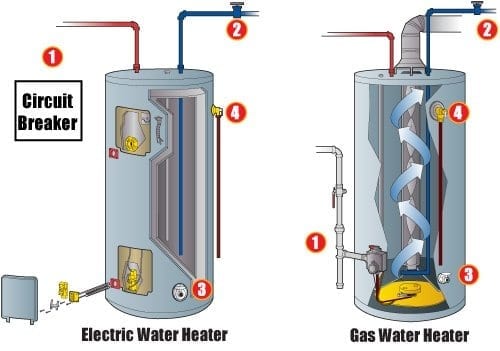
Confirm the circuit breaker is on and not tripped.
Using a power strip? Ensure it can handle the heater’s power needs.
Inspect For Safety
Look over the heater for any visible damage or wear.
Clean dust and dirt from vents and grills before use.
Make sure there are no flammable objects near the heater.
Check the heater’s cord for cracks or frays.
Replace or repair any damaged parts before turning it on.
Turn On The Heater
Turning on the heater in your house is simple. It helps keep your home warm and comfortable during cold days. Understanding how to operate the heater correctly saves energy and avoids unnecessary costs. Different heaters have various control methods. Here is how to turn on your heater using common options.
Using The Thermostat
The thermostat controls the heater automatically. Set the desired temperature on the thermostat. The heater will turn on to reach this temperature. When the room warms up, the heater will switch off. This saves energy and keeps the room cozy. Make sure the thermostat is set to “heat” mode.
Manual Controls
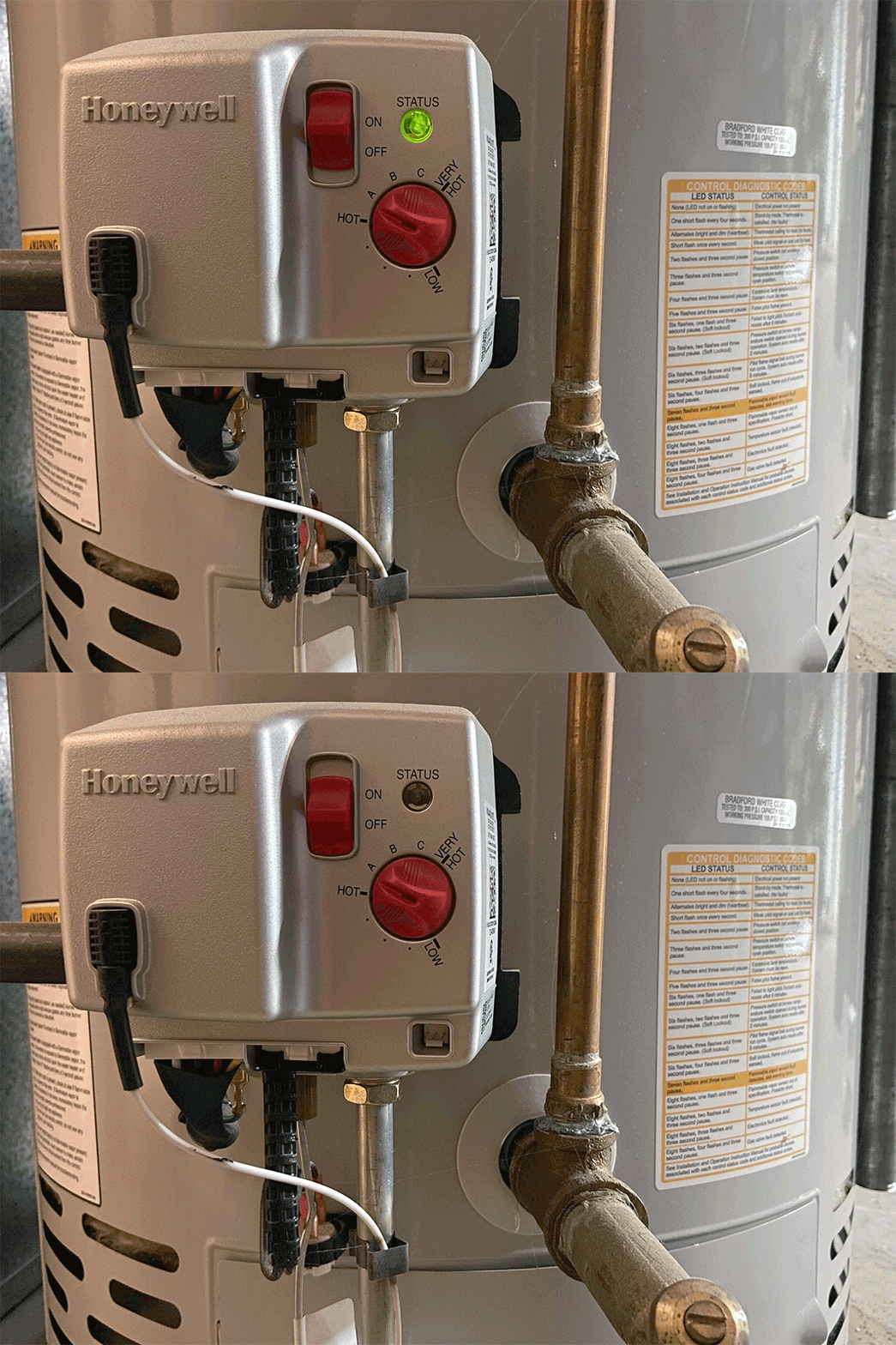
Some heaters have buttons or dials for manual operation. Locate the power switch or control knob on the heater. Turn it on by pressing the button or rotating the knob. Adjust the heat level to your comfort. Manual control gives you direct power over the heater. Always check the heater is plugged in and ready to work.
Remote Or Smart Device
Modern heaters often come with remote controls or smart apps. Use the remote or app to turn the heater on. You can set the temperature and timer from a distance. Smart devices allow easy control from your phone. This makes heating your home very convenient. Ensure the device is connected to your heater properly.
Credit: clubdegolfelbosque.com
Adjust Temperature Settings
Adjusting the temperature settings is key to a warm and comfortable home. It controls how much heat your heater produces. Setting it right saves energy and keeps bills low. Follow simple steps to make your home cozy without wasting power.
Set Desired Temperature
Find the thermostat or control panel of your heater. Use the buttons or dial to choose a temperature. Aim for a comfortable level, usually between 68°F and 72°F (20°C to 22°C). Avoid setting it too high; this wastes energy and can cause overheating. Small changes make a big difference in comfort and cost.
Use Energy-saving Modes
Many heaters have energy-saving or eco modes. These settings lower power use while keeping the room warm. Activate this mode to reduce energy waste. It helps keep your home warm and your electricity bills down. Check your heater manual to find and use these features properly.
Maintain Heater Efficiency
Maintaining your heater’s efficiency saves energy and lowers bills. A well-kept heater warms your home faster. It also lasts longer with less chance of breaking down. Simple care steps keep your heater running smoothly all winter.
Regular Cleaning
Dust and dirt block heat and airflow. Clean your heater regularly to avoid this. Use a soft brush or vacuum to remove dust from vents and surfaces. Keep the area around the heater clear of clutter. This helps air flow freely and improves heating.
Filter Replacement
Filters catch dust and particles from the air. Dirty filters make the heater work harder. Change filters every one to three months. Check your heater’s manual for the right filter type. Clean filters improve air quality and heater performance.
Schedule Professional Servicing
Experts find problems you might miss. They check and clean internal parts of the heater. Schedule a service at least once a year. Regular check-ups keep your heater safe and efficient. Professionals can also fix small issues before they grow.
Credit: onehundredeggs.com
Troubleshoot Common Issues
Heaters can sometimes stop working properly. This can make your home cold and uncomfortable. Knowing how to fix common heater problems saves time and stress. Some issues are easy to solve by yourself. Let’s explore common heater problems and quick fixes.
Heater Won’t Turn On
First, check the power supply. Make sure the heater is plugged in and the switch is on. Look at the circuit breaker or fuse box for any tripped switches. Reset if needed. Check the thermostat settings. The temperature might be set too low. Replace batteries in the thermostat if it has them. If the heater still won’t start, the internal fuse or wiring might need a professional check.
Unusual Noises
Strange sounds from the heater can signal trouble. A rattling noise often means loose parts. Tighten screws and panels carefully. A squealing sound can come from a worn belt in some heaters. This part may need replacing. Popping or banging noises can mean trapped air in the pipes or ducts. Bleeding the system or cleaning vents might help. Do not ignore loud or unusual noises. They may cause damage if left untreated.
Inconsistent Heating
Rooms feeling colder than others is common. Check for blocked vents or closed registers. Dust and dirt can reduce airflow. Clean vents and filters regularly. The thermostat location matters too. Avoid placing it near windows or heat sources. This can cause wrong temperature readings. If some rooms stay cold, balancing the system might be necessary. A professional can adjust dampers or add zone controls for better heat distribution.
Safety Tips When Using Heaters
Heaters keep homes warm and comfortable during cold days. Using them safely is very important to avoid accidents. Follow these safety tips to protect your home and family.
Avoid Obstructions
Keep heaters clear from furniture, curtains, and other objects. Obstructions can block heat flow and cause fires. Always give your heater enough space to work properly.
Keep Flammable Items Away
Do not place paper, clothes, or blankets near heaters. These items catch fire easily. Keep a safe distance to prevent dangerous accidents.
Use Timers And Auto Shut-off
Use heaters with timers or auto shut-off features. They turn off automatically if left on too long. This reduces the risk of overheating and fire.
Frequently Asked Questions
How Do I Turn On A Heater In My House?
Locate the heater’s power switch or thermostat. Turn it on by pressing the button or adjusting the dial. Wait a few minutes for the heater to warm the room.
What Is The Safest Way To Start A Home Heater?
Make sure the heater is clean and clear of objects. Check for any damage or loose wires. Switch on the heater only after these safety checks.
How Can I Adjust The Heater Temperature Properly?
Use the thermostat to set your desired temperature. Start with a moderate setting, around 68°F (20°C). Adjust up or down for comfort.
Why Is My Heater Not Turning On At Home?
The heater might be unplugged or the circuit breaker tripped. Check the power source and reset breakers if needed. Call a professional if it still won’t start.
How Often Should I Service My Home Heater?
Service your heater at least once a year. Regular cleaning and inspection keep it running safely and efficiently. Schedule maintenance before the cold season begins.
Conclusion
Turning on your house heater is simple and quick. Check the power and thermostat first. Set the temperature to your comfort level. Wait a few minutes for the warmth to spread. Keep doors and windows closed to save energy. Regular maintenance helps your heater work well.
Stay warm and cozy during cold days. Now, enjoy a comfortable home with ease.