
Are you ready to warm up your space but unsure how to connect your propane tank to your wall heater safely and correctly? You’re not alone.
Many people hesitate because they worry about the steps or the risks involved. This guide will walk you through the process in simple, clear steps, so you can feel confident and secure while setting up your heater. By the end, you’ll know exactly what to do to keep your home cozy and safe all season long.
Keep reading to discover the easy way to hook up your propane tank to your wall heater without stress or confusion.

Credit: www.lowes.com
Choosing The Right Propane Tank
Choosing the right propane tank is key for safe and efficient use of your wall heater. The tank must match your heater’s size and fuel needs. A suitable tank also ensures smooth connection and steady heat output. This guide helps you pick the correct propane tank with ease.
Tank Size Options
Propane tanks come in various sizes. Small tanks hold about 5 pounds of propane. Medium tanks store 20 pounds, ideal for home use. Large tanks can hold 100 pounds or more, best for heavy use. Choose a tank size that fits your heater and space. Too small means frequent refills. Too large may be hard to handle.
Checking Tank Condition
Inspect the propane tank carefully before use. Look for dents, rust, or leaks. These can cause dangerous problems. The valve and hose should be intact and free of cracks. Do not use a damaged tank. Safety depends on a tank in good condition. Regularly check the tank for wear and tear.
Certifications And Safety Standards
Use tanks that meet safety standards. Look for certification stamps from approved agencies. These confirm the tank passed safety tests. Certified tanks reduce the risk of leaks or accidents. Always buy tanks from reputable suppliers. Safety standards protect you and your home.
Preparing The Wall Heater
Preparing your wall heater before hooking up a propane tank is important. It makes the process safe and smooth. This step ensures the heater is ready for the connection.
Proper preparation can prevent leaks and other hazards. Follow the steps carefully to avoid any damage or accidents.
Locating The Connection Point
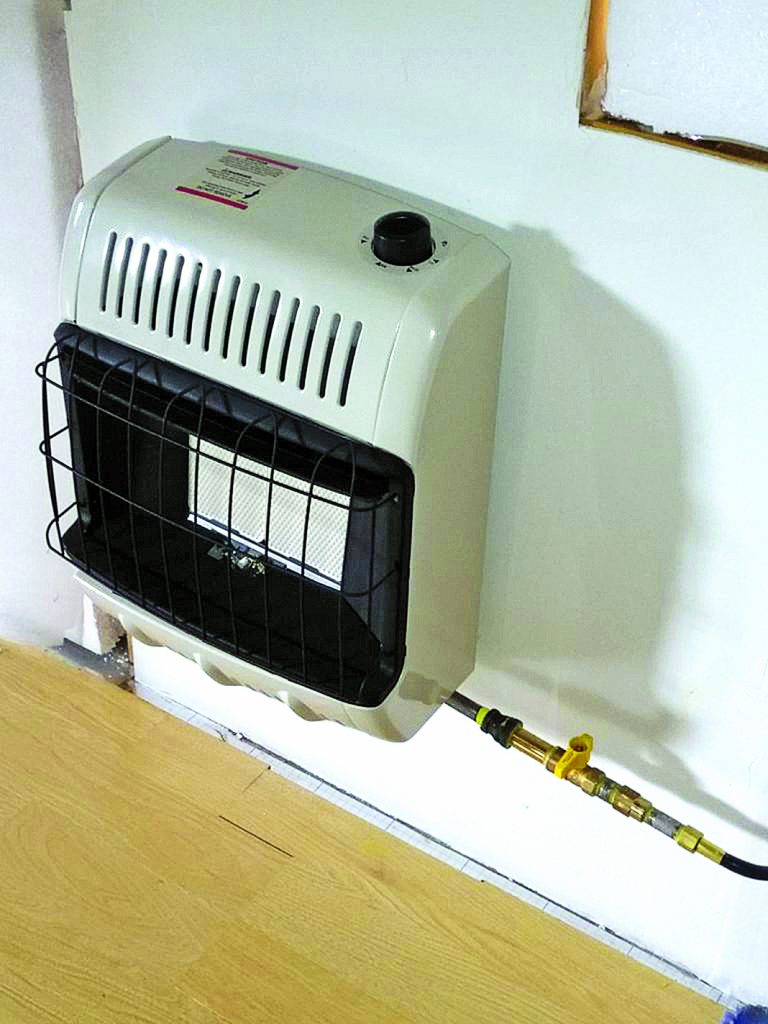
Find the spot where the propane tank will connect. Usually, it is near the bottom or back of the heater. Look for a threaded valve or fitting. This part allows the gas to flow into the heater.
Check the user manual if you cannot find it. The connection point must be clean and free of dirt.
Inspecting The Heater For Compatibility
Check if the heater can work with propane gas. Not all wall heaters accept propane. Some are made for natural gas only. Look for a label or sticker on the heater.
Confirm the heater’s gas type and pressure requirements. Use only parts that match the heater’s specifications. This prevents damage and ensures safe operation.
Turning Off The Heater
Turn off the heater before connecting the propane tank. This stops gas from flowing during setup. Find the main power switch or gas valve.
Switch it off and wait a few minutes. This step reduces the risk of fire or explosion. Safety must come first in every step.
Gathering Necessary Tools And Materials
Before hooking up a propane tank to your wall heater, gather all needed tools and materials. This step ensures a smooth and safe installation. Having everything ready saves time and prevents mistakes.
Wrenches And Fittings
Use adjustable wrenches or a set of open-end wrenches. These help tighten connections without damaging fittings. Make sure fittings match your heater’s specifications. Proper fittings prevent leaks and ensure a secure connection.
Pipe Sealant And Tape
Choose a pipe sealant designed for gas connections. It seals joints and stops leaks. Use Teflon tape on threaded fittings for extra protection. Wrap the tape in the direction of the threads to avoid unraveling.
Safety Equipment
Wear safety glasses to protect your eyes from debris. Use gloves to avoid cuts or burns. Keep a fire extinguisher nearby in case of emergencies. Safety gear keeps you safe during the installation process.
Credit: www.dentalhousecr.com
Connecting The Propane Tank
Connecting the propane tank to your wall heater is a key step for safe and efficient heating. This process needs care and attention to detail. Follow each part carefully to ensure everything fits well and works properly. A good connection prevents leaks and keeps your heater running smoothly.
Attaching The Regulator
Start by attaching the regulator to the propane tank valve. The regulator controls the gas flow from the tank to the heater. Screw the regulator onto the tank valve by hand. Make sure it fits tightly but do not force it. A loose regulator can cause gas leaks and be dangerous.
Securing The Hose
Next, connect the hose between the regulator and the heater. Check the hose for any cracks or damage before attaching. Push the hose firmly onto the regulator outlet. Use a hose clamp to secure it in place. Tighten the clamp so the hose does not slip off during use.
Tightening Connections Properly
Check all connections for tightness using a wrench. Avoid over-tightening, as this can damage fittings. Use soapy water on connections to test for leaks. Bubbles mean gas is escaping and connections need adjusting. Make sure every joint is secure before turning on the heater.
Checking For Leaks
Checking for leaks is a critical step after connecting a propane tank to a wall heater. It ensures safety and prevents dangerous gas buildup. Leaks can cause fires or explosions if not detected early. Always perform a leak check before turning on the heater. This step protects your home and family from harm.
Using Soapy Water Test
Mix water with a small amount of liquid soap in a spray bottle. Spray the soapy water on all connections and joints of the propane tank and heater. Look closely for bubbles forming at the sprayed areas. Bubbles indicate escaping gas, showing a leak. This test is simple, safe, and effective.
Recognizing Signs Of Leaks
You might notice a strong smell like rotten eggs near the heater. This odor comes from the added odorant in propane. Listen for a hissing sound near connections. Watch for dead plants or unusual moisture near the tank. These signs often point to a gas leak. Never ignore these warnings.
Steps To Take If Leaks Are Found
Turn off the propane tank valve immediately. Avoid using any electrical switches or open flames nearby. Tighten all connections and repeat the soapy water test. If bubbles still appear, call a professional technician. Do not try to fix major leaks yourself. Safety must come first in all cases.

Credit: www.youtube.com
Operating The Wall Heater Safely
Operating a wall heater safely is important for your comfort and health. Understanding how to start, adjust, and maintain the heater helps prevent accidents. Follow simple steps to keep your propane heater working well and your home safe.
Starting The Heater
First, check the propane tank connection for leaks. Turn the gas valve slowly to open it. Use the heater’s ignition switch or a match to light the pilot light. Watch the flame closely. If it does not stay lit, turn off the gas and wait before trying again. Always follow the manufacturer’s instructions for lighting the heater.
Adjusting Flame And Temperature
Adjust the flame to get the right heat level. A blue flame means the heater burns cleanly. If the flame is yellow or orange, it may need service. Use the temperature control knob to set your desired warmth. Avoid setting the heat too high to save fuel and reduce risks.
Regular Maintenance Tips
Check the heater and propane tank regularly for damage. Clean dust and dirt from vents and burners to keep air flowing. Replace parts like filters and pilot lights as needed. Schedule professional inspections once a year to ensure safety and efficiency. Proper care extends the heater’s life and keeps your home safe.
Common Issues And Troubleshooting
Connecting a propane tank to a wall heater can be simple. Still, some common issues may arise. Knowing how to spot and fix these problems helps keep your heater safe and working well. Here are key problems and easy ways to troubleshoot them.
Ignition Problems
The heater may fail to light at times. This usually happens if the pilot light is out. Check if the pilot light is clean and clear of dirt. Dirt or dust can stop the flame. Also, ensure the propane valve is fully open.
Sometimes, the igniter may be faulty. Press the ignition button several times to spark the flame. If it does not light, the igniter could need replacement. Always turn off the gas before checking or fixing the igniter.
Unusual Odors Or Flames
Smelling gas near the heater is a serious sign. It may mean a leak or poor connection. Stop using the heater immediately. Check all connections for tightness and signs of wear.
Flames should be steady and blue. Yellow or flickering flames can mean a problem. This may be caused by dirty burners or low oxygen supply. Clean the burner or improve ventilation to fix this.
When To Call A Professional
Some issues need expert care. If you smell gas and cannot find the leak, call a professional. Also, avoid fixing broken valves or regulators by yourself.
Regular maintenance checks by a qualified technician keep your heater safe. They can spot hidden problems early. Always trust experts for complex repairs and safety checks.
Frequently Asked Questions
How Do I Safely Connect A Propane Tank To A Wall Heater?
First, turn off the heater and propane tank valve. Attach the regulator to the tank. Connect the hose securely to the heater’s inlet. Check for leaks using soapy water.
What Tools Are Needed To Hook Up A Propane Tank?
You will need a wrench, pipe thread tape, and a soapy water solution. These help ensure tight, leak-free connections. Keep a flashlight nearby for better visibility.
How Can I Check For Propane Leaks After Hookup?
Apply soapy water to all connections. Look for bubbles forming, which show leaks. Never use a flame to check for leaks.
How Often Should I Inspect The Propane Tank And Heater Connection?
Inspect before each use and monthly during heavy use. Look for cracks, rust, or loose fittings. Regular checks keep your setup safe.
Can I Use Any Propane Tank With My Wall Heater?
Use a propane tank that matches the heater’s specifications. Check the heater manual for size and pressure requirements. Using the wrong tank can be dangerous.
Conclusion
Connecting a propane tank to a wall heater can keep your space warm and cozy. Always check for leaks and use the right tools for safety. Follow the steps carefully to avoid any problems. Regularly inspect the connections to ensure they stay secure.
Taking these simple actions helps your heater work well all winter. Stay safe and enjoy the warmth your heater provides. Simple care makes a big difference.