Are you thinking about using a ventless propane heater to keep your space warm and cozy? Before you make that choice, it’s important to understand the hidden dangers these heaters can bring into your home.
What seems like a simple and convenient solution might actually put your health and safety at serious risk. You’ll discover the key risks you need to watch out for and learn how to protect yourself and your loved ones. Keep reading—your safety depends on it.
Credit: openourroads.org
How Ventless Propane Heaters Work
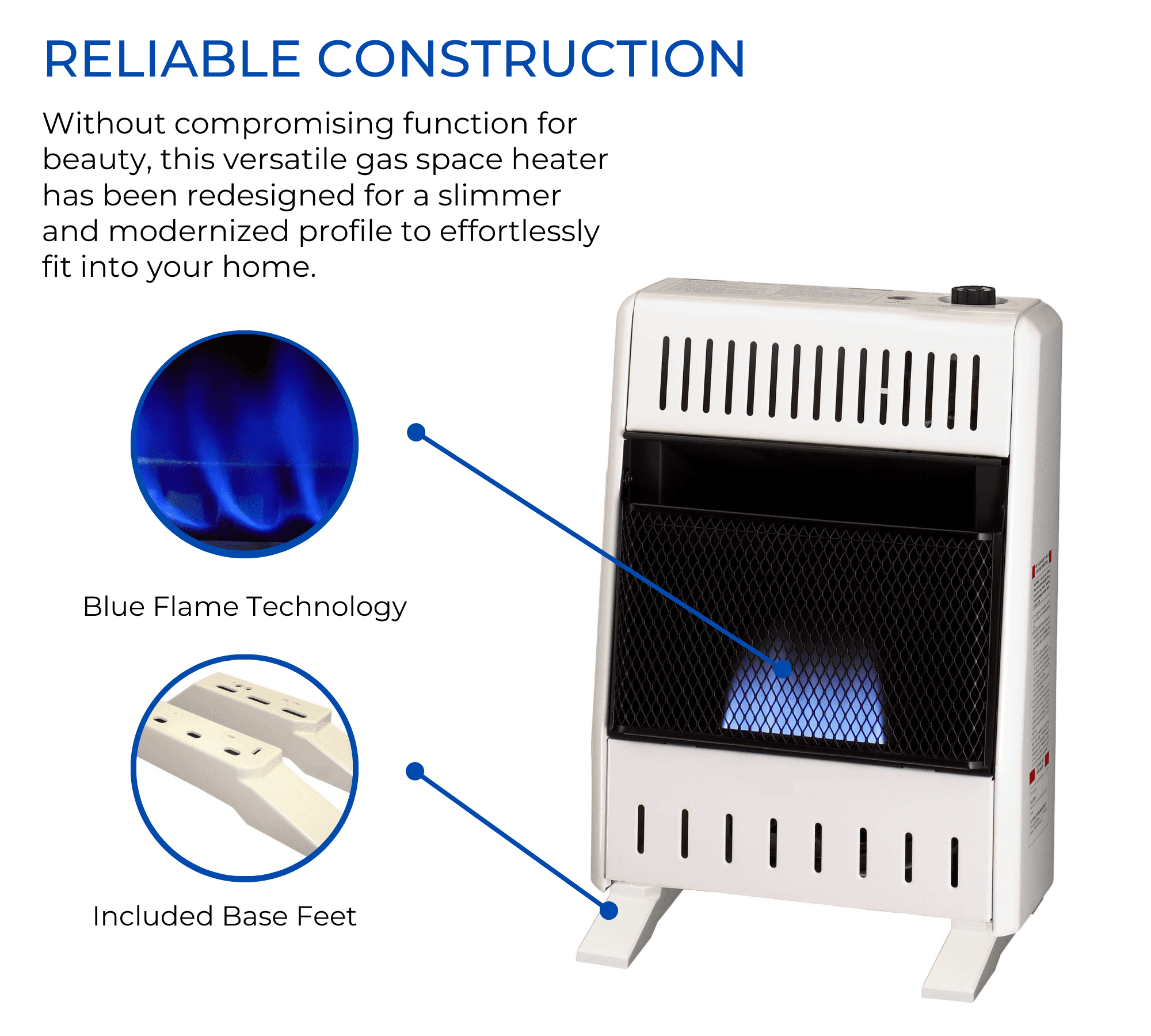
Ventless propane heaters provide warmth without the need for a vent or chimney. They burn propane gas directly in the room. This process heats the air quickly and efficiently. Understanding how these heaters work is key to knowing their risks and benefits.
Basic Operation
Ventless propane heaters use propane gas as fuel. The gas flows through a burner inside the heater. When ignited, it creates a flame that heats the surrounding air. The heater releases warm air into the room. It also releases small amounts of water vapor and carbon dioxide. No vent or chimney is needed to carry these byproducts outside.
Common Uses
These heaters are often used in small spaces. They work well in cabins, garages, and workshops. They are popular where quick heat is needed without complex installation. People use them as a secondary heat source or during power outages. Their portability allows easy movement from room to room.
Carbon Monoxide Hazards
Carbon monoxide is a silent danger linked to ventless propane heaters. This gas is colorless and odorless, making it hard to detect. It can build up quickly in closed spaces without proper ventilation. Exposure to carbon monoxide can cause serious health problems and even death. Understanding the risks is crucial for safety.
Sources Of Carbon Monoxide
Ventless propane heaters produce carbon monoxide during combustion. Incomplete burning of propane creates this harmful gas. Poor ventilation traps the gas inside rooms. Other sources include gas stoves and fireplaces. All these sources add to indoor carbon monoxide levels.
Symptoms Of Exposure
Early signs include headaches, dizziness, and nausea. People may feel weak or confused. High exposure causes loss of consciousness and can be fatal. Symptoms often resemble the flu but without a fever. Immediate action is vital if symptoms appear.
Indoor Air Quality Issues
Ventless propane heaters can cause serious indoor air quality problems. These heaters burn fuel without venting outside. This means harmful gases and moisture stay inside your home. Poor air quality can lead to health issues and discomfort.
Oxygen Depletion
Ventless propane heaters use oxygen from the room to burn fuel. This lowers the oxygen level in the air. Low oxygen can make you feel dizzy, tired, or short of breath. Small spaces with poor ventilation are especially risky. Lack of fresh air may cause headaches and worsen breathing problems.
Moisture And Mold Risks
These heaters release water vapor as a byproduct of burning propane. Excess moisture builds up on walls, ceilings, and floors. This creates a perfect place for mold and mildew to grow. Mold spores can cause allergies and respiratory problems. Moist environments also damage paint and wood over time.
Fire And Explosion Risks
Ventless propane heaters offer warmth without needing a chimney or vent. But they carry serious fire and explosion risks. Propane is highly flammable. Even a small leak can lead to a dangerous situation.
Understanding these risks helps keep your home safe. Proper use and care reduce chances of accidents. Knowing the dangers of fuel leaks and safe storage is essential.
Fuel Leaks And Accidents
Fuel leaks are a common cause of fires and explosions with propane heaters. A small crack or loose connection can release propane gas. This gas mixes with air and can ignite from a spark or flame.
Accidental leaks often happen during heater operation or refilling. Poor maintenance or damaged parts increase leak risks. Regular checks for smells or hissing sounds are vital. Immediate action stops potential fires.
Proper Storage And Handling
Storing propane tanks correctly reduces fire and explosion chances. Tanks should be kept outdoors in a cool, ventilated area. Avoid storing near heat sources or open flames.
Handling tanks with care is crucial. Always follow instructions for filling and moving tanks. Rough handling can cause damage and leaks. Proper storage and handling protect your home and family.
Safety Precautions To Follow
Using ventless propane heaters can be risky without the right safety steps. These heaters release gases inside your home, which can harm your health. Taking safety measures helps keep you and your family safe. Follow these simple but important precautions to reduce dangers.
Ventilation Tips
Always keep a window or door slightly open when using a ventless propane heater. This allows fresh air to enter and harmful gases to leave. Avoid closing off the room completely. Place the heater in a space with good airflow. Proper ventilation lowers the chance of dangerous gas buildup.
Carbon Monoxide Detectors
Install carbon monoxide detectors near the heater and sleeping areas. These devices alert you if carbon monoxide levels rise. Check batteries regularly and replace them as needed. Do not ignore any alarms. Early warnings can prevent serious health problems or death.
Regular Maintenance
Clean and inspect your propane heater often. Look for cracks or damage in the unit and gas lines. Have a professional check the heater every year. Well-maintained heaters work safely and use fuel efficiently. Do not try to fix gas leaks or broken parts yourself.
Credit: inderindia.com
Legal And Regulatory Considerations
Understanding the legal and regulatory rules for ventless propane heaters is very important. These heaters can pose safety risks if not used properly. Laws help protect people from dangers like carbon monoxide poisoning and fire. Before buying or using one, know what the rules say. This ensures safety and avoids fines or penalties.
Local Codes And Restrictions
Local governments often have specific rules for ventless propane heaters. These rules can vary by city or state. Some places may ban these heaters in homes or rental buildings. Others may require special permits or inspections. Checking local codes before installation is critical. This helps avoid legal trouble and keeps your home safe. Always contact your local building or fire department for guidance.
Manufacturer Guidelines
Heater manufacturers provide clear instructions on safe use and installation. Following these guidelines is not optional. Ignoring them can cause accidents or void warranties. The instructions cover ventilation, placement, and fuel use. Using the heater exactly as the manual says reduces risks. Always keep the manual handy and review it before use.
Safer Heating Alternatives
Choosing the right heating method is important for safety and comfort. Ventless propane heaters can cause health risks due to poor air quality. There are safer options that protect your home and family. These alternatives reduce dangers and keep indoor air clean.
Ventilated Propane Heaters
Ventilated propane heaters have a vent pipe to move gases outside. This stops harmful fumes from building up indoors. They provide warmth without polluting your air. These heaters need proper installation and regular checks. Vent pipes must stay clear to work well. They are safer than ventless models but require space for venting.
Electric Heating Options
Electric heaters do not burn fuel, so they do not produce fumes. This makes them very safe to use inside. Options include space heaters, baseboard heaters, and infrared models. They offer quick heat and easy control. Electric heaters need power outlets and may increase electricity bills. They work well in small rooms or as extra heat sources.

Credit: www.astorianhotels.com
Frequently Asked Questions
What Are The Main Dangers Of Ventless Propane Heaters?
Ventless propane heaters can produce carbon monoxide, a harmful gas. They also increase moisture, which can cause mold and damage walls.
How Does Carbon Monoxide Affect Health From These Heaters?
Carbon monoxide can cause headaches, dizziness, and nausea. High levels can lead to unconsciousness or even death.
Can Ventless Propane Heaters Cause Fires?
Yes, improper use or placement near flammable materials can start fires. Always keep them away from curtains and furniture.
Why Is Moisture Buildup A Problem With Ventless Heaters?
These heaters release water vapor, raising indoor humidity. Too much moisture can cause mold growth and damage to your home.
Are Ventless Propane Heaters Safe To Use Indoors?
They are not the safest choice for indoor use without proper ventilation. Using them in small, closed rooms increases health risks.
Conclusion
Ventless propane heaters can warm rooms quickly but carry risks. They produce gases like carbon monoxide that harm health. Proper ventilation is crucial for safety. Never leave these heaters unattended or use them in small, closed spaces. Regular maintenance helps prevent dangerous leaks.
Choose safer heating options when possible. Stay informed and protect yourself and your family from hazards. Safety should always come first with any heating device.