Are you worried about the safety of your baseboard heaters? You’re not alone.
Many people wonder if these heaters are a risk in their homes, especially when kids or pets are around. What if your heater could keep you warm without causing any danger? You’ll discover the truth about baseboard heater safety, learn simple tips to protect your home, and find out how to enjoy cozy warmth with peace of mind.
Keep reading—your comfort and safety depend on it.
Credit: philipsteinberglaw.com
How Baseboard Heaters Work
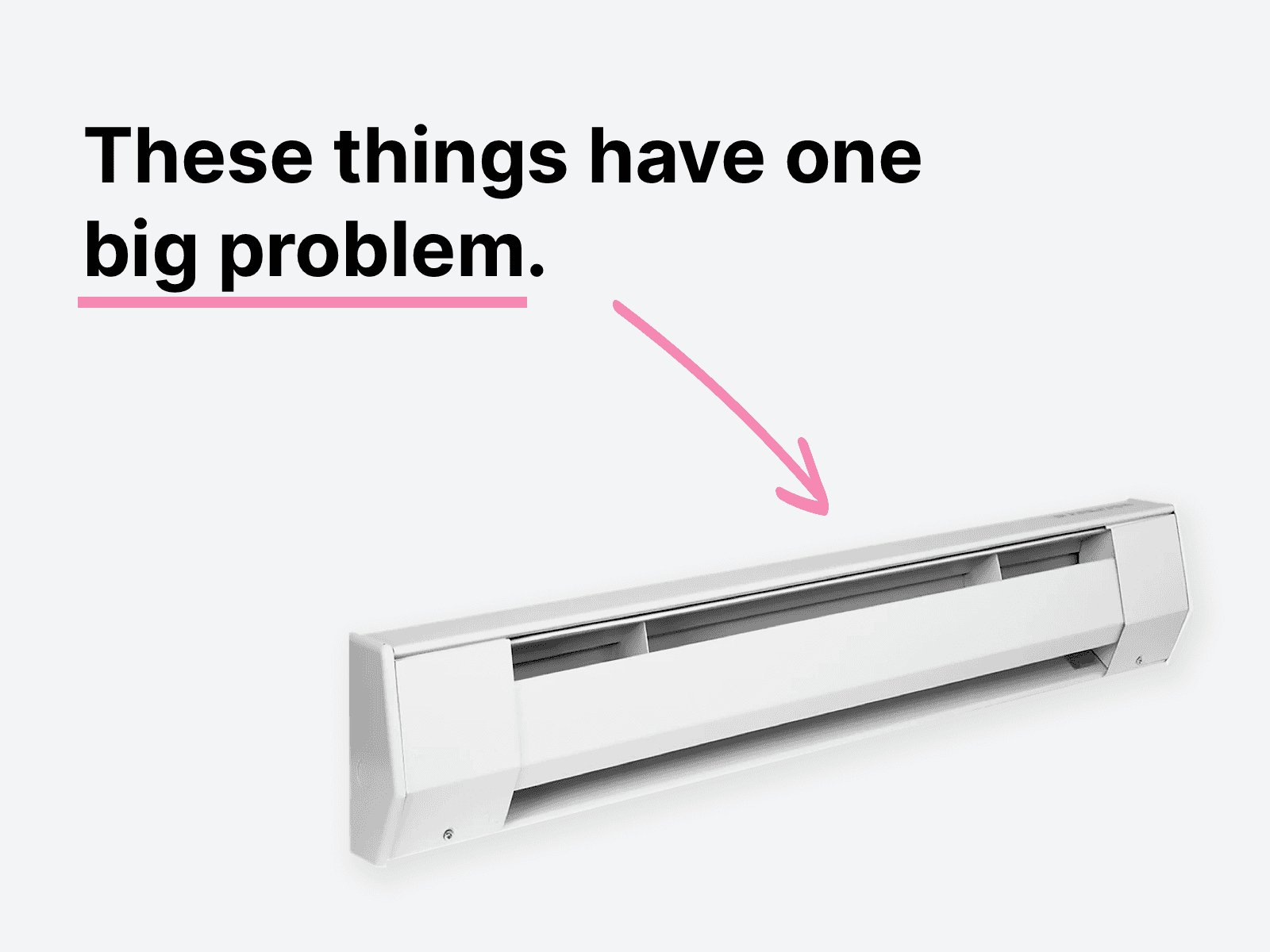
Baseboard heaters provide warmth quietly and efficiently. They work by heating the air close to the floor, letting warm air rise naturally. This process creates a gentle flow of heat that spreads through the room.
These heaters are usually installed along the base of walls. Their design helps save space and keeps the room looking neat. Understanding how they work helps you decide if they are safe for your home.
Types Of Baseboard Heaters
There are mainly two types of baseboard heaters: electric and hydronic. Electric baseboard heaters use electric resistance to produce heat. They heat metal fins inside the unit that warm the air.
Hydronic baseboard heaters use hot water or oil inside pipes to generate heat. A boiler heats the liquid, which flows through the pipes in the heater. This type feels warmer and stays hot longer after turning off.
Heat Distribution Methods
Baseboard heaters use convection to spread warmth. The heater warms the air near the floor. Warm air rises naturally, pushing cooler air down to be heated.
This cycle creates a steady flow of warm air throughout the room. The heat spreads evenly without blowing air or dust. This method keeps the room comfortable and quiet.
:max_bytes(150000):strip_icc()/electric-baseboard-heaters-overview-1821912-hero-aed6bc289ef6432fb17d8fe984eb85fc.jpg)
Credit: www.thespruce.com
Common Safety Risks
Baseboard heaters are common in many homes. They provide steady warmth but come with some safety risks. Knowing these risks helps keep your home safe and warm.
Fire Hazards
Baseboard heaters get very hot during use. Placing flammable items close can cause fires. Curtains, furniture, and papers must stay away. Dust buildup inside the heater can also ignite. Regular cleaning reduces this risk greatly.
Electric Shock Risks
Electric baseboard heaters carry voltage. Damaged cords or exposed wires increase shock chances. Do not touch the heater with wet hands. Always ensure the heater is properly installed. Avoid DIY electrical repairs to stay safe.
Overheating Concerns
Overheating can damage the heater and walls. Poor ventilation or blocked airflow causes heat buildup. Keep the heater area clear and ventilated. Modern heaters often have safety shutoffs to prevent this issue.
Installation Best Practices
Installing baseboard heaters correctly is key to their safety and efficiency. Proper installation helps avoid fire hazards and ensures even heat distribution. Follow these best practices to keep your home safe and warm.
Proper Placement
Place baseboard heaters along exterior walls. This placement helps block cold drafts and warms the room better. Keep heaters away from furniture, curtains, and other flammable items. Leave at least 12 inches of clearance above the heater for safety.
Electrical Requirements
Check your home’s electrical system before installing a baseboard heater. Make sure the circuit can handle the heater’s power needs. Use the correct wire size and breaker rating to prevent overheating. Follow local electrical codes and regulations strictly.
Professional Vs Diy Installation
Hiring a professional ensures safe and code-compliant installation. Experts know how to handle electrical connections and proper placement. DIY installation saves money but may risk mistakes. Incorrect wiring or placement can cause hazards and reduce heater efficiency.
Daily Usage Safety Tips
Using baseboard heaters daily requires simple safety steps. These steps help keep your home safe and warm. Small actions make a big difference. Follow easy tips to avoid accidents and damage.
Keeping Flammable Items Away
Keep curtains, paper, and clothes far from heaters. Flammable items can catch fire quickly near heat. Leave at least three feet of space around the heater. This space acts as a safe barrier.
Avoiding Blockages
Do not cover or block the heater with furniture or objects. Blockages stop heat from spreading properly. They also cause the heater to overheat. Keep the area clear for better warmth and safety.
Regular Inspection
Check your baseboard heater often for dust and damage. Dust buildup can cause fires. Look for cracks, loose wires, or strange smells. Fix problems right away or call a professional. Regular checks keep your heater safe and working well.
Maintenance And Troubleshooting
Baseboard heaters need regular care to work safely and well. Proper maintenance helps avoid problems and keeps your home warm. Troubleshooting small issues can save time and money. Understanding basic steps makes your heater last longer.
Cleaning Procedures
Turn off the heater before cleaning. Use a soft brush or vacuum to remove dust. Clean the fins gently to avoid damage. Wipe the outside with a damp cloth. Keep the area around the heater clear of dust and objects. Regular cleaning prevents overheating and fire risks.
Identifying Malfunctions
Watch for strange noises or smells from the heater. Check if the heater is not warming the room properly. Look for visible damage or loose wires. A heater that keeps turning off may have an internal problem. Notice any unusual sounds like buzzing or popping. Early signs help fix issues before they get worse.
When To Call A Technician
Call a professional if the heater does not turn on. Seek help for electrical smells or sparks. If the heater overheats or trips the breaker, get expert advice. Avoid fixing wiring or internal parts yourself. A technician ensures safe and proper repairs. Regular check-ups keep your heater in good shape.
Energy Efficiency And Safety
Energy efficiency and safety are key when using baseboard heaters. These heaters can warm a room effectively but may waste energy if not controlled properly. Safety is also important because these devices get very hot. Careful management helps keep your home safe and your energy bills low.
Thermostat Settings
Setting the thermostat correctly saves energy and prevents overheating. Keep the temperature moderate to avoid high power use. Lower the heat when no one is home. This simple step reduces energy waste and keeps your heater safe.
Using Timers And Sensors
Timers turn the heater on and off automatically. This stops it from running all day. Sensors can detect room temperature and adjust the heat. They prevent overheating and save energy by heating only when needed.
Upgrading To Safer Models
Newer baseboard heaters have better safety features. Some models have cool-touch surfaces to prevent burns. Others include automatic shut-off if overheating occurs. Upgrading can improve safety and reduce energy costs over time.
Child And Pet Safety Around Heaters
Baseboard heaters can get very hot. This heat can be dangerous for children and pets. They may touch the heater without knowing the risk. It is important to keep kids and pets safe around these heaters.
Taking steps to protect little hands and paws helps prevent burns and injuries. Safety measures create a secure home environment for everyone.
Protective Barriers
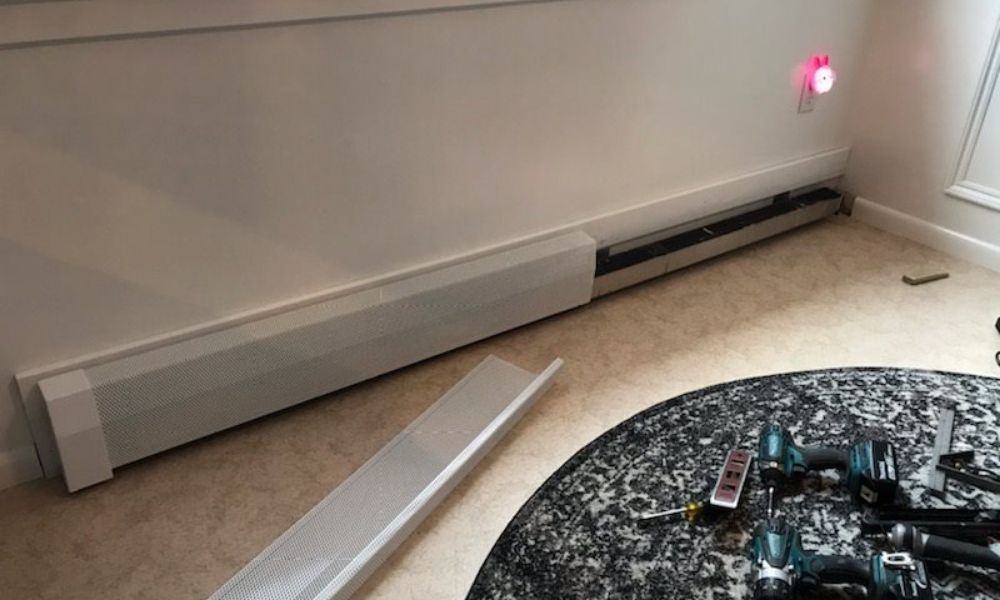
Use protective barriers around baseboard heaters. Barriers stop direct contact with hot surfaces. They can be metal guards or heat-resistant screens.
Barriers must fit tightly to the heater area. This prevents children and pets from slipping through. Barriers also keep toys and objects away from heaters.
Supervision Guidelines
Always watch children and pets near baseboard heaters. Never leave them alone in rooms with active heaters. Close supervision lowers the chance of accidents.
Teach children not to touch heaters. Explain the danger of hot surfaces in simple words. For pets, restrict access to rooms with heaters if possible.
Credit: ezsnapcovers.com
Frequently Asked Questions
Are Baseboard Heaters A Fire Hazard?
Baseboard heaters are safe if used correctly and kept clear of flammable items. Avoid placing furniture or curtains too close to prevent fire risks.
How Do Baseboard Heaters Prevent Overheating?
Most baseboard heaters have built-in safety features like automatic shut-off. These features stop the heater if it gets too hot.
Can Baseboard Heaters Cause Carbon Monoxide Poisoning?
Electric baseboard heaters do not produce carbon monoxide. They are safer than gas heaters in this regard.
What Safety Tips Should I Follow With Baseboard Heaters?
Keep the heater area clean and free of clutter. Do not use extension cords or cover the heater.
Are Baseboard Heaters Safe For Homes With Children Or Pets?
Yes, but supervision is important. Teach children not to touch the heater, and keep pets away to avoid burns.
Conclusion
Baseboard heaters can be safe when used correctly. Keep them clean and clear of objects. Avoid covering or blocking the heater’s surface. Regular checks help spot any problems early. Follow the manufacturer’s instructions every time. This helps prevent accidents and keeps your home warm.
Safety is simple with a little care. Choose quality heaters and install them properly. Your comfort and safety come first, always.