
Choosing the right heating system for your home can feel overwhelming. You want comfort, efficiency, and a solution that fits your lifestyle.
When deciding between an electric baseboard heater and forced air heating, understanding the key differences is crucial. This choice affects not just your comfort but also your energy bills and air quality. Keep reading to discover which option suits your needs best and helps you create a warm, cozy space without unnecessary costs or hassle.
Electric Baseboard Heater Basics
Electric baseboard heaters offer a simple way to heat rooms. They are common in homes without central heating. These heaters provide steady warmth by using electricity to warm metal fins inside the unit. Understanding how they work helps you choose the right heating system for your home.
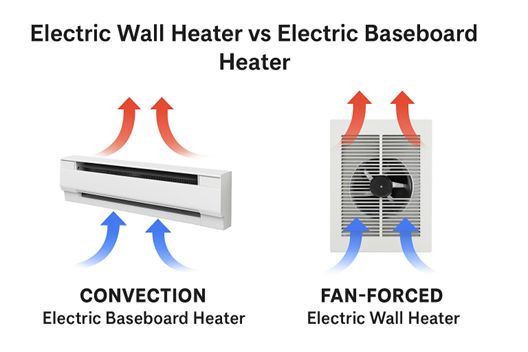
Baseboard heaters do not use fans or ducts. They rely on natural convection to spread heat evenly. This makes them quiet and low maintenance. Let’s explore the basics of electric baseboard heaters, including how they work, installation, and energy use.
How They Work
Electric baseboard heaters use electric coils to generate heat. The coils warm metal fins attached to them. Warm air rises from these fins and heats the room. Cooler air moves in at the bottom to replace the warm air. This cycle continues and heats the space naturally.
No fans or blowers are needed. The heat moves through the room quietly and gently. This method is effective for small to medium-sized rooms.
Installation Process
Installing an electric baseboard heater is straightforward. The unit mounts along the base of a wall. It needs a dedicated electrical circuit for safety. A professional electrician should handle the wiring. The heater connects directly to your home’s power supply.
Placement matters. Choose a spot under windows or near cold walls. This helps reduce cold drafts. Installation takes less time compared to forced air systems.
Energy Efficiency
Electric baseboard heaters convert almost all electricity into heat. This makes them very efficient in energy use. No energy is lost through ductwork or vents. Each unit heats only the room it is in. This allows for zone heating and reduces wasted energy.
Efficiency depends on insulation and thermostat settings. Proper use can keep energy bills reasonable. They are a good option for homes without central heating systems.
Credit: www.warmlyyours.com
Forced Air System Essentials
Forced air heating systems are common in many homes. They use air to spread warmth quickly across rooms. These systems can also cool your home if linked to an air conditioner. Understanding how they work helps you decide if they suit your needs.
Forced air systems rely on several key parts. These parts must work together well to keep your home comfortable. Knowing these essentials can help you maintain your system better.
Mechanism Of Operation
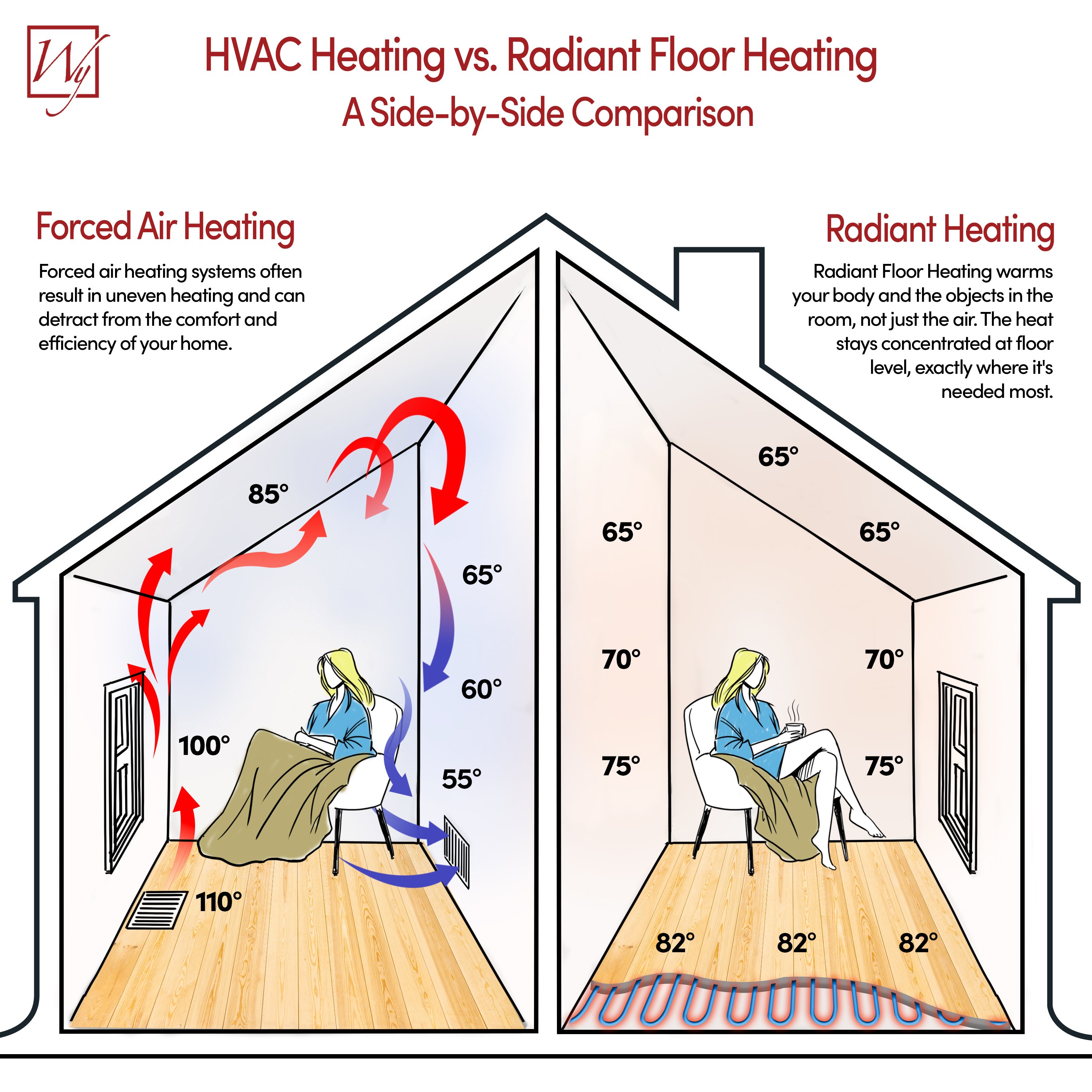
Forced air systems heat air in a furnace. A blower then pushes warm air through ducts. The warm air exits through vents in each room. The cooler air returns to the furnace to be heated again. This cycle repeats to keep your home warm.
Ductwork And Vents
Ducts carry warm air from the furnace to rooms. They are hidden inside walls, floors, or ceilings. Vents release the warm air into living spaces. Clean ducts and vents help the system work efficiently. Blocked or leaky ducts reduce heat delivery and waste energy.
Energy Consumption
Forced air systems use electricity or gas to run. The furnace heats the air, which needs fuel or power. Energy use depends on system size and home insulation. Regular maintenance improves energy efficiency. Well-maintained systems cost less to operate and last longer.
Cost Comparison
Choosing between an electric baseboard heater and forced air depends much on cost. Understanding costs helps you pick the best heating option. This section breaks down the main costs involved.
Initial Investment
Electric baseboard heaters cost less to buy and install. They are simple devices and need no ductwork. Forced air systems need more parts and work. This makes their initial price higher. Installation for forced air also takes more time and skill. This adds to the upfront cost.
Maintenance Expenses
Electric baseboard heaters require very little upkeep. There are no filters or fans to clean. Forced air systems need regular filter changes. Fans and ducts must be checked for dust and leaks. These tasks add to yearly maintenance bills. Electric baseboards save money on these chores.
Long-term Savings
Electric baseboard heaters use electricity directly. This can mean higher energy bills over time. Forced air systems can use gas or heat pumps. These options may cost less to run. Yet, forced air systems lose heat through ducts. This reduces their efficiency. Consider fuel prices and home size for true savings.
Comfort And Air Quality
Comfort and air quality are key factors in choosing a heating system. Your home’s warmth affects how relaxed you feel. The air you breathe impacts your health every day. Both electric baseboard heaters and forced air systems offer different experiences in these areas. Understanding their differences helps you pick the best option for your needs.
Heat Distribution
Electric baseboard heaters provide steady heat along walls. The warmth rises gently and spreads evenly across the room. This creates a cozy, consistent temperature without cold spots. Forced air systems blow warm air through vents. This can heat rooms quickly but may cause uneven temperatures. Some spots get hot while others stay cooler. Baseboard heaters offer smoother heat for better comfort.
Impact On Indoor Air
Forced air systems move air around the house. This can stir up dust, pollen, and allergens. People with allergies may feel discomfort or irritation. Baseboard heaters work silently without moving air. They keep dust and allergens settled. This helps maintain cleaner indoor air. Baseboard heating is better for those sensitive to air quality.
Noise Levels
Electric baseboard heaters operate quietly. They produce almost no sound during use. Forced air systems create noise from fans and ducts. This can be distracting, especially at night. Quiet heating allows better sleep and relaxation. Baseboard heaters offer a peaceful environment with warmth.
Installation Flexibility
Choosing between an electric baseboard heater and forced air depends a lot on installation flexibility. How and where you install a heating system affects comfort and cost. Both systems offer different options that fit various home layouts and needs. Understanding these differences helps pick the right solution.
Space Requirements
Electric baseboard heaters take up very little space. They install along the base of walls, leaving floors clear. Forced air systems need larger areas. They require ducts and vents in ceilings or floors. These ducts can reduce usable space and may need drop ceilings or wall modifications.
Retrofitting Options
Electric baseboard heaters are easy to add to older homes. They need minimal changes to walls and no ducts. Forced air heating can be tough to retrofit. Installing ductwork in existing walls or floors is complex and costly. This makes baseboard heating a simpler choice for upgrades.
Aesthetic Considerations
Baseboard heaters have a low profile and blend with walls. They come in simple designs and colors. Forced air vents can be larger and more visible. They may interrupt room decor and wall space. Choosing a system depends on how much you mind visible heating equipment.
Environmental Impact
Choosing between electric baseboard heaters and forced air systems affects the environment. Understanding their impact helps make a better choice. Both systems use energy differently, which changes their effect on the planet.
Carbon Footprint
Electric baseboard heaters run on electricity. Their carbon footprint depends on how the electricity is made. If it comes from renewable sources, the footprint is low. If from coal or gas, it is higher.
Forced air heaters often use natural gas or oil. These fuels release more carbon dioxide. This increases their carbon footprint. Electric systems can be cleaner if paired with green energy.
Sustainability Factors
Baseboard heaters last long and need little maintenance. They do not blow dust or allergens. This can improve indoor air quality.
Forced air systems require filters and ducts. Duct leaks waste energy and reduce efficiency. Regular maintenance is important for sustainability.
Choosing electric baseboard heaters with renewable energy makes heating more sustainable. Forced air systems with efficient fuel use also help reduce environmental harm.
Choosing Based On Climate
Choosing the right heating system depends a lot on your local climate. Different systems work better in different weather conditions. This section helps you decide between electric baseboard heaters and forced air systems based on where you live.
Cold Regions
In cold regions, heating needs are high. Forced air systems heat spaces quickly by blowing warm air. They can warm large areas fast, which is useful in freezing temperatures.
Electric baseboard heaters provide steady, quiet heat. They work well in smaller rooms or zones. These heaters keep the room warm without drying the air.
Forced air systems also allow air conditioning, which is good for summer. But they may lose heat through ducts in very cold weather. Baseboard heaters avoid this issue by heating directly in the room.
Mild Climates
Mild climates need less intense heating. Electric baseboard heaters suit these areas well. They offer easy control and save energy by heating only occupied rooms.
Forced air systems might be more than needed. They use more energy and can dry out the air. Baseboard heaters provide gentle warmth, perfect for mild winters.
Homeowners in mild climates often prefer baseboards for comfort and cost savings. The system’s simplicity reduces maintenance needs.
Safety And Maintenance
Safety and maintenance are key factors when choosing between electric baseboard heaters and forced air systems. Both types need care to work well and keep your home safe. Understanding common problems, safety tips, and routine care helps you make a smart choice.
Common Issues
Electric baseboard heaters can overheat if blocked by furniture or curtains. Dust buildup may cause them to work less efficiently. Forced air systems often face clogged filters and duct leaks. These issues lower air quality and increase energy use. Regular checks help spot problems early.
Safety Tips
Keep space around electric baseboard heaters clear. Avoid placing flammable items near them. For forced air, change filters on time to prevent dust and allergens. Make sure ducts are sealed to stop air leaks. Always turn off heaters before cleaning or repairs.
Routine Care
Clean electric baseboard heaters by gently dusting them each month. Check for signs of damage or wear. For forced air systems, replace filters every 1 to 3 months. Schedule annual inspections to clean ducts and check the blower. Proper care extends heater life and saves money.
Smart Home Integration
Smart home integration improves how you control your heating system. It lets you manage your home’s temperature easily. Both electric baseboard heaters and forced air systems offer smart features. Understanding these features helps you pick the best system for your home.
Thermostat Compatibility
Electric baseboard heaters work well with simple smart thermostats. These thermostats control temperature by turning heaters on or off. Forced air systems support a wider range of smart thermostats. They can handle complex settings like zoning and humidity control. Choose a thermostat that matches your heating system for best results.
Remote Control Features
Remote control adds comfort and convenience to heating. Many electric baseboard heaters allow basic remote control via apps. You can turn the heater on or off and set temperatures. Forced air systems often offer advanced remote features. These include scheduling, voice control, and energy reports. Remote control helps save energy and keeps your home cozy.
Credit: morelectricheating.com

Credit: www.baseboardheatercovers.com
Frequently Asked Questions
What Is The Main Difference Between Electric Baseboard And Forced Air Heaters?
Electric baseboard heaters warm a room using metal fins heated by electricity. Forced air heaters blow hot air through ducts to heat spaces quickly.
Which Heater Is More Energy-efficient For Home Heating?
Electric baseboard heaters use electricity directly and waste less energy. Forced air systems may lose heat through ducts, lowering overall efficiency.
How Does Installation Cost Compare For Both Heating Systems?
Electric baseboard heaters are cheaper and easier to install. Forced air systems require ducts and vents, making installation more expensive and complex.
Which Heating System Provides Better Temperature Control?
Electric baseboard heaters allow room-by-room temperature control with individual thermostats. Forced air systems usually control the whole house with one thermostat.
Are Electric Baseboard Heaters Safer Than Forced Air Systems?
Electric baseboard heaters have no moving parts and fewer fire risks. Forced air systems use fans and ducts, which need regular cleaning to prevent dust buildup.
Can Forced Air Systems Improve Indoor Air Quality?
Forced air systems can include filters to remove dust and allergens. Electric baseboard heaters do not circulate air and have no air filtering.
Conclusion
Choosing between electric baseboard heaters and forced air depends on your needs. Baseboard heaters offer quiet, direct heat with no ducts. Forced air heats faster and cools too, but can be noisy. Consider your budget, space, and comfort preferences. Energy efficiency varies with each system and your home setup.
Think about maintenance and installation costs as well. Both systems have pros and cons worth weighing. The right choice keeps your home warm and your energy bills low. Take time to decide what fits your lifestyle best.