
When it comes to heating your home, choosing the right system can feel overwhelming. You want something efficient, cost-effective, and easy to use.
Should you go for electric baseboard heaters or invest in a mini split system? Your decision will affect your comfort, energy bills, and even your home’s value. You’ll discover the key differences between these two popular options. By the end, you’ll know exactly which one fits your needs and lifestyle best.
Keep reading to make a smart, confident choice for your home’s heating.
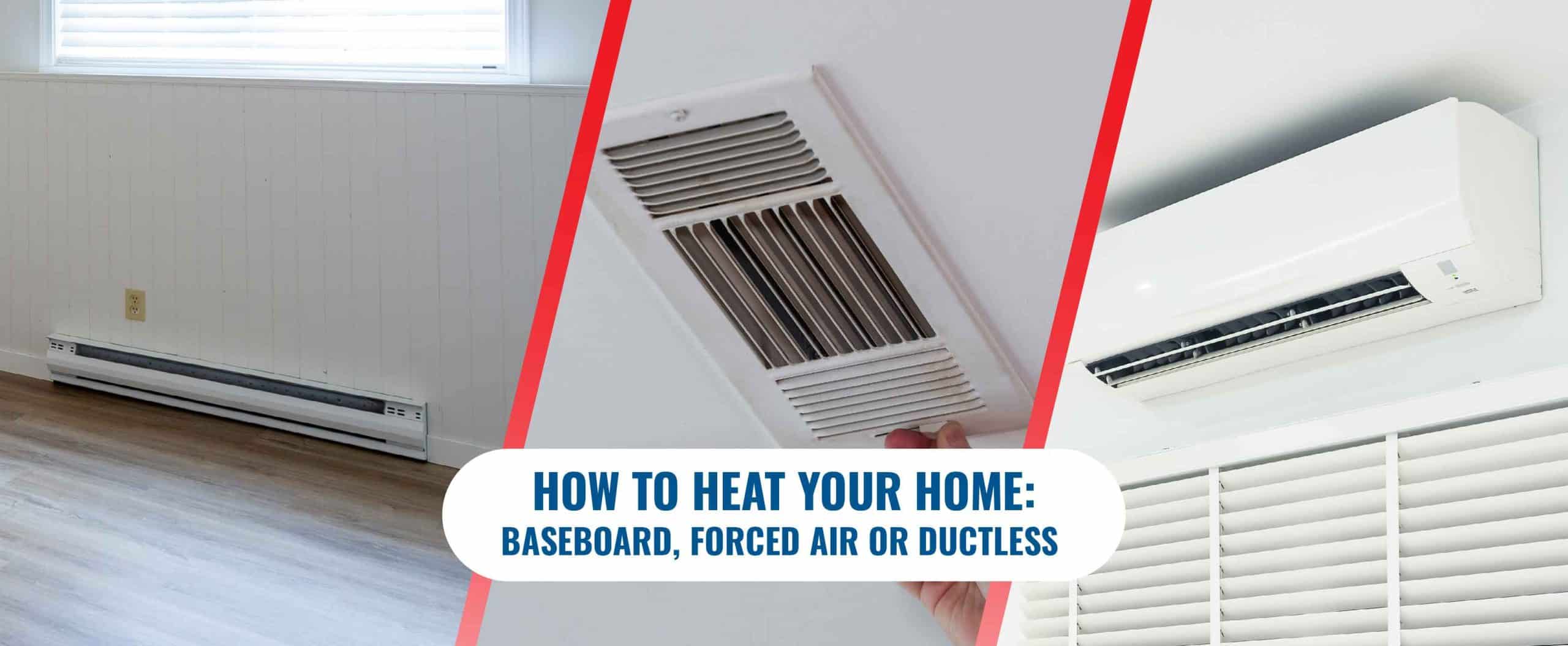
Credit: fahrhall.com
Electric Baseboard Heaters
Electric baseboard heaters provide a simple way to heat individual rooms. These heaters use electricity to warm the air near the floor. Warm air then rises to heat the room evenly. They are common in homes without central heating systems.
How They Work
Electric baseboard heaters have heating elements inside metal fins. When electricity flows through these elements, they get hot. The heat moves to the fins and then to the air. Warm air rises naturally, spreading heat throughout the room.
Installation Process
Installing baseboard heaters is usually simple. They mount along the base of a wall. You need an electrical connection, often from a dedicated circuit. Placement near windows or cold walls helps reduce drafts. No ductwork or major changes to the home are needed.
Energy Efficiency
Baseboard heaters convert almost all electricity into heat. That makes them efficient at using energy. Yet, they heat only the room they are in. This can lead to higher electricity bills if many rooms need heating. Thermostats can help control energy use.
Cost Factors
Baseboard heaters are low-cost to buy and install. They cost less than central heating systems or mini splits upfront. Running costs depend on electricity prices and how often you use them. They work best in small spaces or as supplemental heat.
Maintenance Needs
Maintenance for baseboard heaters is minimal. Occasionally clean the fins to remove dust. Check the electrical connections for safety. No filters or complicated parts need regular replacement. Proper upkeep ensures reliable and safe operation.

Credit: www.lennox.com
Mini Split Systems
Mini split systems offer a modern way to heat and cool homes efficiently. They provide targeted comfort by delivering air directly to specific rooms. These systems are popular for their flexibility and energy efficiency. Understanding how they work helps you decide if they suit your needs.
Basic Operation
Mini split systems use a compressor outside the house. They connect to one or more indoor units through small pipes. The system transfers heat between indoors and outdoors. It heats in winter and cools in summer. Each indoor unit can be controlled separately for comfort.
Installation Requirements
Installing mini splits needs a professional technician. The outdoor unit must be placed on a firm surface. Indoor units mount on walls or ceilings. Small holes connect pipes and electrical wires. No ductwork is needed, which saves space and time.
Energy Savings
Mini splits use less energy than traditional heating. They avoid heat loss common in ducts. The system adjusts power based on room needs. This targeted heating reduces wasted energy. Many models have energy-saving modes to lower bills.
Initial And Running Costs
Mini splits cost more upfront than baseboard heaters. Installation requires professional work and equipment. Running costs are lower due to energy efficiency. Over time, savings on energy bills balance initial expenses. Some models qualify for rebates and tax credits.
Upkeep And Durability
Mini splits require little maintenance. Clean filters regularly to keep air quality good. Outdoor units may need occasional cleaning from debris. Systems generally last 15 to 20 years. Proper care ensures reliable performance and long life.
Comparing Heating Performance
Choosing the right heating system means understanding how well it heats your space. Performance depends on many factors like how heat spreads, how fast it works, noise, and control. Both electric baseboard heaters and mini splits have unique strengths in these areas.
Knowing these differences helps you pick the best fit for your home and comfort needs.
Heat Distribution
Electric baseboard heaters warm the air around them. Heat rises slowly from the baseboard up the walls. This creates warm spots near the heater but cooler areas farther away. Mini splits push warm air through vents. They spread heat evenly across the room. This helps keep the whole space warm at once.
Response Time
Baseboard heaters take time to heat a room. They work by warming objects and air nearby. Mini splits heat quickly. They blow warm air directly into the room. This means mini splits reach the set temperature faster.
Noise Levels
Electric baseboard heaters are quiet. They have no fans or moving parts. Mini splits use a fan to move air. This can cause a low humming sound. Most mini splits are still quiet enough for bedrooms and living rooms.
Temperature Control
Baseboard heaters often have simple thermostats. They turn on and off to keep the temperature steady. Mini splits have advanced controls. They can adjust fan speed and temperature precisely. Some models even have remote controls or smart options.
Energy Consumption And Costs
Energy consumption and costs play a big role in choosing the right heating system. Both electric baseboard heaters and mini split systems use electricity, but their efficiency and cost impact vary. Understanding these differences helps save money and energy over time.
Electricity Usage
Electric baseboard heaters convert electricity directly into heat. They run at 100% efficiency but heat only the room they are in. This can lead to higher energy use in larger homes. Mini split systems use a heat pump to move heat. They use less electricity to produce the same amount of heat. This makes mini splits more energy-efficient, especially for whole-house heating.
Impact On Utility Bills
Baseboard heaters can increase utility bills. They draw continuous power and lack zoning control. Mini splits offer zoning, allowing you to heat only occupied spaces. This reduces electricity use and lowers bills. Over time, mini splits often cost less to run than baseboard heaters.
Potential Rebates And Incentives
Many local and federal programs offer rebates for energy-efficient systems. Mini split installations often qualify for these incentives. Baseboard heaters rarely receive rebates due to lower efficiency. Taking advantage of these programs can reduce the upfront cost of a mini split system. This makes them more affordable and appealing for homeowners.
Installation And Space Considerations
Choosing between electric baseboard heaters and mini split systems means thinking about installation and space. These factors affect how the heater fits your room and how easy it is to set up. Understanding space needs and installation steps helps you pick the right option for your home.
Space Requirements
Electric baseboard heaters need wall space along the floor. They take up room under windows or along walls. Mini splits need space on a wall for the indoor unit and outside for the compressor. The indoor unit is small but must be placed high on a wall. Both systems require clear areas around them for proper airflow.
Aesthetic Impact
Baseboard heaters are visible along the floor and can affect room style. They look like long metal strips and may not blend well with decor. Mini split units have a modern look. The indoor unit is sleek and mounted high, less noticeable. The outdoor unit sits outside and has a boxy shape but can be hidden.
Installation Complexity
Baseboard heaters are simpler to install. They connect to existing electrical wiring and mount on walls. Mini splits require professional installation. They need refrigerant lines between indoor and outdoor units. Installation takes more time and skill but allows for better temperature control and efficiency.
Environmental Impact
Choosing the right heating system affects the environment. Electric baseboard heaters and mini splits differ in their environmental impact. Understanding these differences helps you make a better choice for the planet.
Carbon Footprint
Electric baseboard heaters use electricity directly to produce heat. This means their carbon footprint depends on how electricity is made. In areas using coal or gas, emissions are higher. Mini split systems use electricity more efficiently. They transfer heat instead of creating it from scratch. This reduces energy use and lowers carbon emissions. Mini splits often have a smaller carbon footprint than baseboard heaters.
Sustainability Aspects
Electric baseboard heaters are simple but may not last long. They use more energy, which impacts sustainability negatively. Mini splits are more durable and energy-efficient. They help reduce energy consumption over time. Some mini splits use eco-friendly refrigerants. These refrigerants have less impact on the ozone layer. Choosing a mini split supports sustainable living by saving energy and reducing waste.
Choosing The Right Heater
Choosing the right heater is key for comfort and energy savings. It affects your home’s warmth and your utility bills. Two popular options stand out: electric baseboard heaters and mini split systems. Each has unique features that suit different needs. Understanding these differences helps you pick the best fit for your space.
Assessing Heating Needs
Start by measuring the area you want to heat. Small rooms need less power than large spaces. Think about insulation and window quality. Poor insulation means more heat loss. Electric baseboard heaters work well in small, enclosed rooms. Mini splits handle bigger areas and multiple rooms easily. Consider how quickly you want the room to warm up. Baseboard heaters provide steady, slow heat. Mini splits offer fast, adjustable warmth.
Budget Considerations
Electric baseboard heaters cost less upfront. They are simple to install and require little maintenance. Mini splits have higher initial costs. Installation involves professional setup and outdoor units. Running costs also differ. Baseboard heaters can be costly to run over time. Mini splits use less energy and lower bills. Think about what fits your current budget and future savings.
Long-term Benefits
Mini splits last longer with proper care. They offer cooling in summer and heating in winter. This dual function adds value. Electric baseboard heaters serve only one purpose. Mini splits improve air quality by filtering dust. They maintain steady temperatures for comfort. Baseboard heaters can cause dry air and hot spots. Investing in a mini split may save money on repairs and replacements.
Climate Suitability
Climate plays a big role in heater choice. Mini splits work well in moderate to cold climates. They adjust heat output based on outside temperature. Baseboard heaters suit mild climates or rooms used occasionally. In very cold places, mini splits provide better efficiency. Consider your local weather patterns. Choose a system that fits your climate for best performance.

Credit: www.abbahvac.org
Frequently Asked Questions
What Are The Main Differences Between Baseboard Heaters And Mini Splits?
Baseboard heaters use electric resistance to create heat, while mini splits use a heat pump system. Mini splits can both heat and cool rooms efficiently. Baseboard heaters only provide heat.
Which Heater Type Is More Energy Efficient?
Mini splits are generally more energy efficient because they transfer heat instead of generating it. Baseboard heaters consume more electricity to produce heat. Energy savings can be significant with mini splits.
Can I Install Mini Splits Instead Of Baseboard Heaters?
Yes, mini splits can replace baseboard heaters, but installation is more complex. Mini splits require outdoor units and professional setup. Baseboard heaters are easier to install and need less space.
How Do Baseboard Heaters Affect Indoor Air Quality?
Baseboard heaters do not circulate air, so they do not spread dust or allergens. This makes them good for people with allergies. Mini splits use fans, which can move dust if not cleaned regularly.
Which Heating Option Is Quieter In Operation?
Baseboard heaters operate quietly since they have no fans or moving parts. Mini splits produce some noise from indoor and outdoor units. Quiet operation may matter in bedrooms or study rooms.
What Is The Typical Cost Difference Between These Two Systems?
Baseboard heaters are usually cheaper to buy and install. Mini splits have higher upfront costs but lower operating costs over time. Long-term savings depend on energy prices and usage.
Conclusion
Choosing between electric baseboard heaters and mini splits depends on your needs. Baseboard heaters work well in small spaces and cost less upfront. Mini splits offer better energy efficiency and cool air in summer. Think about your budget, room size, and climate before deciding.
Both systems provide warmth but in different ways. This choice affects comfort and electricity bills. Take time to weigh pros and cons. Pick the option that fits your home and lifestyle best.