
Are you trying to decide between convection and hydronic baseboard heating for your home? Choosing the right system can make a big difference in your comfort and energy bills.
You want warmth that feels natural, efficient, and easy to control. But with so many options, it’s easy to feel overwhelmed. You’ll discover the key differences between convection and hydronic baseboard heating. By the end, you’ll know exactly which one suits your needs and how it can transform your living space into a cozy haven.
Keep reading to make the best choice for your home and your wallet.
Credit: www.esseg.eu
How Convection Heating Works
Convection heating moves warm air around a room. This method warms spaces by circulating air naturally. It uses the principle that warm air rises and cool air falls. Understanding how convection heating works helps in choosing the right heating system.
Basic Principles
Convection heating starts by warming the air near the heat source. Warm air becomes lighter and rises. Cooler air moves in to replace it. This cycle creates a flow called a convection current. It spreads heat evenly without fans or motors.
Heat Distribution
Heat moves from the heat source into the air. The warm air rises to the ceiling. Then, cooler air drops toward the floor. This continuous movement spreads heat throughout the room. It keeps the space comfortable without hot or cold spots.
Common Uses
Convection heating is popular in baseboard heaters and radiators. It works well in homes and small offices. This method is quiet and needs little maintenance. It is also energy efficient for many heating needs.
How Hydronic Baseboard Heating Works
Hydronic baseboard heating uses warm water to heat your home. This system moves hot water through pipes inside the baseboards along the walls. The heat from the water warms the metal fins inside the baseboard. These fins then release heat into the room, creating a cozy atmosphere.
The water is heated by a boiler and flows through the pipes by natural circulation or a pump. This method provides steady, even heat without blowing air. It is quiet and often more energy-efficient than other heating types.
System Components
The main parts include a boiler, pipes, baseboard units, and valves. The boiler heats water using gas, oil, or electricity. Pipes carry hot water from the boiler to each baseboard. Baseboards have metal fins to spread heat. Valves control water flow and temperature.
Heat Transfer Method
Heat moves from hot water to metal fins inside the baseboard. The fins transfer heat into the air by radiation and convection. Warm air rises and spreads heat around the room. This gentle heat keeps rooms warm without dry air or dust.
Typical Applications
Hydronic baseboard heating fits well in homes and small buildings. It works great in rooms with outside walls or large windows. This system suits houses without ductwork or forced air systems. It provides quiet, reliable heat for bedrooms, living rooms, and offices.
Energy Efficiency Comparison
Energy efficiency is key when choosing between convection and hydronic baseboard heating. Both systems warm your home but use energy differently. Understanding their energy use helps save money and reduce waste.
Energy efficiency affects your bills and the environment. Let’s explore how these two heating types compare.
Energy Consumption
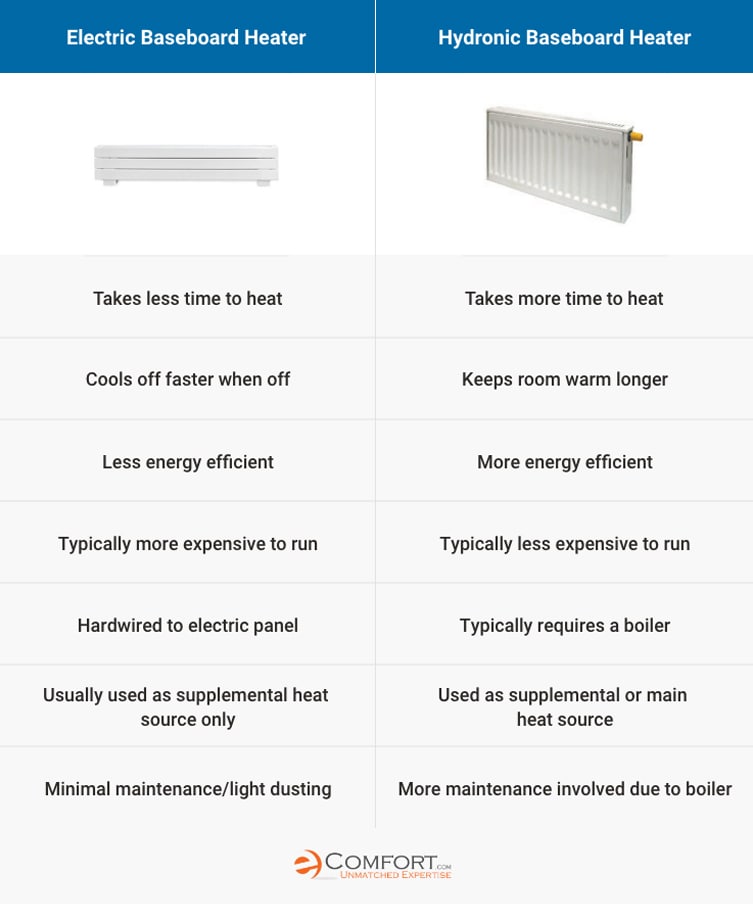
Convection baseboard heaters use electricity to heat air directly. They warm rooms quickly but can lose heat fast. Hydronic baseboards use hot water to spread heat. This method keeps rooms warm longer and uses less electricity over time.
Hydronic systems often have lower energy use because water holds heat well. Convection heaters may need more power to keep the room warm.
Cost Implications
Electric convection heaters usually cost less to buy and install. They have simple parts and need less setup. Hydronic baseboards cost more upfront. They require pipes and a boiler or water heater.
Running costs for hydronic systems can be lower. They use energy more efficiently, so bills may be smaller. Convection heaters might lead to higher electricity bills over time.
Environmental Impact
Hydronic heating often uses less energy, cutting carbon emissions. This makes it better for the environment. Electric convection heaters rely on the power grid. Their impact depends on the electricity source.
Using hydronic systems with renewable energy reduces pollution. Choosing energy-efficient heating helps protect the planet.
Installation And Maintenance
Choosing between convection and hydronic baseboard heaters involves understanding their installation and maintenance. These factors affect cost, effort, and long-term satisfaction. Proper setup ensures efficient heat and safety. Regular upkeep keeps the system working well and extends its life.
Setup Requirements
Convection baseboards are easier to install. They need only electrical wiring and mounting on walls. Hydronic baseboards require a boiler and piping system. This setup is more complex and needs professional help. Hydronic systems take longer to install but provide steady heat.
Maintenance Needs
Convection heaters need simple cleaning to remove dust. They rarely require repairs. Hydronic baseboards need regular checks for leaks and pipe condition. The boiler also needs yearly service. Proper maintenance prevents breakdowns and keeps heat consistent.
Lifespan And Durability
Convection baseboards usually last 10 to 15 years. Hydronic systems can last over 20 years with care. Metal pipes and boilers are built to endure. Regular maintenance improves durability and saves money on replacements.
Comfort And Heat Distribution
Comfort and heat distribution are key factors in choosing between convection and hydronic baseboard heaters. Both systems provide warmth but differ in how they spread heat around a room. Understanding these differences helps you pick the best option for your home.
Temperature Consistency
Hydronic baseboard heaters offer steady and even heat. They use hot water to warm the room, which keeps temperatures stable. Convection heaters warm the air quickly but may cause uneven heat. Hot air rises and cool air falls, creating hot and cold spots.
Air Quality Effects
Hydronic baseboard heaters do not move air, so they do not spread dust or allergens. This helps keep the air cleaner and better for people with allergies. Convection heaters circulate air, which can stir up dust and cause dryness. This may affect sensitive individuals negatively.
Noise Levels
Hydronic baseboard heaters run quietly. They have no fans or moving parts that make noise. Convection heaters often use fans to move warm air, which can create background noise. Quiet heating is important for bedrooms or study areas.
:max_bytes(150000):strip_icc()/Baseboardheater-GettyImages-182924153-839b39e85fdf4783b2af9850059da492.jpg)
Credit: www.thespruce.com
Cost Factors To Consider
Cost plays a big role in choosing between convection and hydronic baseboard heating. Understanding different cost factors helps make a smart choice. Some costs come at the start, while others happen over time. Knowing these details saves money and trouble later.
Initial Investment
Convection baseboard heaters usually cost less to buy and install. They are simpler units and require less plumbing work. Hydronic baseboards need pipes and a boiler, which raises the price. Installation takes longer, adding to the cost. The home’s size and setup also affect initial expenses.
Operating Costs
Convection heaters use electricity or gas directly, which can be costly over time. Hydronic systems use hot water, often heated by a more efficient boiler. This can lower monthly bills. How often you use heat and local energy prices change operating costs. Hydronic systems often save money in colder climates.
Repair Expenses
Convection baseboards have fewer parts, so repairs are usually simpler and cheaper. Hydronic systems have pumps, valves, and boilers that may need fixing. These repairs can be costly and take more time. Regular maintenance helps avoid big repair bills in hydronic systems. Choosing a reliable brand lowers repair risks for both types.
Best Use Cases For Each System
Choosing between convection and hydronic baseboard heating depends on the specific needs of a space. Each system works best in certain settings and climates. Understanding where each system excels helps make the right choice.
Residential Settings
Hydronic baseboard heating suits homes well. It provides steady, quiet warmth. This system is energy efficient and keeps rooms comfortable for long periods. It works best in homes with good insulation.
Convection baseboard heaters heat rooms quickly. They are good for smaller spaces or rooms used less often. These heaters are easy to install and cost less upfront.
Commercial Settings
In commercial buildings, hydronic systems offer consistent heat for large areas. They handle long hours of use without much noise. This system is ideal for offices and schools.
Convection heaters work well in small shops or spaces needing quick heat. They allow fast temperature changes, helpful in areas with varying occupancy. Installation is simpler and less costly.
Climate Considerations
Hydronic heating performs best in colder climates. It maintains warmth for longer times and uses energy efficiently. This reduces heating bills during cold seasons.
Convection heaters suit milder climates or places with short heating needs. They warm spaces fast but lose heat quickly once off. This makes them less efficient in very cold areas.
Common Myths And Misconceptions
Choosing between convection and hydronic baseboard heating often leads to confusion. Many people believe wrong facts about these systems. Clearing up these myths helps you make a better choice. Understanding the truth about safety, performance, and maintenance is important. Let’s explore common myths and misconceptions about these heating options.
Safety Concerns
Some think convection heaters cause burns easily. Actually, modern units have safety features. Hydronic baseboards use hot water, which feels gentler to touch. Both systems meet strict safety standards. Risk of fire or injury is low with proper use. Regular checks ensure safe operation for both types.
Performance Myths
Many believe convection heats rooms faster than hydronic. This is not always true. Hydronic baseboards provide steady, even warmth. Convection may heat quickly but can create hot and cold spots. Efficiency depends on home insulation and thermostat settings. Both systems can perform well in proper conditions.
Maintenance Misunderstandings
People often think hydronic baseboards need constant repairs. In reality, they require minimal upkeep. Flushing the system every few years keeps it running smoothly. Convection heaters need filter cleaning and occasional dusting. Both systems have simple maintenance tasks that homeowners can handle.
Credit: www.advancedresources.com
Frequently Asked Questions
What Is The Main Difference Between Convection And Hydronic Baseboard?
Convection baseboards heat air by warm metal fins. Hydronic baseboards use hot water running through pipes to warm the room.
Which Baseboard Heater Is More Energy-efficient?
Hydronic baseboard heaters use less energy because water holds heat longer. Convection heaters can waste energy by heating air quickly but unevenly.
How Fast Do Convection And Hydronic Baseboards Heat A Room?
Convection heaters warm a room faster by heating air directly. Hydronic baseboards take longer but provide steady, gentle warmth.
Are Hydronic Baseboards Safer Than Convection Baseboards?
Hydronic baseboards stay cooler on the surface, reducing burn risk. Convection units can get hot and pose a burn hazard.
Which Baseboard Heater Is Better For Allergy Sufferers?
Hydronic baseboards don’t blow air, so they don’t spread dust or allergens. Convection heaters circulate air and can move dust around.
Can Convection And Hydronic Baseboards Work Together In One Home?
Yes, both can be used in different rooms or zones. This setup can balance fast heating and steady warmth as needed.
Conclusion
Choosing between convection and hydronic baseboards depends on your needs. Convection baseboards heat rooms quickly and cost less upfront. Hydronic baseboards offer steady, gentle warmth and use less energy over time. Both systems work well, but your space size and budget matter most.
Think about comfort, energy use, and installation before deciding. Each option has clear benefits. Now, you can pick the right heat for your home with confidence.