
When it comes to heating your home, you want a solution that is efficient, reliable, and fits your needs perfectly. If you’ve been exploring electric baseboard heaters, you’ve probably come across two main types: proven hydronic and standard electric.
But which one is truly better for your comfort and energy bills? Understanding the key differences can save you money and keep your home cozy without the guesswork. Keep reading to discover how these heaters work, what makes each unique, and which option might be the smartest choice for your space.
Your perfect heating solution is closer than you think.
Credit: king-electric.com
Electric Baseboard Heaters Basics
Electric baseboard heaters are common in many homes for heating rooms. They are easy to install and use electricity to provide warmth. These heaters come in two main types: standard electric baseboard heaters and hydronic baseboard heaters. Understanding how they work and their energy use helps to choose the right one for your needs.
How They Work
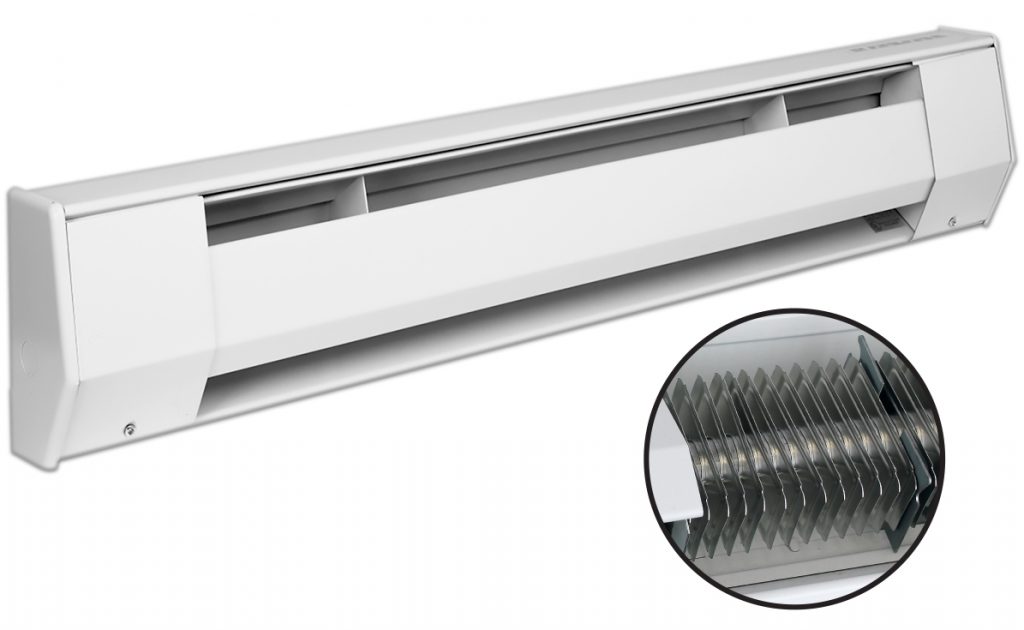
Standard electric baseboard heaters use electric coils to produce heat. The coils warm up when electricity flows through them. Then, air near the heater heats up and rises, warming the room. Hydronic baseboard heaters use hot water or oil inside pipes to create heat. The heated liquid moves through the pipes, warming the metal fins. This heat transfers to the air, warming the room more evenly.
Common Uses
These heaters are popular in rooms without central heating. Many people use them in bedrooms, basements, and small offices. Hydronic heaters work well in larger rooms or spaces needing steady heat. Standard electric heaters suit smaller spaces or rooms used occasionally. Both types fit under windows or along walls to reduce cold drafts.
Energy Consumption
Standard electric baseboard heaters use electricity directly, so they heat quickly. They can be less efficient in larger spaces and use more energy over time. Hydronic heaters hold heat longer, even after turning off. This can save energy by reducing how often the heater runs. Choosing the right heater depends on room size and how long you use it daily.
Hydronic Baseboard Heaters
Hydronic baseboard heaters use hot water to warm rooms. They provide soft, steady heat that feels natural. These heaters are quiet and safe, with no exposed heating elements. They work well in homes needing gentle warmth without dry air.
Many people choose hydronic heaters for their comfort and efficiency. They spread heat evenly along the baseboards. This type of heating helps maintain a cozy room temperature all day long.
Design And Operation
Hydronic baseboard heaters have pipes inside filled with hot water. A boiler heats this water and sends it through the pipes. The heat moves from the water to metal fins inside the heater. These fins release warmth into the room.
The system controls room temperature by adjusting water heat. A thermostat tells the boiler when to heat water. This keeps rooms warm without wasting energy.
Types Of Hydronic Systems
Two main types exist: one-pipe and two-pipe systems. One-pipe systems send water through each baseboard in a loop. Two-pipe systems have separate pipes for hot water supply and return. Both types heat rooms effectively but differ in installation and cost.
Some systems use electric boilers, while others connect to gas or oil boilers. The choice depends on home setup and energy preferences.
Energy Efficiency
Hydronic baseboard heaters use less electricity than electric baseboards. They keep heat longer because water holds warmth well. This lowers energy bills and reduces waste.
They work quietly and do not blow air. This helps keep dust and allergens low. Hydronic systems also allow better temperature control in each room. This precise control saves energy by heating only where needed.
Standard Electric Baseboard Heaters
Standard electric baseboard heaters are common in many homes. They offer a simple and affordable way to add heat to a room. These heaters sit along the base of walls and use electricity to create warmth. They do not require pipes or water, making them easy to install.
Design And Operation
Standard electric baseboard heaters have a metal casing with heating elements inside. These elements warm up when electricity passes through them. A fan is not needed because heat rises naturally. A thermostat controls the temperature by turning the heater on or off. This design keeps things straightforward and low maintenance.
Heat Distribution
Heat moves upward from the baseboard heater. Warm air rises along the wall and spreads into the room. The heat spreads slowly and mainly near the heater. Rooms may feel cooler farther from the heater. This means multiple units might be needed for large spaces.
Energy Efficiency
Standard electric baseboard heaters convert almost all electricity into heat. This makes them efficient at producing warmth. Yet, they can be costly to run in colder climates. Electricity rates affect their running costs. Using a thermostat well helps save energy and money.
Performance Comparison
Understanding how electric baseboard heaters perform helps in choosing the right one. Comparing hydronic and standard models reveals key differences. These affect heating speed, temperature control, and overall comfort. This section breaks down these aspects clearly.
Heating Speed
Standard electric baseboard heaters warm the air quickly. They use direct electrical resistance to create heat fast. Hydronic heaters take longer to start. They heat water inside pipes, which then warms the room. The slower start means steady heat over time. Standard models suit quick bursts of warmth. Hydronic models work well for consistent, lasting heat.
Temperature Control
Standard heaters adjust temperature rapidly but can cause swings. The room may feel hot, then cool down fast. Hydronic heaters keep temperature steady. The heated water acts as a buffer. This reduces sharp changes in room warmth. Hydronic systems offer smoother control. Standard heaters respond faster but less evenly.
Comfort Levels
Hydronic baseboards provide gentle, even heat that feels natural. They avoid hot spots and dry air. Standard heaters can create uneven warmth. Some areas may feel hotter than others. Hydronic heat feels more comfortable for longer periods. Standard heaters work well for quick heating needs. Comfort depends on personal preference and room use.
Cost Analysis
Cost analysis plays a key role when choosing between hydronic and standard electric baseboard heaters. It helps you understand the initial and ongoing expenses. This section breaks down the main cost factors. Knowing these can guide your decision and budget.
Installation Costs
Standard electric baseboard heaters are easier and cheaper to install. They usually require only electrical wiring and mounting on the wall. Hydronic heaters need more work. They require pipes, a boiler, and water circulation setup. This makes installation more complex and costly. Expect higher labor and material costs for hydronic systems.
Operating Expenses
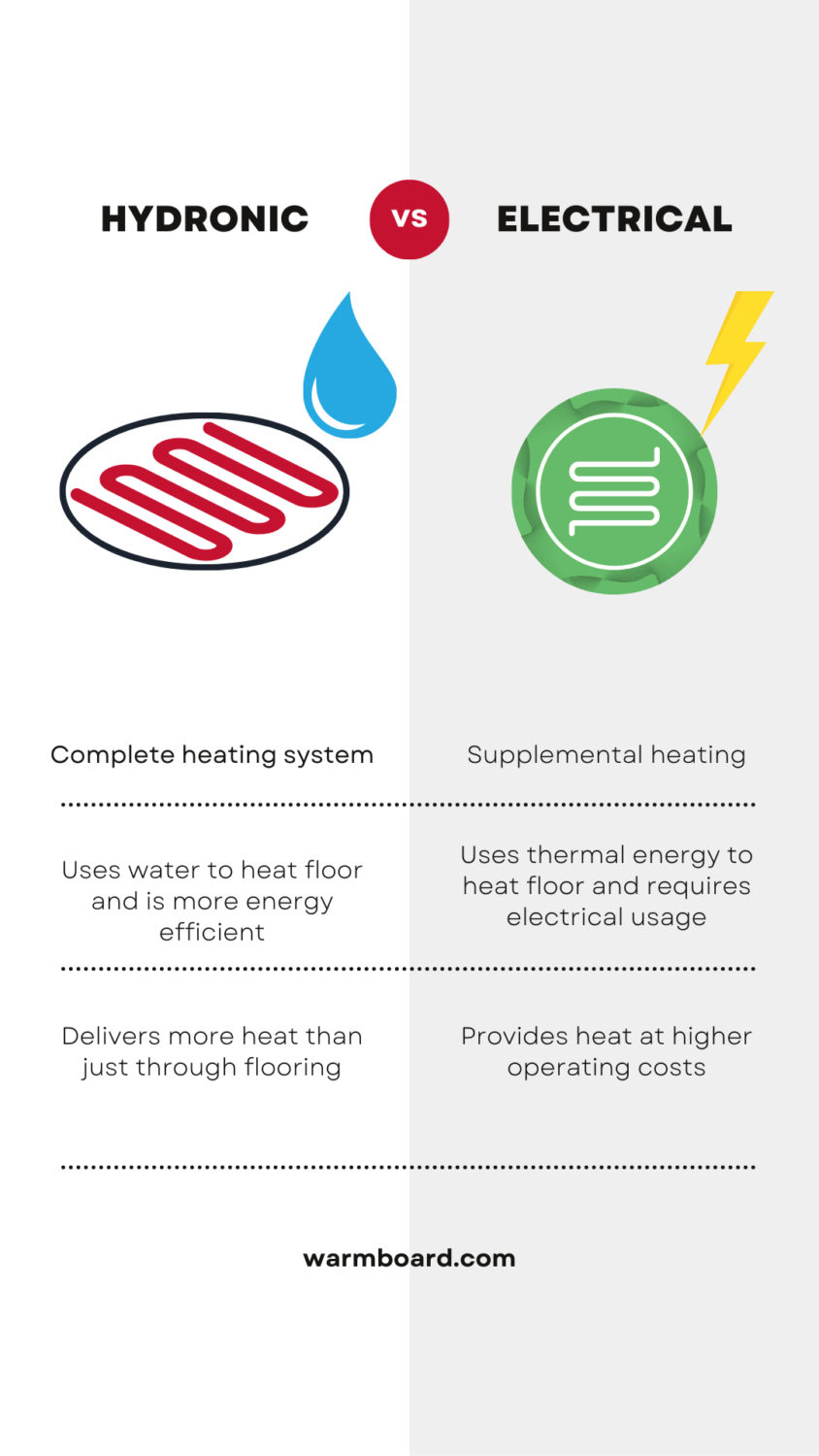
Standard electric heaters convert electricity directly into heat. They can be expensive to run, especially in large spaces. Hydronic heaters use hot water to spread heat more evenly. They often use less electricity overall. This results in lower monthly energy bills. Hydronic systems can be more cost-effective in the long term.
Maintenance Requirements
Standard electric baseboard heaters require minimal maintenance. Occasional dusting and visual checks are usually enough. Hydronic systems need regular inspection of pipes and boilers. They may require water refilling and leak repairs. Maintenance costs for hydronic heaters are generally higher. Plan for periodic professional servicing to keep them efficient.
Credit: www.warmboard.com
Environmental Impact
Understanding the environmental impact of electric baseboard heaters helps make better heating choices. Comparing hydronic and standard models shows clear differences in energy use and emissions. These factors affect your home’s carbon footprint and long-term sustainability.
Energy Sources
Standard electric baseboard heaters use electricity directly. This electricity often comes from fossil fuels like coal or natural gas. Hydronic heaters use electricity to heat water, which then warms the room. This system can connect to renewable energy sources more easily.
Hydronic systems can also use solar or geothermal energy. This lowers dependence on nonrenewable fuels. Choosing the right energy source reduces pollution and saves money.
Carbon Footprint
Standard heaters produce more carbon emissions if the electricity comes from fossil fuels. Hydronic heaters reduce emissions by using water to store and spread heat efficiently. They need less electricity over time.
This efficiency means less carbon dioxide is released into the air. Using hydronic heaters can help lower your home’s overall carbon footprint.
Sustainability
Hydronic baseboard heaters last longer and require less maintenance. They use energy more efficiently, supporting sustainable living. Standard heaters often wear out faster and waste more energy.
Hydronic systems support green energy use and reduce waste. Choosing hydronic heating promotes a cleaner, healthier environment for the future.
Safety And Reliability
Safety and reliability are key factors when choosing between hydronic and standard electric baseboard heaters. Both types provide heat, but their design and operation affect how safe and dependable they are. Understanding these differences helps you pick the right heater for your home.
Common Risks
Standard electric baseboard heaters use electric coils. These coils can get very hot and pose a burn risk if touched. Dust buildup on coils may cause fire hazards. Hydronic heaters use heated water inside pipes. They run cooler on the surface, lowering burn risks. They also do not have exposed electric parts, reducing shock chances.
Durability
Hydronic baseboard heaters have fewer electrical parts exposed to wear. This often makes them last longer without repairs. Their metal pipes resist damage and corrosion well. Standard electric heaters have heating elements that may burn out faster. They also can be damaged by dust and moisture over time. Hydronic systems may need less maintenance overall.
Warranty And Lifespan
Hydronic heaters usually come with longer warranties than electric models. Many offer 10 years or more. Their lifespan can reach 20 to 30 years with care. Standard electric baseboard heaters often have shorter warranties, around 5 to 10 years. Their lifespan is typically 15 to 20 years. Choosing a reliable brand can improve warranty and lifespan.
Choosing The Right Heater
Choosing the right electric baseboard heater is important for comfort and savings. Different heaters work better in different homes. Consider your home’s size, your budget, and what you prefer. This helps pick the best heater for your needs.
Home Size And Layout
Small homes need less heating power. Larger homes require more heat output. Rooms with many windows may lose heat faster. Open layouts let heat move freely. Closed rooms keep heat trapped. Choose a heater that fits your space well.
Budget Considerations
Standard electric baseboard heaters cost less upfront. Hydronic heaters are more expensive but save energy over time. Think about how much you want to spend now. Also, consider long-term energy bills. A higher upfront cost may pay off later.
Personal Preferences
Some people want quiet heaters. Hydronic heaters often run quieter than standard ones. Others want fast heat. Standard heaters warm up quickly. Style matters too. Choose a heater that matches your room’s look.
:max_bytes(150000):strip_icc()/convection-vs-hydronic-electric-baseboard-heaters-1821911_FINAL-ab6a04e928824ed597b49c0fd2f92286.jpg)
Credit: www.thespruce.com
Frequently Asked Questions
What Is An Electric Baseboard Heater?
An electric baseboard heater is a heating device installed near the floor. It uses electric resistance to warm up a room. These heaters are quiet and easy to control.
How Do Hydronic Baseboard Heaters Work?
Hydronic baseboard heaters use hot water to provide heat. Water is heated in a boiler and flows through pipes in the heater. This type gives a steady, even heat.
What Are The Benefits Of Hydronic Vs. Standard Heaters?
Hydronic heaters offer softer, more consistent warmth and better energy efficiency. Standard electric heaters heat up faster but may feel dry. Hydronic models are quieter and last longer.
Are Electric Baseboard Heaters Energy Efficient?
Electric baseboard heaters convert all electricity into heat, so they are 100% efficient at the point of use. Their overall efficiency depends on electric rates and insulation. Hydronic models can save more energy over time.
Can Hydronic Heaters Be Used With Electric Systems?
Yes, hydronic heaters can work with electric boilers or water heaters. This allows electric systems to provide the hot water needed for hydronic heating. It offers a cleaner, quieter heat option.
How Do I Choose Between Hydronic And Standard Heaters?
Consider room size, heat comfort, and budget. Hydronic heaters suit larger areas with steady warmth needs. Standard heaters fit smaller spaces or quick heating demands.
Conclusion
Electric baseboard heaters offer two main types: hydronic and standard. Hydronic heaters warm rooms gently and keep heat longer. Standard heaters heat quickly but cool down fast. Choose hydronic for steady warmth and energy savings. Pick standard for fast heat in small spaces.
Both types have clear benefits. Think about your needs and space size. This helps pick the best heater for comfort and cost. Either way, electric baseboard heaters bring easy, quiet heat to your home. Simple, effective, and reliable.