
Are you trying to decide between electric baseboard heaters and an electric fireplace to warm up your home? Choosing the right heating option can be confusing.
You want something that’s efficient, easy to use, and fits your style. But how do you know which one will give you the best comfort and value? You’ll discover the key differences, benefits, and drawbacks of each option. By the end, you’ll feel confident about making the right choice for your space and your budget.
Keep reading to find out which heater suits your needs perfectly.
Electric Baseboard Heaters
Electric baseboard heaters are a popular choice for heating small spaces. They use electricity to warm rooms evenly and quietly. These heaters fit along the base of walls, saving space and blending in with the room.
Many people like electric baseboard heaters for their simple design. They provide steady heat without moving parts or fans. This makes them easy to use and maintain.
How They Work
Electric baseboard heaters use electric resistance to create heat. Inside, metal coils heat up when electricity passes through them. The heat rises naturally, warming the air near the floor. This warm air then moves upward, heating the room evenly.
Installation Process
Installing electric baseboard heaters is usually simple. They mount directly on the wall near the floor. Electric wiring must connect the heater to your home’s power supply. A professional electrician should handle the wiring for safety. The process takes a few hours for most rooms.
Energy Efficiency
Electric baseboard heaters convert almost all electricity into heat. This makes them efficient at heating rooms. They work best in small spaces or rooms you use often. Using a thermostat helps control energy use by turning heaters off when not needed.
Cost Considerations
Electric baseboard heaters cost less to buy than many other heaters. Installation costs vary depending on wiring needs. Operating costs depend on local electricity prices. They can be more expensive to run than gas heaters. Still, their low upfront cost appeals to many homeowners.
Maintenance Needs
Baseboard heaters need little maintenance. Cleaning dust from the fins keeps heat flowing well. Check for any damage or loose wires yearly. No filters or fuel tanks require attention. Simple care helps heaters last many years without problems.
Electric Fireplaces
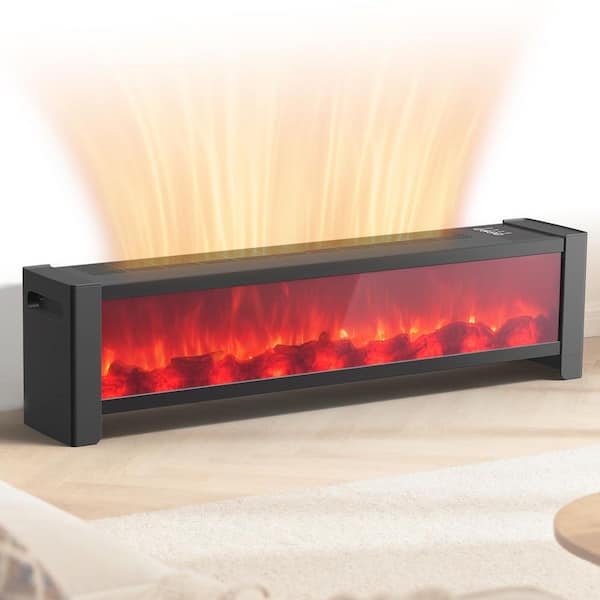
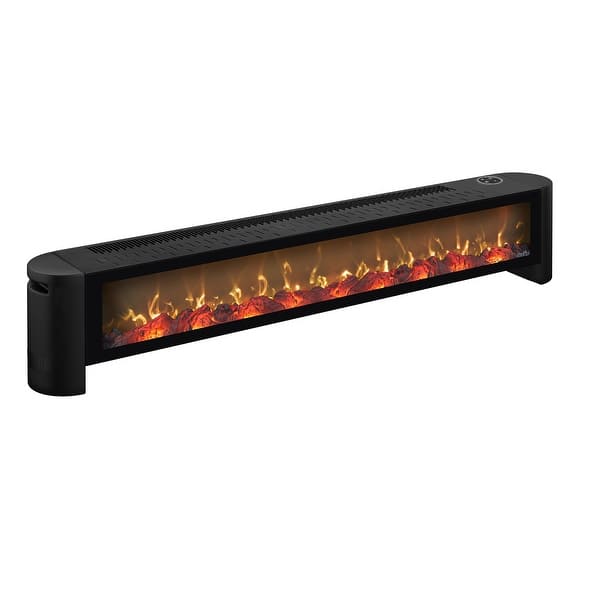
Electric fireplaces offer a warm and cozy way to heat your home. They work by using electricity to create flames that look like a real fire. These heaters combine heat and style in one unit.
Many people choose electric fireplaces for their comfort and charm. They provide heat and a nice atmosphere without smoke or ash. Let’s explore their key features and benefits.
Functionality And Design
Electric fireplaces produce heat using electric elements. They often include a fan to spread warmth evenly. The flame effect uses LED lights and mirrors to create a lifelike fire.
Designs vary from modern to classic. You can find wall-mounted, freestanding, or built-in models. Many units include adjustable flame brightness and heat settings.
Installation Options
Installation is easy and flexible. Most electric fireplaces just need a power outlet. No chimney or vent is required, making them ideal for apartments or rooms without fireplaces.
Some models hang on walls, saving floor space. Others fit into existing fireplace openings. This flexibility suits many home layouts and styles.
Energy Consumption
Electric fireplaces use moderate electricity, similar to a space heater. They are efficient because they heat only the room you use. Many models have energy-saving settings to reduce power use.
They don’t lose heat through chimneys like traditional fireplaces. This helps keep energy bills lower during cold months.
Aesthetic Appeal
Electric fireplaces add charm and style to any room. The realistic flames create a relaxing atmosphere. You can enjoy the look of a fire without the mess or smell.
Available in many styles and finishes, they match different home decor. Some models include logs, crystals, or stones for added beauty.
Upkeep Requirements
Maintenance is simple and low-cost. There is no ash, soot, or chimney cleaning needed. Regular dusting keeps the unit looking fresh.
Occasional checks of the electrical components ensure safe operation. Overall, electric fireplaces save time and effort compared to wood-burning models.
Heating Performance Comparison
Heating performance is a key factor in choosing between electric baseboard heaters and electric fireplaces. Both offer electric heating but differ in how they warm a room. Understanding their strengths helps pick the right option for your space and comfort needs.
This comparison covers heat distribution, response time, and room size suitability.
Heat Distribution
Electric baseboard heaters provide steady heat along the wall. They warm the air near the floor, which rises and spreads throughout the room. This creates an even temperature from bottom to top.
Electric fireplaces focus heat in one area. They often use a fan to push warm air forward. The heat feels immediate but may not reach all corners equally.
Response Time
Baseboard heaters take time to warm a room. They heat slowly but keep the temperature stable for longer. This is good for consistent warmth.
Electric fireplaces heat up quickly. They offer fast warmth right after turning on. This suits rooms needing quick comfort.
Room Size Suitability
Baseboard heaters work well in small to medium rooms. Their slow, steady heat fits spaces where constant warmth is needed.
Electric fireplaces fit best in small rooms or as a supplemental heat source. They add cozy warmth but may not heat large spaces alone.
Credit: www.homedepot.com
Safety Features
Safety features are crucial when choosing between electric baseboard heaters and electric fireplaces. Both devices offer warmth but differ in their safety designs. Understanding these features helps you select the safest option for your home and family.
Overheat Protection
Electric baseboard heaters often include overheat protection. This feature shuts off the heater if it gets too hot. It prevents damage and reduces fire risk. Electric fireplaces also have built-in sensors to stop overheating. These sensors turn off the unit automatically. This makes both options safe for regular use.
Child Safety
Child safety is important for any heating device. Baseboard heaters have a hot surface, which can burn small hands. Many models have protective covers to reduce this risk. Electric fireplaces usually have a glass front. This glass stays cool or warm but not hot. It creates a barrier, keeping children safe from direct heat.
Fire Risk
Fire risk is a key concern with heaters. Baseboard heaters must be kept clear of flammable materials. Dust buildup can increase fire danger if not cleaned regularly. Electric fireplaces have fewer exposed heating parts. They often use LED flames and heat fans, lowering fire chances. Both devices require careful placement and maintenance for safety.
Cost Analysis
Understanding the cost difference between electric baseboard heaters and electric fireplaces helps you choose the best option. This section breaks down the costs into initial investment, operating expenses, and long-term savings. It offers a clear view of what to expect financially for each heating method.
Initial Investment
Electric baseboard heaters usually cost less to buy and install. They have a simple design and do not need extra parts. Electric fireplaces often cost more. They include decorative features and sometimes need special wiring or a dedicated circuit. Installation can be more complex and pricey for fireplaces than baseboard heaters.
Operating Expenses
Electric baseboard heaters use electricity directly to warm a room. They can be less efficient if the room is large or poorly insulated. Electric fireplaces also use electricity but may offer better heat distribution. Their energy use depends on the model and settings. Both devices add to your electric bill, but baseboard heaters might run longer to reach the same warmth.
Long-term Savings
Baseboard heaters have fewer parts and low maintenance costs. They last many years without major repairs. Electric fireplaces may need occasional upkeep, especially for fans or lights. Over time, a fireplace can save money if it heats more efficiently or reduces the use of central heating. Choosing the right size and model helps maximize savings for either option.
Credit: www.bedbathandbeyond.com
Aesthetic And Ambiance
Aesthetic and ambiance play a big role in choosing heating options. Both electric baseboard heaters and electric fireplaces add warmth to a room. Yet, they create very different feelings and looks.
Visual Appeal
Electric fireplaces offer a cozy, inviting glow. Their realistic flames create a warm, soft light. This makes any room feel more comfortable and welcoming. Electric baseboard heaters have a simpler look. They are usually slim and blend into the wall. They don’t draw much attention but provide steady heat.
Customization Options
Electric fireplaces come in many styles. You can choose modern, classic, or rustic designs. Some models let you change flame color and brightness. This helps match your mood and room style. Electric baseboard heaters have fewer options. They mainly vary in size and color. Their focus is more on function than style.
Impact On Room Decor
Electric fireplaces act as a focal point in a room. They add charm and style to your space. You can place them in living rooms, bedrooms, or offices. Electric baseboard heaters fit quietly into corners or under windows. They do not change the room’s look much. They work best when you want heat without changing decor.
Environmental Impact
Heating your home affects the environment in many ways. Choosing the right heater can reduce harm to the planet. Electric baseboard heaters and electric fireplaces use electricity differently. Understanding their environmental impact helps make smarter choices.
Energy Consumption
Electric baseboard heaters use electric resistance to create heat. They warm the air by heating metal coils. This method uses a lot of energy. The heat spreads slowly and unevenly.
Electric fireplaces use electric fans and infrared technology. They warm the room faster and use less power. The heat feels more natural and spreads evenly.
Electric fireplaces often have lower energy use. This means less electricity is needed to heat your space.
Carbon Footprint
The carbon footprint depends on the electricity source. Coal or gas power plants produce more carbon emissions. Renewable energy sources like wind or solar produce less.
Baseboard heaters usually run longer to keep rooms warm. This increases total carbon emissions over time. Electric fireplaces heat efficiently and quickly, reducing run time.
Using an electric fireplace with green energy lowers your home’s carbon footprint. It helps protect the environment from harmful gases.
User Experience
User experience plays a big role in choosing between electric baseboard heaters and electric fireplaces. Comfort, ease, and satisfaction matter most. Both options offer warmth but differ in how they feel and operate. Understanding these differences helps pick the right heater for your space.
Ease Of Use
Electric baseboard heaters are simple to use. They usually have a basic thermostat or dial for temperature control. No complex setup needed. Electric fireplaces often come with remote controls and multiple settings. They can simulate flames and adjust brightness. This adds a cozy feel but may require learning the controls.
Noise Levels
Electric baseboard heaters work quietly. They have no fans or moving parts, so noise is minimal. Electric fireplaces sometimes use fans to spread heat. This can create a low hum. Most users find the noise soft and not distracting. Quiet rooms benefit from baseboard heaters for peaceful warmth.
Customer Satisfaction
Many users enjoy electric fireplaces for their style and warmth. They add atmosphere to any room. Baseboard heaters get praise for reliability and easy maintenance. Both options have strong customer reviews. Satisfaction depends on personal needs and room design. Choosing the right heater improves comfort and happiness.
Choosing The Right Heater
Choosing the right heater for your home matters a lot. The right choice keeps you warm and saves energy. Both electric baseboard heaters and electric fireplaces have benefits. Understanding your needs helps pick the best option. Let’s explore key points to consider.
Assessing Heating Needs
Start by knowing the size of the room. Larger rooms need more powerful heaters. Check how cold your area gets in winter. Some heaters warm quickly, others take time. Decide if you want heat all day or just sometimes.
Budget Considerations
Look at the initial cost of the heater. Electric baseboard heaters are usually cheaper to buy. Electric fireplaces often cost more but add style to a room. Think about running costs. Some heaters use more electricity than others.
Space Constraints
Measure the available space in your room. Baseboard heaters fit along walls and take little space. Electric fireplaces need wall space or a special spot. Consider if you want a heater that also looks nice. Space limits your choices in many homes.

Credit: www.amazon.com
Frequently Asked Questions
What Are The Main Differences Between Baseboard Heaters And Electric Fireplaces?
Baseboard heaters warm a room using convection, while electric fireplaces use radiant heat. Fireplaces also add visual appeal with flame effects. Baseboard heaters are usually more discreet.
Which Heater Is More Energy-efficient For Home Heating?
Electric fireplaces often use less energy to heat a room quickly. Baseboard heaters run longer and use steady electricity. Efficiency depends on room size and insulation.
Can Electric Fireplaces Provide Enough Heat For Large Rooms?
Electric fireplaces work best in small to medium rooms. Large spaces may need multiple units or an additional heat source. Baseboard heaters can cover larger areas better.
Are Electric Baseboard Heaters Safer Than Electric Fireplaces?
Both heaters have safety features like automatic shut-off. Baseboard heaters stay cool outside, reducing burn risk. Fireplaces have protective screens but get hotter near the flames.
How Easy Is Installation For Baseboard Heaters Versus Fireplaces?
Baseboard heaters install along walls with simple wiring, often easier and cheaper. Electric fireplaces need space and may require professional setup. Placement affects room layout.
Which Heater Adds More Style To Home Decor?
Electric fireplaces offer a cozy, decorative look with flame effects and mantels. Baseboard heaters are functional and less visible. Fireplaces can create a focal point in rooms.
Conclusion
Choosing between electric baseboard heaters and electric fireplaces depends on your needs. Baseboard heaters offer steady warmth and save space. Electric fireplaces add style and a cozy feeling to any room. Both use electricity and are easy to install. Think about your budget, room size, and the look you want.
Each option has benefits that suit different homes. Either way, you can enjoy a warm, comfortable space this winter. Simple, safe, and effective heating is possible with both choices.