
Finding the best heat for your home can make all the difference in comfort and energy bills. You want a solution that keeps you warm without draining your wallet or harming the environment.
But with so many options out there, how do you choose what’s right for you? You’ll discover simple, clear advice to help you pick the perfect heating system that fits your lifestyle and needs. Keep reading, and you’ll soon feel confident about making your home cozy and efficient this winter.
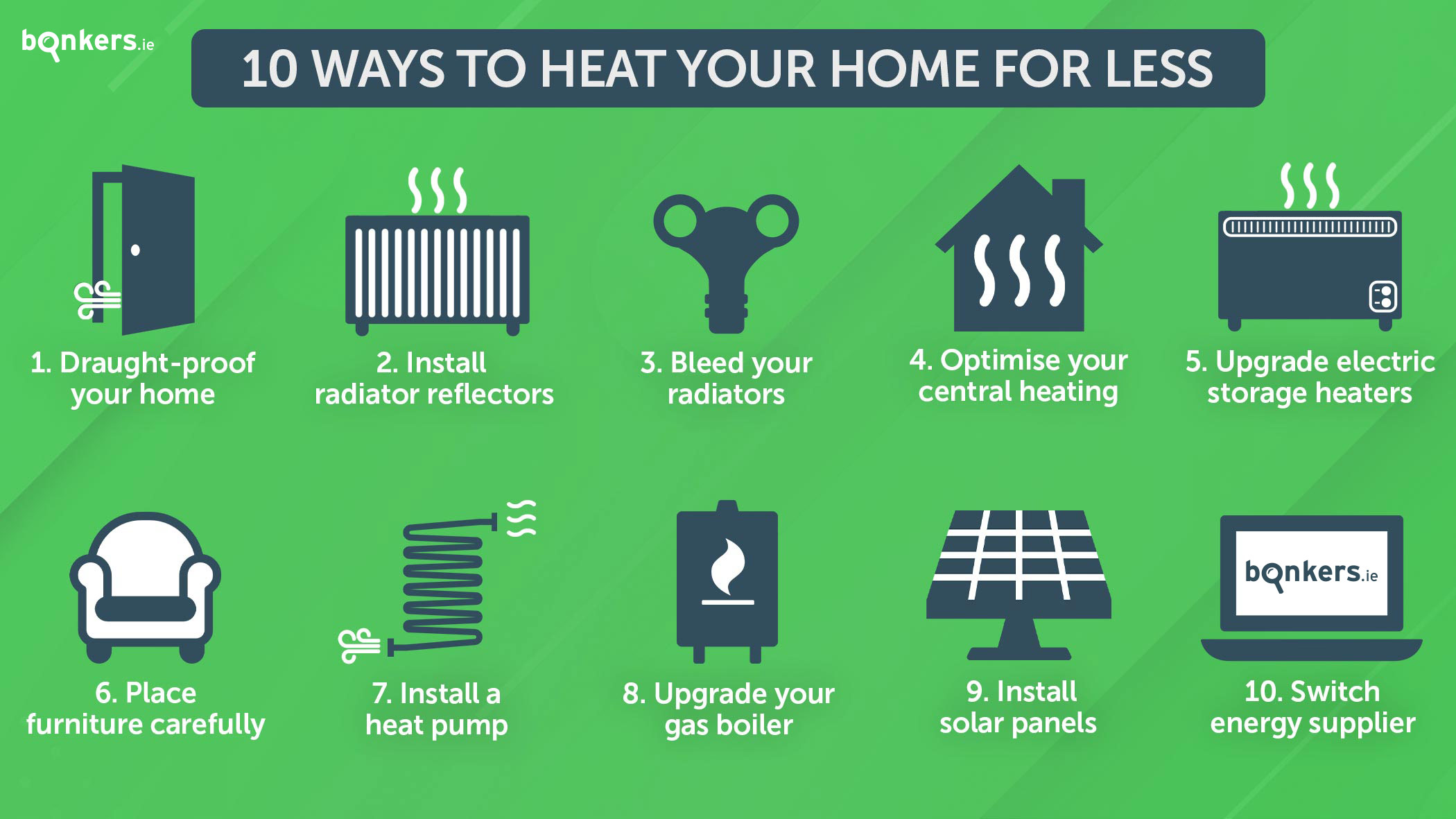
Credit: nahtevoyages.com
Types Of Home Heating Systems
Choosing the best heat for your home means knowing the types of heating systems available. Each system works differently and suits different needs. Understanding these types helps you pick the right one for your space and budget.
Some systems heat the whole house, while others focus on small areas. Some save energy, and others provide quick warmth. Here are the main types of home heating systems.
Central Heating
Central heating warms the entire home through one system. It uses a furnace or boiler to heat air or water. The warm air or water moves through pipes or ducts. This system keeps all rooms warm evenly.
It works well for larger homes. It uses gas, oil, or electricity. Central heating is easy to control with a thermostat.
Space Heaters
Space heaters heat small areas quickly. They are portable and easy to move. These heaters use electricity, propane, or kerosene.
Ideal for heating a single room or spot. Not meant for whole-house heating. They are useful to save energy by heating only used spaces.
Radiant Floor Heating
Radiant floor heating warms floors to heat a room. It uses electric wires or hot water tubes under the floor. Heat rises from the floor, warming the whole space.
This system feels cozy and comfortable. It works silently and uses less energy. Installation costs can be higher, but it saves money over time.
Heat Pumps
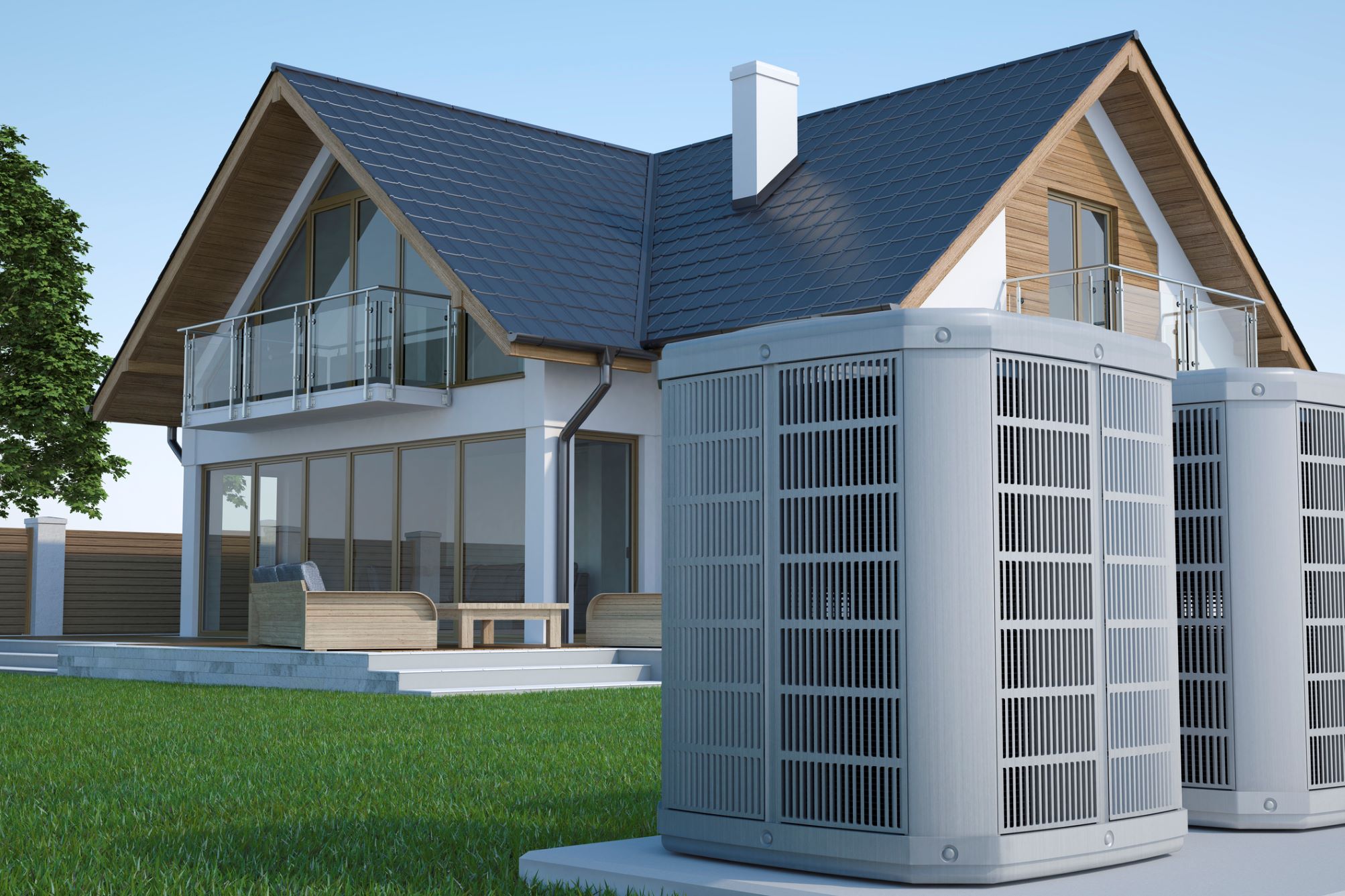
Heat pumps move heat from outside to inside your home. They work as both heaters and air conditioners. Heat pumps use electricity and are energy-efficient.
They work best in mild climates. Heat pumps save money on energy bills. Maintenance is simple and they last many years.
Fireplaces And Wood Stoves
Fireplaces and wood stoves provide warmth and a cozy atmosphere. They burn wood, pellets, or gas. These heating sources add charm and a rustic feel.
They are good for heating one room or area. Fireplaces need regular cleaning and care. Wood stoves are efficient and can reduce heating costs.
Energy Efficiency And Cost
Choosing the right heating system affects both your energy use and monthly bills. Energy efficiency means using less power to heat your home well. Lower energy use saves money and helps the environment. Understanding costs and consumption helps pick the best heating for your needs.
Fuel Types And Expenses
Common heating fuels include electricity, natural gas, oil, and propane. Each fuel type costs differently depending on your location and market prices. Natural gas usually costs less than electricity but may require a pipeline connection. Oil and propane tend to be pricier and need regular delivery. Electricity heating can have high rates but low installation cost.
Energy Consumption Comparison
Electric heaters convert almost all energy into heat but can use more power. Gas heaters burn fuel to create heat efficiently and often cost less to run. Heat pumps move heat rather than create it, using less energy in mild climates. Oil and propane heaters are less efficient but work well in very cold areas. Comparing energy use helps find the best fit for your home.
Long-term Savings Tips
Maintain your heating system regularly for peak efficiency. Seal windows and doors to keep heat inside. Use programmable thermostats to reduce energy waste. Insulate your home well to lower heating needs. Consider upgrading to energy-efficient models with good ratings. These steps reduce bills and keep your home warm and comfortable.
Choosing The Right Heater For Your Space
Choosing the right heater for your space makes a big difference in comfort and energy use. The heater must fit the room size, climate, and how you want to control the heat. Picking the right type helps keep the space warm without wasting power. This guide helps you find the best heater by focusing on key factors.
Room Size And Insulation
Room size affects the heater power you need. Small rooms need less heat; large rooms need more. Measure the room before choosing a heater. Insulation also matters. Well-insulated rooms keep heat longer. Poor insulation means the heater works harder. Good insulation lowers energy bills and keeps warmth steady.
Climate Considerations
Climate plays a key role in heater choice. Cold climates need heaters with higher output. Mild climates may only need small heaters. Some heaters work better in dry or humid areas. Check the weather where you live. Match the heater to the climate for best results.
Zoning And Temperature Control
Zoning means heating only parts of your home. It saves energy and money. Choose heaters with adjustable settings for easy control. Thermostats help keep the right temperature. Some heaters offer timers and remote control. Control options add comfort and convenience to your space.
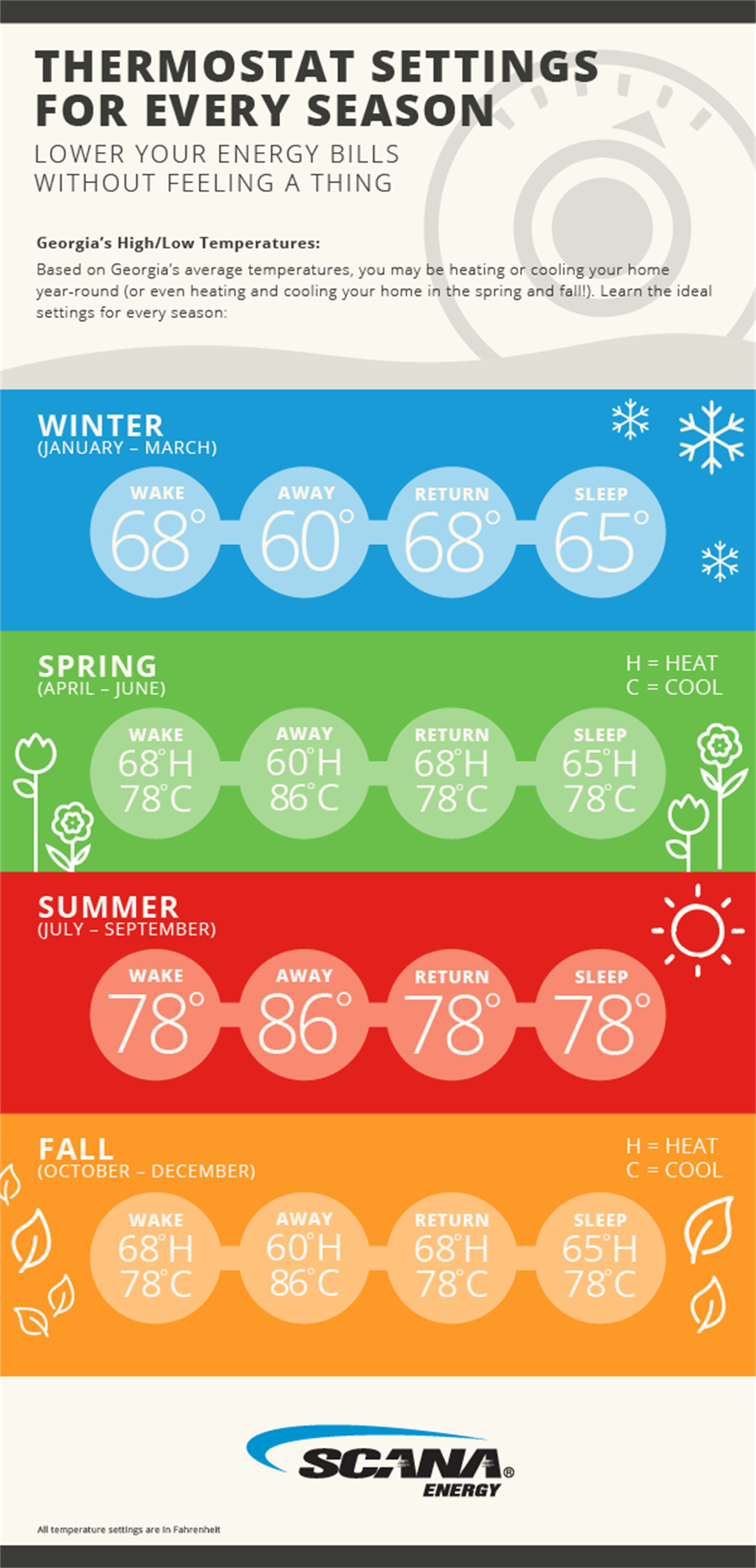
Credit: www.advancedresources.com
Installation And Maintenance
Choosing the best heat for your home means thinking about how to install and care for it. Proper installation and regular maintenance keep your system running well. This saves money and avoids trouble later.
Understanding the difference between professional and DIY installation helps make the right choice. Knowing easy maintenance tasks keeps your system efficient. Learning how to fix common problems can save time.
Professional Vs Diy Installation
Professional installation ensures safety and correct setup. Experts have the tools and skills to handle complex systems. They follow local codes and warranties rules. This reduces risks of damage or poor performance.
DIY installation can save money but needs careful planning. You must read instructions and know basic tools. Mistakes may cause leaks, poor heat, or broken parts. Consider your skill level before deciding.
Routine Maintenance Tasks
Clean or replace filters every one to three months. Check vents and ducts for dust or blockages. Inspect the thermostat to ensure it works properly. Clear any debris around outdoor units. Schedule annual professional check-ups for deep cleaning and tune-ups.
Troubleshooting Common Issues
Check the power supply if the system won’t start. Reset the thermostat or replace batteries if needed. Listen for strange noises that may signal a problem. Look for water leaks or frozen coils. Call a professional if problems persist or seem dangerous.
Safety And Health Factors
Choosing the best heat source for your home means thinking about safety and health. Heating systems affect the air you breathe and your home’s safety. Knowing the risks helps you protect your family and enjoy warm, clean air.
Air Quality And Ventilation
Heating can change the air quality inside your home. Some heaters release dust, smoke, or gases. These can cause coughs or allergies. Good ventilation helps keep air fresh and clean. Open windows or use fans to improve airflow. Clean filters often to reduce dust and particles.
Fire And Carbon Monoxide Risks
Fire is a real danger with many heating options. Keep heaters away from curtains and furniture. Use models with safety features like automatic shut-off. Carbon monoxide is an invisible, deadly gas from some heaters. Install carbon monoxide detectors near sleeping areas. Regularly check and maintain your heating system to avoid leaks.
Safe Usage Practices
Always follow the heater’s instructions carefully. Never leave portable heaters unattended or near children. Keep flammable items at least three feet away. Turn off heaters before sleeping or leaving home. Schedule yearly inspections for gas or oil heating systems. Use smoke alarms and test them monthly for safety.
Credit: www.gopreferred.com
Smart Heating Technologies
Smart heating technologies make home heating easier and more efficient. They help control temperature with less effort. These tools save energy and reduce bills. They also add comfort by adjusting heat to your needs automatically.
Thermostats And Automation
Smart thermostats learn your schedule and adjust the heat. They keep your home warm when you need it. They lower heat during times you are away. Automation means the system works by itself, no manual changes needed. This reduces energy waste and keeps your home cozy.
Remote Control Options
Control your heating from anywhere using a phone or tablet. Change temperature before you get home. This feature adds convenience and saves energy. You do not have to be at home to make changes. Remote control helps keep your heating efficient and easy to manage.
Energy Monitoring Tools
Energy monitors track how much heat you use. They show when and where energy is wasted. This information helps you change habits and save money. Some tools give tips to reduce heating costs. Keeping an eye on energy use makes your home greener and cheaper to run.
Eco-friendly Heating Options
Choosing eco-friendly heating options helps protect the planet and reduce energy bills. These options use clean energy and materials that cause less harm. They provide warmth without large carbon footprints. Homes stay cozy and owners save money.
Renewable Energy Sources
Solar panels capture sunlight to heat your home. This energy is free and endless. Heat pumps use air or ground heat for warmth. They use less electricity than traditional heaters. Biomass boilers burn organic material like wood pellets. They produce lower emissions than fossil fuels.
Sustainable Materials
Heating systems made with recycled or natural materials last longer. Insulation from sheep wool or cellulose keeps heat inside. These materials reduce waste and pollution. Using sustainable parts helps the environment and your home.
Government Incentives
Many governments offer discounts for eco-friendly heating. Rebates and tax credits lower installation costs. Programs encourage switching to clean energy systems. Taking advantage of these saves money and supports green choices.
Frequently Asked Questions
What Types Of Home Heating Systems Are Most Energy-efficient?
Energy-efficient heating systems include heat pumps, gas furnaces, and solar heaters. These options save energy and lower utility bills. Choosing the right system depends on your climate and home size.
How Do I Choose The Best Heating For My Home?
Consider your home size, insulation, and local climate. Also, check installation and operating costs. This helps find a system that fits your needs and budget.
Is Electric Heating A Good Option For Homes?
Electric heating is easy to install and maintain. It works well in small spaces but can be costly in cold climates. Best for mild weather or supplemental heat.
What Are The Benefits Of Radiant Floor Heating?
Radiant floor heating provides even warmth from the ground up. It is quiet, energy-efficient, and comfortable. Great for homes with tile or hardwood floors.
How Often Should I Service My Heating System?
Heating systems should be serviced once a year. Regular maintenance improves efficiency and extends system life. It also helps prevent costly breakdowns.
Can Smart Thermostats Improve Home Heating Efficiency?
Smart thermostats learn your schedule and adjust temperatures automatically. They reduce energy waste and lower heating bills. Easy to control via smartphone or voice commands.
Conclusion
Choosing the best heat for your home keeps you warm and saves money. Different heating options suit different needs and budgets. Think about your space, climate, and energy use before deciding. Simple maintenance helps your heater work well longer. Staying cozy in cold months feels great and makes life easier.
Take your time to pick the right heat source today. Your home will feel comfortable all winter long.