If you rely on a force air heater to keep your space warm, making sure it works properly is key. You don’t want to be caught in the cold because of a simple issue that could have been fixed early.
Knowing how to check your force air heater is easier than you might think. With a few simple steps, you can spot problems before they become costly repairs. Keep reading, and you’ll learn exactly what to do to keep your heater running smoothly and your home comfortable all season long.
Force Air Heater Basics
Understanding the basics of force air heaters helps maintain their performance. These heaters warm up spaces quickly and efficiently. Knowing how they work makes it easier to check and service them.
Simple steps can keep your heater running well. Start by learning the key parts and how they function. This knowledge helps spot issues early and avoid costly repairs.
Key Components
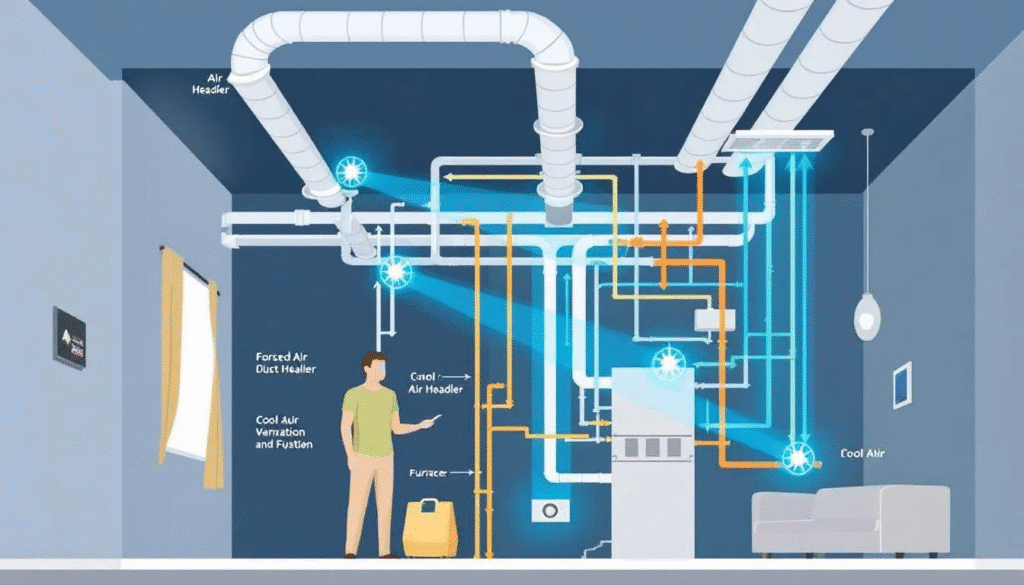
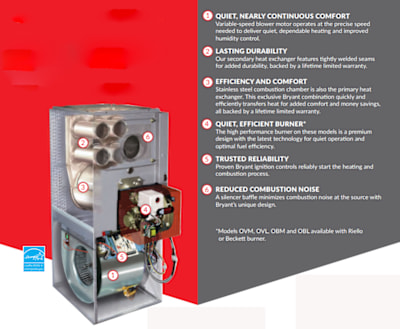
Force air heaters have several main parts. The burner creates heat by burning fuel. The heat exchanger transfers this heat to the air. A blower pushes warm air into the room. Controls help set the temperature and turn the heater on or off. Safety devices prevent problems like overheating or gas leaks.
How It Works
The heater starts by igniting the burner. The burner heats the heat exchanger inside the unit. Air flows over the exchanger and warms up. The blower then moves this warm air into the space. Thermostats control when the heater turns on or off. This process repeats to keep the room warm.
Signs Of Heater Issues
Recognizing early signs of force air heater problems helps keep your home warm. Ignoring these signs can lead to bigger issues and costly repairs. Watch for changes in sound, heat output, and smell. These clues show your heater might need attention.
Unusual Noises
Strange sounds from your heater often mean a problem. Rattling, banging, or squealing noises can signal loose parts or worn components. These noises are not normal and need checking. Fixing them early prevents damage and keeps the heater running smoothly.
Inconsistent Heating
Uneven warm air or cold spots in rooms shows your heater may struggle. If the heat feels weak or cuts in and out, the system might be dirty or failing. This issue reduces comfort and wastes energy. Timely checks ensure steady and reliable heat.
Odors And Smoke
Unusual smells or smoke from the heater are serious warning signs. Burning odors may mean electrical problems or dust burning inside. Smoke is a sign of overheating or a clogged vent. Stop using the heater and get it inspected immediately for safety.
Safety Precautions
Checking force air heaters can be risky without the right safety steps. These heaters work with electricity and heat, so taking care is very important. Following safety rules helps avoid accidents and keeps the heater working well. Read on for simple safety tips before you start.
Power Off Procedures
Always turn off the heater before checking it. Unplug it from the power socket. This stops electricity from flowing and lowers the risk of shocks. Wait a few minutes after turning it off. This lets the heater cool down. Never touch the heater while it is hot or plugged in.
Proper Ventilation
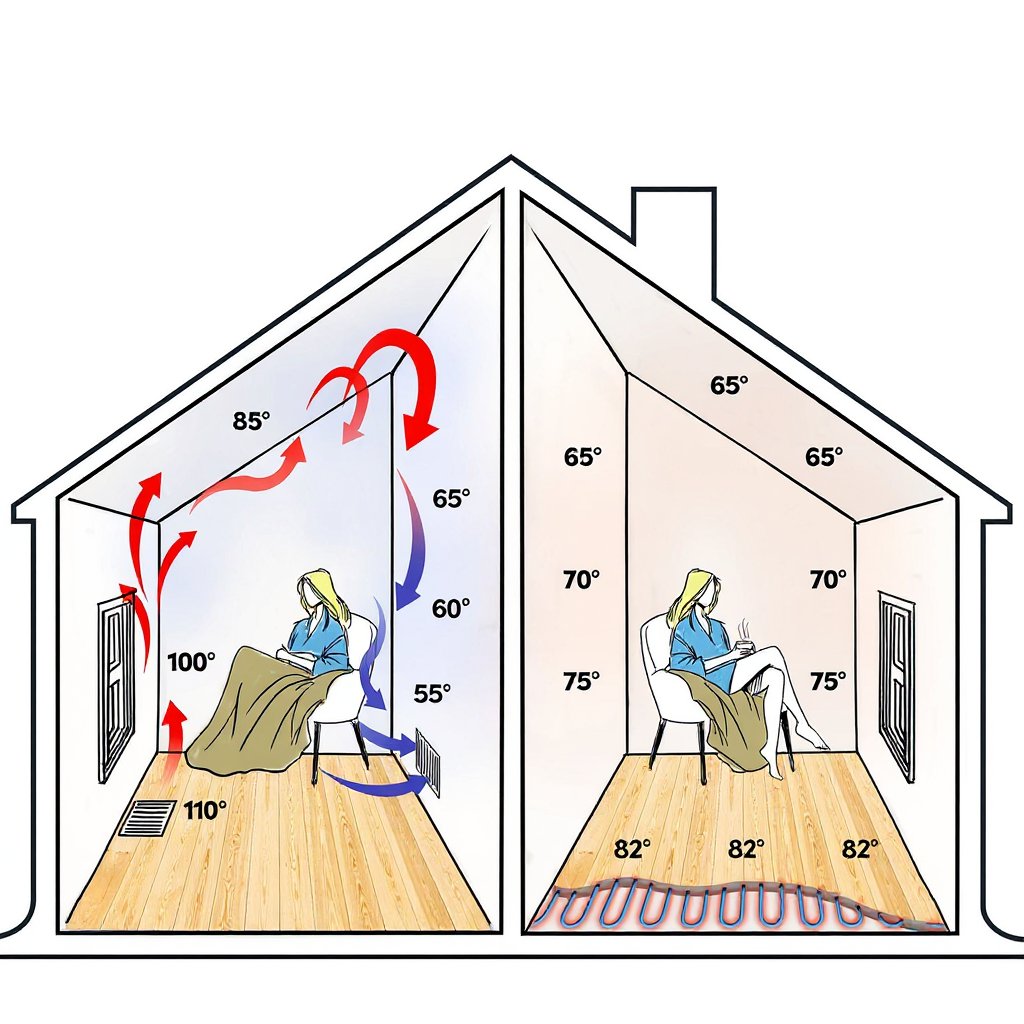
Check the room where the heater is used. Make sure it has fresh air flow. Good ventilation stops dangerous gases from building up. Open windows or doors if needed. Avoid using the heater in small, closed spaces without air. Proper air helps the heater work safely and well.
Using Protective Gear
Wear gloves to protect your hands from heat and dirt. Use safety glasses to keep your eyes safe from dust or sparks. Avoid loose clothing near the heater. Protective gear lowers the chance of injury. Always prepare before touching or cleaning the heater.
Credit: www.warmlyyours.com
Step-by-step Inspection
Checking your force air heater regularly keeps it running well. A step-by-step inspection helps find small issues early. This saves time and money on repairs. Follow these simple steps to ensure safe and reliable heater performance.
Visual Check
Start with a close look at your heater. Check for dirt, rust, or damage on the outside. Look for loose parts or broken wires. Notice any strange smells or noises when the heater runs. These signs show that the heater needs attention.
Filter Cleaning
A dirty filter blocks airflow and reduces heat. Remove the filter carefully and clean it with water or a vacuum. Let it dry completely before putting it back. Clean filters improve heater efficiency and air quality in your space.
Thermostat Testing
Test the thermostat to make sure it controls temperature well. Set it to a temperature higher than the room. The heater should start heating quickly. Lower the setting to check if the heater stops. A faulty thermostat can cause uneven heating.
Electrical Connections
Turn off the power before checking electrical parts. Inspect all wires and connections for looseness or corrosion. Tighten any loose wires and clean corroded contacts. Safe electrical connections prevent shorts and keep the heater working smoothly.
Performance Testing
Performance testing is key to keeping force air heaters working well. It helps find problems early. It also ensures heaters run safely and efficiently. Testing involves checking heat output, airflow, and fuel supply. Each step shows if the heater performs as it should.
Heat Output Measurement
Measure heat output using a thermometer or heat meter. Place the meter near the heater’s outlet. Turn on the heater and let it run for a few minutes. Record the temperature or heat reading. Compare this with the heater’s rated output. Low heat may mean a problem inside the unit.
Airflow Verification
Check airflow with an anemometer or by feeling the air. Stand near the heater’s vent and notice air strength. Weak airflow could indicate a blocked filter or fan issue. Clean or replace filters if needed. Strong, steady airflow means the heater moves air correctly.
Fuel Supply Check
Inspect the fuel supply line for leaks or damage. Make sure fuel valves are open and fuel is flowing. Look for dirt or blockages in the fuel filter. A clean supply keeps the heater running without interruption. Poor fuel flow can cause the heater to stop or run weakly.
Credit: qualityheating.com
Common Repairs
Force air heaters need regular care to work well. Common repairs keep the heater safe and efficient. These fixes are simple and save money. You can do many by yourself with basic tools. Focus on key parts that wear out or get dirty. This helps avoid bigger problems later.
Replacing Filters
Dirty filters block air flow. This makes the heater work harder. Replace filters every few months. Use the right size for your model. Slide out the old filter carefully. Insert the new one in the same spot. Clean filters improve air quality and heat output.
Fixing Electrical Issues
Electrical problems stop the heater from working. Check power cords and plugs for damage. Tighten loose wires inside the heater. Use a tester to find faulty switches or fuses. Replace damaged parts with exact matches. Always turn off power before repairs to stay safe.
Cleaning Burners
Burners get dirty from dust and debris. This lowers heat efficiency and causes smells. Turn off the heater and open the burner cover. Use a brush or vacuum to clean burner surfaces. Remove any buildup gently to avoid damage. Clean burners burn fuel better and last longer.
Maintenance Tips
Proper maintenance keeps your force air heater running smoothly. It helps avoid breakdowns and extends the heater’s life. Simple care steps improve safety and efficiency. Follow these easy tips to maintain your heater well.
Regular Cleaning Schedule
Dust and dirt reduce heater performance. Clean the heater’s exterior weekly with a soft cloth. Remove dust from vents and grills to keep airflow clear. Check the fan blades for debris and wipe them gently. Regular cleaning stops blockages and overheating.
Seasonal Checks
Inspect your heater before each heating season. Look for signs of wear, rust, or loose parts. Test the thermostat and controls to ensure they work properly. Check fuel lines and connections for leaks or cracks. Seasonal checks catch problems early and keep the heater safe.
Professional Servicing
Hire a technician once a year for a full inspection. They clean internal parts and test safety features. Professionals detect hidden issues that simple checks miss. Annual servicing ensures your heater stays reliable and efficient. Do not skip this important step.
Credit: www.bryant.com
Frequently Asked Questions
How Do I Check If My Force Air Heater Is Working?
Look for warm air coming from the heater vents. Listen for the fan running and check the thermostat settings.
What Are Common Signs Of Force Air Heater Problems?
Cold air, strange noises, or a burning smell often indicate issues. Also, uneven heating can signal a problem.
How Often Should I Inspect My Force Air Heater?
Inspect your heater at least once a year before the cold season starts. Regular checks help avoid breakdowns.
Can I Test My Force Air Heater Myself?
Yes, basic tests like checking airflow and listening for noise are easy. For complex issues, call a professional.
Why Is My Force Air Heater Blowing Cold Air Only?
This may happen due to a dirty filter or thermostat issues. Cleaning or adjusting settings usually fixes this.
What Safety Tips Should I Follow While Checking My Heater?
Turn off power before inspecting. Avoid touching hot parts and ensure the area is well-ventilated during checks.
Conclusion
Checking your force air heater is simple and important. Follow the easy steps to keep it working well. Regular checks help find problems early. Clean parts and test the airflow to ensure safety. A well-maintained heater saves energy and lasts longer.
Stay warm and comfortable without surprises. Taking small actions can make a big difference in performance. Keep your heater ready for cold days ahead. Simple care brings reliable heat every time.