
Are you curious if solar air heaters really deliver on their promise to warm your home while cutting energy bills? You’re not alone.
Many people wonder whether these devices are worth the investment and if they can truly provide reliable heat during colder months. You’ll discover how solar air heaters work, their real benefits, and what you should know before making a decision.
Keep reading to find out if this green heating option could be the perfect fit for your home and lifestyle.
How Solar Air Heaters Operate
Understanding how solar air heaters operate helps to see their benefits clearly. These heaters use sunlight to warm air inside your home. The process is simple yet effective. It involves capturing heat from the sun and moving warm air into living spaces. This section breaks down how these systems work in easy steps.
Basic Components
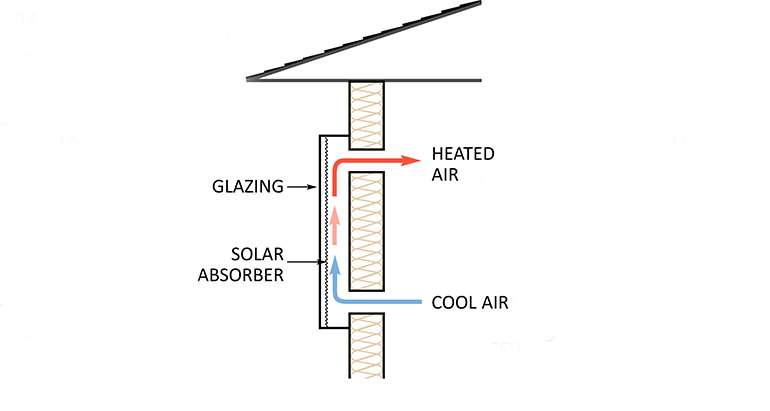
Solar air heaters have a few key parts. A collector panel is the main part. It absorbs sunlight and turns it into heat. Inside the panel, there is a dark surface that gets hot quickly. A transparent cover stops heat from escaping. The frame holds everything together and protects the system. Fans or vents help move air through the heater.
Heat Collection Process
Sunlight passes through the clear cover and hits the dark surface. The surface absorbs the sun’s energy and warms up. This heat transfers to the air trapped inside the collector. The air gets hotter as it stays near the warm surface. The design keeps most of the heat inside. This step is crucial for warming the air efficiently.
Air Circulation Mechanism
Warm air rises naturally. This movement pulls cooler air into the heater from the room. The cooler air heats up as it passes over the hot surface. A fan may help push the warm air inside the house. This cycle continues, slowly raising the room’s temperature. Fresh air circulates, making the space cozy and warm.
Types Of Solar Air Heaters
Solar air heaters come in different types. Each type works in a special way to heat air using the sun. Understanding these types helps you choose the right one for your needs. The main categories are active and passive systems. Both use solar energy but in different ways.
Active Systems
Active solar air heaters use fans or blowers. These devices move air through the heater. The sun warms the air inside the system. Then, the fan pushes warm air into the home or space. Active systems often need electricity to run the fan. They can heat air faster and more evenly. These systems are good for places needing quick heating.
Passive Systems
Passive solar air heaters work without fans. They rely on natural air movement. Warm air rises, and cool air enters the system. This movement moves air through the heater. Passive systems have fewer parts and use no electricity. They are simple and low cost. These heaters work best in areas with steady sunlight. They may heat air slower than active systems.
Comparison Of Designs
Active systems heat air faster than passive types. They use more energy due to fans or blowers. Passive heaters save energy but heat more slowly. Active systems give more control over air flow. Passive systems are quiet and need less maintenance. Both types are effective in different situations. Choose based on your budget, climate, and heating needs.
Performance Factors
Solar air heaters can save energy and lower heating costs. Their performance depends on several key factors. These factors affect how much heat the system can produce and how efficient it will be. Understanding these helps you get the best results.
Climate Influence
The local climate plays a big role in solar air heater performance. Sunny areas with clear skies provide more energy for heating. Cold and cloudy regions reduce the heat output. Seasonal changes also affect how much warmth the system can deliver. Solar air heaters work best in places with good sunlight for many hours each day.
Installation Placement
Where you place the solar air heater is very important. It should face the sun to catch maximum rays. South-facing walls or roofs in the Northern Hemisphere work well. Avoid shading from trees, buildings, or other objects. Proper angle and height help capture more sunlight. Correct placement can increase heat production by a large margin.
Material Quality
High-quality materials improve solar air heater efficiency. Good insulation keeps heat from escaping. Durable glazing lets sunlight pass while trapping warmth inside. Reliable fans and ducts move warm air effectively. Low-quality parts may wear out fast or lose heat. Choosing strong and efficient materials ensures long-term performance and better heating results.
Energy Savings And Efficiency
Solar air heaters offer a practical way to save energy and cut heating bills. They use sunlight to warm the air, reducing the need for electric or gas heating. This method is simple but effective, helping homes stay warm without high costs. Understanding how these heaters save energy and their efficiency helps decide if they fit your needs.
Reduction In Heating Costs
Solar air heaters lower the amount of energy used from traditional sources. This means smaller utility bills. Many users see noticeable drops in heating expenses during colder months. The system works by capturing free solar energy. Less reliance on electricity or gas leads to steady monthly savings.
Efficiency Ratings
Efficiency ratings show how well a solar air heater converts sunlight into heat. Most models have ratings between 50% and 70%. Higher efficiency means more warmth for less sunlight. Ratings depend on design, materials, and installation quality. Choosing a model with good efficiency ensures better performance.
Long-term Benefits
Solar air heaters require low maintenance and last many years. The initial cost pays off through ongoing energy savings. They reduce carbon footprints by using clean energy. Over time, these heaters increase home value. Investing in solar heating supports a greener lifestyle and lower bills.
Environmental Advantages
Solar air heaters offer clear environmental advantages. They help reduce pollution and save energy. Using the sun’s free heat lowers dependence on fossil fuels. This makes solar air heaters a smart choice for eco-friendly homes.
Lower Carbon Footprint
Solar air heaters cut down carbon dioxide emissions. They use sunlight instead of burning gas or oil. This means less air pollution and cleaner air. Homes with solar air heaters produce fewer greenhouse gases. It helps fight climate change and protect the planet.
Sustainable Heating Solution
Solar air heaters rely on renewable energy from the sun. This energy source is endless and free. They reduce the need for nonrenewable fuels that run out. Solar air heaters work quietly without noise or fumes. This makes them a sustainable, eco-friendly heating option.
Credit: www.ecohome.net
Common Challenges And Limitations
Solar air heaters offer a green way to warm your home. They save energy and reduce bills. Yet, they face some common challenges and limits. Understanding these helps in making a smart choice.
Weather Dependence
Solar air heaters rely on sunlight to work well. Cloudy or rainy days lower their heat output. In winter, shorter days reduce heating time. Nighttime means no heat at all. Locations with less sun may see weak performance.
Maintenance Needs
These heaters need regular care to stay efficient. Dust and dirt on panels block sunlight. Filters and fans require cleaning or replacement. Neglect can cause lower heat and system damage. Simple upkeep extends the life of the heater.
Initial Investment
Buying and installing solar air heaters cost more upfront. Prices vary based on size and type. This initial cost might discourage some homeowners. Over time, energy savings help recover expenses. Still, the start price is higher than traditional heaters.
Installation Tips
Installing a solar air heater takes some planning. The right setup makes it work better and last longer. A few simple tips help you get the most heat from your system.
Choosing The Right Location
Place the heater where the sun shines most. South-facing walls or roofs work best. Avoid spots blocked by trees or buildings. The clearer the sunlight, the warmer your home gets.
Sizing The System
Match the size of your heater to your room. Too small won’t warm enough. Too big wastes materials and space. Calculate the area you want to heat before buying.
Professional Vs Diy
Professional installers bring skill and tools. They ensure safety and good performance. DIY can save money but needs patience and care. Follow instructions closely to avoid mistakes.
Credit: www.ussolarheating.com
Cost Analysis And Incentives
Understanding the costs and incentives of solar air heaters helps in making a smart choice. This section breaks down the expenses and benefits. It shows how much you spend first and what you can save later. It also explains the rewards from the government or other programs. These points help estimate the total value of solar air heaters.
Upfront Costs
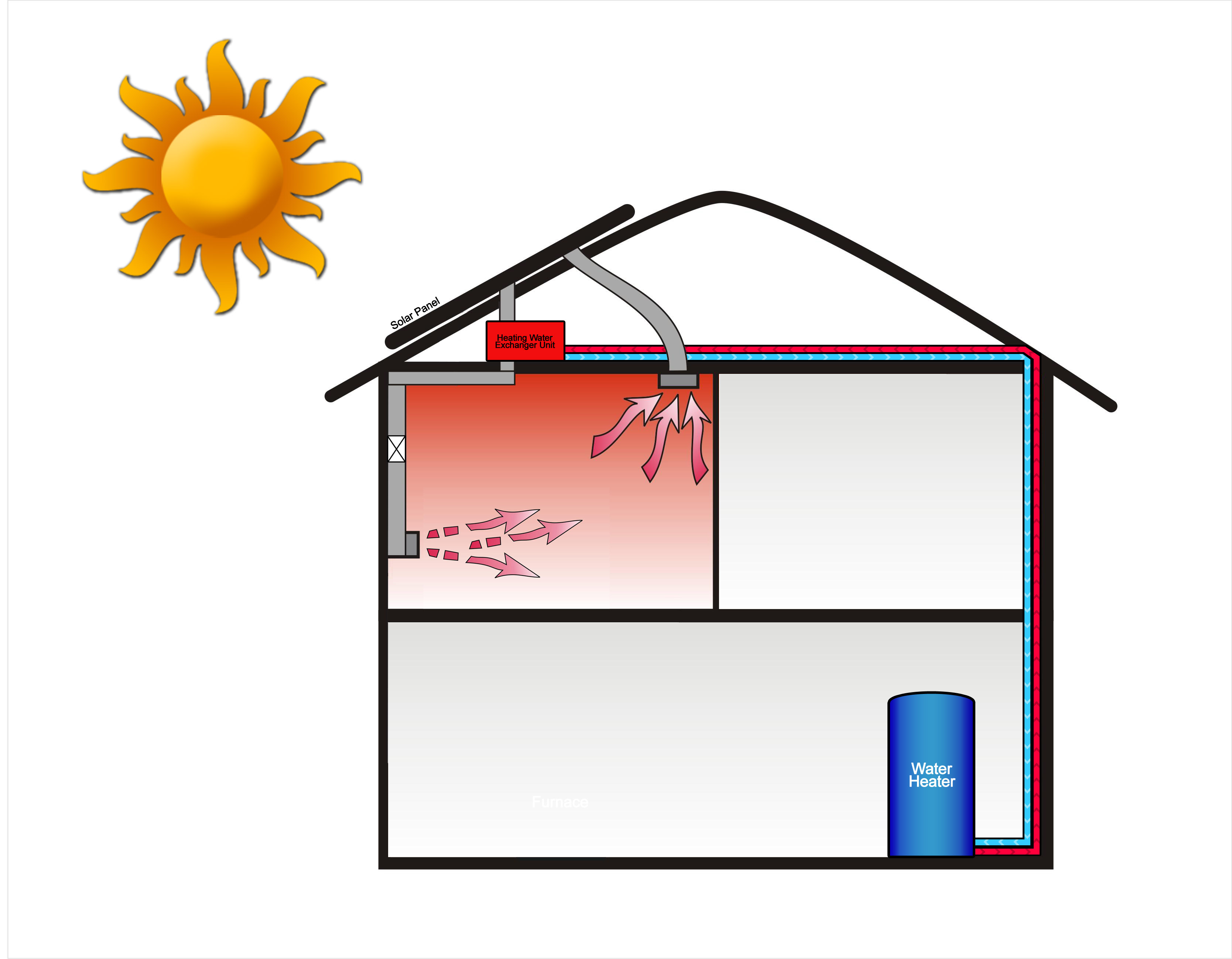
Solar air heaters need an initial payment for parts and installation. Prices vary based on size and quality. Smaller units cost less but heat less space. Larger units cost more but cover bigger areas. Installation costs depend on your home’s setup. Some homes need extra work to fit the system. These first expenses are important to plan for.
Available Rebates And Tax Credits
Many places offer rebates to lower costs. Rebates give back a portion of the price paid. Tax credits reduce the amount of tax you owe. These incentives make solar air heaters cheaper. Each state or country has different offers. Check local programs to find current deals. These savings can cut your upfront costs significantly.
Return On Investment
Return on investment shows how fast savings cover costs. Solar air heaters reduce energy bills by using free sunlight. Savings add up over months and years. Payback time depends on energy prices and heater size. Some users see returns in just a few years. After payback, the system continues to save money. This makes solar air heaters a good long-term choice.
User Experiences And Case Studies
User experiences and case studies offer real insights into how solar air heaters perform. These stories show the benefits and challenges faced by actual users. They help understand the practical use of solar air heaters in different settings.
Reading about real cases helps set clear expectations. It also reveals common issues and valuable tips. This section dives into success stories, common complaints, and lessons learned from users.
Success Stories
Many users report lower heating bills after installing solar air heaters. Some families cut their energy costs by up to 30%. People living in sunny areas find these heaters especially effective. One case involved a small business saving money on winter heating. The system worked quietly and required little maintenance. Several homeowners praised the easy installation and simple design. Solar air heaters often provide steady warmth on cold days. Users also enjoy their eco-friendly nature and reduced carbon footprint.
Common Complaints
Some users say solar air heaters do not heat enough in cloudy weather. The heat output can drop significantly without sun. A few users mention initial setup can be tricky for beginners. Others report occasional issues with air circulation or uneven heat. Some found the units less effective in very cold climates. A few users wish the designs were more durable or weatherproof. Noise from fans was a concern for some. These complaints help identify areas for improvement.
Lessons Learned
Proper placement of the solar air heater is crucial for best results. Facing the unit south in the Northern Hemisphere helps capture more sun. Insulating the room well improves heating efficiency. Regular cleaning of the solar panel keeps performance high. Users advise checking local climate before buying. Combining solar air heaters with other heating methods works well. Learning from others’ experiences can avoid common mistakes. Patience is key, as solar air heaters may take time to show benefits.
Future Trends In Solar Air Heating
The future of solar air heating looks promising. New trends are making these systems more efficient and user-friendly. The technology is evolving quickly to meet energy needs and reduce costs. This section explores key future trends in solar air heating.
Technological Innovations
Solar air heaters are becoming smarter and more efficient. New materials improve heat absorption and durability. Advanced designs reduce heat loss and increase airflow. Some systems now include automated controls for better temperature management. These innovations help users save more energy and money.
Market Growth
The demand for solar air heaters is rising worldwide. More people want clean and affordable heating solutions. Governments support solar technology with incentives and subsidies. This support encourages manufacturers to produce more units. The market will likely grow steadily in the next years.
Integration With Smart Homes
Solar air heaters are starting to connect with smart home systems. Users can monitor and control heating through apps. This integration allows better energy use and comfort. Smart sensors adjust heat based on room temperature and sunlight. Smart homes make solar air heating more convenient and efficient.

Credit: www.ussolarheating.com
Frequently Asked Questions
How Do Solar Air Heaters Work To Heat Indoor Spaces?
Solar air heaters capture sunlight using panels and convert it to warm air. This warm air is then circulated inside to raise room temperature. It’s a simple, energy-saving way to heat your home.
Are Solar Air Heaters Cost-effective Compared To Electric Heaters?
Solar air heaters use free sunlight, which lowers heating bills significantly. They have low operating costs after installation. Over time, they save more money than electric heaters.
Can Solar Air Heaters Work On Cloudy Or Cold Days?
Solar air heaters work best with direct sunlight but still produce some heat on cloudy days. Their efficiency drops without strong sun. In very cold weather, they may need backup heating.
How Easy Is It To Install A Solar Air Heater?
Most solar air heaters are easy to install on walls or windows. They don’t need complicated wiring or pipes. Many people can set them up without professional help.
Do Solar Air Heaters Require Maintenance To Keep Working Well?
Solar air heaters need little maintenance, usually just cleaning dust off panels. Checking for air leaks helps keep them efficient. Regular care ensures they last for many years.
Are Solar Air Heaters Eco-friendly And Reduce Carbon Footprint?
Solar air heaters use renewable energy, reducing reliance on fossil fuels. They produce no pollution during operation. Using them lowers your home’s carbon footprint and helps the environment.
Conclusion
Solar air heaters do work well for saving energy and cutting costs. They use sunlight to warm your home without extra fuel. These heaters are simple, eco-friendly, and easy to install. Keep in mind, their performance depends on your climate and setup.
They work best in sunny places and during colder months. Many find them a smart way to reduce heating bills. Thinking about a greener home? Solar air heaters can be a good option. Simple, effective heating—powered by the sun.