
Have you ever noticed your heater keeps running even after your home feels warm enough? It can be confusing and frustrating, especially when you’re trying to save on energy bills.
You might wonder if something is wrong with your system or if you’re wasting energy without realizing it. Understanding why your heater behaves this way can help you take control of your comfort and costs. Keep reading to uncover the common reasons behind this issue and learn simple fixes that can make a big difference.
Common Causes
Many heaters keep running even after reaching the set temperature. This issue wastes energy and raises bills. Understanding common causes helps find quick fixes. Here are some frequent reasons why your heater may not stop on time.
Faulty Thermostat
A broken thermostat often causes continuous heating. It may fail to sense the right temperature. This makes the heater run longer than needed. Sometimes, dirt or wear affects its sensors. Replacing or repairing the thermostat often stops this problem.
Poor Insulation
Rooms with poor insulation lose heat fast. The heater works hard to keep the room warm. It may run constantly to fight heat loss. Adding insulation to walls and windows reduces this issue. Better insulation keeps warmth inside, saving energy.
Oversized Heater
Heaters too large for a space cause problems. They heat the room quickly but cycle on and off too much. Sometimes, they run longer because the thermostat gets confused. A smaller heater fits the room better and runs efficiently.
Thermostat Placement Issues
Placing the thermostat in the wrong spot affects its reading. Near heat sources or drafts, it senses wrong temperatures. This causes the heater to run unnecessarily. Move the thermostat to a central, draft-free location for better control.
Credit: www.lennox.com
Thermostat Problems
Your heater keeps running after reaching the set temperature. The problem often lies in the thermostat. The thermostat controls when the heater turns on and off. If it has issues, the heater may run too long. Understanding thermostat problems helps you find the right fix.
Calibration Errors
Thermostats need accurate calibration to work properly. Calibration means setting the thermostat to the correct temperature. If it is off, the thermostat thinks the room is colder than it really is. This causes the heater to keep running. Simple calibration checks or resets can fix this.
Wiring Issues
Wiring connects the thermostat to the heater. Loose or damaged wires cause wrong signals. The heater may not get the “off” command. This makes it run nonstop. Checking wiring and fixing loose connections often stops this problem.
Sensor Malfunctions
Sensors in the thermostat detect room temperature. If sensors break or get dirty, they send wrong readings. The heater keeps running because the thermostat thinks it is still cold. Cleaning or replacing faulty sensors solves this issue quickly.
Heater Components To Check
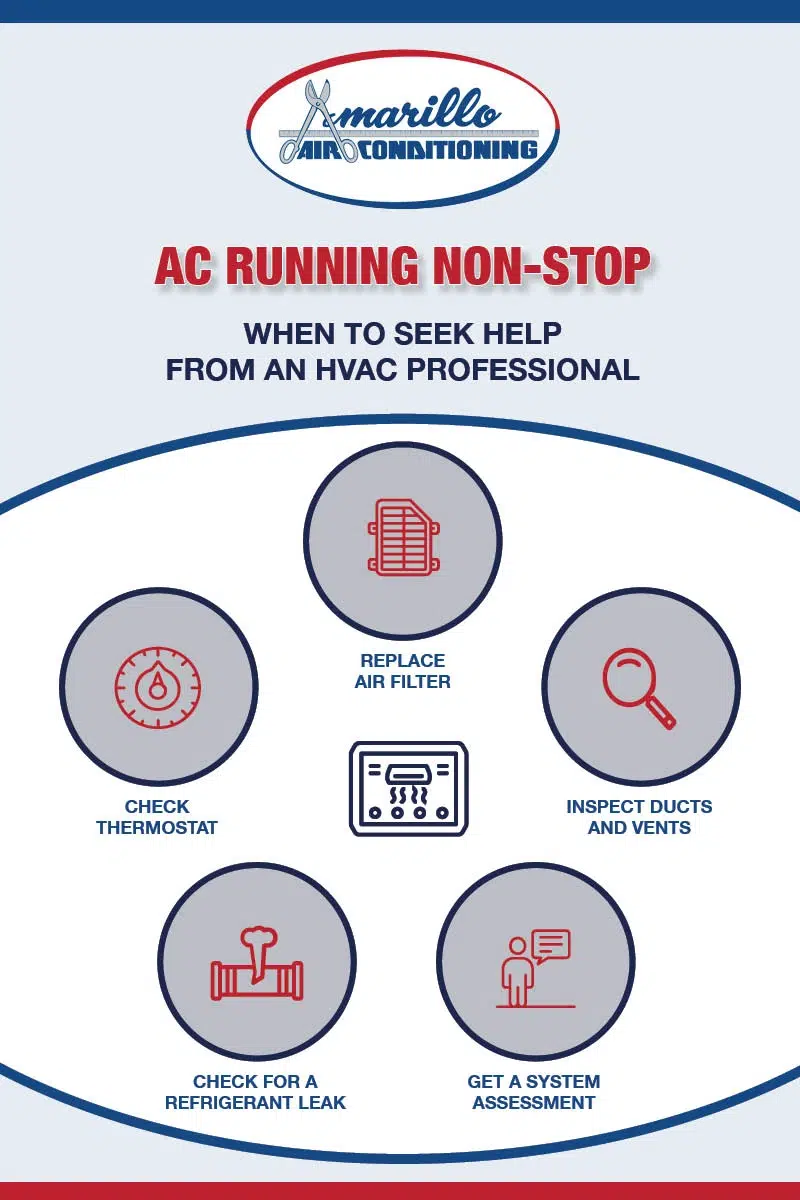
When your heater keeps running after reaching the set temperature, some key parts might be causing the issue. Checking these heater components can help find the problem. Knowing which parts to inspect saves time and money.
Focus on the fan limit switch, control board, and gas valve or electrical elements. Each plays a role in how your heater works. Problems in any of these can cause the heater to run longer than needed.
Fan Limit Switch
The fan limit switch controls the heater’s fan and heat cycle. It tells the fan when to turn on and off. If this switch is faulty, the fan might keep running even after the heater cools down. It may also keep the heater running too long. Checking or replacing the fan limit switch often fixes this issue.
Control Board
The control board acts like the heater’s brain. It sends signals to different parts. A damaged or malfunctioning control board can cause wrong signals. This can keep the heater running past the set temperature. Testing the control board helps find faults. Sometimes, a reset or replacement is needed.
Gas Valve Or Electrical Elements
The gas valve or electrical heating elements control the heat supply. A stuck gas valve or a faulty element can keep the heater on continuously. This wastes energy and risks overheating. Checking these parts for damage or wear is important. Repair or replacement may stop the heater from running too long.
Credit: www.amarilloair.com
Environmental Factors
Environmental factors play a big role in why your heater keeps running. These outside influences can confuse the thermostat. The heater may think the room is colder than it really is. Understanding these factors helps you find the problem fast.
Drafts And Air Leaks
Drafts make warm air escape. Cold air sneaks in through cracks around windows and doors. This makes the room feel chilly. The heater runs longer to fight the cold air coming in. Sealing these leaks can stop the heater from running nonstop.
Room Layout
The shape and size of your room affect heating. Large or oddly shaped rooms take longer to warm. Furniture or walls can block heat flow. The thermostat may not sense the right temperature. Moving the thermostat or rearranging furniture can help balance the heat.
External Temperature Influences
Outside weather impacts indoor heat. Very cold days make your home lose heat faster. The heater works harder to keep the set temperature. Windy or rainy weather also cools down walls and windows. These conditions cause your heater to run more than usual.
Diy Troubleshooting Steps
When your heater keeps running after reaching the set temperature, some simple checks can help. These DIY steps can fix common problems without needing a professional. Follow each step carefully to spot and solve the issue.
Resetting The Thermostat
Start by turning off your thermostat. Wait for about 30 seconds. Turn it back on and set your desired temperature. This reset can clear small errors that cause the heater to run continuously. Check if the heater stops when the room reaches the set temperature.
Inspecting Wiring Connections
Turn off power to your heater before checking wires. Look for loose or damaged wires around the thermostat and heater. Tighten any loose connections carefully. Damaged wires can cause wrong signals, making the heater run too long. Fix or replace damaged wires to ensure proper function.
Testing Heater Sensors
Heaters use sensors to measure room temperature. These sensors can fail or get dirty. Locate the sensor and clean it gently with a soft cloth. Test the sensor by comparing its reading to a reliable thermometer. Replace the sensor if it shows wrong temperature readings. A working sensor stops the heater at the right time.
When To Call A Professional
Knowing when to call a professional is key if your heater keeps running after reaching the set temperature. Some problems need expert tools and skills. Trying to fix complex issues alone can cause more damage or safety risks. A professional can find the root cause and fix it correctly. Below are signs to watch for and maintenance tips to keep your heater safe and efficient.
Identifying Complex Issues
Continuous running often means a deeper problem. Faulty thermostats, wiring issues, or control board failures may be the cause. These parts need special knowledge to test and repair. If your heater runs nonstop despite adjusting the thermostat, a professional check is best. Strange noises or smells also signal complex faults. Experts can diagnose these quickly and prevent further damage.
Safety Concerns
A heater that never stops can overheat and cause fire hazards. Gas heaters with leaks or electrical heaters with shorts pose serious dangers. Trying to fix these risks without training can lead to injury. Professionals follow safety rules and have proper tools. Calling a technician ensures your home stays safe and your heater works without risks.
Routine Maintenance Tips
Regular maintenance prevents many heater problems. Have a professional inspect your system yearly. They clean parts, check electrical connections, and test safety controls. This keeps your heater efficient and extends its life. Simple tasks like changing filters or clearing vents can help too. Scheduled care reduces chances of the heater running too long or breaking down.
Credit: www.amarilloair.com
Frequently Asked Questions
Why Does My Heater Run After Reaching The Set Temperature?
A common cause is a faulty thermostat that can’t sense the room temperature correctly. This makes the heater run longer than needed.
Can A Dirty Air Filter Cause My Heater To Keep Running?
Yes, a dirty air filter blocks airflow, making the heater work harder and run longer. Cleaning or replacing the filter helps.
Does Heater Size Affect How Long It Runs After Heating?
A heater that’s too small for the room may run constantly to reach the set temperature. Proper sizing is key to efficiency.
How Does A Malfunctioning Thermostat Sensor Affect Heater Cycles?
A bad sensor gives wrong temperature readings, causing the heater to stay on. Replacing or fixing the sensor usually solves this.
Can Drafty Rooms Cause The Heater To Run Continuously?
Cold drafts lower room temperature, so the heater runs longer to keep warm. Sealing windows and doors can stop this issue.
Conclusion
A heater running after reaching the set temperature can feel confusing. Common causes include a faulty thermostat or poor insulation. Checking these parts helps save energy and reduce bills. Regular maintenance keeps your heater working well. Don’t ignore unusual heater behavior; it may signal a problem.
Understanding why your heater keeps running can improve your comfort. Simple fixes often solve this issue quickly. Stay warm without wasting energy by addressing the root cause. Keep your home cozy and your heating system efficient.