
Are you wondering what size Rinnai direct vent heater you need to keep your space warm and cozy? Choosing the right size heater is key to staying comfortable without wasting energy or money.
If your heater is too small, your room won’t get warm enough. If it’s too big, you’ll spend more than necessary and risk uneven heating. You’ll discover simple tips to find the perfect size for your space. Keep reading, and soon you’ll know exactly which Rinnai direct vent heater fits your needs perfectly.
Credit: www.deltatechnology.it
Choosing Rinnai Heater Size
Choosing the right size for your Rinnai direct vent heater ensures effective and efficient heating. A heater that is too small will not warm your space properly. A heater that is too large will waste energy and money. Understanding key factors helps pick the right size for your needs.
Factors Affecting Heater Size
The size of the heater depends on several factors. First, the size of the room matters. Larger rooms need heaters with more power. Second, the room’s layout affects heat distribution. Open spaces may need stronger heaters. Third, insulation quality influences how much heat is lost. Poor insulation requires a bigger heater. Lastly, the climate of your area plays a role. Colder climates need heaters with higher capacity.
Room Dimensions And Layout
Measure the length, width, and height of your room. Multiply these to find the room’s volume. Higher ceilings mean more space to heat. Open floor plans allow heat to spread differently. Separate rooms may need individual heaters. This measurement helps determine the heater’s power level.
Insulation And Climate Considerations
Good insulation keeps heat inside and reduces heater size needs. Walls, floors, and windows must be well sealed. Poor insulation means heat escapes quickly. The climate influences heater choice too. Cold regions need heaters with higher output. Warmer areas can use smaller heaters. Adjust heater size based on both insulation and climate.

Credit: everestkitchennc.com
Calculating Heat Requirements
Calculating the heat requirements is the first step to choose the right Rinnai direct vent heater. The heater must match the space size and keep it warm comfortably. Too small a heater will not warm the room well. Too large wastes energy and money. Understanding how to measure heat needs helps pick the perfect model.
Btu Basics
BTU stands for British Thermal Unit. It measures heat energy. One BTU is the heat needed to raise one pound of water by one degree Fahrenheit. Heaters are rated by BTU output. Higher BTU means more heat. Rooms with bigger space need heaters with higher BTU. Knowing BTU helps compare heater sizes easily.
Estimating Btu Needs
Start by measuring your room’s square footage. Multiply the length by the width. Then multiply that number by 20 to 30 BTU per square foot. Use 20 BTU for well-insulated rooms and 30 BTU for less insulated rooms. This gives a rough estimate of the BTU needed. Adjust this number based on ceiling height and outside temperature.
Adjusting For Room Usage
Consider how you use the room. Rooms used often need more heat. Living rooms or kitchens might need extra BTU. Rooms with many windows lose heat faster. Add 10% to 20% more BTU for rooms with large windows. Rooms with less use or good sunlight can use less BTU. Adjusting BTU ensures comfort and efficiency.
Rinnai Heater Models
Choosing the right Rinnai heater model helps you stay warm and save energy. Rinnai offers several direct vent heaters to fit different room sizes and heating needs. Each model varies in size, power, and features. Understanding these differences makes picking the best heater easier.
Popular Direct Vent Options
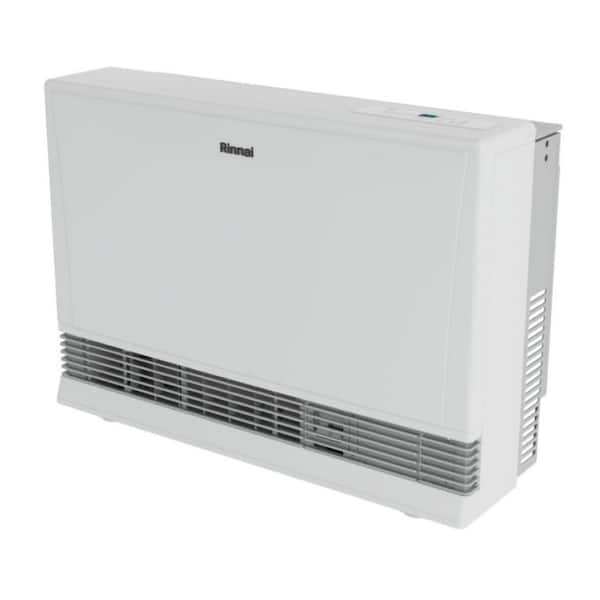
Rinnai has many direct vent heaters popular with homeowners. The Rinnai EX Series is compact and good for smaller rooms. The Rinnai RE Series offers more power for medium to large spaces. The Rinnai Ultra Series provides advanced controls and higher heat output. Each option suits different room sizes and budgets.
Btu Ratings By Model
BTU ratings show how much heat a heater produces. The EX Series ranges from 5,000 to 10,000 BTUs. The RE Series covers 7,000 to 15,000 BTUs. The Ultra Series goes up to 18,000 BTUs. Higher BTU means more heat and a larger room can be warmed effectively.
Features And Benefits
Rinnai heaters come with many useful features. Most models include a thermostat for easy temperature control. They have quiet operation and energy-saving modes. Safety features like automatic shut-off add peace of mind. Some models include remote controls and timers. These benefits make Rinnai heaters practical and comfortable.
Credit: www.homedepot.com
Installation Tips
Installing a Rinnai direct vent heater requires careful planning. Proper installation ensures safety and efficient heating. This section covers essential tips for a smooth setup process.
Vent Placement Guidelines
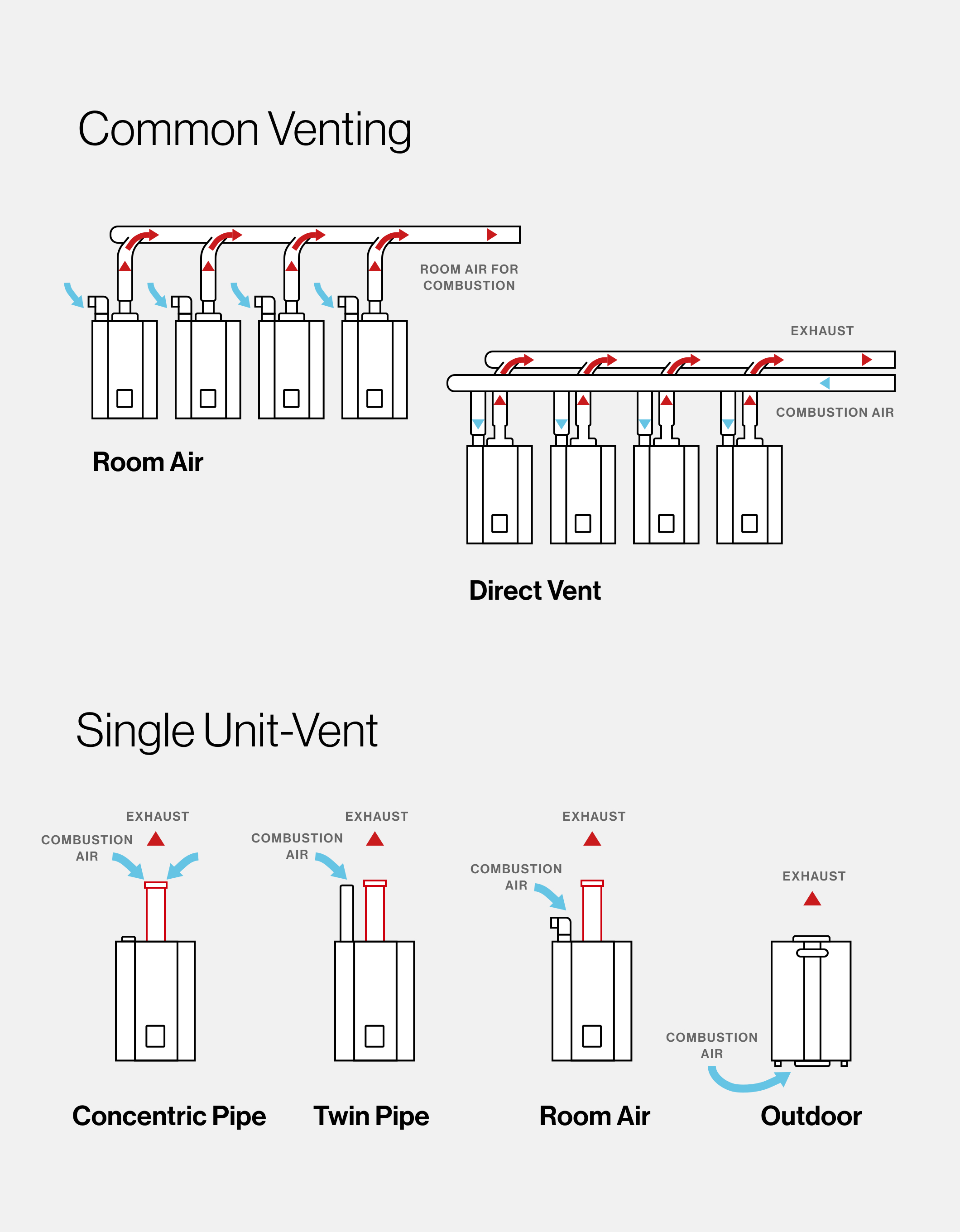
Place the vent where fresh air can easily enter. Avoid locations near obstructions like bushes or walls. Make sure the vent exhaust points away from windows and doors. Keep vents at least 12 inches above the ground. This prevents blockages from snow or debris.
Clearance And Safety
Maintain proper clearance around the heater. Follow the manufacturer’s recommended distances from furniture and walls. Keep flammable materials far from the heater. Check for any local codes about clearance rules. Good airflow is essential for safety and heater performance.
Professional Vs Diy Installation
Professional installation guarantees proper setup and safety. Certified installers understand venting and gas connections well. DIY installation saves money but carries risks. Mistakes can cause leaks or poor performance. Consider your skill level before choosing the method.
Energy Efficiency And Costs
Choosing the right size Rinnai direct vent heater affects energy use and costs. A properly sized heater runs efficiently, saving money. Too large or too small units waste fuel and raise bills. Understanding energy efficiency helps pick the best model for your space.
Here are key points to consider about fuel use and expenses.
Fuel Consumption
Fuel consumption depends on heater size and output. Larger heaters use more fuel but heat faster. Smaller heaters use less fuel but may run longer. Check the heater’s BTU rating to estimate fuel needs. Efficient models convert fuel to heat with little waste.
Operating Expenses
Operating costs include fuel price and how long the heater runs. Natural gas or propane prices affect monthly bills. A well-sized heater lowers running time and cuts costs. Regular maintenance prevents extra expenses from poor performance.
Maximizing Heater Efficiency
Place the heater where heat spreads evenly. Keep vents clear for proper airflow. Use a thermostat to control temperature and avoid overheating. Insulate your home to keep heat inside. These steps improve efficiency and reduce fuel use.
Troubleshooting Size Issues
Troubleshooting size issues with your Rinnai direct vent heater can save energy and improve comfort. A heater too big or too small causes problems. Spotting these signs early helps you fix the issue fast.
Signs Of Oversized Heater
An oversized heater heats the room too fast and then shuts off. This cycle repeats often, causing wear and higher bills. The heater may feel too hot near the unit. Rooms might have uneven temperatures, with some spots too warm.
Signs Of Undersized Heater
An undersized heater runs non-stop but still feels cold. It struggles to reach the desired temperature. The heater may make strange noises or emit a burning smell. You might notice drafts or cold spots in the room.
When To Upgrade Or Replace
Consider upgrading if your heater cannot keep up with cold days. Frequent repairs or high energy bills also signal a problem. Replacement makes sense if the unit is old or inefficient. Choose the right size for your room for best results.
Frequently Asked Questions
What Size Rinnai Heater Is Best For A Small Room?
A small room usually needs a heater with 5,000 to 7,000 BTUs. This size warms the space without wasting energy or money.
How Do I Calculate The Right Heater Size For My Home?
Measure the room size in square feet, then multiply by 20 BTUs per square foot. This gives a good estimate for your heater size.
Can A Rinnai Direct Vent Heater Heat Multiple Rooms?
Most models are designed for one room or open spaces. For multiple rooms, you may need more than one heater or a larger unit.
Does Insulation Affect The Size Of Rinnai Heater Needed?
Yes, well-insulated rooms need less heat power than poorly insulated ones. Adjust your heater size based on how well your home holds heat.
What Happens If My Heater Is Too Large Or Small?
A too-large heater wastes energy and causes temperature swings. A too-small heater struggles to warm the space well. Choosing the right size saves money and keeps comfort steady.
Conclusion
Choosing the right size Rinnai direct vent heater matters. It keeps your space warm and saves energy. Measure your room carefully before deciding. Bigger is not always better. A properly sized heater works efficiently and lasts longer. Think about insulation and room shape too.
This helps you pick the perfect model. A good heater makes your home cozy all winter. Take your time and choose wisely. Your comfort depends on it.