
Are you waking up to a cold shower or struggling with no hot water when you need it most? If your Richmond water heater isn’t giving you the warm water you rely on, you’re not alone—and you don’t have to stay in the cold.
Understanding why your water heater stops working can save you time, money, and frustration. You’ll discover simple steps to identify the problem and get your hot water flowing again quickly. Keep reading to take control of your comfort and avoid unexpected chills.

Credit: kaz-metiz.com
Common Causes Of No Hot Water
No hot water in Richmond homes can cause major discomfort. Understanding common causes helps fix the problem faster. Many issues are simple and can be checked quickly. Others may need professional help. Identifying the right cause saves time and money.
Pilot Light Issues
The pilot light keeps the water heater burning. If it goes out, no heat is produced. Drafts, dirt, or gas supply problems can put out the light. Relighting the pilot light often solves the issue. Safety is important when handling the pilot light.
Thermostat Problems
The thermostat controls water temperature. A faulty thermostat might not signal the heater to warm water. This causes cold water flow. Thermostat settings can also be wrong. Checking and adjusting the thermostat can restore hot water.
Sediment Buildup
Water heaters collect minerals and sediment over time. This buildup covers the heating elements. It reduces heat transfer and lowers efficiency. Sediment causes uneven heating or no hot water. Flushing the tank removes sediment and improves performance.
Faulty Heating Elements
Electric water heaters use heating elements to warm water. Elements can burn out or break. Broken parts stop heating, causing no hot water. Testing and replacing faulty elements restores heat quickly. This fix usually requires basic tools and skills.
Gas Supply Interruptions
Gas water heaters need a steady gas flow. Interruptions cut off fuel and stop heating. Problems may come from the gas line, valve, or meter. Confirming gas supply and fixing leaks or blockages restores hot water. Professional help is often needed for gas issues.
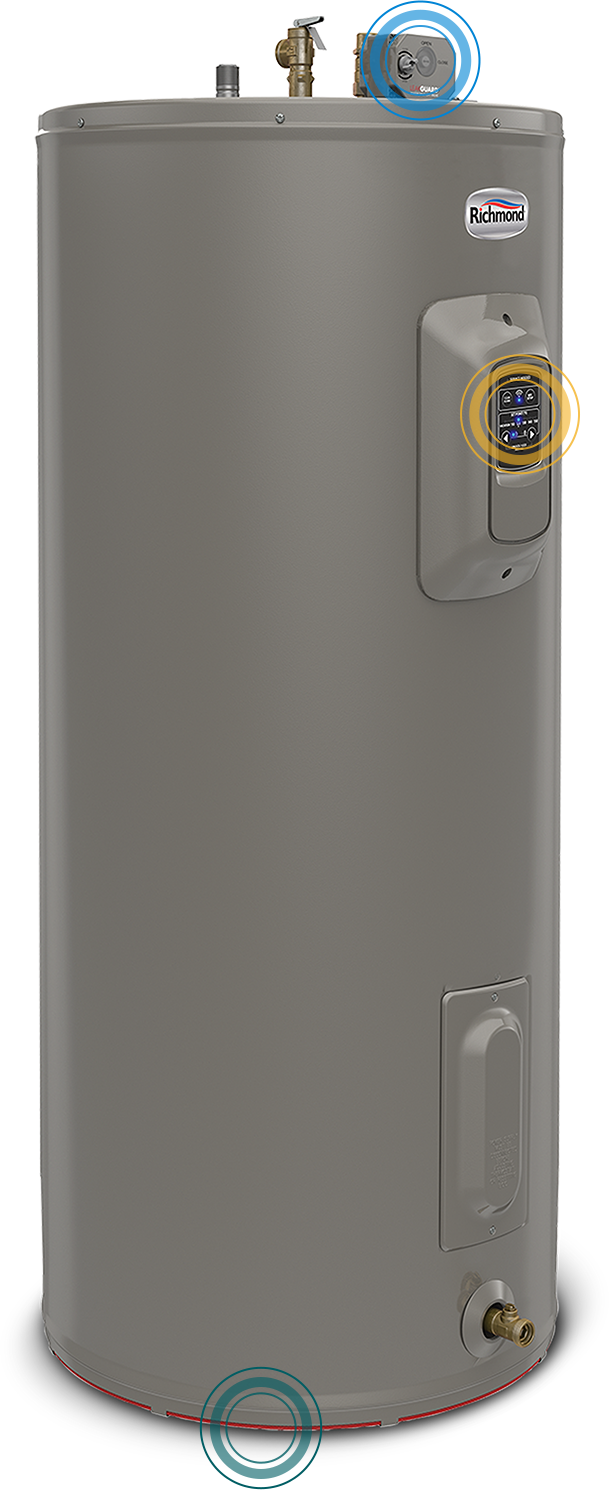
Credit: www.richmondwaterheaters.com
Simple Diy Fixes
Simple DIY fixes can often solve the problem of no hot water from your Richmond water heater. These easy steps save time and money. You might not need a plumber right away.
Try these fixes carefully. They require basic tools and common sense. Always follow safety rules and turn off power or gas before starting.
Relighting The Pilot Light
The pilot light is a small flame that heats the water. If it goes out, no hot water flows. Find the pilot light knob on your heater. Turn it off for a few minutes. Then turn it to “pilot” and press the button while lighting the flame with a match or lighter. Hold the button for 30 seconds, then release. The pilot light should stay lit.
Resetting The Water Heater
Sometimes the water heater needs a reset. Look for a red reset button on the thermostat. Press it firmly. This can fix electrical glitches. If the button pops out again, there might be a bigger issue.
Adjusting The Thermostat
The thermostat controls water temperature. It might be set too low. Find the thermostat dial and increase the temperature to 120°F (49°C). Wait 30 minutes and check if water heats up. Avoid setting it too high to prevent burns.
Flushing The Tank
Mineral buildup inside the tank can block heat. Flushing removes these deposits. Turn off the heater and water supply. Open the drain valve and let water flow out. Close the valve and refill the tank. This improves heating and extends heater life.
Replacing Heating Elements
Electric water heaters have heating elements that can fail. If the water stays cold, test these parts. Turn off power and drain some water. Remove the element cover and use a multimeter to check for continuity. Replace faulty elements with the exact type for your heater.
When To Call A Professional
Knowing when to call a professional for your Richmond water heater no hot water issue saves time and stress. Some problems need expert skills and tools. Trying to fix serious issues alone can cause more damage or risk safety. Professionals can diagnose and fix issues quickly. They ensure your water heater works safely and efficiently.
Persistent Heating Problems
If your water heater keeps failing to produce hot water, it is time to call a professional. Repeated problems mean a deeper issue exists. A technician can find hidden faults that are hard to see. They will fix the root cause, not just the symptoms. This prevents future breakdowns and keeps your water heater reliable.
Gas Leak Concerns
Smelling gas near your water heater is dangerous. Gas leaks can cause fires or explosions. Do not try to fix a gas leak yourself. Shut off the gas supply and call a professional immediately. Trained technicians know how to detect and repair gas leaks safely. Your safety depends on quick expert help.
Electrical Issues
Water heaters with electrical problems pose risks. Faulty wiring or broken parts can cause shocks or fires. Only a licensed electrician or technician should handle electrical repairs. They have the tools to test and fix wiring safely. Call a professional if your water heater trips breakers or won’t power on.
Water Heater Age And Condition
Old water heaters often lose efficiency and break down. If your heater is over 10 years old and has issues, a professional can advise on repair or replacement. They inspect the tank and parts to check for rust, leaks, or damage. Early professional advice can save money and prevent sudden failures.
Preventive Maintenance Tips
Preventive maintenance keeps your water heater working well and lasts longer. Simple checks and small tasks can stop problems before they start. Regular care saves money and avoids the trouble of no hot water. Follow these tips to keep your Richmond water heater in good shape.
Regular Flushing Schedule
Flush your water heater every six months. This removes sediment that builds up inside the tank. Sediment causes blockages and reduces heating efficiency. Use the drain valve to empty the tank safely. Flushing keeps the heater clean and working well.
Inspecting For Leaks
Look for water around the base of the heater. Check pipes and connections for drips or moisture. Leaks waste water and damage floors. Fix leaks quickly to avoid bigger problems. Early detection saves repair costs and keeps water hot.
Checking The Anode Rod
The anode rod prevents rust inside the tank. Inspect it every year. Replace the rod if it looks worn or corroded. A good rod protects the tank and extends its life. Easy to check with basic tools.
Thermostat Calibration
Set the thermostat to the right temperature, usually 120°F. Too high wastes energy and risks burns. Too low may cause no hot water. Test and adjust the thermostat yearly. Proper settings improve comfort and save energy.
Professional Inspections
Hire a technician for a yearly check-up. Experts find problems you might miss. They test parts and clean inside the unit. Professional care keeps your water heater safe and efficient. Schedule inspections to prevent sudden breakdowns.
Energy Efficiency Considerations
Energy efficiency plays a big role in solving no hot water problems in Richmond. A water heater that uses less energy saves money and helps the environment. Small changes can make your water heater run better and last longer. Understanding energy efficiency tips can keep your water warm without high bills.
Upgrading To Energy-efficient Models
Old water heaters use more energy and break down often. New models use less power and heat water faster. Look for water heaters with good energy ratings. These models cut energy use and reduce your monthly costs. Investing in a new unit can fix hot water issues and save money.
Insulating The Water Heater
Insulating keeps heat inside the tank. This means the water stays warm longer. Use a water heater blanket or insulation jacket. It is easy to install and costs little. Proper insulation reduces energy waste and improves heater performance.
Using Timer Controls
Timer controls turn the water heater on and off at set times. This stops the heater from running all day. Use timers to heat water only when needed. It saves energy and prevents the tank from overheating. Timers help avoid wasting energy during low use periods.
Lowering Thermostat Settings
High thermostat settings use more energy. Lowering the temperature saves power and prevents scalding. Set the thermostat to 120°F (49°C) for safe, efficient heating. This simple step cuts energy use without losing comfort. It also extends the life of your water heater.
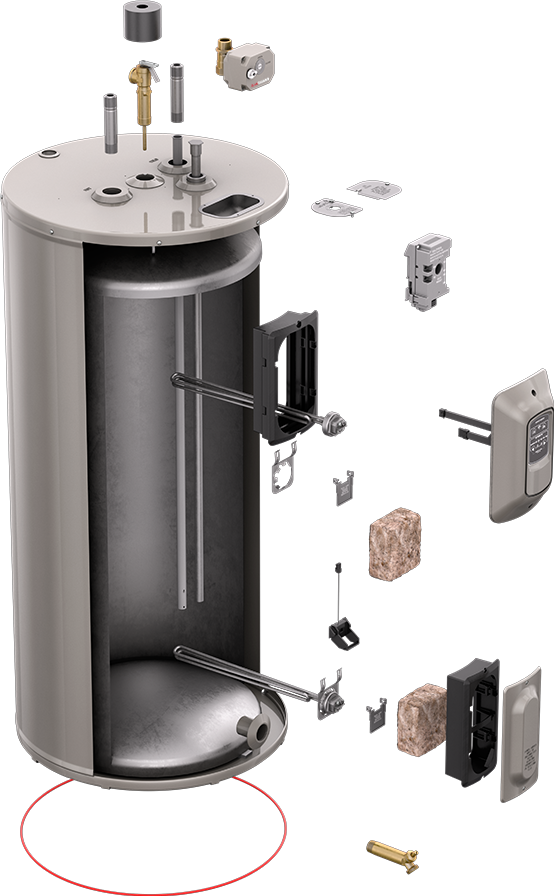
Credit: www.richmondwaterheaters.com
Frequently Asked Questions
Why Is My Richmond Water Heater Not Producing Hot Water?
A faulty thermostat or pilot light issue often causes no hot water from your Richmond heater.
How Can I Reset My Richmond Water Heater?
Turn off the power, wait a few minutes, then switch the power back on to reset.
What Causes A Richmond Water Heater Pilot Light To Go Out?
Drafts, dirt, or a broken thermocouple usually cause the pilot light to extinguish.
How Do I Check The Thermostat On My Richmond Water Heater?
Use a multimeter to test the thermostat for proper voltage and temperature settings.
Can Sediment Buildup Affect Richmond Water Heater Performance?
Yes, sediment can block heat transfer, causing less or no hot water output.
When Should I Call A Professional For My Richmond Water Heater?
Call a pro if troubleshooting doesn’t restore hot water or if you see leaks or strange noises.
Conclusion
A water heater with no hot water can disrupt your day. Quick checks on power, pilot light, and thermostat help find issues fast. Sometimes, simple fixes save time and money. For ongoing problems, a professional in Richmond can assist. Regular maintenance keeps your water heater working well.
Stay warm and comfortable with timely care. Don’t let cold water slow you down. Act promptly to restore hot water at home.