
Are you having trouble with your Mr Heater regulator? If your heater isn’t working right or the flame keeps acting up, the problem could be with the regulator.
This small but crucial part controls the gas flow and keeps your heater running safely. Ignoring regulator issues can lead to unsafe conditions or leave you cold when you need warmth the most. You’ll learn how to spot common Mr Heater regulator problems, what causes them, and simple steps you can take to fix or prevent these issues.
Keep reading to make sure your heater works reliably whenever you need it.

Credit: www.amazon.com
Common Regulator Issues
Mr Heater regulators play a key role in controlling gas flow safely. Problems with these parts can stop your heater from working well. Understanding common regulator issues helps keep your heater safe and efficient.
Regulator problems often start small but can lead to bigger risks. Spotting these issues early protects you and your equipment.
Signs Of Regulator Failure
Watch for strange smells near the heater. Gas leaks cause a rotten egg odor. A hissing sound near the regulator also signals a leak.
If your heater won’t light or stays weak, the regulator might be faulty. Fluctuating flame size or yellow flames can mean low gas pressure.
Sometimes, the heater shuts off randomly. This can be a safety response to regulator failure.
Causes Of Malfunction
Regulators fail due to dirt or debris blocking gas flow. Dust and insects can clog small parts inside the regulator.
Wear and tear from long use also damages the regulator’s parts. Rubber seals can crack, causing leaks.
Improper installation or using the wrong regulator causes pressure problems. Extreme cold can make regulators stiff and less effective.
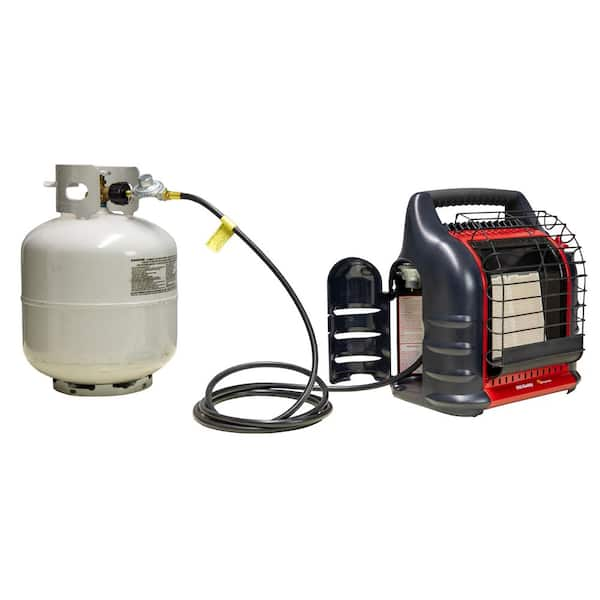
Credit: www.homedepot.com
Safety Precautions
Safety is the top priority when using Mr Heater regulators. Problems with regulators can cause leaks and fires. Taking simple safety steps protects your home and family. Follow these important precautions to handle gas regulators safely and prevent leaks.
Handling Gas Regulators Safely
Always check the regulator for cracks or damage before use. Replace any worn or broken parts immediately. Attach the regulator firmly to the gas tank. Avoid forcing connections that do not fit easily. Keep the regulator and gas tank upright during use. Store regulators in a cool, dry place away from heat sources. Never use a damaged regulator, as it may cause dangerous gas leaks.
Preventing Gas Leaks
Inspect the gas hose and regulator for leaks regularly. Use a soapy water solution on connections to check for bubbles. Bubbles mean gas is escaping and the connection is not tight. Turn off the gas supply immediately if you detect a leak. Replace faulty hoses or regulators without delay. Ensure all connections are secure before lighting the heater. Always use regulators designed for your specific heater model.
Step-by-step Troubleshooting
Troubleshooting a Mr Heater regulator is a simple process. Follow these steps carefully. They help find and fix common problems fast. Start with the gas supply. Then check the regulator itself. Finish by testing for leaks. This method keeps you safe and saves time.
Checking The Gas Supply
First, ensure the gas tank has fuel. Turn the valve fully open. Check the hose for cracks or damage. Make sure the connection is tight. No gas means no heat. Fix any leaks or damages before moving on.
Inspecting The Regulator
Look closely at the regulator for visible issues. Check for dents or broken parts. The regulator controls gas flow. A faulty regulator can cause low heat or no heat. Replace any damaged regulator to keep the heater safe.
Testing For Leaks
Mix soap and water in a spray bottle. Spray the mixture on gas connections and regulator. Watch for bubbles forming. Bubbles mean gas is leaking. Turn off the gas immediately if leaks appear. Tighten connections or replace faulty parts to stop leaks.
Simple Fixes
Simple fixes can solve many Mr Heater regulator problems quickly. Regular care keeps your heater working well and safe. These easy steps help you avoid costly repairs and downtime.
Cleaning The Regulator
Dirt and dust can block the regulator’s parts. Turn off the heater and disconnect the gas supply first. Use a soft brush or cloth to clean the outside. For inside parts, use compressed air to remove debris. Keep the regulator dry and free from grease. Clean regularly to maintain good gas flow.
Replacing Damaged Parts
Check the regulator for cracks, rust, or worn-out seals. Damaged parts cause leaks and poor performance. Buy replacement parts designed for your Mr Heater model. Remove old parts carefully, then install new ones firmly. Use tools that fit well to avoid damage. Replace parts as soon as you notice wear.
Adjusting Pressure Settings
The regulator controls gas pressure to the heater. Low pressure means weak heat; high pressure is unsafe. Find the adjustment screw on the regulator body. Turn it slowly clockwise to increase pressure or counterclockwise to reduce it. Use a pressure gauge for accuracy. Set the pressure according to your heater’s manual.
When To Replace The Regulator
The regulator is an important part of your Mr Heater system. It controls the flow of gas to the heater. Over time, regulators can wear out or stop working properly. Knowing when to replace the regulator helps keep your heater safe and efficient. Watch for signs that show the regulator needs replacing. Choose the right replacement to ensure your heater works well.
Signs You Need A New Regulator
Check for leaks or a strong gas smell near the regulator. This can mean it is damaged or broken. If your heater does not warm up well, the regulator might be the problem. Listen for unusual sounds like hissing or popping from the regulator. It may also feel hot to the touch, which is not normal. A cracked or bent regulator body is a clear sign to replace it.
Choosing The Right Replacement
Pick a regulator made for your Mr Heater model. Check the pressure rating matches the heater’s needs. Use parts approved by the manufacturer for safety. Avoid cheap or generic regulators that may not fit or work well. Make sure the connection type matches your heater and gas source. Buying the right regulator keeps your heater safe and running smoothly.
Maintaining Your Regulator
Maintaining your Mr Heater regulator is key to safe and efficient heating. Regular care stops problems before they start. A well-kept regulator lasts longer and works better. Simple steps can protect your heater and keep you warm.
Routine Checks
Check the regulator for cracks or damage each time you use it. Look for dirt or debris on the connection points. Clean the regulator gently with a dry cloth. Test for leaks by applying soapy water to the joints. Bubbles mean a leak, so fix it immediately. Replace worn or damaged parts without delay. Ensure the regulator fits tightly to the propane tank.
Storage Tips
Store the regulator in a dry, cool place away from sunlight. Keep it in a sealed container to avoid dust and moisture. Remove the regulator from the tank before storing. Avoid heavy objects on top of the regulator. Check the regulator again before using after storage. Proper storage prevents rust and damage. It also keeps the regulator ready for the next use.
Expert Tips For Longevity
Keeping your Mr Heater regulator working well takes care and smart habits. Small actions can stop big problems and make the device last longer. Follow these expert tips to protect your regulator and keep it running smoothly for years.
Avoiding Common Mistakes
Do not force the regulator onto the tank. Tighten it by hand only. Over-tightening can damage the seal and cause leaks. Always check for dirt or debris on the connection. Clean parts before attaching to avoid blockages. Store the regulator in a dry place away from dust. Avoid dropping or hitting the device. Rough handling can crack internal parts and cause failures.
Enhancing Regulator Performance
Check the regulator regularly for signs of wear or damage. Replace worn-out parts immediately. Use the correct type of propane tank recommended for your heater. Keep the valve clean and free from rust. Use a leak detector spray to find any gas leaks early. Let the regulator cool down before disconnecting it. Heat can weaken seals and increase wear. Follow the manufacturer’s instructions for use and maintenance to get the best performance.

Credit: www.youtube.com
Frequently Asked Questions
What Are Common Mr Heater Regulator Problems?
Common problems include gas leaks, low pressure, and regulator freezing during use.
How To Fix A Mr Heater Regulator Leak?
Check for cracks or damage and tighten connections to stop leaks quickly.
Why Does My Mr Heater Regulator Freeze Up?
Freezing happens due to moisture or overuse causing the regulator to get too cold.
Can A Faulty Regulator Affect Heater Performance?
Yes, a bad regulator can cause weak flames or heater not working at all.
How Often Should I Replace My Mr Heater Regulator?
Replace the regulator every 5 years or if you see damage or leaks.
Is It Safe To Use A Mr Heater With Regulator Issues?
Using a heater with regulator problems can be unsafe; always inspect and repair before use.
Conclusion
Mr Heater regulator problems can cause safety and performance issues. Regular checks help spot leaks or damage early. Always replace faulty parts with the right models. Clean the regulator and hoses to keep them working well. Proper care extends the heater’s life and keeps you safe.
Small steps prevent big problems later. Stay alert and follow safety tips for best results. Your heater will run smoothly and keep you warm. Simple maintenance saves time and stress. Safety first, always.