
Are you tired of your kerosene heater acting up just when you need it most? Whether it’s not heating properly, producing strange odors, or causing unexpected problems, these issues can turn your cozy space into a source of frustration.
Understanding the common kerosene heater problems can save you time, money, and even keep you safe. You’ll discover what might be wrong with your heater and how to fix it quickly. Keep reading to make sure your heater works smoothly all winter long.

Credit: www.ilhafm.com.br
Kerosene Heater Basics
Kerosene heaters provide reliable warmth, especially during cold months. They run on kerosene fuel, which burns to create heat. These heaters are popular in places without central heating or during power outages.
Understanding how kerosene heaters work and the types available can help you use them safely and effectively. This knowledge also helps in identifying common problems and fixing them.
How It Works
A kerosene heater uses a wick to absorb fuel from a tank. The wick draws kerosene up to the burner. When lit, the kerosene burns and produces heat. A metal grid or reflector directs the heat outward.
The flame size controls heat output. Adjusting the wick changes the flame height. Proper ventilation is essential to avoid harmful fumes. Some models include fans to spread heat faster.
Types Of Kerosene Heaters
There are two main types of kerosene heaters: convective and radiant. Convective heaters warm the air around them. They work well in small to medium rooms.
Radiant heaters send heat directly to objects and people nearby. These are best for spot heating in larger spaces. Portable models offer flexibility but need careful handling.
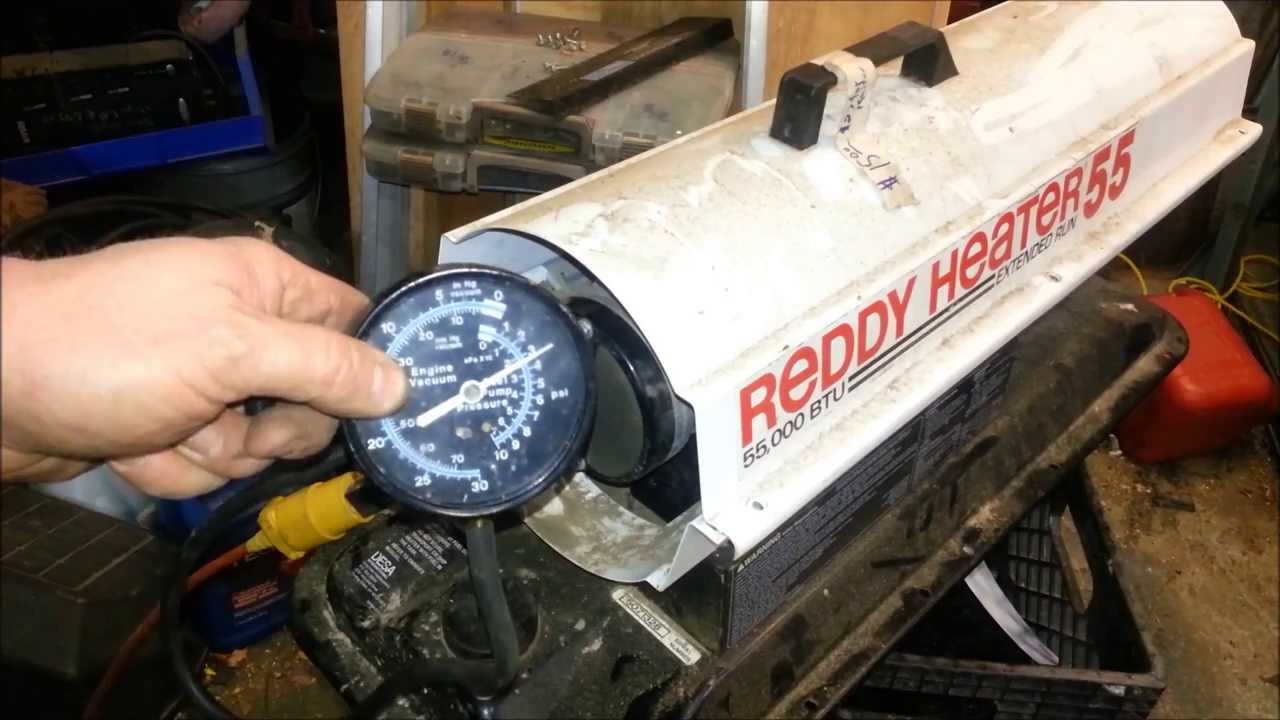
Credit: www.youtube.com
Common Kerosene Heater Issues
Kerosene heaters provide warmth during cold months. Yet, they sometimes face common problems. These issues can stop the heater from working correctly. Understanding these problems helps keep your heater safe and efficient. Below are some frequent kerosene heater issues and their signs.
Heater Won’t Ignite
The heater may fail to light up. This issue often comes from dirty wick or low fuel. Check the wick for dirt or damage. Also, ensure the fuel tank has enough kerosene. Cleaning or replacing the wick can solve this problem.
Weak Or No Flame
A weak flame means the heater gives less heat. This problem happens when the wick is too low or clogged. Another cause is poor-quality fuel. Adjust the wick height and clean it. Use fresh kerosene to improve flame strength.
Unusual Odors
Bad smells from the heater can indicate trouble. It might mean fuel leaks or incomplete burning. Make sure the heater is ventilated well. Check for spills or leaks around the tank. Never ignore strange odors while the heater runs.
Excessive Smoke
Smoke coming from the heater is a warning sign. It often points to a dirty wick or wrong fuel type. Smoke means the heater is not burning fuel cleanly. Clean the wick and use the right kerosene. Avoid burning other liquids or old fuel.
Heater Shuts Off Unexpectedly
The heater may stop without warning. This can happen due to overheating or low fuel. Some models have safety switches that turn off the heater. Check the fuel level and allow the heater to cool down. Regular maintenance helps prevent sudden shutdowns.
Troubleshooting Tips
Troubleshooting kerosene heater problems is key to safe and effective heating. Simple checks can solve many common issues quickly. Follow these easy steps to keep your heater working well and avoid bigger problems.
Checking Fuel Quality
Use clean, fresh kerosene for the best results. Old or contaminated fuel can cause poor burning and strange smells. Store fuel in a sealed container to keep it fresh. Avoid mixing kerosene with other liquids.
Cleaning The Wick
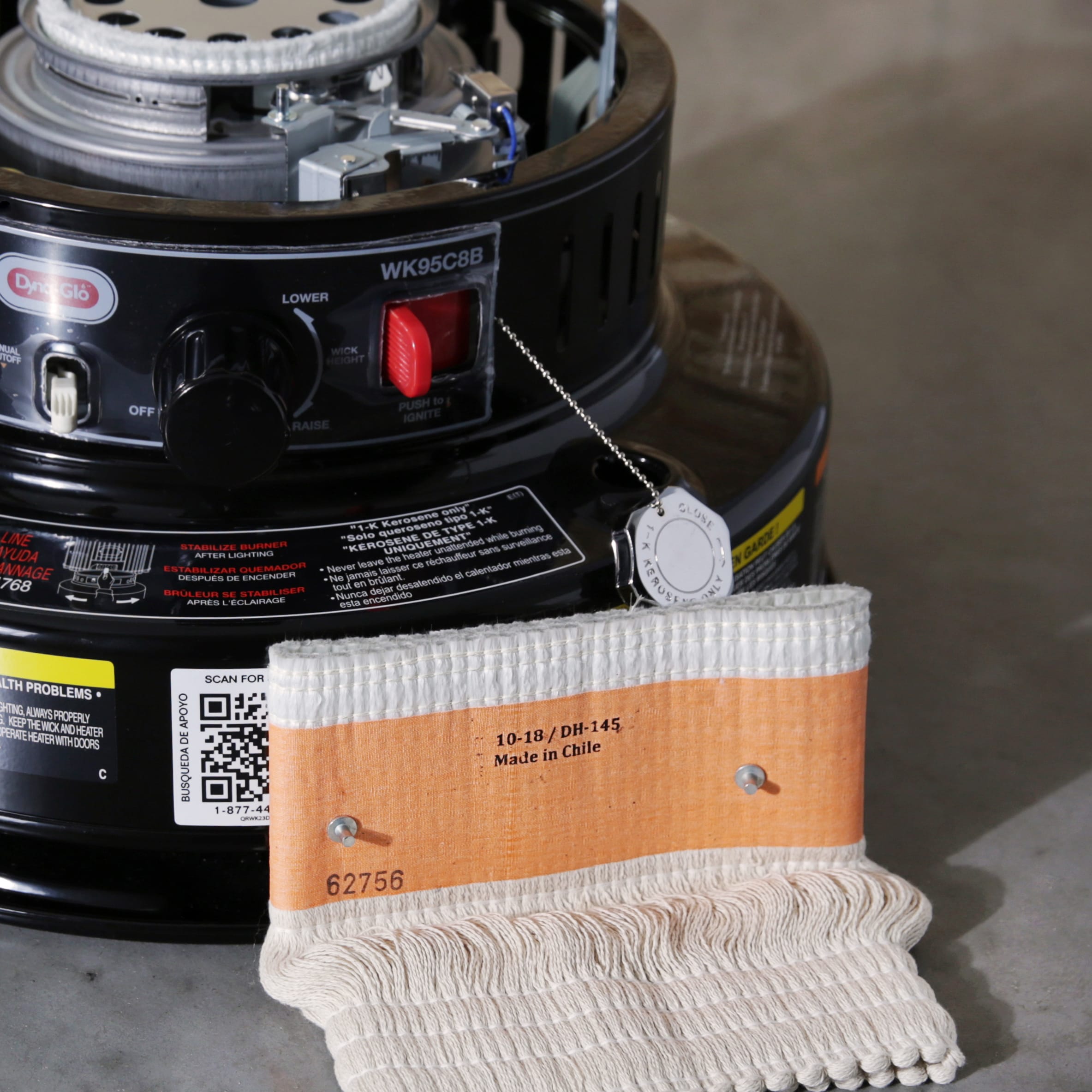
A dirty wick can stop the heater from lighting or cause weak flames. Remove the wick and trim any burnt parts carefully. Soak the wick in clean kerosene to remove dirt. Replace the wick if it is too worn out.
Adjusting The Flame
The flame should be steady and blue with small yellow tips. A too-high flame wastes fuel and creates smoke. Lower the flame until it burns cleanly. Watch the flame closely while adjusting for the best setting.
Inspecting The Fuel Tank
Check the tank for leaks or rust before use. Clean the tank regularly to remove dirt and water. Ensure the fuel cap seals tightly to prevent spills. Replace the tank if it shows signs of damage.
Simple Repairs
Simple repairs can keep your kerosene heater working well. Many common problems have easy fixes. These fixes save money and extend heater life.
Basic tools and parts often handle these repairs. Learning a few simple steps helps you feel confident. Keep your home warm and safe with quick fixes.
Replacing The Wick
The wick is key to your heater’s flame. A worn wick causes poor heat and smoke. Remove the old wick carefully before installing a new one. Follow the heater’s guide for the right size. Trim the wick if needed to avoid uneven burning.
Fixing Ignition Problems
Ignition issues stop the heater from lighting. Clean the ignition coil and check the spark. Replace batteries if your heater uses them. Make sure the ignition switch works well. Sometimes, a simple reset solves the problem.
Sealing Fuel Leaks
Fuel leaks are dangerous and waste fuel. Locate the leak by smelling or spotting wet spots. Tighten loose connections and replace damaged seals. Use kerosene-safe sealant for small cracks. Always check for leaks before turning on the heater.
Safety Precautions
Using a kerosene heater can be very helpful in cold weather. Safety must be your top priority. Taking the right steps keeps you and your family safe. Learn the key safety precautions to avoid accidents and problems.
Proper Ventilation
Kerosene heaters need fresh air to work safely. Always use them in a well-ventilated room. Open a window or door slightly. This stops dangerous gases from building up. Poor ventilation can cause carbon monoxide poisoning. Never use a kerosene heater in a closed space.
Handling Fuel Safely
Only use the correct kerosene fuel for your heater. Store fuel in a safe, cool place away from flames. Never fill the heater while it is hot or running. Use a funnel to avoid spills. Clean up any fuel spills immediately to prevent fire risks.
Regular Maintenance
Keep your kerosene heater clean and in good condition. Check the wick and replace it if it looks worn. Clean the heater’s parts regularly to avoid clogs. Follow the manufacturer’s instructions for maintenance. Regular care helps the heater work efficiently and safely.
When To Call A Professional
Knowing when to call a professional for kerosene heater problems saves time and prevents danger. Some issues need expert care to avoid accidents or damage. Acting quickly helps keep your heater safe and working well.
Persistent Issues
Problems that keep happening need a professional’s help. If your heater won’t stay lit or keeps shutting off, a technician can find the root cause. Simple fixes might not work for repeated troubles. A pro can also check for hidden problems that you cannot see.
Complex Repairs
Some repairs are too hard to do alone. Issues with the fuel system or electrical parts need special tools and skills. Trying to fix these can cause more damage or be unsafe. Professionals have experience and know the right steps to fix complex problems safely.
Credit: everestkitchennc.com
Frequently Asked Questions
What Are Common Problems With Kerosene Heaters?
Kerosene heaters often face issues like poor ignition, fuel leaks, and smoke. Dirty wicks or old fuel can cause these problems. Regular cleaning helps keep the heater working well.
Why Does My Kerosene Heater Smell Bad?
A bad smell usually means incomplete burning or dirty wick. It can also happen if the fuel is old or low quality. Changing the fuel and cleaning the wick often fixes this.
How Can I Fix A Kerosene Heater That Won’t Light?
Check the wick for dirt or damage and replace it if needed. Make sure you use fresh kerosene fuel. Also, keep the heater in a well-ventilated area for safety.
What Causes Kerosene Heater Smoke During Use?
Smoke often comes from a clogged or worn wick. Using dirty or poor fuel can also cause smoke. Regular wick cleaning and fresh fuel reduce smoke problems.
How Do I Prevent Kerosene Heater Problems?
Use clean, fresh kerosene fuel and change the wick regularly. Keep the heater clean and check for leaks. Proper care makes the heater safer and lasts longer.
Conclusion
Kerosene heaters can have some common problems to watch for. Regular cleaning helps keep them working well. Always check for leaks and bad smells. Proper ventilation keeps the air safe and fresh. Fix small issues early to avoid big troubles.
Using the right fuel also makes a difference. Staying careful ensures your heater stays warm and reliable. Keep your home cozy without worry. Simple care makes a big difference.