
Have you ever wondered if it’s safe to leave your space heater plugged in when you’re not using it? You’re not alone.
Many people worry about the risks but aren’t sure what the facts say. Your safety and peace of mind matter, especially when it comes to devices that generate heat in your home. You’ll discover the truth about space heaters and how to use them without putting yourself or your loved ones at risk.
Keep reading to learn simple tips that can protect your home and give you confidence every time you turn on your heater.
Space Heater Risks
Space heaters are common in many homes during cold months. They offer quick warmth but carry risks that users must understand. Leaving a space heater plugged in unattended can lead to safety problems. Knowing these risks helps keep your home safe and warm.
Fire Hazards
Space heaters can cause fires if placed too close to flammable items. Curtains, papers, and furniture can catch fire easily. A heater left on for a long time increases this danger. Always keep heaters away from anything that can burn.
Electrical Issues
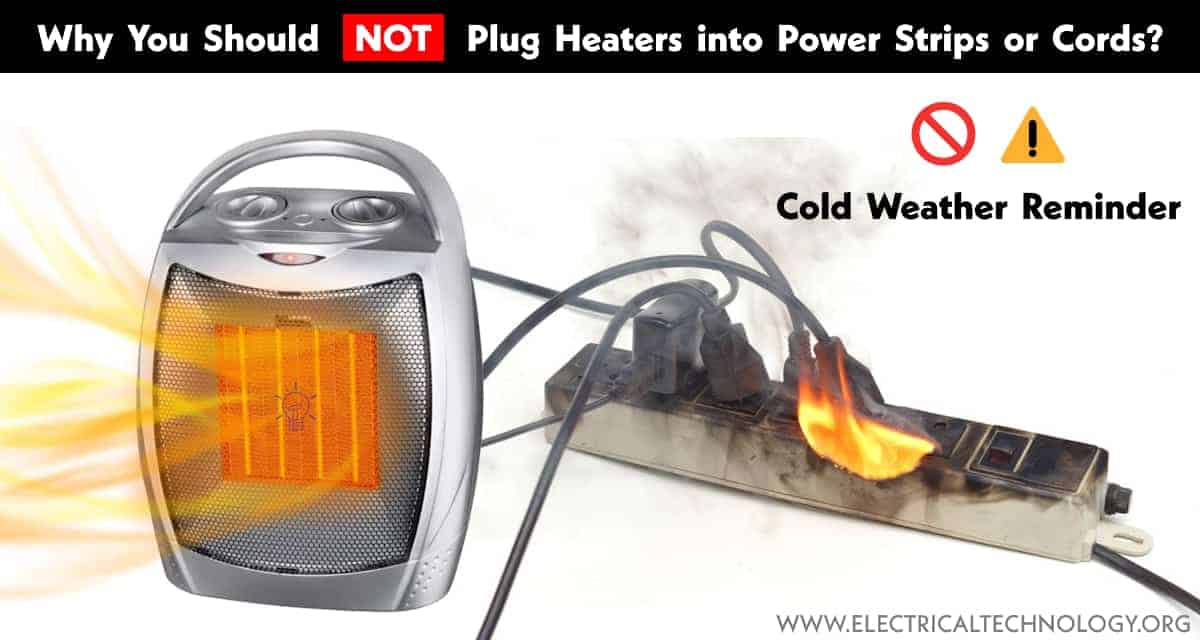
Plugging a space heater into the wrong outlet can cause electrical problems. Overloaded circuits may trip or start sparks. Using an extension cord is risky because it can overheat. Make sure to use the heater with the correct power source to avoid shocks or shorts.
Overheating Concerns
Space heaters may overheat if left running too long. Overheating can damage the heater and increase fire risk. Many models have safety features, but these are not always foolproof. Turn off the heater when not in use to prevent overheating.
When Leaving Heaters Plugged In
Leaving a space heater plugged in can raise safety and energy questions. Knowing the risks and best practices helps protect your home. Space heaters use a lot of power. They also can cause electrical problems if not handled properly. Understanding what happens when heaters stay plugged in is important.
Manufacturer Recommendations
Most manufacturers advise unplugging heaters when not in use. This reduces fire risk and electrical hazards. Some models have safety features but are not foolproof. Always read the user manual carefully. Follow the specific instructions for your heater model. Ignoring these guidelines can lead to accidents or damage.
Energy Consumption
Space heaters consume power even when off but still plugged in. This is called “phantom” or standby energy use. It may seem small but adds up over time. Unplugging heaters saves electricity and lowers bills. Simple habits like disconnecting the heater can improve energy efficiency.
Standby Mode Effects
Some heaters enter standby mode when switched off but plugged in. In this mode, they use minimal electricity to stay ready. Standby power can cause slight heat and wear parts faster. This may reduce the heater’s lifespan. Turning off and unplugging is safer and better for the device.
Safe Usage Practices
Using a space heater safely helps prevent accidents and keeps your home warm. Following simple rules can reduce risks and make heating more effective. Proper use means placing the heater correctly, keeping it away from flammable items, and doing regular checks. These steps protect your family and property.
Placement Guidelines
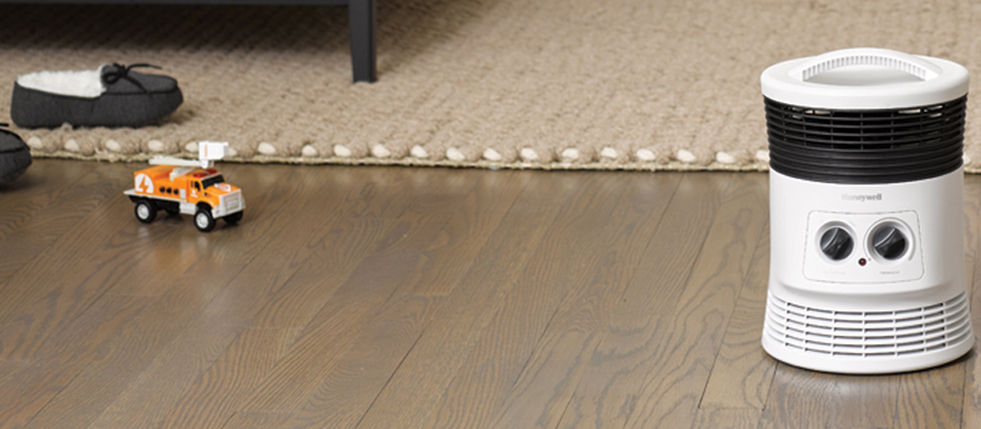
Place the heater on a flat, stable surface. Avoid soft surfaces like beds or sofas. Keep it at least three feet away from walls and furniture. Make sure it is not near water sources. Never block air vents or place objects on top of the heater. Proper placement ensures good airflow and reduces fire risk.
Avoiding Flammable Materials
Keep curtains, papers, and clothing far from the heater. These items can catch fire easily. Do not store fuel or chemicals near the heater. Avoid using the heater in cluttered spaces. Clear the area around the heater to keep it safe. This simple habit lowers the chance of fire.
Regular Maintenance
Check the heater regularly for damage or wear. Look for frayed cords or broken parts. Clean dust and debris from vents and fans. Unplug the heater before cleaning. Follow the manufacturer’s instructions for maintenance. Keeping the heater in good condition helps it run safely and efficiently.

Credit: www.firstforwomen.com
Smart Heater Features
Smart heater features make space heaters safer and easier to use. These features help prevent accidents and save energy. They give peace of mind when you leave a heater plugged in. Understanding these features can help you choose a safer heater for your home.
Automatic Shutoff
Automatic shutoff turns the heater off after a set time or if it gets too hot. This stops overheating and reduces fire risk. It also saves electricity by not running the heater longer than needed. Many modern heaters have this feature for extra safety.
Tip-over Protection
Tip-over protection stops the heater if it falls over. A small switch inside the heater senses the fall and cuts power immediately. This feature is vital in homes with children or pets. It prevents fires caused by heaters lying on their sides.
Thermostat Controls
Thermostat controls let you set the exact temperature you want. The heater turns off and on to keep the room at that temperature. This feature prevents overheating and saves energy. It also keeps your room comfortable without constant adjustments.
Alternative Heating Options
Choosing the right heating method is important for safety and comfort. Space heaters can be risky if left plugged in. Many safer options provide warmth without constant supervision. Explore some popular alternatives to keep your home cozy.
Central Heating
Central heating warms your entire home from one system. It uses a furnace or boiler to heat air or water. This heat moves through ducts or pipes to every room. Central heating is safe and efficient. It needs less attention than space heaters. You can control the temperature with a thermostat. This system reduces fire risk and saves energy.
Electric Blankets
Electric blankets warm your bed quickly and safely. They use low electrical power to generate heat. Most have automatic shut-off features for safety. You can adjust the heat level to your comfort. Electric blankets are ideal for cold nights. They reduce the need to heat the whole room. Always follow the manufacturer’s instructions for safe use.
Infrared Panels
Infrared panels heat objects and people directly. They do not warm the air like other heaters. This method feels natural and is energy-efficient. Infrared panels are thin and easy to install on walls. They provide steady, gentle warmth without noise. These panels have low fire risk and work silently. Infrared heating suits small rooms or offices.
Credit: www.electricaltechnology.org
Emergency Preparedness
Emergency preparedness is vital when using space heaters. These devices can pose fire risks if not handled properly. Taking safety steps can protect your home and family from danger.
Preparing for emergencies means having the right tools and plans ready. This increases your chance of staying safe during unexpected fires or accidents.
Smoke Detector Installation
Smoke detectors warn you early about fire. Install them in every bedroom, hallway, and living area. Test them monthly and change batteries yearly.
Place detectors near the space heater but not too close to avoid false alarms. Proper placement saves lives by giving time to react.
Fire Extinguisher Use
Keep a fire extinguisher nearby your space heater. Learn how to use it correctly before an emergency happens. Choose a multipurpose extinguisher for home fires.
Use the PASS method: Pull the pin, Aim at the base, Squeeze the handle, and Sweep side to side. This technique helps control small fires fast.
Escape Plan Tips
Create a simple escape plan for your household. Mark two ways out of each room. Practice this plan regularly with all family members.
Choose a safe meeting spot outside the house. Teach children how to call emergency services. Quick action saves lives during a fire.
Credit: www.honeywellpluggedin.com
Frequently Asked Questions
Is It Dangerous To Leave A Space Heater Plugged In All Night?
Leaving a space heater plugged in all night can be risky. It may cause overheating or fire if not used properly. Always follow the heater’s safety instructions.
Can A Space Heater Cause Electrical Fires If Left Plugged In?
Yes, space heaters can cause electrical fires if faulty or misused. Avoid using damaged cords and never plug into overloaded outlets. Safety checks reduce fire risks.
Should I Unplug My Space Heater When Not In Use?
Unplugging your space heater when not in use is safer. It prevents accidental fires and saves electricity. Make it a habit for better safety.
How Can I Safely Use A Space Heater At Home?
Keep the heater away from flammable items and never leave it unattended. Use a heater with safety features like automatic shut-off. Proper placement is key.
Does Leaving A Space Heater Plugged In Waste Electricity?
A space heater draws minimal power when off but still plugged in. Unplugging it saves a small amount of electricity. It’s a simple way to reduce energy use.
Conclusion
Leaving a space heater plugged in can be risky. It may cause overheating or fire hazards. Always unplug the heater when not in use. Use heaters with safety features like automatic shut-off. Place heaters on flat surfaces away from flammable items.
Regularly check the heater and cord for damage. Safety should always come first in every home. Stay alert and follow simple rules to avoid accidents. Your well-being depends on careful heater use. Small actions can prevent big problems.