
Are you planning to install kitchen cabinets but worried about those baseboard heaters getting in the way? You’re not alone.
Many homeowners face this challenge and wonder how to make the most of their space without blocking heat or damaging their walls. The good news is, with the right approach, you can have stylish cabinets and efficient heating working together perfectly.
You’ll discover simple, practical tips to install your kitchen cabinets over baseboard heaters safely and effectively. Keep reading to learn how to transform your kitchen without sacrificing comfort or style.
Choosing The Right Cabinets
Choosing the right cabinets for installation over baseboard heaters requires careful thought. The cabinets must handle heat safely and fit well in the space. Proper ventilation is also key to avoid damage. This section covers the main points to consider when selecting kitchen cabinets.
Materials That Withstand Heat
Heat from baseboard heaters can damage some cabinet materials. Choose cabinets made from heat-resistant materials. Solid wood and metal cabinets work well because they tolerate warmth. Avoid particleboard or MDF, which can warp or swell. Heat-resistant finishes also help protect surfaces.
Size And Depth Considerations
Measure the available space precisely before buying cabinets. Cabinets should not block heat flow or cover the heater completely. Keep a small gap between the heater and cabinet bottom. Shallow cabinets often fit better over heaters. Proper size ensures safety and helps keep the kitchen comfortable.
Ventilation-friendly Designs
Good airflow prevents heat buildup around cabinets. Look for cabinet designs with open backs or vents. These allow heat to escape and stop moisture from collecting. Installing grills or slots in cabinet doors also improves ventilation. Proper air movement extends cabinet life and protects the heater.
Measuring And Planning
Measuring and planning are the first steps to install kitchen cabinets over baseboard heaters. Accurate measurements keep your cabinets safe and functional. Careful planning helps avoid damage to the heater and ensures good heat flow.
Assessing Heater Dimensions
Start by measuring the height, width, and depth of the baseboard heater. Note the heater’s exact position on the wall. This helps to know how much space you have for cabinets.
Check if the heater has any special shapes or parts sticking out. These details affect the cabinet design and placement.
Allowing Clearance For Heat Flow
Leave space between the heater and the cabinets for air to move. This clearance stops heat from building up behind the cabinets. It protects both the heater and the wood.
Follow the heater manufacturer’s recommendations for safe distance. Usually, a few inches are enough for proper airflow.
Marking Wall And Heater Positions
Use a pencil to mark the heater’s edges on the wall. Mark the floor line under the heater too. These marks guide cabinet installation.
Mark cabinet outlines based on heater size and clearance space. This helps keep your work precise and easy.
Installation Techniques
Installing kitchen cabinets over baseboard heaters needs special care. Heat from the heater can damage the cabinets. Following the right installation techniques helps protect your cabinets. It also ensures they stay firmly in place. Below are key methods to install cabinets safely above baseboard heaters.
Building A Heat-resistant Frame
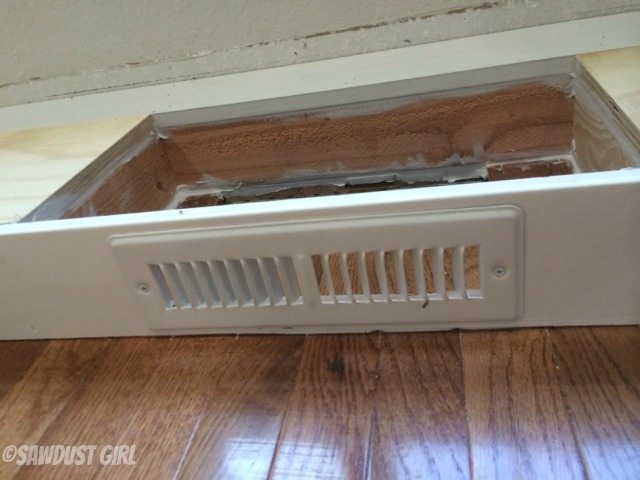
Create a frame that keeps cabinets away from direct heat. Use metal or heat-resistant wood for the frame. This frame acts as a barrier between heater and cabinet. It helps prevent heat damage. Ensure the frame fits tightly around the heater’s shape. Leave enough space for air to flow freely.
Securing Cabinets Above Heaters
Attach cabinets firmly to the wall above the heater. Use strong screws and anchors for better support. Avoid drilling into the heater or its housing. Check that the cabinets do not touch the heater’s surface. This prevents heat transfer and fire risk. Double-check the cabinet’s weight to avoid strain on mounts.
Using Spacer Blocks And Brackets
Install spacer blocks to increase distance between heater and cabinets. Use fire-resistant materials for these spacers. Brackets help hold cabinets steady and secure. Attach brackets to the wall, not the heater. This setup keeps cabinets stable and safe. Proper spacing improves heat circulation around the heater.

Credit: www.reddit.com
Safety Precautions
Installing kitchen cabinets over baseboard heaters requires careful safety measures. Heat can damage cabinets and reduce heater performance. Fire risks increase without proper spacing and materials. Taking safety precautions protects your home and investment.
Avoiding Heat Damage To Cabinets
Keep cabinets at least two inches away from the heater. Use heat-resistant materials near the heater area. Avoid direct contact between the cabinet and heater. Allow air to flow freely to prevent heat buildup. Regularly check cabinets for signs of warping or discoloration.
Maintaining Heater Efficiency
Do not block heater vents with cabinet panels. Leave enough space for warm air to circulate. Clean heater vents to remove dust and debris. Proper airflow keeps the heater working well. Poor airflow causes higher energy use and damage.
Fire Safety Tips
Install a smoke detector near the kitchen area. Keep flammable items away from the heater. Use fire-resistant paint or coatings on cabinets near the heater. Regularly inspect wiring and connections of the heater. Have a fire extinguisher accessible in the kitchen.
Maximizing Space
Installing kitchen cabinets over baseboard heaters can be tricky. It often limits the space available for storage and design. Maximizing space in this area is essential. Smart planning helps create more room for your kitchen items. It also keeps the heater safe and effective.
Incorporating Storage Solutions
Use shallow cabinets to fit above the heater without blocking heat. Choose cabinets with open shelves to store frequently used items. Add hooks or small racks inside cabinet doors for extra storage. These ideas keep your kitchen organized without crowding the heater.
Customizing Cabinet Interiors
Add pull-out trays or baskets inside cabinets for better access. Use adjustable shelves to fit different sizes of pots and pans. Consider built-in dividers for utensils or cutting boards. Customized interiors make every inch count and keep things tidy.
Using Vertical Space Effectively
Extend cabinets up to the ceiling for more storage. Use tall, narrow shelves for spices or small containers. Install magnetic strips or pegboards on cabinet sides for tools. Vertical storage helps use space that often goes wasted.
Credit: www.spec-school.org
Maintenance And Care
Proper maintenance and care keep your kitchen cabinets over baseboard heaters safe and lasting. These cabinets face heat and dust daily. Taking small steps helps avoid damage and keeps your kitchen looking neat. Follow simple tasks regularly for the best results.
Cleaning Around Heaters
Dust and dirt gather quickly near baseboard heaters. Clean this area weekly to stop buildup. Use a soft cloth or vacuum with a brush attachment. Avoid harsh cleaners that may harm cabinet finishes. Keep vents clear to allow proper heat flow.
Inspecting For Heat Damage
Check cabinets regularly for signs of heat damage. Look for discoloration, warping, or peeling paint. Early spotting helps fix problems before they worsen. Use a flashlight to see under and behind cabinets well. Replace or repair damaged parts promptly.
Adjusting Cabinets Over Time
Heat can cause cabinets to shift or loosen over time. Tighten screws and check hinges every few months. Make small adjustments to keep doors aligned. Keep an eye on gaps between cabinets and heaters. Proper fitting prevents heat damage and keeps cabinets stable.
Credit: granitenations.com
Frequently Asked Questions
Can Kitchen Cabinets Be Installed Over Baseboard Heaters?
Yes, cabinets can be installed over baseboard heaters with proper clearance. This prevents heat damage and allows safe heat circulation.
How Much Space Is Needed Between Cabinets And Heaters?
A minimum of 3 inches of space is recommended. This gap protects cabinets from heat and allows airflow.
Will Heat Damage My Kitchen Cabinets?
Heat can warp or discolor cabinets if they are too close. Proper spacing and heat-resistant materials help avoid damage.
What Materials Work Best Near Baseboard Heaters?
Heat-resistant wood or metal cabinets are best near heaters. These materials handle heat better and last longer.
Can I Cover Baseboard Heaters With Cabinet Doors?
Covering heaters is not advised as it blocks heat flow. Cabinets should be designed to allow heat to escape safely.
Should I Consult A Professional For Installation?
Yes, a professional ensures safe installation and proper clearance. They know local codes and best practices for heat safety.
Conclusion
Installing kitchen cabinets over baseboard heaters takes careful planning. Keep space around heaters to avoid heat damage. Use materials that resist heat and allow airflow. Measure twice and cut once for a perfect fit. This approach keeps your kitchen safe and stylish.
Follow these tips to enjoy a neat, efficient kitchen setup. Safe installation means a longer life for both cabinets and heaters. Simple steps make a big difference in your kitchen’s comfort.