
Is your kerosene heater not working as well as it used to? The problem might be a worn-out wick.
Replacing the wick can bring your heater back to life, making your home warm and cozy again. You’ll learn simple, step-by-step instructions to replace the wick yourself—no need to call a professional or buy a new heater. Keep reading, and you’ll have your kerosene heater running smoothly in no time.

Credit: www.youtube.com
Tools And Materials Needed
Replacing the wick in a kerosene heater requires certain tools and materials. Having the right items ready makes the process easier and safer. This section lists everything needed for a smooth wick replacement.
Essential Tools
A few basic tools help in removing and fitting the wick properly. A flathead screwdriver is useful for opening the heater’s cover. Needle-nose pliers help in pulling out the old wick carefully. A small brush cleans the wick holder and surrounding parts.
Required Materials
The main material needed is a new wick, made for kerosene heaters. Choose the right size to match your heater model. Some people also use a wick trimmer to keep the new wick neat. Clean kerosene fuel is necessary to test the heater after replacement.
Safety Equipment
Safety is important during this task. Wear gloves to protect your hands from dirt and fuel. Use safety glasses to shield your eyes from dust and splashes. Work in a well-ventilated area to avoid inhaling kerosene fumes.
Preparing The Heater
Preparing your kerosene heater before replacing the wick is very important. Proper preparation makes the process safer and easier. It helps avoid accidents and damage to the heater. Follow these steps carefully to get ready.
Ensure Safety Measures
First, work in a well-ventilated area. Open windows or doors to let fresh air in. Keep flammable materials away from the heater. Wear gloves to protect your hands from dirt and fuel. Have a fire extinguisher nearby just in case. These steps help prevent accidents and injuries.
Turn Off And Cool Down
Make sure the heater is completely turned off. Wait for the heater to cool down fully before touching it. Hot parts can cause burns or damage the wick. Cooling can take 30 minutes or more. Patience here keeps you safe and protects the heater.
Removing The Old Wick
Removing the old wick is the first step to replace it safely. This process ensures your kerosene heater works well and burns clean. Careful removal prevents damage to the heater and makes installing the new wick easier.
Focus on handling the wick gently. This part often collects dirt and soot. Cleaning or replacing it keeps your heater efficient and safe to use.
Access The Wick Chamber
Start by turning off the heater and letting it cool completely. Open the heater’s outer cover or panel. This exposes the wick chamber where the wick sits. Remove any screws or clips holding the cover. Keep these parts safe for reassembly. Clear dirt or dust around the chamber carefully. This prevents debris from falling inside during wick removal.
Extract The Wick
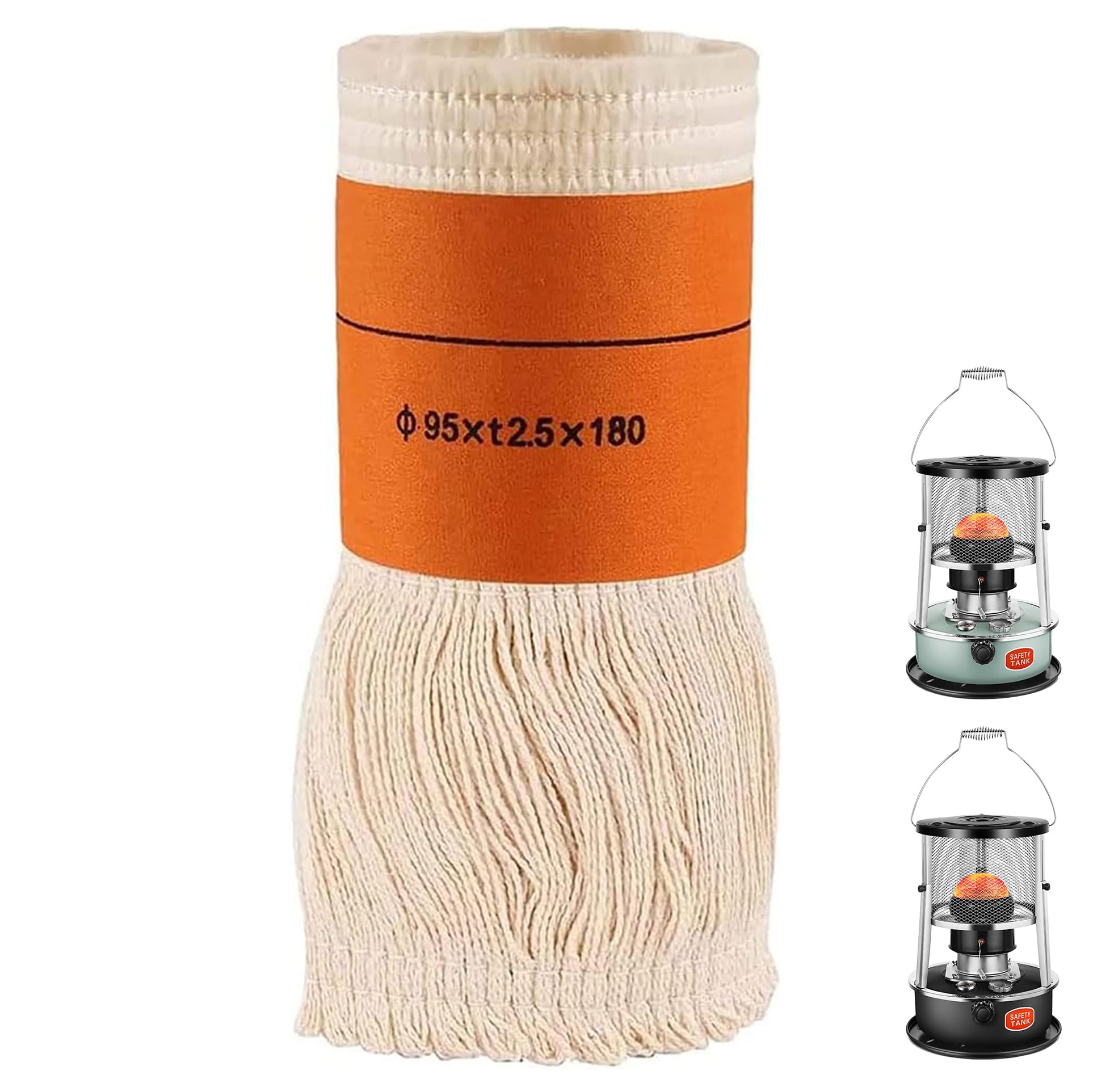
Locate the wick inside the chamber. It usually looks like a flat, fabric strip. Pull the wick gently upward or outward, depending on your heater model. Avoid forcing it, as this can tear the wick or damage the heater. If stuck, check for screws or clamps holding the wick. Loosen these parts first. Dispose of the old wick properly. It may have absorbed kerosene and soot. Clean the chamber before fitting the new wick to remove residue and improve performance.
Credit: www.amazon.com
Choosing The Right Replacement Wick
Choosing the right replacement wick for your kerosene heater is important for safe and efficient heating. The wick controls the flame size and fuel consumption. A wrong wick can cause poor performance or even damage. Follow simple steps to find the correct wick type and size. This helps your heater run smoothly and keeps your home warm.
Check Wick Size And Type
Measure the old wick before buying a new one. Note its width, length, and thickness. Different heaters need specific wick sizes. Also, identify the wick material. Most kerosene heaters use cotton or fiberglass wicks. Choose the same type to ensure proper burning. Using the wrong wick can cause uneven flames or smoke.
Purchase Genuine Parts
Buy wicks from trusted sellers or the heater manufacturer. Genuine parts fit well and last longer. Avoid cheap, generic wicks that may not match your heater. Poor quality wicks can wear out fast or clog the heater. Using original parts helps maintain heater safety and performance. Always keep your heater’s model number ready when ordering.
Installing The New Wick
Start by removing the old wick carefully from the heater. Place the new wick evenly, making sure it fits well inside. Tighten any screws or parts to hold the wick securely in place.
Insert The Wick Correctly
Start by placing the new wick into the wick holder carefully. Make sure it fits snugly without bending or folding. The wick should sit flat and even inside the holder. Avoid forcing the wick, as it may damage the fibers. Align the wick so it can move smoothly when adjusted. Proper placement helps the heater burn fuel efficiently and safely.
Adjust Wick Height
Next, adjust the wick height using the control knob. Raise the wick slowly until the top edge is just above the burner tube. The wick should be visible but not too high to cause smoke. Test the flame after lighting to see if it burns cleanly. A correct wick height gives a steady, bright flame without smoke or odor.
Testing The Heater
Testing the kerosene heater after replacing the wick is important. It ensures the heater works well and is safe to use. Take time to check every part carefully. This step helps avoid any problems later.
Light The Heater Safely
Start by filling the tank with fresh kerosene. Use a well-ventilated area to light the heater. Keep flammable items far away. Use a long match or lighter to avoid burns. Light the wick gently. Watch the flame closely for the first few minutes.
Observe Wick Performance
Check the flame height and color. A good wick has a steady, bright flame. The flame should not flicker or smoke too much. Adjust the wick height if needed. Too high or low can cause problems. A clean, smooth flame means the wick works well.
Maintenance Tips For Longevity
Maintaining your kerosene heater well helps it last longer and work better. Regular care keeps the wick clean and the heater safe to use. Small steps taken often prevent big problems later.
Simple maintenance tasks protect your investment. They keep heat steady and reduce smoke or smell. Follow these tips to enjoy warmth with less hassle.
Regular Cleaning
Clean the heater after each use. Remove dust and dirt from the wick area. Use a soft brush or cloth to wipe gently. Avoid harsh chemicals that can damage parts.
Check the wick for black soot or buildup. Trim the wick if it looks burnt or uneven. This helps the flame stay steady and bright. Clean the fuel tank and burner often to prevent clogs.
Proper Storage
Store the heater in a dry, cool place. Keep it away from moisture to stop rust. Empty the fuel tank if you won’t use it for a long time.
Cover the heater with a cloth to keep dust out. Avoid placing heavy items on top. Proper storage keeps parts safe and ready for use.

Credit: www.amazon.com
Frequently Asked Questions
How Often Should I Replace The Wick In A Kerosene Heater?
Wicks usually last 1 to 2 years, depending on usage and fuel quality. Replace the wick if the flame burns unevenly or smells bad.
What Tools Do I Need To Replace A Kerosene Heater Wick?
You need a screwdriver, pliers, and a new wick made for your heater model. Having a clean cloth helps to wipe parts during replacement.
How Do I Remove The Old Wick From A Kerosene Heater?
Turn off and cool the heater completely. Remove the wick holder by unscrewing and gently pull out the old wick.
Can I Use Any Wick For My Kerosene Heater?
No, always use the wick specified by the heater’s manufacturer. Using the wrong wick may cause poor performance or damage.
How Do I Adjust The Wick After Replacement?
Raise or lower the wick until the flame is steady and blue at the tip. Avoid a high flame to prevent smoke and odor.
Conclusion
Replacing the wick in your kerosene heater keeps it working well. A clean wick helps the heater burn fuel safely and brightly. Take your time and follow each step carefully. Regular wick changes save money and avoid heater problems. You can do this yourself with simple tools and patience.
Stay warm and safe during cold days by keeping your heater in good shape. Small care makes a big difference.