
Your fireplace mantel adds charm and character to your living space. But have you ever worried about the heat damaging it over time?
Protecting your mantel from heat is easier than you think—and it’s crucial to keep it looking great for years. You’ll discover simple, effective ways to shield your mantel without sacrificing style. Keep reading to learn how you can save your mantel from heat damage and enjoy a cozy, beautiful fireplace safely.
Heat Risks To Fireplace Mantels
Fireplace mantels face constant exposure to heat. This exposure can cause serious damage over time. Understanding heat risks helps you protect your mantel properly. Heat can change the look and safety of your mantel. Some materials suffer more than others under heat stress. Knowing these risks prevents costly repairs and keeps your mantel looking great.
Common Damage Types
Heat can cause wood to dry out and crack. Paint may blister or peel from the mantel surface. Warping is a common issue, changing the mantel’s shape. Dark stains or scorch marks can appear near the firebox. Over time, these damages weaken the mantel’s structure. Small cracks can grow, leading to larger breaks. Damage also reduces the mantel’s overall beauty and value.
Materials Most Vulnerable
Wood mantels face the highest risk of heat damage. Softwoods like pine crack more easily than hardwoods. Painted wood often peels or bubbles near heat. MDF and particleboard warp quickly under heat pressure. Plastic or laminate mantels can melt or discolor. Stone mantels resist heat better but can crack from sudden temperature changes. Knowing your mantel material helps choose the right protection method.
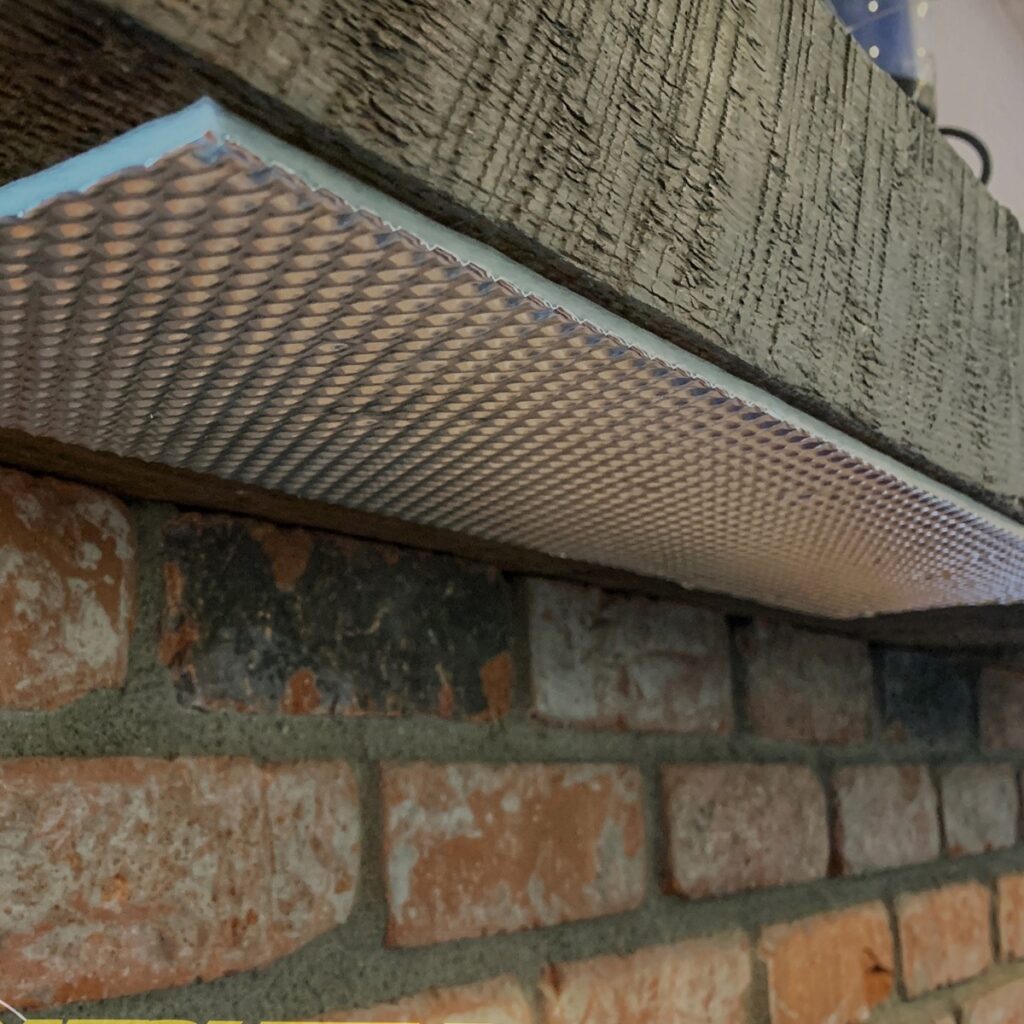
Credit: heatshieldproducts.com
Choosing Heat-resistant Materials
Choosing heat-resistant materials for your fireplace mantel is key to safety and durability. The right materials prevent damage from heat exposure. They keep your mantel looking good for many years. Some materials handle heat better than others. This section covers the best options to protect your mantel from heat.
Best Wood Types For Mantels
Hardwoods are the top choice for heat resistance. Oak and maple are strong and can handle heat well. Cherry wood also works well and adds a warm color. These woods do not burn easily and stay stable under heat. Pine and softwoods are less heat resistant and may crack or burn. Choose dense, tight-grain wood for better protection.
Alternative Heatproof Options
Stone and brick are excellent heatproof materials. They absorb and disperse heat safely. Metal mantels, like steel or cast iron, resist heat and last long. Concrete can also be shaped into stylish, heat-resistant mantels. These options are good for high-heat fireplaces. They require less maintenance than wood and stay safe over time.
Installing Heat Shields
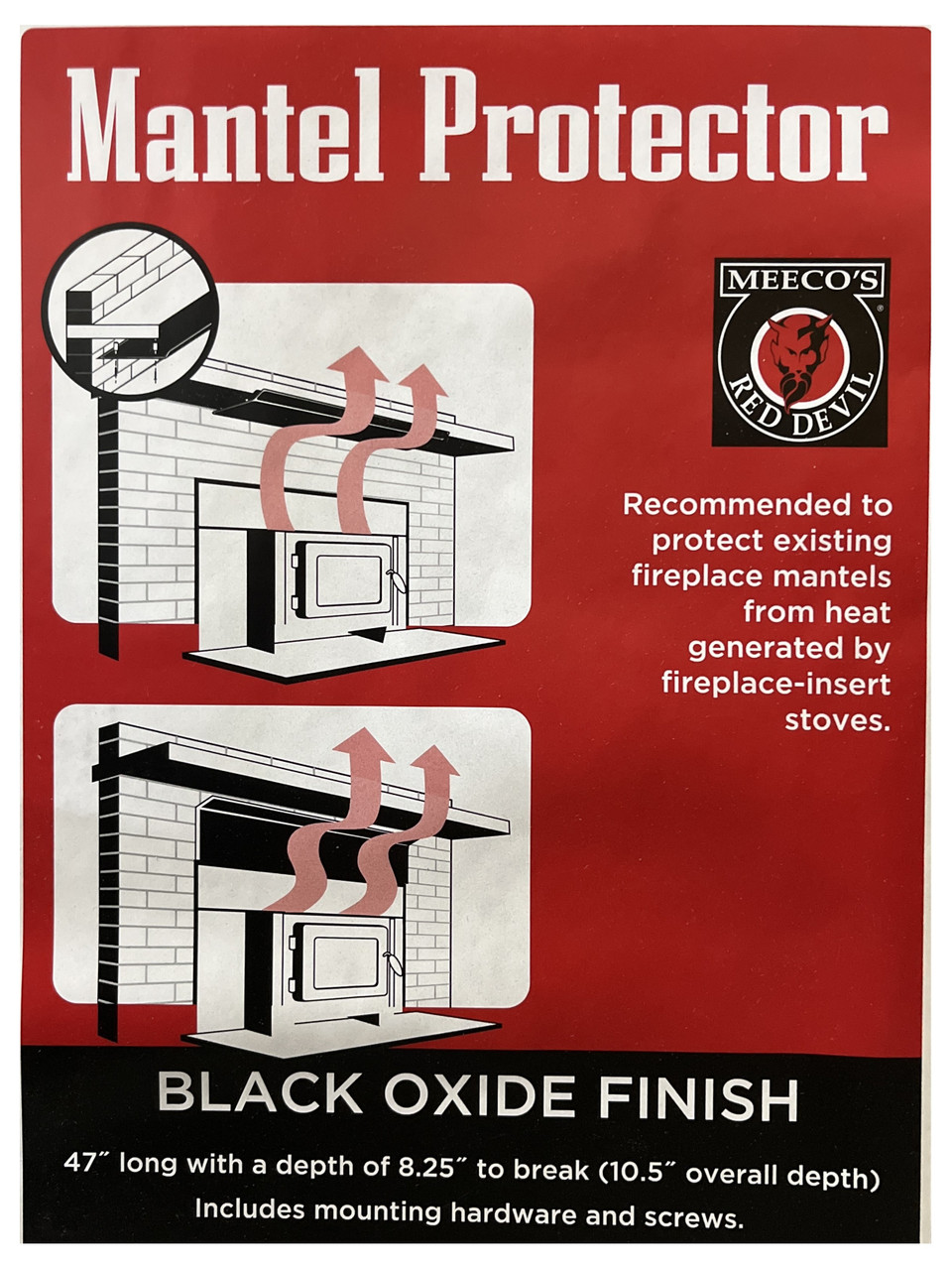
Installing heat shields is a smart way to protect your fireplace mantel from heat damage. Heat shields block heat and keep the mantel safe. These shields act as barriers, stopping heat from reaching sensitive wood or paint. They also help maintain the mantel’s look and prevent cracks or discoloration.
Choosing the right heat shield and placing it well is key to getting good protection. Proper installation ensures the shield works best and lasts long. Below are details about different types of heat shields and tips for placing and installing them.
Types Of Heat Shields
Metal shields are common and very durable. They reflect heat away and are easy to clean. Stainless steel and aluminum are popular metals used for this purpose.
Fire-resistant boards are another option. These boards can be made from materials like cement or special fireproof composites. They absorb and block heat effectively.
Glass shields offer a clear look while still protecting the mantel. Tempered glass is strong and can handle high temperatures. It keeps the mantel visible but safe from heat.
Placement And Installation Tips
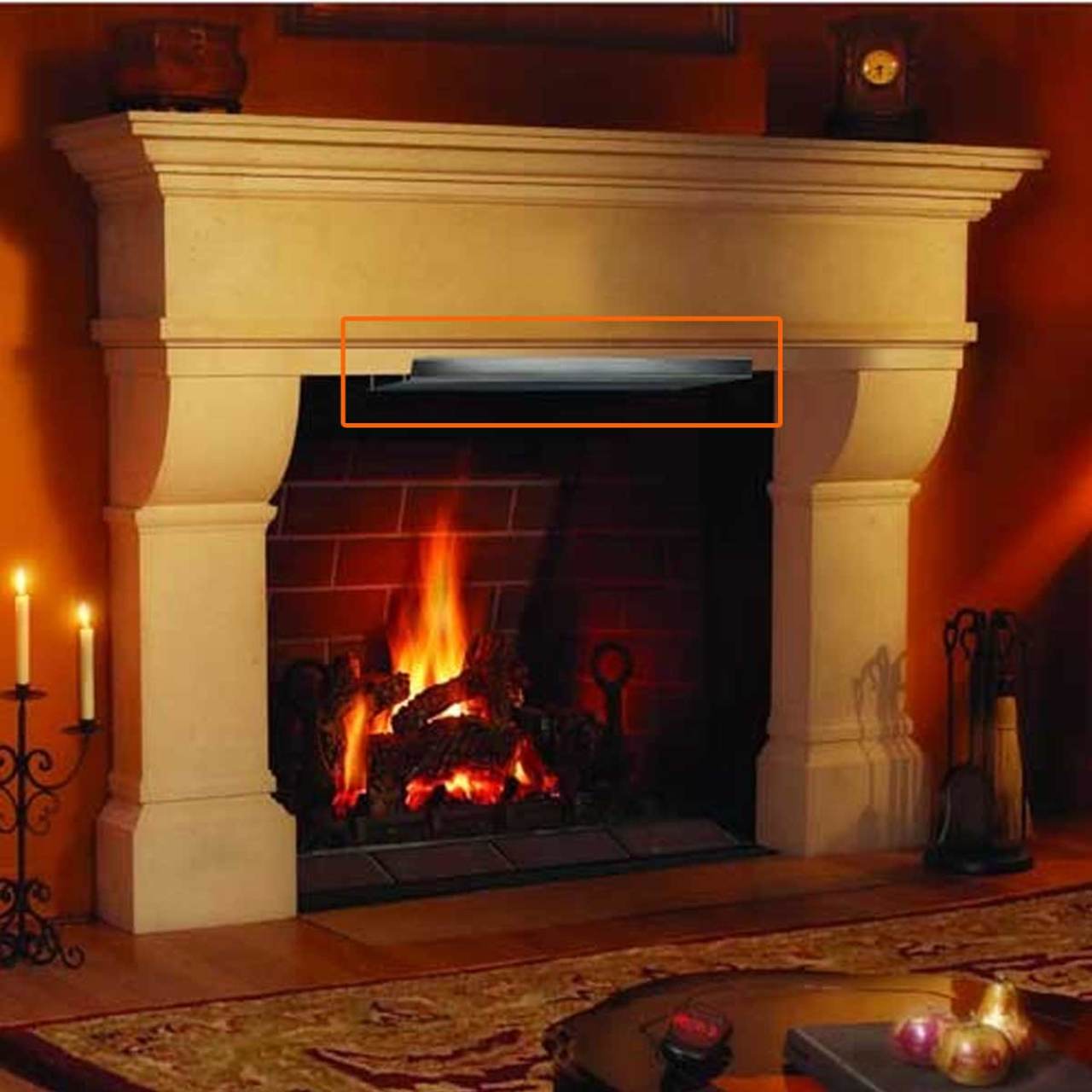
Place the heat shield between the heat source and the mantel. Keep a small gap for air to flow and cool the area. This gap helps the shield work better.
Secure the shield firmly to avoid movement. Use screws or brackets made for high heat. Make sure no parts touch the mantel directly.
Check local safety codes before installation. Some areas require specific clearance or materials. Follow these rules to keep your home safe and insured.
Credit: www.northlineexpress.com
Proper Mantel Clearance
Proper mantel clearance is essential to protect your fireplace mantel from heat damage. Heat can cause wood to warp, crack, or discolor over time. Keeping the mantel at a safe distance from the fire source helps prevent these problems. It also keeps your home safer from fire hazards. Understanding and maintaining the right clearance can extend your mantel’s life and beauty.
Safe Distance Guidelines
Most building codes recommend keeping the mantel at least 12 inches above the fireplace opening. This distance reduces direct heat exposure. Some materials may require more space, so check local rules. A good rule is to measure from the top edge of the fireplace opening to the bottom of the mantel. Avoid placing flammable decorations near the mantel to reduce risk.
Adjusting Mantel Position
If your mantel is too close to the fire, raising it is the best option. You can install a taller mantel or add a heat shield between the fireplace and mantel. Another way is to move the mantel forward, away from the wall. Make sure any changes follow safety guidelines. Proper adjustment protects the wood and your home from heat damage.
Using Fire-resistant Coatings
Using fire-resistant coatings is a smart way to protect your fireplace mantel. These coatings help block heat and stop damage. They create a shield that keeps the wood or other materials safe from high temperatures.
Applying these coatings can extend the mantel’s life and keep it looking good. It is an easy step that adds safety and beauty to your fireplace area.
Types Of Protective Finishes
Fire-resistant paints are common and easy to find. They form a tough layer that resists heat. Some paints also prevent flames from spreading.
Fire-retardant sprays work well on wood and stone. They soak into the surface and reduce heat damage. These sprays often dry clear, keeping the mantel’s natural look.
Heat-resistant varnishes add shine and protect the mantel. They handle high temperatures without cracking or peeling. These finishes are ideal for a polished appearance.
Application Methods
Start with a clean mantel surface. Remove dust and dirt for better coating adhesion. Use a brush or spray for even coverage.
Apply thin layers, allowing each to dry fully. Multiple coats increase protection. Follow the product instructions carefully for best results.
Work in a well-ventilated area. Wear gloves and a mask for safety. Check the mantel regularly and reapply coatings as needed.
Maintaining Fireplace Ventilation
Maintaining proper ventilation in your fireplace is key to protecting the mantel from heat damage. Good ventilation helps heat escape, reducing the risk of warping or discoloration. It also keeps the fire burning safely and efficiently.
Improving Airflow
Airflow allows smoke and hot air to leave the fireplace quickly. Keep vents and air bricks clear of dust and debris. Open the damper fully before lighting a fire. Use a fireplace grate to lift logs and let air circulate underneath. Proper airflow prevents heat buildup near the mantel.
Regular Chimney Cleaning
Cleaning the chimney removes soot and creosote that block airflow. Blockages trap heat and smoke, harming the mantel and walls. Hire a professional chimney sweep every year. This keeps the chimney clear and safe. A clean chimney also lowers the risk of chimney fires.
Regular Inspection And Maintenance
Regular inspection and maintenance are key to protecting your fireplace mantel from heat damage. Heat can cause wood and other materials to warp, crack, or discolor over time. Checking your mantel often helps catch problems early. Small issues are easier and cheaper to fix than big ones.
Keeping the mantel clean and in good condition also extends its life. Regular care stops heat from causing lasting harm. A little effort now saves you from costly repairs later.
Identifying Early Signs Of Heat Damage
Look for cracks, splits, or warping on the mantel surface. Discoloration or dark spots can mean heat damage. Check for peeling paint or finish, which shows the heat is affecting the mantel. Feel the mantel for any softness or weakness. These are signs the material is breaking down.
Early detection helps prevent more serious damage. Check the mantel after heavy use or long fires. Use a flashlight to see small cracks or changes in texture. Catching problems early means you can act fast.
Routine Care Practices
Dust and clean the mantel regularly with a soft cloth. Avoid harsh cleaners that can damage the finish. Use heat-resistant paint or sealants designed for fireplace mantels. These add a protective layer against heat.
Keep flammable items away from the mantel. Avoid placing hot objects directly on it. Allow the mantel to cool down before cleaning. Regularly check for loose or damaged parts. Tighten screws or fix small issues immediately.
Credit: www.rockymountainstove.com
Additional Safety Tips
Protecting your fireplace mantel from heat is important for safety and appearance. Taking extra safety steps helps keep your home safe and your mantel looking good for years. Simple habits can reduce damage and risks.
Using Fireplace Screens
Fireplace screens create a barrier between the fire and your mantel. They stop sparks and heat from reaching the wood or paint. Using a screen reduces the chance of burns or cracks. Choose a screen that fits your fireplace size well. Metal screens work best because they resist heat.
Avoiding Overloading The Fireplace
Adding too much wood causes the fire to burn hotter. High heat can damage your mantel quickly. Use only the right amount of fuel for a steady fire. Keep logs small and burn them slowly. This controls heat and keeps your mantel safe.
Frequently Asked Questions
How Can Heat Damage A Fireplace Mantel?
Heat can cause wood to warp, crack, or discolor over time near the fireplace.
What Materials Protect A Mantel From Fireplace Heat?
Heat-resistant materials like stone, metal, or tile shield mantels from heat damage.
How Far Should A Mantel Be From The Fire?
A safe distance is usually at least 12 inches from the fire to avoid heat harm.
Can A Heat Shield Prevent Mantel Damage?
Yes, installing a heat shield blocks heat and protects the mantel’s surface effectively.
Is Sealing The Mantel Helpful Against Heat?
Sealing adds a protective layer that can reduce heat damage and prevent stains.
How Often Should Mantel Protection Be Checked?
Check mantel protection yearly to ensure no heat damage or wear has occurred.
Conclusion
Protecting your fireplace mantel from heat keeps it safe and looking great. Use heat-resistant materials and keep a good distance between fire and wood. Regular checks help spot any damage early. Simple steps can save money on repairs later. Enjoy your fireplace without worry.
A well-protected mantel lasts longer and stays beautiful. Stay safe and keep warmth in your home.