
If you use kerosene forced air heaters to stay warm, you probably wonder how safe they really are. After all, your home and your loved ones’ safety depend on it.
You might have heard warnings or stories that make you hesitate. What risks are involved? Can you avoid them? This article will help you understand the truth behind these heaters. By the time you finish reading, you’ll know exactly what to watch out for—and how to keep your space cozy without worry.
Keep reading to protect your home and peace of mind.
Kerosene Heaters Basics
Kerosene heaters offer a simple way to warm up spaces. They use liquid fuel to create heat quickly. Many people choose these heaters for their efficiency and portability. Understanding the basics helps to use them safely and effectively.
These heaters are common in homes, garages, and outdoor areas. Knowing how they work and their common uses helps you make smart choices.
How They Work
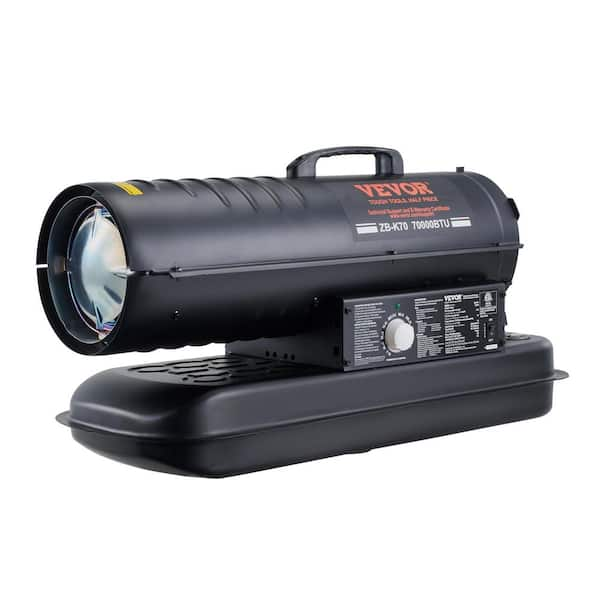
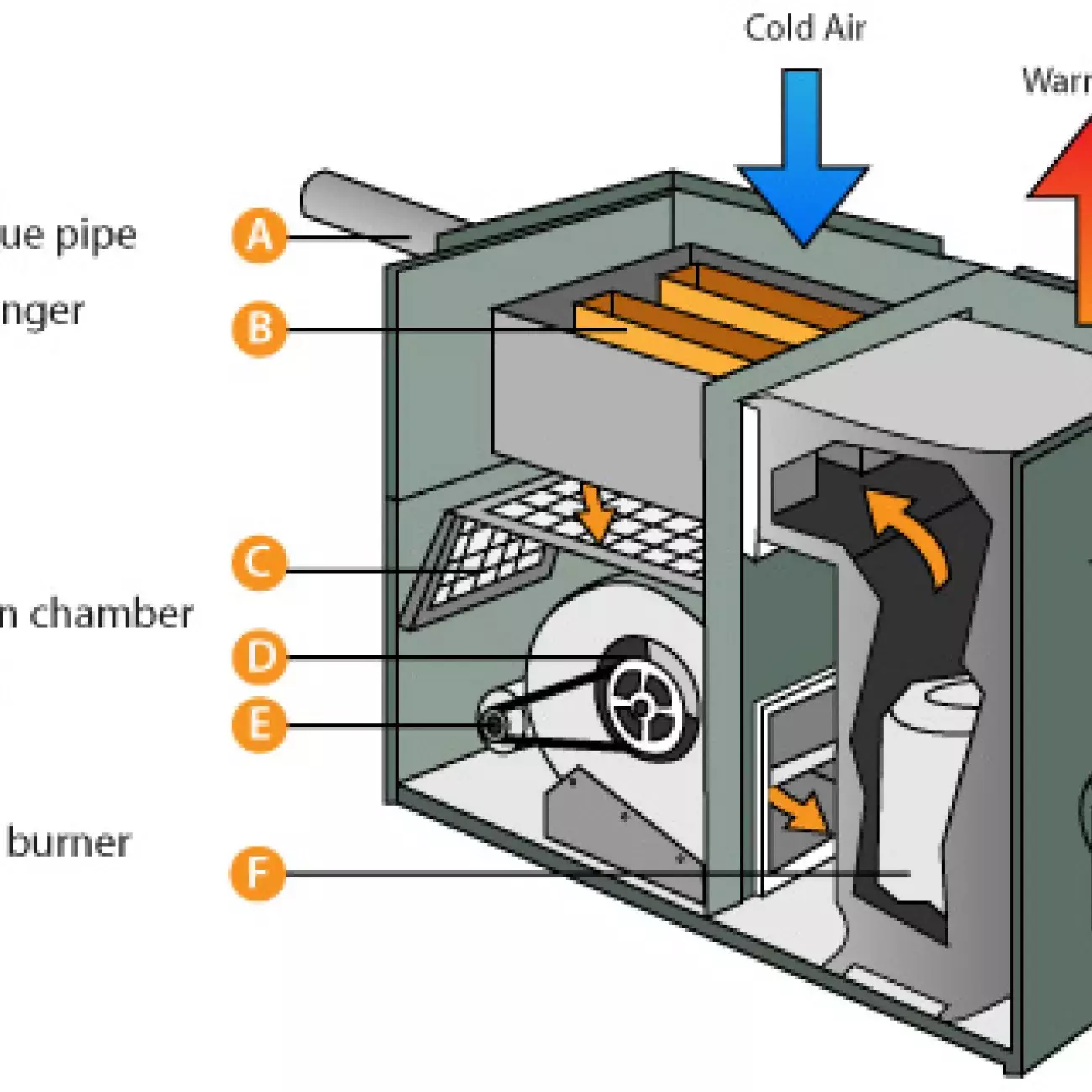
Kerosene heaters burn kerosene fuel to produce heat. The fuel is soaked into a wick inside the heater. When lit, the wick burns the kerosene slowly. This process creates warm air that spreads through the room. Some models have fans to push the heat farther. The heater needs good ventilation to avoid harmful fumes. Proper use keeps the air safe to breathe.
Common Uses
People use kerosene heaters in places without central heat. They are great for garages, workshops, and cabins. Many rely on them during power outages. They are also useful for outdoor events in cold weather. Their portability makes them easy to move around. Users should always place them on stable, flat surfaces. Keeping heaters away from flammable items reduces fire risk.
Safety Risks
Kerosene forced air heaters provide quick warmth. They are useful in cold places. But these heaters come with safety risks. Understanding these risks helps keep you safe. The main dangers include fire, carbon monoxide, and fuel handling.
Fire Hazards
Kerosene heaters use open flames to create heat. This can cause fire if not handled properly. Placing the heater too close to flammable items is risky. Curtains, paper, and furniture can catch fire easily. Always keep a safe distance around the heater. Never leave the heater unattended while it runs. Regular cleaning prevents dust buildup, which can ignite.
Carbon Monoxide Exposure
Burning kerosene produces carbon monoxide gas. This gas is colorless and odorless. It can cause serious health problems or death. Poor ventilation increases the risk of carbon monoxide buildup. Always use heaters in well-ventilated areas. Install carbon monoxide detectors near the heater. If you feel dizzy or weak, get fresh air immediately.
Fuel Handling Dangers
Handling kerosene fuel requires care and attention. Spills can create slippery surfaces and fire risks. Store fuel in approved containers, away from children and heat. Never refill the heater while it is hot or running. Use only the recommended fuel for your heater. Proper fuel storage helps prevent accidents and leaks.
Safe Operation Tips
Using kerosene forced air heaters requires careful attention to safety. Following safe operation tips helps prevent accidents. It also makes the heater work better and last longer. Simple actions protect your home and health.
Proper Ventilation
Always run the heater in a well-ventilated area. Open a window or door slightly to let fresh air in. This reduces harmful gas buildup inside. Poor ventilation can cause carbon monoxide to rise. Keep rooms fresh and safe.
Regular Maintenance
Check the heater often for dirt and damage. Clean filters and fuel lines regularly. Replace worn parts quickly. A clean heater works more efficiently and safely. Regular care lowers fire risks and breaks.
Correct Fuel Usage
Use only the recommended kerosene type. Avoid old or contaminated fuel that can clog the heater. Never mix fuels or add other liquids. Proper fuel keeps the heater running clean and smooth. It also prevents dangerous fumes and accidents.
Credit: www.nogueiraadv.com.br
Installation Guidelines
Installing a kerosene forced air heater safely starts with following clear guidelines. Proper setup helps avoid accidents and ensures the heater works well. Pay close attention to placement and clearance rules. These steps reduce fire risks and improve airflow.
Correct installation also protects your home and family. Use the heater only as instructed by the manufacturer. Read all instructions before starting.
Placement Recommendations
Place the heater on a stable, flat surface. Avoid areas where it can tip over easily. Keep it away from wet spots to prevent electrical issues.
Do not place the heater near curtains, furniture, or other flammable materials. Choose a location with good ventilation. This helps remove harmful fumes and keeps air fresh.
Never block the heater’s air intake or outlet. Clear space ensures the heater runs efficiently and safely. Keep children and pets away from the heater’s hot parts.
Clearance Requirements
Maintain at least 3 feet of clearance around the heater. This distance stops objects from catching fire. Check the manufacturer’s guide for exact clearance needs.
Do not place anything on top of the heater. Keep flammable items like paper, cloth, and chemicals far away. Follow local fire codes and safety rules strictly.
Clearance also helps heat spread evenly and prevents overheating. Regularly inspect the area around the heater to keep it safe and clear of clutter.
Emergency Preparedness
Emergency preparedness is vital when using kerosene forced air heaters. These heaters can provide warmth but also pose risks. Knowing how to prepare can protect you and your family from accidents. Simple safety steps can make a big difference.
Smoke And Co Detectors
Smoke and carbon monoxide (CO) detectors are essential. Kerosene heaters produce fumes that can be harmful. Smoke detectors alert you to fire early. CO detectors warn of dangerous gas buildup. Place detectors near the heater and sleeping areas. Test them monthly to ensure they work well.
Fire Extinguisher Use
Keep a fire extinguisher nearby when using a kerosene heater. Fires can start quickly from fuel spills or heater faults. Know how to use the extinguisher before an emergency happens. Use a type suitable for fuel fires, like a Class B extinguisher. Check the extinguisher regularly to keep it ready for use.
Credit: www.ahrinet.org
Alternative Heating Options
Choosing the right heater is important for safety and comfort. Kerosene forced air heaters are popular but not the only option. Some alternatives may suit your needs better. They can offer easier use or safer operation. Understanding these options helps you make a smart choice for your space.
Electric Heaters
Electric heaters are easy to use and require little maintenance. They do not produce fumes or require fuel storage. This makes them safer for indoor use. Many models come with automatic shut-off features. They heat small rooms quickly and quietly. The main downside is higher electricity costs. Still, they are a clean and safe heating choice.
Propane Heaters
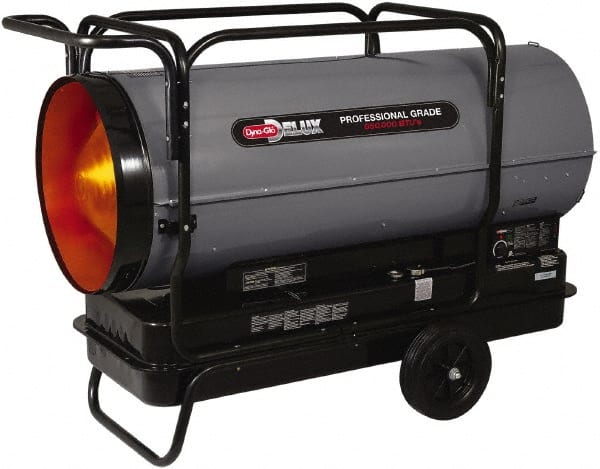
Propane heaters provide strong, fast heat. They use propane gas stored in tanks. These heaters can warm larger spaces well. Many models have safety features like tip-over shut-off. Proper ventilation is crucial to prevent gas buildup. Propane heaters are portable and efficient. They work well in workshops or garages but need careful handling.
Credit: www.mscdirect.com
Frequently Asked Questions
What Safety Features Do Kerosene Forced Air Heaters Have?
Kerosene forced air heaters include automatic shut-off and tip-over switches. These features help prevent accidents and fires. They also have flame sensors for safe operation.
Can Kerosene Heaters Cause Carbon Monoxide Poisoning?
Yes, kerosene heaters can produce carbon monoxide if used in closed spaces. Proper ventilation is essential to avoid harmful gas buildup. Always use them in well-ventilated areas.
How To Reduce Fire Risk With Kerosene Heaters?
Keep the heater away from flammable materials and never leave it unattended. Regularly clean and maintain the heater for safe use. Use only the recommended fuel to avoid hazards.
Are Kerosene Forced Air Heaters Safe For Indoor Use?
They can be safe indoors if you follow all safety guidelines. Ensure good airflow and never use them in small, sealed rooms. Proper care reduces health risks.
What Should I Do If Kerosene Heater Emits A Strange Smell?
Turn off the heater immediately and ventilate the area. Strange smells may indicate fuel leaks or incomplete combustion. Have the heater inspected before using it again.
How Often Should Kerosene Heaters Be Maintained?
Regular maintenance is key to safe operation. Clean the heater and check parts before each use, especially during cold seasons. Proper care extends heater life and safety.
Conclusion
Kerosene forced air heaters work well for quick warmth. They can be safe if used with care. Always keep rooms ventilated to avoid harmful fumes. Follow the heater’s instructions every time you use it. Never leave the heater unattended or near flammable items.
Regular cleaning helps the heater run safely and efficiently. With simple safety steps, these heaters provide reliable heat. Safety depends on how you use the heater. Stay cautious and enjoy warmth without worry.