
Are your Lexus LS400 seat heaters not working like they used to? Imagine sliding into your car on a chilly morning and feeling nothing but cold seats.
Frustrating, right? You don’t have to live with that discomfort or rush to an expensive mechanic just yet. In this guide, you’ll discover simple, step-by-step ways to repair your seat heaters yourself. By the end, you’ll know exactly what to check and how to fix it, so your drives become warm and cozy again.
Ready to take control and bring comfort back to your Lexus? Let’s dive in.
Common Seat Heater Issues
Seat heaters in a Lexus LS400 add comfort, especially in cold weather. Sometimes, these heaters stop working properly. Knowing common issues helps fix them faster. Below are frequent problems with seat heaters and how they show up.
No Heat From Seat
One common issue is the seat heater not producing any heat. This can happen if the fuse is blown or the wiring is broken. The heating element inside the seat might also be damaged. Testing the fuse and wiring with a multimeter can find the problem.
Intermittent Heating
Sometimes, the seat heater works but only sometimes. This means the heat turns on and off randomly. Loose connections or worn switches often cause this. Dirt or moisture inside the switch can also lead to this problem. Cleaning or tightening connections usually helps.
Overheating Problems
Overheating is another issue that can occur. The seat might get too hot and stay hot for too long. This can damage the seat cover and cause discomfort. Faulty temperature sensors or control modules are often the cause. Replacing these parts can fix overheating.
Tools And Materials Needed
Repairing the seat heaters in a Lexus LS400 requires the right tools and materials. Having everything ready makes the job easier and faster. This section lists the basic tools and replacement parts needed for the repair.
Basic Tools
A screwdriver set is essential to remove seat panels. Use a flathead and Phillips screwdriver for different screws. A multimeter helps test the electrical connections and seat heater wires. Needle-nose pliers assist in handling small connectors and wires. A trim removal tool protects seat surfaces during disassembly. Electrical tape is useful for securing wire connections safely. A socket wrench set is necessary to remove bolts holding the seat assembly.
Replacement Parts
Start with a new seat heater pad designed for the Lexus LS400. A compatible wiring harness may be needed if the original is damaged. Replacement connectors ensure secure and reliable electrical connections. Fuse replacements might be necessary if the seat heater fuse has blown. Heat-resistant adhesive or tape helps attach new heating elements firmly. Always check the part numbers to match the vehicle model exactly.
Accessing The Seat Heater Components
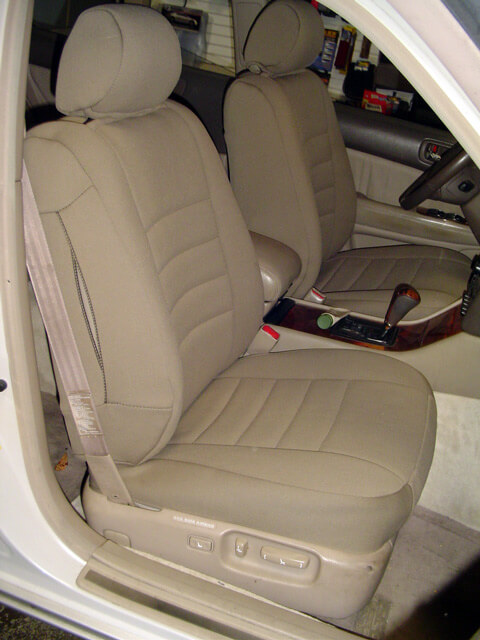
Accessing the seat heater components in a Lexus LS400 is the first step to fixing any issues. You need to carefully remove the seat to avoid damage. The heater elements lie beneath the seat cover, hidden but reachable once the seat is off. This process requires patience and basic tools.
Removing The Seat
Start by sliding the seat all the way back. This exposes the front bolts securing it. Use a wrench to remove these bolts. Next, tilt the seat forward to access the rear bolts. Remove them with the same tool. Carefully lift the seat straight up and out of the car. Disconnect any electrical connectors under the seat. Keep all bolts and parts safe for reassembly.
Exposing The Heater Elements
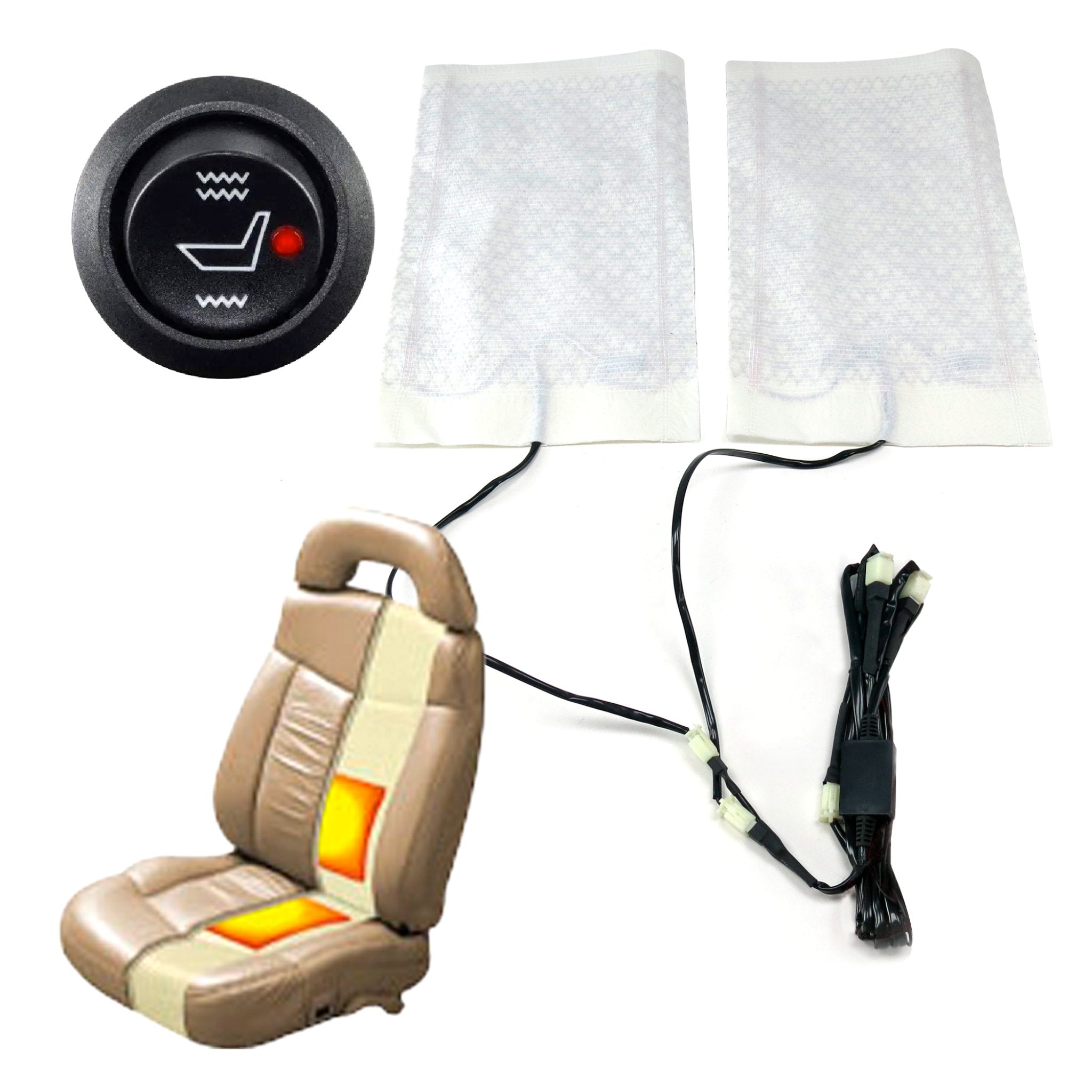
Turn the seat upside down on a clean surface. Remove the screws or clips holding the seat cover. Slowly pull the cover away from the cushion. Be gentle to avoid tearing the fabric. Underneath, you will see the heater elements. These look like thin wires or pads attached to the cushion. Inspect for any visible breaks or damage. This view helps you decide the next repair steps.
Credit: shop.autoloc.com
Testing The Seat Heater System
Testing the seat heater system in a Lexus LS400 is a key step to find the problem. The system may stop working due to simple issues like a blown fuse or broken wiring. Careful testing helps save time and money by targeting the exact fault. Start with basic checks before moving to detailed tests.
Checking The Fuse And Wiring
Begin by locating the fuse box under the dashboard or hood. Use the owner’s manual to find the seat heater fuse. Remove the fuse and check if the metal strip inside is broken. A broken strip means the fuse is blown and needs replacement.
Next, inspect the wiring connected to the seat heater. Look for loose connections, damaged wires, or corrosion. Gently wiggle the wires to see if the heater turns on or off. Fix any visible damage or loose plugs before testing further.
Using A Multimeter On Heater Elements
A multimeter helps measure the electrical resistance of the seat heater elements. Set the multimeter to the ohms setting. Disconnect the seat heater connector and place the probes on the heater terminals.
Normal resistance values usually range from a few ohms to several dozen. A very high or infinite reading indicates a broken heating element. Low or zero resistance means a short circuit. Replace the faulty heater element if the readings are abnormal.
Repairing Or Replacing Heater Elements
Repairing or replacing heater elements in your Lexus LS400 seat heaters can restore warmth and comfort quickly. These parts can wear out or break over time. Fixing them requires careful work but can save money.
Two main tasks involve fixing damaged wiring and swapping out faulty heater pads. Both steps need basic tools and attention to detail. Let’s explore these tasks more closely.
Fixing Damaged Wiring
Wiring problems often cause seat heaters to stop working. Look for broken, burnt, or loose wires under the seat. Use a multimeter to check for electrical flow. Replace any damaged wires with new ones of the same gauge. Secure connections with wire connectors or solder for a strong hold. Insulate wires with electrical tape to prevent shorts. Test the seat heater after repair to ensure it works properly.
Swapping Out Faulty Heater Pads
Heater pads can fail due to wear or damage. Remove the seat cover carefully to access the pad. Disconnect the pad from its power source. Remove the old pad and place a new one in the same position. Attach the new pad securely to avoid movement. Reconnect the wiring and test the heater before reassembling the seat. Proper installation ensures even heating and long-lasting use.
Credit: www.wetokole.com
Reassembling The Seat
Reassembling the seat is an important step after fixing the Lexus LS400 seat heaters. This process puts all parts back together carefully. It ensures the seat looks good and works well. Taking your time helps avoid damage or loose parts.
Reinstalling Seat Components
Start by putting the heating element back in place. Make sure it sits flat without wrinkles. Attach the seat cover gently over the heater. Use the original clips and screws to secure all parts. Check that wires are not pinched or twisted. Reconnect any electrical plugs carefully. Tighten bolts firmly but avoid over-tightening.
Final Testing For Functionality
Turn on the car’s power to test the seat heater. Press the heater control to check if it warms up. Listen for any strange sounds from the seat. Feel the seat surface to confirm heat is spreading. If heat is weak or absent, check the wiring again. Only finish if the heater works smoothly and safely.
Preventive Tips For Seat Heater Maintenance
Maintaining the seat heaters in your Lexus LS400 helps keep them working well for years. Simple care steps can stop problems before they start. This saves money and keeps your seat warm during cold days.
Regular Inspections
Check the seat heaters often for any signs of trouble. Look for uneven heat or cold spots on the seat. Listen for strange sounds when turning the heater on. These checks help find small issues early.
Inspect the seat covers and wiring under the seats carefully. Make sure wires are not loose or damaged. Small tears in the seat cover can cause bigger problems with the heater.
Avoiding Common Damage
Keep sharp objects away from the seat heaters. Things like keys or tools can cut the heating wires. Avoid spilling liquids on the seats as moisture can damage the system.
Do not use heavy seat covers that block heat flow. Use only covers made for heated seats. Sit gently on the seats to avoid pressure damage to the heating elements.
.jpg)
Credit: www.wetokole.com
Frequently Asked Questions
How Do I Know If My Lexus Ls400 Seat Heater Is Broken?
Check if the seat heater does not warm up at all. Also, listen for any unusual noises when you turn it on. A simple test with a multimeter can confirm if the heating element works.
What Tools Are Needed To Repair Lexus Ls400 Seat Heaters?
You will need a multimeter, screwdrivers, pliers, and possibly a replacement heating pad. Having a service manual helps locate parts and wiring. Safety gloves are also recommended.
Can I Fix The Seat Heater Myself Or Need A Mechanic?
Many simple repairs can be done at home with basic tools. Complex electrical issues might require a professional. Assess your comfort level before starting the repair.
Where Is The Seat Heater Fuse Located In Lexus Ls400?
The fuse box is usually under the dashboard or in the engine compartment. The owner’s manual shows the exact location and fuse number. Check the fuse first if the heater stops working.
How Long Does It Take To Repair A Lexus Ls400 Seat Heater?
Simple repairs can take 30 minutes to an hour. More involved fixes might take several hours. Time depends on your skill and the problem’s complexity.
What Causes Lexus Ls400 Seat Heaters To Stop Working?
Common causes are blown fuses, broken wiring, or a faulty heating element. Dirt or moisture can also damage the system. Regular checks can prevent these issues.
Conclusion
Fixing your Lexus LS400 seat heaters can save money and add comfort. Check the fuse and wiring first for simple issues. Replace faulty parts carefully to avoid damage. Take your time and follow safety steps closely. A working seat heater keeps you warm in cold weather.
Small repairs can make a big difference in your drive. Keep your car cozy without expensive trips to the shop. Stay patient, and enjoy the warmth once the repair is done.