
Are you thinking about installing an air source heat pump but wondering how much space it will actually take up? Knowing the right amount of space you need is key to making sure your new system fits perfectly and works efficiently.
You don’t want to start the installation only to find out there isn’t enough room or that your setup won’t perform as expected. You’ll discover exactly how much space an air source heat pump requires, what factors can affect that space, and practical tips to help you plan ahead.
Keep reading to make sure your heat pump installation goes smoothly and your home stays comfortable all year round.
Air Source Heat Pump Basics
Air source heat pumps are a popular choice for home heating and cooling. They use outside air to warm or cool your home. These systems are energy-efficient and can lower your utility bills. Understanding the basics helps you decide if this system fits your space needs.
Knowing how an air source heat pump works and its key parts is important. This knowledge helps you plan the right space for installation and maintenance.
How They Work
An air source heat pump moves heat from the outside air into your home. It works even when it is cold outside. In summer, it can reverse the process to cool your home. The pump uses electricity to run a compressor and fans. This process is much more efficient than traditional heaters.
Key Components
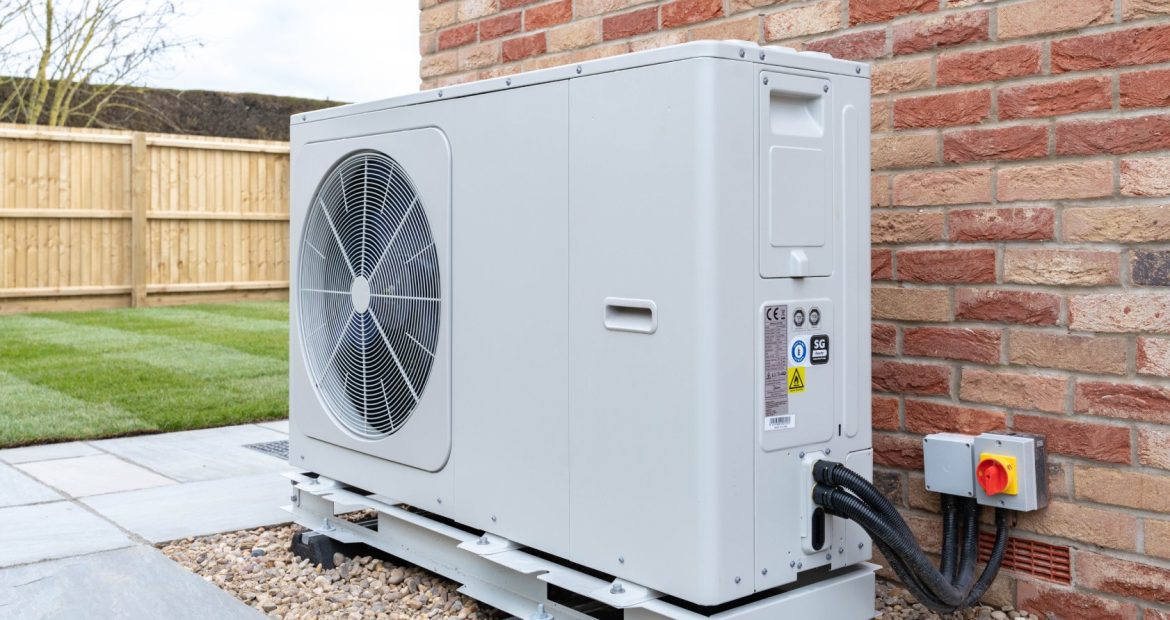
The main parts include the outdoor unit and indoor unit. The outdoor unit has a fan, compressor, and coil. The indoor unit contains a coil and a fan to spread warm or cool air. Pipes connect the two units, carrying refrigerant. The refrigerant moves heat between indoor and outdoor coils. Together, these parts keep your home comfortable all year.
Credit: cosyhomesoxfordshire.org
Space Requirements
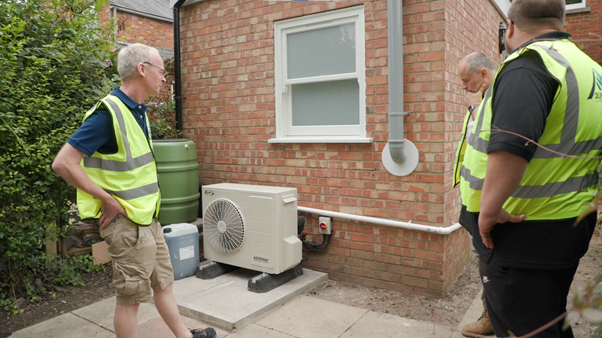
An air source heat pump needs a certain amount of space to work well. The outdoor unit is the main part that needs room. You must plan for its size and where to place it. The right space helps the heat pump run quietly and efficiently.
Clearance around the unit is also important. This space keeps air flowing and stops damage. Choosing the best spot for the unit affects its performance and your home’s comfort.
Outdoor Unit Dimensions
The outdoor unit is usually rectangular and not very large. Sizes differ, but most are about 2 to 3 feet wide. Heights range from 2 to 3 feet, and depth is usually 1 to 2 feet. Check the exact size before buying or installing.
Clearance Needs
Leave space around the unit for air to move freely. A minimum of 12 inches on the sides is best. At least 24 inches should be clear in front for airflow. Avoid placing objects close to the unit. This space also helps with maintenance and repairs.
Installation Location Options
Place the unit on a flat, stable surface like concrete or a sturdy platform. It can go in your backyard, side yard, or on a balcony. Avoid spots near windows or doors to reduce noise inside. The unit should be away from plants or debris that block airflow.
Factors Influencing Space
Several factors affect how much space an air source heat pump needs. Understanding these helps in proper planning and installation. Space requirements vary based on the heat pump’s size, your property, and local rules. Careful consideration ensures efficient operation and easy maintenance.
Heat Pump Capacity
The size of the heat pump impacts the space it requires. Larger units need more room for airflow and components. A small heat pump fits in tighter spaces. Matching the pump capacity to your home’s heating needs avoids oversizing.
Property Layout
Where you place the heat pump depends on your property’s shape and available areas. Outdoor units need clear space for air circulation. Avoid placing the pump near windows or quiet areas to reduce noise disturbance. Accessibility for service is important too.
Local Regulations
Local rules can limit where you install the heat pump. Some areas require minimum distances from property lines or neighbors. Check zoning laws and building codes before installation. Following regulations prevents fines and future problems.
Installation Tips
Installing an air source heat pump correctly is important for its performance and lifespan. Small details during setup affect how well the system works. Follow these tips to create the best environment for your heat pump.
Maximizing Efficiency
Choose a spot with plenty of airflow around the heat pump. Avoid tight spaces that block air movement. Keep the unit clear of leaves, dirt, and snow. Proper air circulation helps the heat pump work better and use less energy.
Avoiding Obstructions
Do not place the heat pump near walls or fences. Leave at least 2 feet of space on all sides. Avoid placing the unit under low roofs or close to bushes. Clear space prevents airflow problems and makes maintenance easier.
Noise Considerations
Select a location away from bedrooms or quiet areas. Heat pumps produce some noise during operation. Position the unit where sound will not disturb you or neighbors. Use sound barriers or mats if needed to reduce noise levels.
Maintenance Space Needs
Proper maintenance space is essential for air source heat pumps. It allows easy access for repairs and routine checks. Without enough room, servicing becomes difficult and costly. Planning space around the unit helps keep it efficient and long-lasting.
Access For Servicing
Technicians need clear space to reach all sides of the heat pump. At least 2 feet of clearance on all sides is ideal. This space lets them inspect, clean, and fix parts quickly. Crowded areas make servicing slow and less effective.
Seasonal Maintenance
Regular seasonal checks keep the heat pump running well. Cleaning the filters and coils requires easy access. Space around the unit helps remove debris like leaves or snow. Good airflow around the pump improves its performance and saves energy.

Credit: www.thermly.co.uk
Common Challenges
Air source heat pumps need space outside for proper installation and operation. Many homeowners face challenges finding enough room. These challenges can limit options or add extra costs. Understanding common challenges helps plan better and avoid problems.
Limited Outdoor Space
Small gardens or tight yards make fitting a heat pump hard. The unit needs clear space around it. This space allows airflow and easy maintenance. Without enough room, the pump may work poorly or break down.
Some homes have narrow side paths or crowded patios. These spots often lack the needed clearance. Finding an alternative place can be tricky. Sometimes, adjustments inside the home or yard are needed.
Neighbourhood Restrictions
Local rules can limit where you put a heat pump. Some areas have rules about noise or appearance. The unit must not disturb neighbors or block views. These rules protect community peace and property values.
Getting permits may take time and paperwork. Not following rules can lead to fines or removal. Checking local laws before buying helps avoid trouble. Talking to neighbors can also smooth the process.
Alternative Solutions
Space can limit the installation of a traditional air source heat pump. Some homes lack enough outdoor room for standard units. Alternative solutions help solve this issue. They offer options that fit smaller areas or combine technologies.
Compact Models
Compact models use less space than regular heat pumps. They have smaller outdoor units and quieter operation. These models suit apartments or homes with tight yards. Despite their size, they still provide good heating and cooling. Compact units fit in narrow spots like balconies or beside walls. They help save space without losing comfort.
Hybrid Systems
Hybrid systems mix a heat pump with a gas boiler. This reduces the size of the heat pump needed. The gas boiler supports heating during very cold weather. Hybrid setups work well in homes with limited space outside. They also improve energy efficiency by using the best source. This option balances space saving and reliable heating all year.
Credit: cocuun.co
Frequently Asked Questions
How Much Outdoor Space Does An Air Source Heat Pump Need?
An air source heat pump typically needs around 1 to 2 square meters of clear outdoor space. This allows good airflow and easy maintenance access. Avoid placing it too close to walls or fences.
Can An Air Source Heat Pump Fit In A Small Backyard?
Yes, many models are compact and fit in small backyards or side yards. Just ensure there is enough airflow and clearance as per manufacturer rules. Small space? Choose a smaller unit or consult an installer.
How Far Should An Air Source Heat Pump Be From Windows?
Keep the heat pump at least 1 meter away from windows to reduce noise issues. This distance helps avoid sound disturbance inside your home. Check local noise regulations as well.
Does The Heat Pump Need Space For Air Circulation?
Yes, good air circulation is crucial for efficient operation. Leave at least 30 cm clearance around the unit for airflow. Blocked airflow can reduce heating and increase energy use.
Can I Place An Air Source Heat Pump Under A Roof Or Awning?
Placing a heat pump under a roof or awning is possible but not ideal. It may reduce airflow and cause moisture buildup. Ensure the area is open enough for proper ventilation.
What Space Is Needed For Maintenance Of The Heat Pump?
You need enough room to access all sides of the unit for cleaning and servicing. Usually, 60 cm clearance in front and sides is recommended. Easy access helps keep the unit working well and lasting longer.
Conclusion
Choosing the right space for your air source heat pump matters a lot. It needs enough room for air to flow freely. Avoid placing it near walls or plants that block airflow. Giving it proper space helps the pump work better and last longer.
Remember, small changes in placement can save energy and reduce noise. Plan carefully before installation to enjoy these benefits. Simple steps lead to a more efficient and quiet heat pump at home.