
Are you wondering how much return air space you need for your home or office? Getting this right is crucial for keeping your space comfortable and your HVAC system running smoothly.
Too little return air can cause pressure problems and reduce efficiency, while too much might waste energy. You’ll discover simple guidelines to find the perfect balance. By understanding how much return air space is needed, you can improve airflow, save on energy bills, and extend the life of your equipment.
Keep reading to learn exactly what you need to know—your comfort depends on it!
Return Air Space Basics
Return air space is an important part of heating and cooling systems. It helps air flow back to the HVAC unit. This space allows the system to work correctly and keep your home comfortable. Understanding the basics of return air space helps maintain good air quality and system efficiency.
Role In Hvac Systems
Return air space lets used air flow back to the system. The HVAC unit takes this air and cools or heats it again. Without enough return air space, the system struggles to pull air. This can cause uneven heating or cooling inside the home.
Proper return air space also prevents pressure problems in the ducts. It keeps the system balanced and helps avoid damage. This space plays a key role in the overall HVAC setup.
Impact On Airflow Efficiency
Good airflow depends on proper return air space size. Too little space limits air movement and reduces system performance. This forces the HVAC to work harder, raising energy costs.
When return air space is right, air moves freely and evenly. The system cools or heats rooms faster and better. This also helps keep your energy bills lower and your system longer-lasting.
Determining Return Air Space Size
Determining the right size for return air space is key for good airflow. Proper sizing helps your heating and cooling system work well. It also keeps your home comfortable and saves energy. Understanding how to size return air space can avoid issues like poor air circulation and pressure problems.
Factors Influencing Size
Several factors affect the size of return air space needed. The size of your HVAC system plays a big role. Larger systems need more return air space. The layout of your home matters too. Open floor plans might need different sizes than smaller rooms. Airflow requirements and duct design also affect the space needed. Proper return air size prevents strain on your system.
Calculating Required Space
Calculate return air space by looking at your HVAC system’s airflow rate. This rate is measured in cubic feet per minute (CFM). Divide the CFM by the velocity of air to find the needed area. Most systems work best with air velocity between 400 to 600 feet per minute. For example, a system with 400 CFM and 500 feet per minute velocity needs 0.8 square feet of return air space. Always check manufacturer guidelines for exact numbers.
Common Return Air Space Standards
Return air space is key for proper airflow in heating and cooling systems. It helps the system work efficiently and keeps air balanced in a room or building. Different buildings need different return air space sizes. These sizes depend on local codes and system types. Understanding common return air space standards ensures safe and effective airflow.
Residential Guidelines
Homes usually need return air openings equal to at least 1 square inch per 1 square foot of floor area. This size helps the HVAC system breathe properly. Return vents should be placed in central locations. Avoid blocking vents with furniture or curtains. Often, a single return air grille is enough for small homes. Larger homes may require multiple return points for balanced air.
Commercial Building Requirements
Commercial buildings have stricter rules. They often need larger return air openings to handle bigger HVAC systems. The return air area should be at least 1 square inch per 1000 BTUs of cooling capacity. These spaces must meet building codes and safety standards. Air filters and grilles must be easy to access for cleaning. Proper return air prevents pressure problems and improves indoor air quality.

Credit: thefurnaceoutlet.com
Effects Of Insufficient Return Air Space
Insufficient return air space can cause many problems in HVAC systems. Return air is the air pulled back into the system for heating or cooling. Without enough return air space, the system struggles to work properly. This leads to lower comfort and higher costs. Understanding the effects helps keep your system efficient and safe.
Reduced System Performance
Not enough return air space limits airflow. The system cannot move air smoothly. This makes heating or cooling uneven in your home. Rooms may stay too hot or too cold. The system runs longer but does not work well. Comfort levels drop, causing frustration.
Increased Energy Consumption
Poor airflow forces the system to use more energy. It works harder to reach the set temperature. This wastes electricity and raises utility bills. Over time, energy costs become much higher. Efficient airflow saves money and energy.
Potential Equipment Damage
Low return air space stresses HVAC parts. The system may overheat or freeze. This causes wear and tear on components. Repairs become more frequent and costly. Proper return air space protects your equipment’s lifespan.
Optimizing Return Air Design
Optimizing return air design is key to a healthy and efficient HVAC system. Proper return air space helps balance air flow. It stops pressure problems and saves energy. Good design also improves comfort in your home or office.
Planning the right return air layout needs careful thought. The goal is to let air flow back to the system easily. This keeps the HVAC system running smoothly and quietly.
Placement Strategies
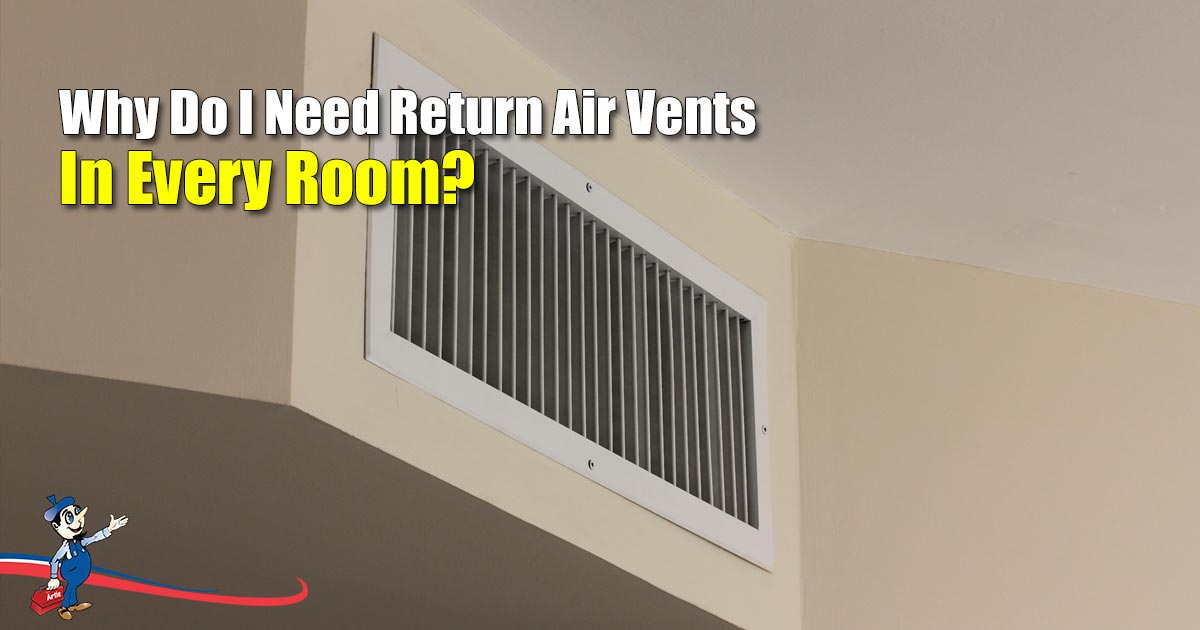
Place return air vents in central locations. This helps air circulate well throughout the room. Avoid putting returns near supply vents to prevent short-circuiting air flow.
High wall placements work best for warm air returns. Floor-level returns capture cooler air effectively. Balance placement to ensure even air movement in all spaces.
Using Grilles And Returns Effectively
Choose grilles that match the size of your return ducts. Too small grilles block air flow. Large grilles allow smooth air movement.
Clean grilles regularly to avoid dust build-up. Dirty grilles reduce airflow and lower system efficiency. Use adjustable grilles to control air volume easily.
Credit: www.artplumbingandac.com
Maintenance Tips For Return Air Spaces
Maintaining return air spaces is key to good airflow and system efficiency. Clean and clear spaces help your HVAC system work well. Regular care prevents issues and keeps air fresh inside.
Cleaning And Inspection
Check return air vents often for dust and dirt buildup. Use a vacuum or soft brush to remove debris. Clean vents at least twice a year to avoid blockages. Inspect the area for damage or loose parts. Fix any problems quickly to keep air flowing smoothly.
Preventing Blockages
Keep furniture and objects away from return air vents. Blocked vents reduce airflow and strain your system. Make sure vents are not covered by rugs or curtains. Clear pets’ hair and other debris regularly. Good airflow lowers energy use and improves air quality.
Upgrading Return Air Systems
Upgrading return air systems improves airflow and indoor air quality. Old systems often restrict air movement, causing uneven temperatures and higher energy bills. Modern upgrades help homes and buildings breathe better. They create a balanced airflow that supports HVAC efficiency and comfort. Knowing when to expand or improve the return air space is key to making the right upgrade.
When To Consider Expansion
Expansion is necessary if rooms feel stuffy or hot spots appear. If your HVAC system runs longer than usual, return air may be blocked. Smaller return vents can cause poor air circulation. Adding more return air space or larger vents helps the system work easier. Check for unusual noise or dust buildup near vents. These signs show the need for better return air design.
Benefits Of Modern Solutions
Modern return air systems use advanced materials and smart layouts. They reduce energy use by allowing smooth airflow. Quiet operation means less noise from vents and ducts. Improved filters in new systems trap dust and allergens better. These upgrades support healthier air inside the home. They also extend the life of your HVAC equipment by lowering strain.

Credit: www.reddit.com
Frequently Asked Questions
How Much Return Air Space Does A Typical Hvac System Need?
A typical HVAC system needs at least 8 square inches of return air space per 1000 BTUs. This helps the system work efficiently and avoid damage.
Why Is Return Air Space Important For Ventilation?
Return air space allows air to flow back to the HVAC unit for proper circulation. Without enough space, air pressure drops and the system struggles.
Can Too Little Return Air Space Harm My Hvac System?
Yes, too little return air space can cause the system to overheat or freeze. It lowers efficiency and may increase repair costs.
What Happens If My Return Air Space Is Too Large?
Too large return air space is usually not a problem but may increase dust entry. It won’t harm the HVAC system but can affect air quality.
How Do I Measure The Return Air Space In My Home?
Measure the height and width of the return air grille or vent. Multiply to find the total square inches of return air space.
Does Room Size Affect The Return Air Space Needed?
Yes, larger rooms require more return air space to balance airflow. Proper sizing helps maintain good air quality and system performance.
Conclusion
Proper return air space keeps your HVAC system working well. It helps air flow smoothly and prevents pressure problems. Too little space can cause noise or damage. Make sure to follow guidelines for your home size. Good air return means better comfort and lower energy bills.
Check your system regularly to keep it efficient. Small changes in return air space make a big difference. Keep your home fresh and your system healthy with proper planning. Simple steps create a cool, comfortable living space year-round.