
If you have an 18×48 pool, you know how important it is to keep the water clean and safe. But figuring out how much chlorine to add can feel confusing.
Add too little, and your pool might become a breeding ground for bacteria. Add too much, and the water can irritate your skin and eyes. You want the perfect balance to enjoy sparkling clear water without any worries. You’ll learn exactly how much chlorine your pool needs, step by step.
By the end, you’ll feel confident about keeping your pool fresh all season long. Keep reading to find out the simple trick to get your chlorine level just right!
Chlorine Basics
Chlorine is the most common chemical used to keep pool water clean and safe. It kills bacteria, algae, and other germs. Knowing the basics of chlorine helps you keep your 18×48 pool healthy. Proper chlorine levels prevent cloudy water and skin irritation. Understanding how to use chlorine right is important for every pool owner.
Types Of Chlorine
There are several types of chlorine for pools. The most popular are liquid chlorine, chlorine tablets, and granular chlorine. Liquid chlorine works fast but loses strength quickly. Tablets dissolve slowly, giving steady chlorine levels over time. Granular chlorine is good for quick boosts. Each type has pros and cons. Choose the one that fits your pool needs.
Why Chlorine Matters
Chlorine keeps pool water safe by killing harmful germs. It stops algae from growing and makes the water clear. Without chlorine, bacteria can cause illness. Proper chlorine levels also protect pool surfaces and equipment. Too little chlorine means dirty water. Too much chlorine can irritate skin and eyes. Balance is key for a safe, clean pool.

Credit: www.reddit.com
Calculating Pool Volume
Knowing your pool’s volume is the first step to adding the right amount of chlorine. Chlorine keeps the water clean and safe. Too much or too little can cause problems. Calculating the pool volume helps you find the exact chlorine needed.
Measuring Your Pool
Measure the length, width, and average depth of your pool in feet. Use a tape measure for accuracy. For an 18×48 pool, the length is 48 feet, and the width is 18 feet. Check the depth at different points and find the average depth. Add the shallow and deep ends, then divide by two.
Volume Formula For Rectangular Pools
Use this simple formula to calculate volume:
Volume (gallons) = Length × Width × Average Depth × 7.5
The number 7.5 converts cubic feet to gallons. For example, an 18×48 pool with an average depth of 4 feet holds:
18 × 48 × 4 × 7.5 = 25,920 gallons.
Knowing this number helps you dose chlorine correctly. Always double-check your measurements for best results.
Ideal Chlorine Levels
Maintaining the right chlorine level keeps your 18×48 pool safe and clean. Chlorine kills harmful bacteria and prevents algae growth. Too little chlorine allows germs to grow. Too much chlorine can irritate skin and eyes. Finding the ideal balance is important for a healthy pool.
Recommended Ppm Range
Chlorine levels are measured in parts per million (ppm). For an 18×48 pool, keep chlorine between 1 and 3 ppm. This range is strong enough to kill bacteria but gentle on swimmers. Test your pool water regularly using a reliable test kit. Adjust chlorine levels as needed to stay within this range.
Factors Affecting Chlorine Needs
Several factors change how much chlorine your pool needs. Warm weather increases chlorine use because heat speeds up chlorine breakdown. More swimmers mean more chlorine is needed to fight germs. Rain or debris can lower chlorine levels by diluting or using it up. Pools with poor circulation require more chlorine to stay clean. Regular testing helps you adjust chlorine for these changes.
Chlorine Dosage For 18×48 Pools
Chlorine keeps your 18×48 pool clean and safe. Knowing the right dosage matters. Too little chlorine lets bacteria grow. Too much can irritate skin and eyes. This guide helps you find the right chlorine amount for your pool size.
Initial Shock Treatment
Start by shocking the pool to kill germs. Use about 3 pounds of chlorine per 10,000 gallons. An 18×48 pool holds roughly 32,000 gallons. So, add around 9 to 10 pounds of chlorine. Spread it evenly around the pool. Run the pump for 8 hours after adding chlorine.
Regular Maintenance Dosage
Keep chlorine levels steady with regular dosing. Add 2 to 3 ppm of chlorine weekly. For an 18×48 pool, this means about 1.5 pounds of chlorine. Test water twice a week to check levels. Adjust chlorine to keep water clear and safe.
Adding Chlorine Safely
Adding chlorine safely to your 18×48 pool keeps the water clean and healthy. It prevents harmful bacteria and algae growth. Using the right amount at the right time is key. Careful handling protects you and your pool equipment. Follow safe steps to keep your pool sparkling and safe.
Best Time To Add Chlorine
Add chlorine in the evening or late afternoon. Sunlight breaks down chlorine quickly. Adding it at night keeps chlorine working longer. Avoid adding chlorine during the hottest part of the day. This helps maintain steady chlorine levels. It also reduces chemical loss and improves pool safety.
Proper Mixing Techniques
Dissolve chlorine in a bucket of water before adding. This prevents direct contact with pool surfaces. Pour the mixture slowly around the pool edges. Use a pool brush or pool pump to mix the water. Proper mixing spreads chlorine evenly. It avoids high concentration spots that can damage pool surfaces.

Credit: www.reddit.com
Monitoring Chlorine Levels
Monitoring chlorine levels in your 18×48 pool is key for clean and safe water. Chlorine kills germs and keeps algae away. Too little chlorine means cloudy water and health risks. Too much chlorine can cause skin and eye irritation. Regular checks help keep levels just right for swimming comfort and safety.
Testing Methods
Test your pool water often. Use test strips or liquid test kits. Dip a strip or add drops to a water sample. Compare the color change to the chart. This shows the chlorine level. Digital testers give quick, exact readings. Choose a method that fits your routine. Test at least twice a week during swimming season.
Adjusting Dosage Based On Results
Check the chlorine reading from your test. If it is below 1 ppm, add chlorine. Add a small amount first, then retest after a few hours. If the level is above 3 ppm, stop adding chlorine. Let the sun reduce the chlorine naturally. Adjust the amount you add based on test results. Keep chlorine levels between 1 and 3 ppm for best results.
Common Chlorine Problems
Chlorine is essential for keeping your 18×48 pool clean and safe. Too much or too little can cause problems. Knowing the common issues helps you balance chlorine levels. Proper care keeps your water clear and healthy.
Overchlorination Effects
Too much chlorine makes pool water smell strong and harsh. It can irritate your skin and eyes. Swimmers may feel itchy or experience red eyes. Overchlorination can also damage pool equipment. It eats away at pool liners and metal parts. The water may become cloudy and unpleasant.
Underchlorination Risks
Too little chlorine allows bacteria and algae to grow fast. This causes green or cloudy water. It increases the risk of infections for swimmers. Germs can spread easily in underchlorinated pools. The water may develop bad odors. Pool surfaces can become slippery and unsafe.
Alternative Sanitizers
Choosing the right sanitizer for your 18×48 pool matters. Chlorine is common but not the only choice. Alternative sanitizers can keep your pool clean and safe. They often need less maintenance and cause less irritation. These options suit swimmers with sensitive skin or eyes.
Saltwater Systems
Saltwater systems use salt to create chlorine naturally. They need a salt chlorine generator installed in the pool. This system keeps chlorine levels steady. Saltwater pools feel softer on the skin and eyes. You still get clean water but with less strong chlorine smell. These systems are easy to maintain once set up. They save time on adding chlorine manually.
Non-chlorine Options
Non-chlorine sanitizers include bromine, ozone, and UV systems. Bromine works well in hot water and lasts longer than chlorine. Ozone kills bacteria by using oxygen molecules. UV systems use light to destroy germs. These options reduce chemical use and lower irritation. They need special equipment and sometimes extra care. Non-chlorine sanitizers often combine with small chlorine amounts for best results.
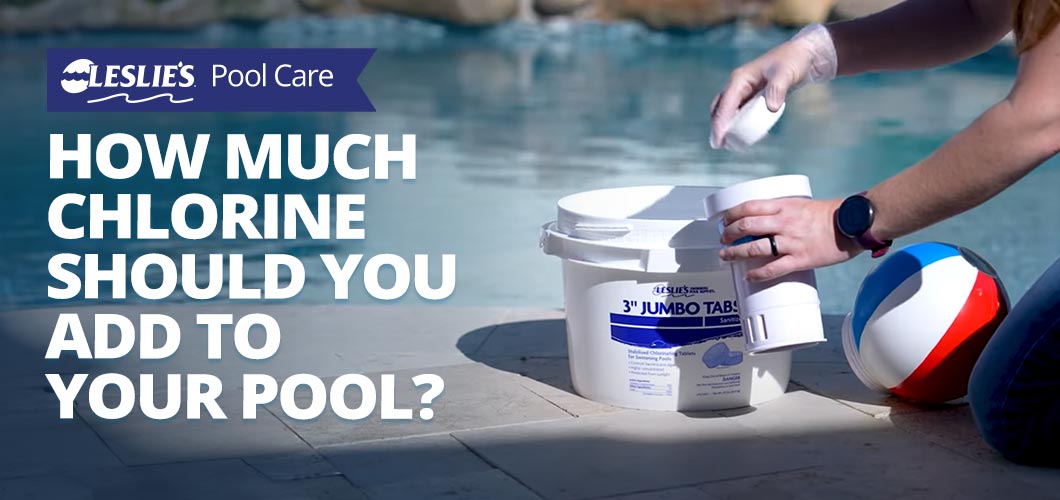
Credit: lesliespool.com
Frequently Asked Questions
How Much Chlorine Is Needed For An 18×48 Pool?
For an 18×48 pool, use about 3 to 5 pounds of chlorine weekly. This amount depends on pool usage and weather conditions. Regular testing helps maintain safe chlorine levels between 1-3 ppm.
How Often Should I Add Chlorine To My Pool?
Chlorine should be added at least once a week. During heavy use or hot weather, add chlorine more frequently to keep the water clean and safe.
What Is The Ideal Chlorine Level For A Pool?
The ideal chlorine level is between 1 and 3 parts per million (ppm). Maintaining this range prevents algae and bacteria growth while being safe for swimmers.
Can I Use Liquid Chlorine In An 18×48 Pool?
Yes, liquid chlorine is effective and easy to use. Add it according to the pool volume and test levels regularly to avoid over-chlorination.
Conclusion
Maintaining the right chlorine level keeps your 18×48 pool clean and safe. Use the correct amount based on your pool’s size and water condition. Test the water regularly to avoid too little or too much chlorine. Balanced chlorine helps prevent algae and bacteria growth.
Simple steps can save time and money. Enjoy a clear, healthy pool all season long.