
Have you ever wondered how flameless air heaters can keep your space warm without a visible flame? If you’re looking for a safe, efficient way to heat your home or workspace, understanding how these heaters work is key.
Imagine enjoying steady warmth without worrying about open flames or sparks. You’ll discover the simple science behind flameless air heaters and why they might be the perfect choice for your heating needs. Keep reading to unlock the secrets of this innovative technology and see how it can make your life more comfortable and secure.
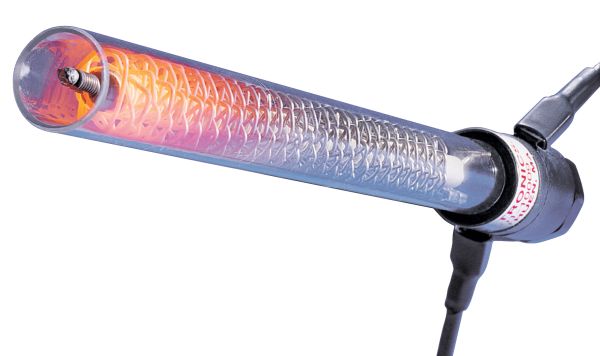
Credit: www.therm-x.com
Basics Of Flameless Air Heaters
Flameless air heaters provide warmth without an open flame. They are safe and efficient for many indoor and outdoor uses. Understanding how these heaters work helps you choose the right one for your needs.
The basics involve simple parts and clear processes. These heaters use a different method to generate heat compared to regular heaters. This section explains the core components, how heat is made, and the types available.
Core Components
Flameless air heaters have a few key parts. A heat exchanger is one of the main components. It transfers heat to the air safely. There is also a combustion chamber where fuel burns without a visible flame. A blower moves warm air out of the heater. Sensors and controls keep the heater running safely and efficiently.
How Heat Is Generated
Heat comes from burning fuel inside the combustion chamber. The flame stays hidden inside a special material. This material absorbs the heat and warms the heat exchanger. The blower then pushes warm air out. The process stops smoke and flames from escaping. This makes flameless heaters safer than traditional heaters.
Types Of Flameless Heaters
There are several types of flameless air heaters. Some run on propane or natural gas. Others use electricity to produce heat. Portable flameless heaters are popular for camping and outdoor work. Fixed units often serve larger spaces like warehouses or garages. Each type fits different needs and places.
Working Mechanism
The working mechanism of flameless air heaters is simple but effective. These heaters provide warmth without an open flame. They use a special process to heat air safely and quickly. Understanding how they work helps to appreciate their benefits in many settings.
Heat Exchange Process
Flameless air heaters heat air through a heat exchange system. Inside the heater, a heating element warms up. Air passes over this hot surface and absorbs the heat. The air becomes warm without touching any flames. This process ensures steady and clean heat.
Airflow And Circulation
Fans inside the heater push air through the system. Cool air enters the heater and moves past the heating element. Warm air then flows out into the room. This circulation spreads heat evenly and quickly. It helps maintain a comfortable temperature.
Safety Features
Flameless air heaters include several safety features. They avoid open flames, reducing fire risks. Many models have sensors to monitor temperature. If the heater gets too hot, it shuts off automatically. This makes flameless heaters safe for homes and workplaces.
Energy Efficiency
Energy efficiency is a key advantage of flameless air heaters. These heaters use less fuel while giving off steady heat. This means they save money and reduce waste. Understanding how they manage energy helps show why they are a smart choice for many users.
Fuel Consumption
Flameless air heaters burn fuel in a way that uses almost all of it. There is no open flame, so less energy escapes into the air. The heater converts fuel into heat more completely. This means you need less fuel to keep warm.
Heat Output Vs. Energy Use
These heaters produce steady heat without big swings in temperature. They keep spaces warm using less power. The heat output matches the energy used efficiently. This balance lowers fuel costs and prevents energy waste.
Environmental Benefits
Using less fuel means fewer harmful emissions. Flameless heaters release little smoke or soot. This helps keep air cleaner indoors and outdoors. They offer a greener way to heat spaces without losing warmth.

Credit: convectronics.com
Applications And Benefits
Flameless air heaters offer many uses and benefits across different settings. Their unique design makes them safe and efficient. Many homes and businesses choose these heaters for warmth and comfort.
These heaters work without an open flame. This feature reduces fire risks and improves air quality. The technology suits various environments, from small rooms to large industrial spaces.
Residential Uses
Flameless air heaters keep homes warm during cold days. They fit well in living rooms, bedrooms, and basements. Families enjoy safer heating without worries about sparks or fumes.
These heaters work quietly and cleanly. They help maintain a cozy atmosphere without drying the air. Ideal for houses with children or pets.
Commercial And Industrial Uses
Businesses use flameless air heaters to heat large spaces. Warehouses, factories, and workshops benefit from fast, even heat. They operate safely in places with flammable materials.
These heaters support work environments that need reliable warmth. Offices and stores also use them for comfort. Their easy installation suits many commercial setups.
Advantages Over Traditional Heaters
Flameless air heaters do not produce open flames or sparks. This lowers fire hazards and improves safety. They also emit less carbon monoxide, protecting indoor air quality.
These heaters heat spaces faster and use less energy. They require less maintenance than traditional models. Their compact size fits well in tight areas.
Maintenance Tips
Proper maintenance keeps flameless air heaters working well and safe. Regular care helps avoid breakdowns and keeps the heat steady. Simple steps can extend your heater’s life and save money.
Regular Cleaning
Dust and dirt can block the heater’s air flow. Clean the outer surface with a soft cloth every week. Use a vacuum to remove dust from vents and filters. Avoid water or harsh chemicals on electrical parts. Keeping the heater clean improves performance and safety.
Troubleshooting Common Issues
Check the power supply first if the heater won’t start. Look for loose wires or blown fuses. Listen for unusual noises or smells during operation. These signs may mean a problem inside the unit. Consult the user manual for simple fixes before calling a technician.
Extending Heater Lifespan
Use the heater as the manual suggests. Avoid running it non-stop for long periods. Turn it off when not needed to save energy and reduce wear. Store the heater in a dry place during off seasons. Regular inspections help catch issues early and keep the heater lasting longer.

Credit: www.youtube.com
Choosing The Right Heater
Choosing the right flameless air heater ensures safe and efficient heating. Each space has unique needs that affect heater performance. Consider key factors to pick the best option. These include the size of the area, fuel type, and overall cost. Understanding these points helps avoid overheating or wasting fuel. The right choice saves money and provides steady warmth.
Sizing And Capacity
Match the heater size to the room size. A small heater cannot warm a large space well. Too large a heater wastes energy and may overheat the room. Calculate the room volume in cubic feet. Check the heater’s capacity rating in BTUs or kilowatts. Choose a heater that meets or slightly exceeds this need. This ensures consistent and even heat distribution.
Fuel Type Considerations
Flameless heaters use different fuels like propane, natural gas, or electricity. Each fuel has pros and cons. Propane heaters are portable but require fuel tanks. Natural gas heaters need a fixed gas line but run continuously. Electric heaters are easy to use but can cost more to run. Think about fuel availability and safety in your space. Choose a fuel type that fits your setup and budget.
Cost And Efficiency Comparison
Compare initial price and running costs. Some heaters cost more but use less fuel. Others are cheaper upfront but less efficient. Check the heater’s efficiency rating. Higher efficiency means less fuel waste and lower bills. Consider maintenance costs too. A cost-effective heater balances price with long-term savings. This helps keep your heating budget under control.
Frequently Asked Questions
What Is A Flameless Air Heater And How Does It Work?
A flameless air heater warms air without using an open flame. It uses catalytic oxidation to produce heat safely and efficiently.
Why Are Flameless Air Heaters Safer Than Traditional Heaters?
They don’t have an open flame, reducing fire risks. This makes them ideal for enclosed or sensitive spaces.
What Are Common Uses For Flameless Air Heaters?
They are used in tents, workshops, and small rooms. Anywhere safe, flameless heat is needed, they work well.
How Efficient Are Flameless Air Heaters In Heating Spaces?
They convert most fuel into heat, with minimal waste. This makes them energy-efficient and cost-effective for many users.
Can Flameless Air Heaters Operate Indoors Without Ventilation?
Yes, many models are designed for indoor use with low emissions. Still, some fresh air circulation is best for safety.
What Fuels Do Flameless Air Heaters Typically Use?
Most use propane or natural gas for clean combustion. Some models may also use butane or other gas fuels.
Conclusion
Flameless air heaters provide heat without visible flames. They use chemical reactions to create warm air safely. This makes them ideal for indoor and outdoor use. Their design reduces fire risks and improves energy use. Understanding how they work helps you choose the right heater.
Safe, efficient, and easy to operate—these heaters meet many heating needs. Consider flameless air heaters for clean and reliable warmth. Simple technology with clear benefits for everyday heating.