
Have you ever wondered how close your furniture should be to your baseboard heaters? Placing items too near can block heat, damage your belongings, or even create a fire hazard.
On the other hand, keeping too much distance might waste valuable space in your room. Finding the right balance is easier than you think—and it can make your home safer and more comfortable. Keep reading to discover simple tips that will help you arrange your furniture perfectly around baseboard heaters.

Credit: www.reddit.com
Baseboard Heater Basics
Baseboard heaters are common in many homes. They provide steady heat along the edges of rooms. Understanding how they work helps keep your space warm and safe.
Proper placement of furniture near baseboard heaters is important. This ensures good airflow and prevents fire risks. Let’s explore the types and functions of these heaters.
Types Of Baseboard Heaters
Electric baseboard heaters use electric coils to produce heat. They are easy to install and control. These heaters warm the air by radiation and convection.
Hydronic baseboard heaters use hot water to heat the space. A boiler heats the water, which flows through pipes in the heater. They provide gentle, even heat and are quieter than electric models.
How Baseboard Heaters Work
Baseboard heaters warm the air near the floor. Warm air rises, creating a natural flow of heat in the room. This movement helps spread heat evenly.
The heater’s metal fins increase surface area for better heat transfer. This design helps warm the room faster. Keeping clear space around the heater improves this process.
Safety Distance Guidelines
Maintaining a safe distance between furniture and baseboard heaters is essential. It helps prevent fire hazards and ensures efficient heating. Following safety distance guidelines protects your home and family.
Recommended Clearance Space
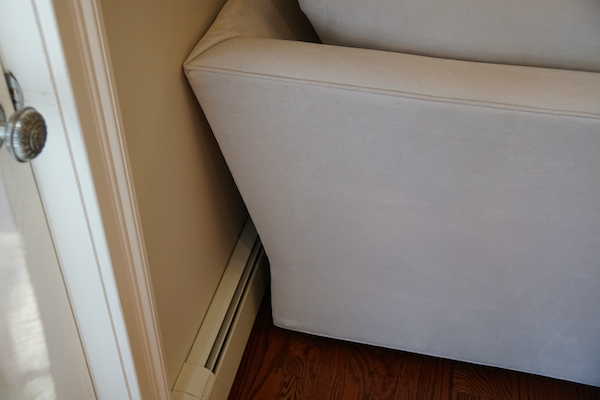
Keep at least 12 inches of space between furniture and baseboard heaters. This distance allows heat to flow freely. It stops furniture from getting too hot. Avoid placing curtains or flammable items closer than 12 inches. This space also reduces the risk of damage or fire.
Factors Affecting Distance
The type of heater affects the safe distance. Some heaters run hotter than others. The material of your furniture matters too. Wooden or fabric furniture needs more clearance than metal. Room size can change how far furniture should be. Small rooms may require more space for air circulation. Always check manufacturer instructions for specific advice.
Risks Of Improper Placement
Placing furniture too close to baseboard heaters can cause several problems. It is important to keep a safe distance to avoid risks. These risks affect safety, furniture condition, and heater performance.
Fire Hazards
Baseboard heaters get very hot during use. Furniture placed too close can catch fire. Materials like fabric, wood, and paper are very flammable. This creates a serious safety risk for your home. Keeping space between heaters and furniture lowers fire chances.
Damage To Furniture
Heat from baseboard heaters can ruin furniture. Wood may crack or warp over time. Fabrics can fade or become brittle. Prolonged exposure to heat shortens furniture life. Proper spacing protects your furniture investment.
Reduced Heater Efficiency
Furniture blocking a heater stops warm air flow. This makes rooms take longer to heat. The heater uses more energy to reach the right temperature. Efficiency drops, and heating costs rise. Clear space helps heaters work at their best.
Choosing Safe Furniture Materials
Choosing the right furniture materials near baseboard heaters is very important. The heat from these heaters can damage some materials or even cause fire risks. Picking safe materials helps keep your home safe and your furniture lasting longer. Always consider how the material reacts to heat before placing it close to a heater.
Heat-resistant Options
Some furniture materials handle heat better than others. Metal and glass are good choices near baseboard heaters. They do not catch fire and do not get damaged easily by heat. Leather can also resist heat well but may dry out if too close. Look for fabrics treated to resist heat. These choices protect your furniture and reduce risk.
Avoiding Flammable Materials
Many common furniture materials catch fire easily. Avoid placing wood or plastic items too close to baseboard heaters. Soft fabrics like cotton, wool, and polyester can ignite if they touch the heater. Foam cushions and pillows are also risky near heat. Keep these materials far from the heater to prevent accidents. Safety means choosing wisely and spacing furniture well.
Installation And Maintenance Tips
Proper installation and regular maintenance keep baseboard heaters safe and efficient. They help prevent fire hazards and ensure even heating. Follow simple steps to place and care for your heaters.
Positioning Baseboard Heaters
Keep furniture at least 12 inches away from baseboard heaters. This space allows heat to spread evenly. Avoid blocking the heater with sofas, curtains, or rugs. Place heaters below windows to reduce cold air. Use heat-resistant barriers if needed to protect nearby items. Proper positioning helps the heater work better and lasts longer.
Regular Inspection And Cleaning
Check your baseboard heaters every few months. Look for dust buildup, loose parts, or signs of damage. Turn off the power before cleaning. Use a vacuum with a brush attachment to remove dust inside. Wipe the heater surface with a damp cloth. Keep vents clear to maintain airflow. Regular care reduces risks and improves heater performance.

Credit: www.youtube.com
Alternative Heating Solutions
Baseboard heaters need space around them to work safely and well. Sometimes, furniture placement near these heaters feels tricky. Alternative heating solutions offer options that fit different rooms and needs. These solutions can save space and keep your home warm without worry about heater clearance.
Wall-mounted Heaters
Wall-mounted heaters attach directly to the wall. They do not sit on the floor, freeing up space. This makes room for furniture without blocking heat. Many models come with safety features to prevent overheating. They heat rooms quickly and use less energy. Ideal for small spaces or rooms with little floor space.
Portable Heaters
Portable heaters are easy to move from room to room. You can place them where heat is needed most. They do not need permanent installation. Many have safety shut-off features for peace of mind. Portable heaters work well for spot heating. They offer flexibility and warmth without changing furniture layout.
Credit: www.aconcordcarpenter.com
Frequently Asked Questions
How Close Can Furniture Be To Baseboard Heaters?
Furniture should be at least 12 inches away from baseboard heaters. This space prevents heat damage and allows air to flow properly. Keeping this gap helps your heater work efficiently and keeps furniture safe.
Why Keep Distance Between Furniture And Baseboard Heaters?
Distance stops furniture from overheating or catching fire. It also helps heat spread evenly in the room. Close furniture can block heat and raise energy bills.
What Furniture Types Should Avoid Baseboard Heaters?
Avoid placing fabric-covered or wooden furniture near heaters. These materials can get damaged by heat or become fire risks. Use metal or heat-resistant furniture if space is tight.
Can Baseboard Heaters Damage Nearby Furniture?
Yes, heat can fade, warp, or dry out nearby furniture. It may also cause paint or finish to peel. Proper spacing protects your furniture’s look and lifespan.
How To Arrange Room With Baseboard Heaters Safely?
Place furniture at least one foot away from heaters. Use rugs or curtains that do not cover the heater. Arrange seating so heat flows freely for comfort and safety.
Conclusion
Keep furniture at least 12 inches away from baseboard heaters. This space helps heat flow freely and keeps your home safe. Crowding furniture near heaters can cause damage or fire risks. Always check your heater’s instructions for exact distances. A small gap protects your furniture and heater from harm.
Simple steps like this improve your room’s comfort and safety. Remember, safety matters more than style in heating areas. Give your heater room to work well and keep your home warm.