
Have you ever wondered how your home stays warm and cozy during chilly days? Understanding how a forced air heater works can give you a clearer picture of what’s happening behind the scenes when you switch on your heating system.
This simple yet powerful device plays a key role in keeping your space comfortable. By the time you finish reading, you’ll know exactly how warm air travels through your home and why this heater might be the perfect fit for your needs.
Let’s dive in and uncover the secrets of forced air heating together!
Credit: www.sietesetenta.com.ar
Basic Principles Of Forced Air Heating
Forced air heating warms your home by moving heated air through vents. It uses simple steps to spread warmth quickly and evenly. Understanding these basics helps you see how this system keeps rooms cozy.
Heat Generation Process
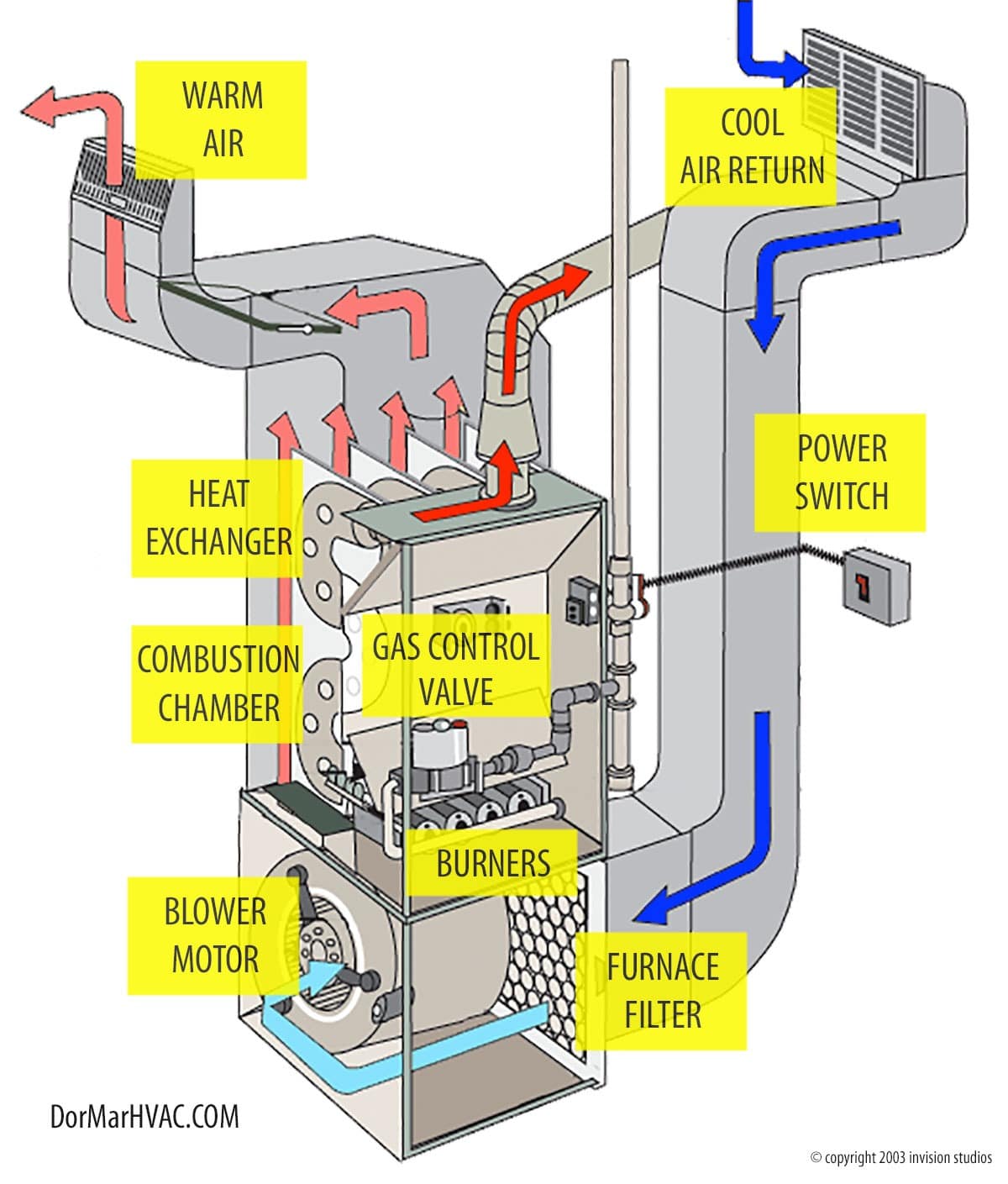
The heater creates warmth by burning fuel or using electricity. Gas furnaces burn natural gas or propane to produce heat. Electric heaters use coils that get hot when electricity passes through. This heat then moves to the air that flows inside the system.
Airflow Mechanism
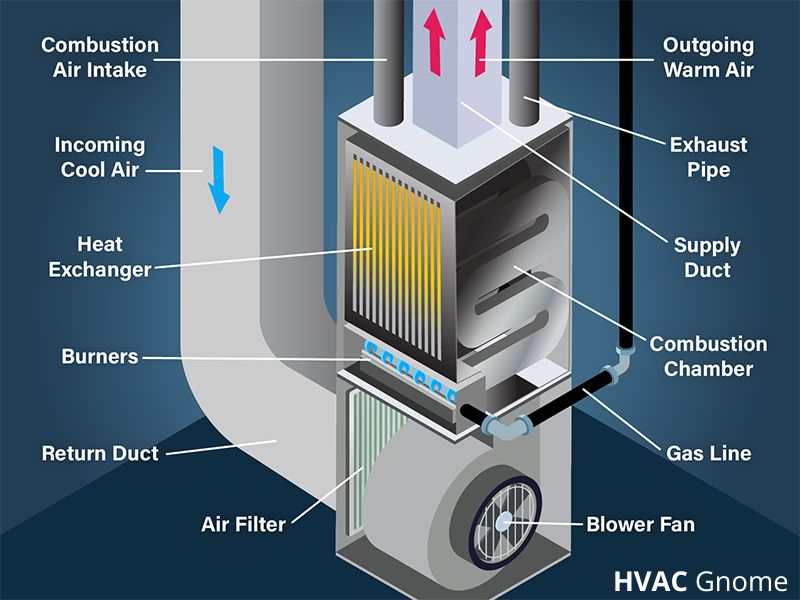
Cold air from rooms enters the system through return vents. The air passes over heated elements or heat exchangers. As it warms up, the air becomes lighter and ready to move through the home. This flow keeps the cycle going and spreads heat quickly.
Role Of The Blower
The blower is a fan that pushes warm air through ducts. It moves the heated air into rooms via supply vents. Without the blower, warm air would stay trapped inside the heater. The blower ensures warmth reaches every corner of your house.
Credit: www.rtk-holding.ru
Key Components Of Forced Air Heaters
Forced air heaters rely on several key parts to work well. Each part plays a role in warming your home efficiently. Understanding these components helps you see how heat moves through your system.
Heat Exchanger Function
The heat exchanger heats the air without mixing gases. It transfers heat from burning fuel to the air. This keeps the air clean and safe to breathe. Warm air then moves to the blower for distribution.
Thermostat Control
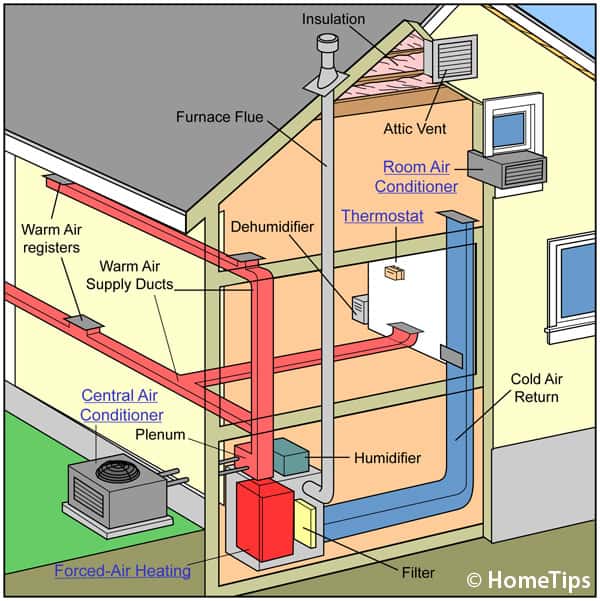
The thermostat tells the heater when to start and stop. It senses the room temperature and compares it to the set level. When the air is cold, the thermostat signals the heater to turn on. It shuts off the heat once the room warms up.
Ductwork And Vents
Ductwork carries warm air from the heater to each room. Vents release the heated air into your living spaces. Properly sealed ducts prevent heat loss and save energy. This system moves warm air quickly and evenly throughout your home.
Types Of Forced Air Heaters
Forced air heaters come in different types. Each type uses a unique method to warm your space. Understanding these types helps you pick the right heater for your needs.
Here are the main kinds of forced air heaters you might find.
Gas-fired Heaters
Gas-fired heaters burn natural gas or propane. The heat from the burning gas warms the air. A blower then pushes the warm air through ducts into rooms. These heaters heat spaces quickly and are common in homes. They require a gas line and proper ventilation for safety.
Electric Forced Air Heaters
Electric forced air heaters use electric heating elements. These elements get hot when powered on. A fan blows air over the elements, warming it before sending it out. They are easy to install and do not need fuel. Electric heaters are quiet and good for smaller spaces.
Oil-fired Systems
Oil-fired forced air heaters burn heating oil to create heat. The oil burns in a furnace, producing warm air. A fan moves this air through ducts into living areas. These systems are common in places without gas lines. They need regular maintenance to keep running safely and efficiently.
Efficiency Factors In Forced Air Heating
Efficiency in forced air heating depends on several key factors. These factors control how well the system heats your home and how much energy it uses. Understanding these can help you save money and stay warm.
Insulation And Air Leakage
Good insulation keeps warm air inside your home. It stops heat from escaping through walls and ceilings. Air leaks around windows, doors, and ducts also reduce heating efficiency. Sealing these leaks helps the heater work less and use less energy.
Regular Maintenance Importance
Cleaning and checking the forced air heater regularly keeps it running well. Dirty filters and blocked ducts make the system work harder. This wastes energy and can cause breakdowns. Regular maintenance improves airflow and heat output.
Upgrading To High-efficiency Models
Newer forced air heaters use less fuel to produce the same heat. High-efficiency models save energy and lower bills. They also reduce harmful emissions. Switching to a modern system can improve comfort and cut costs in the long run.
Common Issues And Troubleshooting
Forced air heaters are reliable, but sometimes issues arise. Knowing common problems helps you fix them fast. This saves money and keeps your home warm. Below are some frequent issues and simple ways to troubleshoot them.
Airflow Problems
Weak or no airflow often signals blocked vents or dirty filters. Dust and debris limit air movement. Check filters monthly and clean or replace them. Also, inspect vents for obstructions like furniture or curtains. Clear any blockages to restore airflow quickly. Fan motors can also fail, causing poor airflow. If cleaning doesn’t help, a technician may need to check the motor.
Thermostat Malfunctions
A faulty thermostat can stop your heater from turning on. Sometimes it shows wrong temperatures or won’t respond to settings. First, check the batteries and replace them if needed. Make sure the thermostat is set to “heat” and the temperature is higher than room temp. Resetting the thermostat by turning it off and on can fix minor glitches. If problems continue, the thermostat might need professional repair or replacement.
Noisy Operation Causes
Strange noises from a forced air heater can mean trouble. Rattling sounds often come from loose parts or screws. Tighten any loose components to stop the noise. Squealing or squeaking usually points to worn fan belts. These belts may need lubrication or replacement. Buzzing noises might indicate electrical issues, which need expert help. Regular maintenance keeps your heater running quietly and efficiently.
Credit: vixencomposites.com
Tips For Maximizing Forced Air Heater Performance
Maximizing the performance of a forced air heater ensures your home stays warm and energy use stays low. Small changes can make a big difference in how well your heater works. Regular care and smart settings keep your system running smoothly.
Proper Thermostat Settings
Set your thermostat to a comfortable but steady temperature. Avoid big changes in temperature throughout the day. This helps the heater run efficiently without using extra energy. Lowering the thermostat a few degrees at night saves energy. Use a programmable thermostat to automate these changes easily.
Cleaning And Filter Replacement
Clean your heater and replace filters regularly. Dirty filters block airflow and reduce heating power. Check filters every month during the heating season. Replace them if they look dirty or clogged. Clean vents and ducts to keep air moving freely. This prevents your heater from working too hard.
Balancing Air Distribution
Make sure warm air flows evenly in all rooms. Keep vents open and unobstructed. Close doors to unused rooms to focus heat where you need it. Use fans to help move warm air around. Balanced air distribution makes your home comfortable and reduces energy waste.
Frequently Asked Questions
What Is A Forced Air Heater?
A forced air heater uses a fan to blow warm air through ducts. It heats rooms quickly and evenly by circulating heated air.
How Does A Forced Air Heater Distribute Heat?
The heater warms air and a fan pushes it into ducts. These ducts deliver warm air to different rooms in the house.
What Fuels Power A Forced Air Heater?
Forced air heaters can use electricity, natural gas, propane, or oil. The fuel type depends on the heater model and home setup.
How Efficient Are Forced Air Heaters?
They are quite efficient, converting most fuel into heat. Proper maintenance keeps them running well and reduces energy waste.
Can Forced Air Heaters Improve Indoor Air Quality?
Yes, they often include filters that clean dust and allergens. Regular filter changes help keep the air fresh and healthy.
How Often Should A Forced Air Heater Be Maintained?
It is best to check and service it once a year. Regular care prevents problems and ensures the heater works safely.
Conclusion
A forced air heater moves warm air through your home quickly. It uses a fan to push heat from a burner or heat source. This method keeps rooms cozy and comfortable. The system works by cycling air and heating it efficiently.
Regular maintenance helps it run smoothly and safely. Understanding this process can help you use your heater wisely. It’s a simple, effective way to stay warm during cold days.