
Have you ever wondered what keeps your home warm and cozy when the temperature drops? Forced air heaters might be the answer you’re looking for.
Understanding how these heaters work can help you use them more efficiently and save on energy bills. You’ll discover the simple but powerful process behind forced air heating, and why it might be the best choice for your home. Keep reading to unlock the secrets of staying warm and comfortable all winter long.

Credit: www.searshomeservices.com
Basics Of Forced Air Heaters
Forced air heaters are common in many homes and buildings. They use a simple system to warm the air and spread it inside. Understanding the basics helps you see how they keep spaces cozy and comfortable. Below are the main parts and how they work together.
Core Components
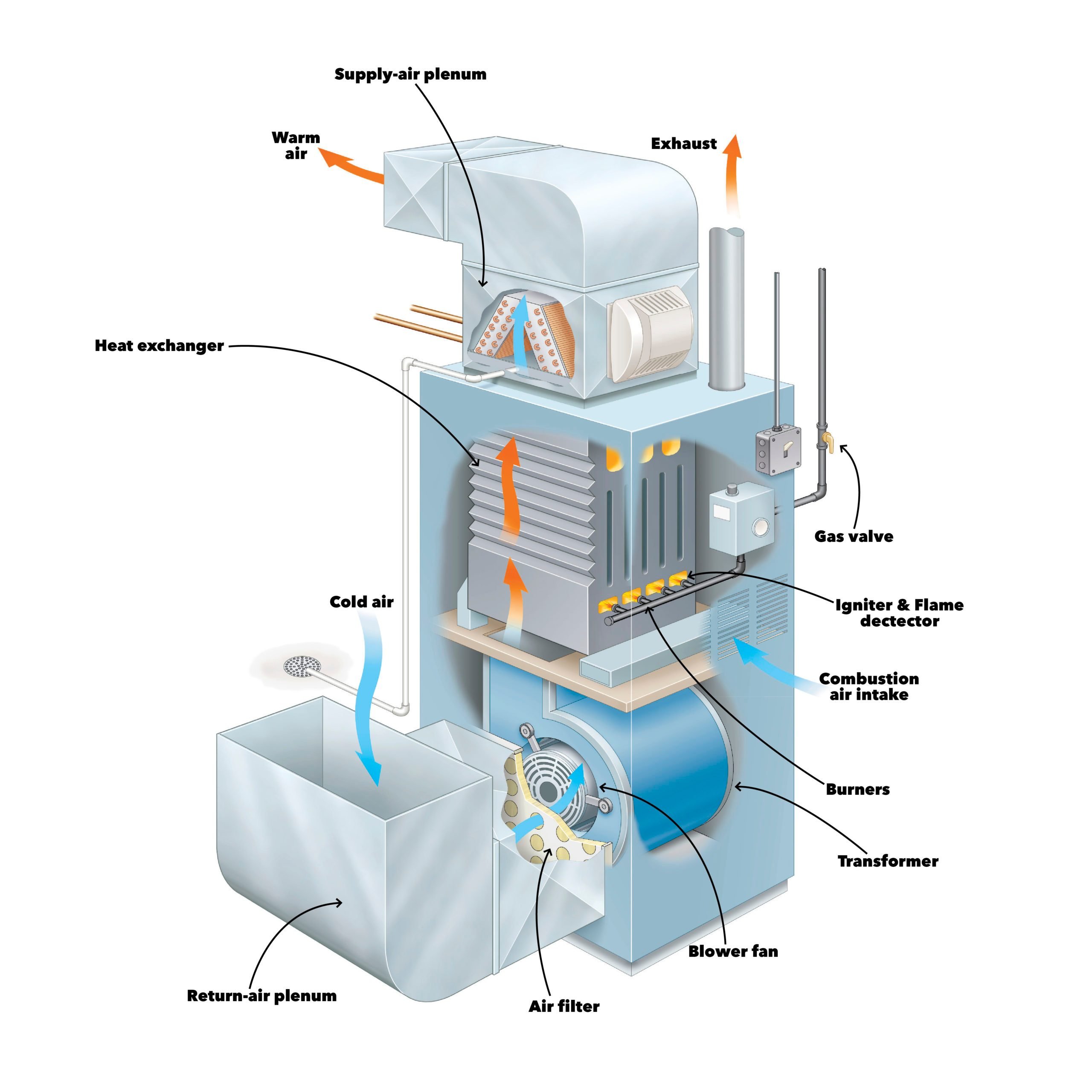
Forced air heaters have several key parts. A heat source, such as a gas burner or electric element, creates warmth. A blower fan pushes air through the system. Air ducts carry heated air to rooms. A thermostat controls the temperature by turning the heater on or off.
Heat Generation Process
The heater’s heat source warms up when turned on. Gas burners burn fuel to make heat. Electric heaters use electric current to generate warmth. This heat transfers to the air passing over or near the source. The warm air is ready to move through the home.
Air Circulation Mechanism
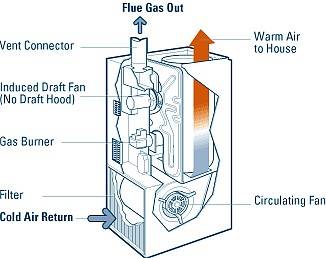
The blower fan pulls cool air from the room. It pushes this air through the heat source. The air heats up quickly inside the system. Warm air flows through ducts and vents into rooms. Cool air cycles back to the heater. This cycle repeats to keep the space warm.
Credit: www.khasakh.com
Types Of Forced Air Heaters
Forced air heaters come in several types. Each type uses a different fuel source. This affects how they heat your space. Understanding these types helps you choose the best heater for your needs.
Electric Forced Air Heaters
Electric forced air heaters use electricity to heat air. They have heating elements inside that warm up quickly. A fan blows air over these elements and into the room. These heaters are clean and easy to use. They work well in small to medium spaces. No fuel storage or venting is needed.
Gas-powered Versions
Gas-powered forced air heaters burn natural gas or propane. A burner heats the air, and a fan pushes it out. These heaters warm larger areas efficiently and cost less to run. Proper ventilation is important to remove fumes. They work best in homes with gas lines.
Oil-fired Heaters
Oil-fired forced air heaters burn heating oil to produce heat. They use a burner and a fan to spread warm air. These heaters are powerful and good for very cold climates. Regular maintenance is needed to keep them safe and efficient. Oil storage is required for these systems.
Energy Efficiency Factors
Energy efficiency is a key factor in how forced air heaters perform. It affects how much fuel or electricity the heater uses. A more efficient heater saves money and reduces energy waste.
Several factors impact energy efficiency. These include how the heater is controlled, the home’s insulation, and regular upkeep. Understanding these helps get the best heat without extra costs.
Thermostat Control
The thermostat controls the heater’s on and off cycles. Setting it at a steady temperature avoids frequent switching. This saves energy and keeps the room comfortable. Programmable thermostats adjust heat based on your schedule. This feature reduces energy use when no one is home.
Insulation Impact
Good insulation keeps warm air inside and cold air out. Poor insulation forces the heater to work harder. Heat escapes through walls, windows, and doors. Adding insulation lowers heat loss and energy use. It helps maintain a steady temperature with less effort.
Maintenance Tips
Regular maintenance keeps forced air heaters efficient. Change or clean filters monthly. Dirty filters block airflow and waste energy. Check ducts for leaks and seal them. Leaky ducts lose warm air before it reaches rooms. Have a professional inspect the heater yearly. This ensures all parts work well and safely.
Credit: vixencomposites.com
Safety Features And Precautions
Forced air heaters provide warmth quickly and efficiently. Safety is key when using these devices. Built-in features and user precautions help prevent accidents and keep air clean. Understanding these safety points ensures safe operation and peace of mind.
Overheat Protection
Forced air heaters have sensors to stop overheating. If the heater gets too hot, it shuts off automatically. This prevents fires and damage. Overheat protection keeps your home and family safe. Never block air vents to avoid overheating risks.
Air Quality Considerations
These heaters move warm air through your home. Dust and allergens can spread if filters are dirty. Clean or replace filters regularly to keep air fresh. Good ventilation helps reduce indoor air pollution. Avoid using heaters in rooms without proper airflow.
Proper Installation
Correct installation prevents hazards and improves efficiency. Place the heater on a flat, stable surface. Keep it away from flammable materials like curtains or paper. Follow manufacturer instructions carefully. Professional installation is best for gas or complex units.
Common Issues And Troubleshooting
Forced air heaters are reliable but can face common problems. Knowing these issues helps you fix them fast. This section covers typical troubles and easy ways to troubleshoot.
Unusual Noises
Noises like banging, rattling, or squealing are signs of trouble. Loose parts or a dirty blower fan often cause sounds. Tighten screws and clean the fan to reduce noise. A worn belt can also squeal; replace it if needed.
Inconsistent Heating
Some rooms feel cold while others stay warm. Blocked vents or dirty filters often cause uneven heat. Clear vents and replace filters to improve airflow. Check the thermostat for errors or bad placement. Reset or move it for better results.
Airflow Problems
Weak airflow means the heater does not spread heat well. Dirty filters block air and reduce flow. Clean or change filters regularly. Inspect the blower motor for dust or damage. Clear any blockages in air ducts for smooth air movement.
Benefits Of Forced Air Heating
Forced air heating offers many advantages for home comfort. It heats spaces quickly and evenly. The system moves warm air through ducts to every room. This method keeps your home cozy without long waits.
Another benefit is its ability to use different fuel types. This makes it flexible and often more affordable. Many forced air systems also work well with cooling units. This helps maintain a comfortable temperature year-round.
Quick Warm-up Times
Forced air heaters warm your home fast. The blower pushes hot air through ducts quickly. This means less waiting in cold rooms. You feel warmth almost immediately after the heater starts. It is ideal for chilly mornings or sudden cold spells.
Versatility In Fuel Use
These heaters can run on gas, electricity, or oil. This gives you options to choose a fuel type. You can pick the most cost-effective or available fuel. This flexibility helps reduce heating bills. It also allows easy switching if fuel prices change.
Compatibility With Cooling Systems
Forced air systems often connect with air conditioners. They share the same ductwork for heating and cooling. This setup saves space and installation costs. It also simplifies home climate control. You get warm air in winter and cool air in summer.
Frequently Asked Questions
How Does A Forced Air Heater Work?
A forced air heater blows warm air through ducts using a fan. The heater heats the air, which spreads through your home quickly.
What Fuels Power Forced Air Heaters?
Forced air heaters can use electricity, natural gas, propane, or oil. The fuel type depends on the heater model and home setup.
How Is Heat Distributed In Forced Air Systems?
Warm air moves through ducts and vents to rooms. The fan pushes the heated air evenly for fast warming.
Are Forced Air Heaters Energy Efficient?
Many forced air heaters are designed to save energy. Proper maintenance and using a programmable thermostat improve efficiency.
How Often Should Forced Air Heaters Be Serviced?
It’s best to service forced air heaters once a year. Regular checks keep the system safe and working well.
What Are Common Problems With Forced Air Heaters?
Common issues include dirty filters, blower problems, and thermostat errors. Cleaning and timely repairs keep the heater running smoothly.
Conclusion
Forced air heaters move warm air through your home fast. They use a fan to spread heat evenly. This makes rooms feel cozy quickly. These systems work with ducts or vents to reach every corner. They are easy to control and maintain.
Knowing how they work helps you choose the right heater. Keep your heater clean for better performance. Warm air, quick heat—simple and effective.