
Have you ever wondered how your air heater warms up the room so quickly on a cold day? Understanding how air heaters work can help you use them more efficiently and keep your space cozy without wasting energy.
You’ll discover the simple yet clever process behind air heaters, what makes them effective, and tips to get the best performance from yours. Keep reading—you’re about to unlock the secrets to a warmer, more comfortable home.
Basics Of Air Heaters
Air heaters warm the air in homes, offices, and other spaces. They work by heating the air and moving it around. This process helps keep rooms comfortable during cold weather. Understanding how air heaters work can help you choose the right type for your needs.
Air heaters come in different styles and sizes. Each type uses a unique method to heat air. Knowing the key parts of an air heater helps explain how it creates warmth.
Types Of Air Heaters
There are mainly two types of air heaters: electric and gas-powered. Electric heaters use electricity to generate heat. They are quiet and easy to install. Gas heaters burn natural gas or propane. These are often more powerful and cost-effective for large spaces.
Other types include infrared heaters and convection heaters. Infrared heaters warm objects directly, not the air. Convection heaters heat the air, which then moves around the room. Each type suits different heating needs and environments.
Key Components
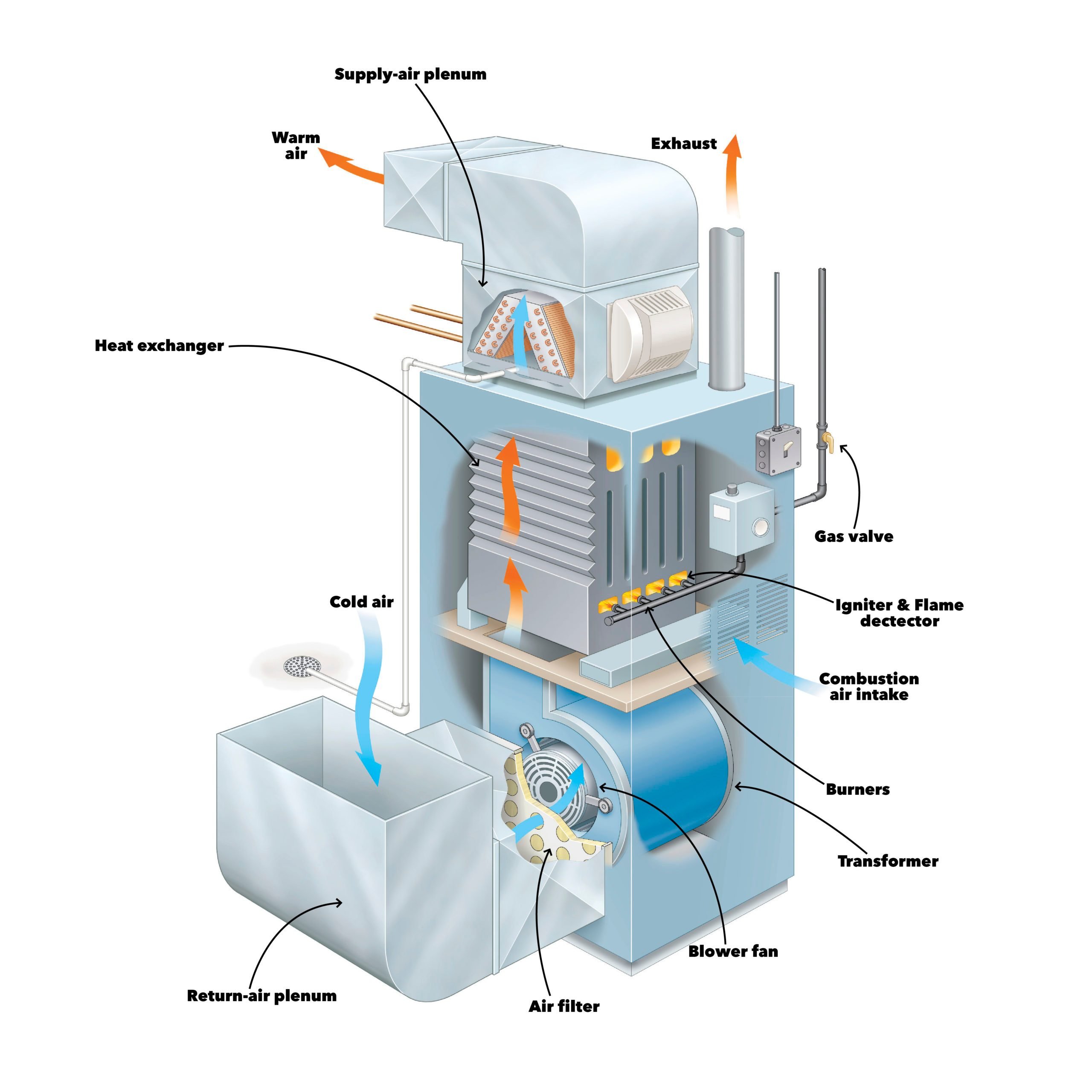
Air heaters have several important parts. The heating element is the core part that produces heat. In electric heaters, this is usually a metal coil. Gas heaters use a burner to create flames and heat.
Fans or blowers help spread warm air. Thermostats control the temperature by turning the heater on or off. Safety features like sensors prevent overheating and accidents. These components work together to provide safe and efficient heating.
How Air Heaters Generate Heat
Air heaters create warmth by producing heat through different methods. These methods turn energy into heat, which then warms the air around us. Understanding how air heaters generate heat helps us choose the right heater for our needs. The main ways air heaters generate heat include electric heating elements, combustion, and various heat transfer methods.
Electric Heating Elements
Electric heaters use metal coils or wires to create heat. When electricity passes through these coils, they get hot. This heat then transfers to the air nearby. The coils are made from materials that resist electricity, which causes them to heat up. This method is simple and safe for indoor use.
Combustion Process
Some air heaters burn fuel like gas, oil, or wood to create heat. This process is called combustion. Burning fuel releases energy in the form of heat. The heater uses this heat to warm the air. Combustion heaters need proper ventilation to remove smoke and gases safely.
Heat Transfer Methods
Heat moves from the heater to the air in three ways: conduction, convection, and radiation. Conduction happens when heat passes through solid parts of the heater. Convection moves heat by warm air rising and cool air falling. Radiation sends heat directly to objects and people without heating the air first. Most air heaters use a mix of these methods to warm rooms efficiently.
Air Circulation Mechanisms
Air circulation is key to how air heaters warm up spaces efficiently. It moves warm air from the heater through the room. This process spreads heat evenly, making rooms cozy and comfortable. Without proper air circulation, warm air stays near the heater and leaves cold spots elsewhere.
Fans And Blowers
Fans and blowers push warm air into the room. They work by spinning blades fast to move air. Fans are common in smaller heaters. They create a gentle airflow that spreads heat softly. Blowers are stronger and move air faster. They suit larger heaters and bigger rooms. Both help to mix warm air with cooler air. This mixing heats the room more evenly and quickly.
Airflow Patterns
Airflow patterns guide how warm air travels in a room. Most heaters send air out in a straight line or a wide spread. The air rises as it heats up, then cool air moves down to replace it. This cycle keeps air moving and balances temperature. Good airflow avoids cold corners and drafts. It also reduces the chance of stuffy air. Proper airflow makes the heater more effective and the room more pleasant.
Credit: www.familyhandyman.com
Efficiency Factors
Efficiency factors play a big role in how well air heaters perform. They affect how much energy the heater uses and how warm your space feels. Understanding these factors helps you choose the right heater and use it wisely. This section breaks down key efficiency points to know about air heaters.
Energy Consumption
Energy consumption shows how much power the heater uses. A heater that uses less energy but gives enough heat is best. Look for heaters with good energy ratings. They cost less to run and help save money.
Heat Retention
Heat retention means how long the heater keeps the room warm. Some heaters lose heat quickly, making the room cold fast. Models with good heat retention keep warmth longer. This cuts down the need to turn the heater on often.
Thermostat Control
Thermostat control helps keep the room at the right temperature. A good thermostat stops the heater from working too much. It saves energy by turning the heater off when the room is warm enough. This control makes heating more efficient and comfortable.
Applications Of Air Heaters
Air heaters have many uses in daily life and industry. They help keep spaces warm and maintain specific temperatures for various processes. Understanding their applications shows why they are important in different settings.
Residential Use
Air heaters warm homes during cold months. They provide quick heat in rooms and improve comfort. Many homes use electric or gas air heaters for easy installation. These devices keep air moving, avoiding cold spots inside houses.
They also help reduce moisture, preventing dampness and mold. Safe and efficient models make them popular for household heating. Some air heaters are portable, allowing flexible use in different rooms.
Industrial Use
Factories use air heaters to control temperature in production areas. They help dry materials like paint, wood, and textiles. Maintaining the right heat ensures quality and speeds up manufacturing.
Industries rely on large air heaters for processes like curing and baking. These heaters improve energy efficiency and reduce downtime. They can handle tough environments and operate continuously.
Commercial Use
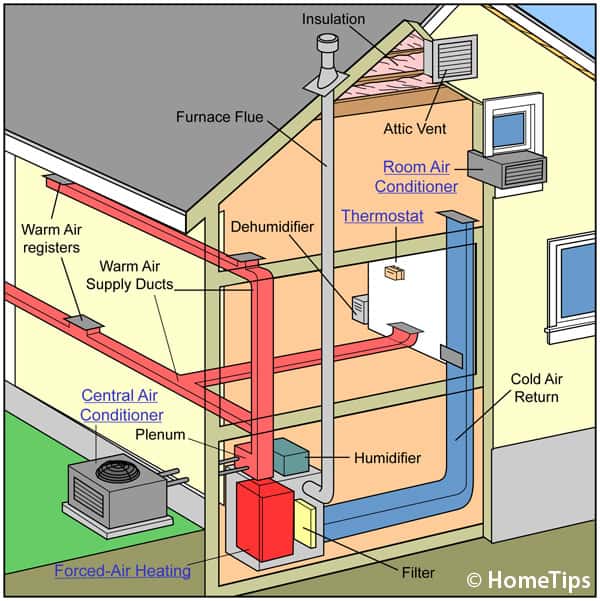
Air heaters keep offices, shops, and restaurants warm. They create a comfortable environment for customers and workers. Many commercial buildings use centralized air heaters for even heat distribution.
These heaters also help prevent pipes from freezing in cold weather. Easy control systems allow adjusting temperature based on need. Commercial air heaters combine performance with energy savings.
Credit: www.hometips.com
Maintenance Tips
Proper maintenance keeps air heaters working well and lasting longer. Regular care helps avoid breakdowns and keeps the air clean and warm. Simple steps can improve performance and save money on repairs.
Cleaning And Inspection
Turn off the heater before cleaning. Dust and dirt build up inside and block airflow. Use a soft brush or vacuum to remove dust from vents and fans. Check the heater’s filter regularly. Replace or clean it to keep air pure and heater efficient. Look for signs of rust or damage on the heater’s parts. Early fixes prevent bigger problems.
Troubleshooting Common Issues
Heater not warming? Check the thermostat settings first. Loose wires can stop the heater from working. Tighten any loose connections carefully. If the heater makes strange noises, the fan might be dirty or worn out. Clean or replace the fan if needed. A heater that turns off too soon may have a blocked air filter or overheating issues. Clear the filter and check for blockages around the heater.
Advancements In Air Heater Technology
Air heater technology has improved a lot in recent years. These changes make heaters easier to use and save energy. Modern heaters offer better comfort and control. They work smarter to keep rooms warm without wasting power.
New features help users manage temperature more precisely. This means less energy is used, and bills stay low. The latest models focus on user convenience and eco-friendliness. These advancements change how we heat our homes and offices.
Smart Controls
Smart controls let you manage heaters with your phone. You can turn heaters on or off from anywhere. Some models learn your schedule to adjust heat automatically. This keeps rooms warm only when needed. It saves energy and makes heating more convenient.
Voice control is also common in new air heaters. You can use simple commands to change settings. This hands-free option adds ease to daily use. Smart controls improve comfort and reduce wasted energy.
Energy-saving Innovations
New air heaters use energy more wisely than before. Many have better insulation to keep heat inside. Some models use sensors to detect when rooms are empty. They lower heat automatically to save power.
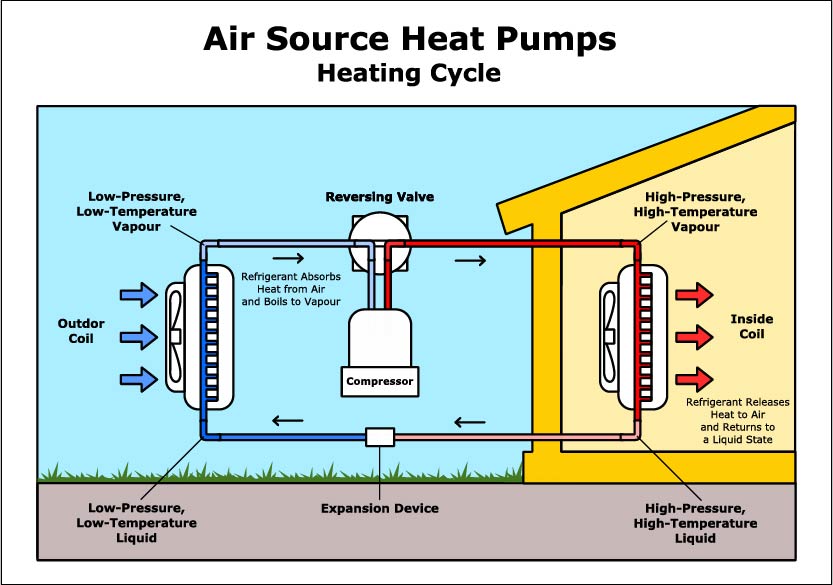
Advanced heating elements warm air faster and use less electricity. These parts last longer and need less maintenance. Energy-saving features help reduce carbon footprints. They also cut down heating costs for users.
Credit: www.esseg.eu
Frequently Asked Questions
How Does An Air Heater Produce Heat?
An air heater warms air by passing it over a hot surface. This heat moves into the air, making the room warm. Fans often help spread this warm air quickly.
What Types Of Air Heaters Are Common?
Common types include electric, gas, and oil heaters. Each uses different fuel but works by heating air. People choose based on cost, space, and fuel availability.
How Efficient Are Air Heaters In Warming Rooms?
Air heaters are usually efficient because they warm air directly. They use energy to heat quickly and spread warmth. Efficiency depends on the heater type and room size.
Can Air Heaters Improve Indoor Air Quality?
Air heaters mainly add warmth, not clean air. Some models have filters to catch dust and pollen. Regular cleaning helps keep air fresh.
Are Air Heaters Safe For Home Use?
Most air heaters are safe when used correctly. Keep them away from flammable items and never leave them unattended. Safety features reduce risks like overheating.
How Much Energy Do Air Heaters Consume?
Energy use varies by heater size and type. Electric heaters often use more power but heat rooms fast. Using timers can help save energy and reduce bills.
Conclusion
Air heaters warm the air by moving it over hot surfaces. They use electricity, gas, or fuel to create heat. This heat spreads quickly to keep rooms cozy. Many types exist, like fan heaters and convection heaters. Each type works a bit differently but shares the same goal.
Knowing how air heaters work helps you choose the right one. It also helps you use them safely and efficiently. Warm air feels comfortable and can improve your home’s atmosphere. Simple machines, but they make a big difference in cold weather.