
Is your gas fireplace flame looking weak or too low? You expect a warm, bright fire, but instead, you’re left with a barely flickering flame that doesn’t heat your room like it should.
This can be frustrating, especially when you rely on your fireplace for comfort and coziness. The good news is, you don’t have to accept a dull flame or call a technician right away. Understanding why your gas fireplace flame is too low can help you fix the problem quickly and get back to enjoying a strong, steady fire.
Keep reading to find simple tips and solutions that will bring your fireplace back to life.

Credit: www.reddit.com
Common Causes Of Low Flame
A gas fireplace with a low flame can feel less warm and cozy. Many factors cause the flame to burn too low. Knowing these common problems helps fix the issue fast. This guide explains typical causes of a low flame.
Dirty Burner Or Pilot
Dirt and dust often gather on the burner or pilot light. This buildup blocks gas flow. The flame gets smaller and weaker. Cleaning the burner and pilot regularly keeps the flame bright and steady.
Gas Pressure Issues
Gas pressure that is too low affects flame size. Low pressure means less gas reaches the burner. The flame burns low and may flicker. Checking and adjusting gas pressure restores the right flame height.
Blocked Vent Or Chimney
A blocked vent or chimney stops air from moving freely. Poor airflow causes the flame to shrink. Debris, leaves, or nests often block vents. Clearing these blockages helps the flame burn properly.
Faulty Thermocouple
The thermocouple senses the flame and controls gas flow. A broken thermocouple cuts gas supply. The flame gets weak or goes out. Replacing a faulty thermocouple solves this problem quickly.
Simple Diy Fixes
Low flames in a gas fireplace can spoil the cozy atmosphere. Fixing it yourself saves time and money. Many problems have easy solutions you can try at home. These simple steps often restore the flame to a healthy glow. Follow the tips below to bring warmth back to your room quickly.
Cleaning The Burner
Dirt and dust block the burner holes. This reduces the flame size and heat output. Turn off the gas and let the fireplace cool. Use a soft brush or vacuum to clean the burner. Remove any debris carefully to avoid damage. Clean burners help flames burn bright and strong.
Adjusting The Flame Height
Most gas fireplaces have a flame height control. Check your model’s manual for the knob location. Turn the knob slowly to increase the flame size. Small adjustments can make a big difference. Avoid setting the flame too high to prevent soot buildup. Proper flame height improves efficiency and looks better.
Checking And Replacing The Pilot Light
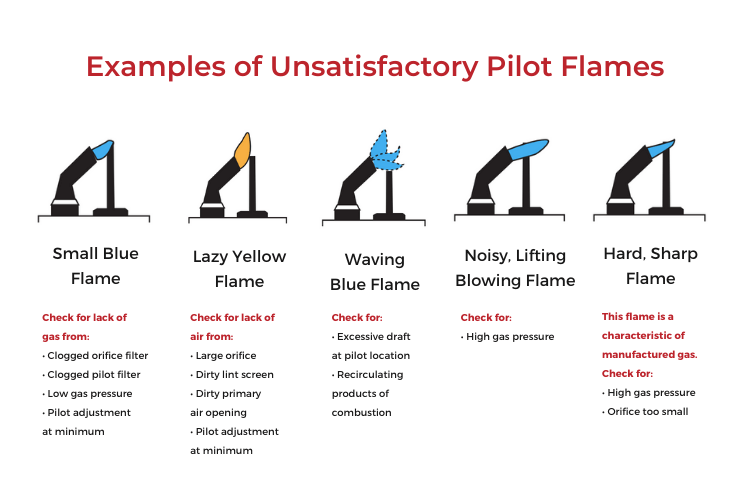
The pilot light ignites the gas for the main flame. A weak or out pilot light causes low flames. Look for a small blue flame near the burner. If it is weak, clean the pilot assembly with a soft brush. If the pilot light won’t stay on, replace the pilot light assembly. This fix often restores flame strength and fireplace function.
When To Call A Professional
Knowing when to call a professional for a low gas fireplace flame can save you time and avoid danger. Some problems need expert attention. These issues involve safety and technical skills beyond simple fixes. Do not try to fix these yourself.
Gas Leak Concerns
Smelling gas or hearing a hissing sound means a leak might be present. Gas leaks are very dangerous. They can cause fires or explosions. Only a trained professional should handle gas leaks. They have the right tools and knowledge to find and fix leaks safely.
Complex Gas Pressure Adjustments
Gas fireplaces need correct pressure to work well. Adjusting gas pressure requires special equipment and skill. Wrong pressure settings can cause poor flames or damage. Professionals know how to test and adjust pressure accurately. Leave this task to them for safety and performance.
Electrical Component Repairs
Many gas fireplaces have electrical parts like igniters and fans. Faulty electrical parts can cause the flame to be too low or not work. Fixing electrical components needs expertise to avoid shocks or damage. A professional can diagnose and repair electrical issues safely and correctly.
Maintenance Tips For Optimal Performance
Keeping your gas fireplace flame bright and strong needs regular care. Small actions can stop flame problems and keep your room warm. Follow simple steps to maintain your fireplace safely and well.
Regular Cleaning Schedule
Clean your fireplace every few weeks. Remove dust and dirt from the glass and vents. Use a soft cloth and mild cleaner. Check the burner for debris that blocks gas flow. A clean fireplace burns better and safer.
Annual Professional Inspections
Have an expert check your fireplace yearly. They test gas connections and check for leaks. Professionals clean parts you cannot reach. This helps avoid bigger problems and keeps your flame steady. Regular inspections extend your fireplace’s life.
Safe Usage Practices
Always follow the manufacturer’s instructions. Use the fireplace only as designed. Do not block air vents or use it with the glass door open. Keep flammable items away from the fireplace. Safe use prevents damage and keeps your flame bright.
Enhancing Heat Output
Enhancing the heat output of your gas fireplace can make your room feel warmer and more comfortable. A low flame often means less heat. There are easy ways to boost warmth without changing your fireplace. Small changes can lead to better heat circulation and retention.
Using Fireplace Fans
Fireplace fans help spread warm air faster. These fans sit on top of the fireplace or near the vents. They push warm air into the room. This stops heat from staying near the fireplace only. Fans use little power but improve heat flow well. They work quietly and can run all day.
Improving Room Insulation
Good insulation keeps warm air inside your room. Check for drafts around windows and doors. Seal cracks with weatherstripping or caulk. Add curtains or blinds to keep heat from escaping. Insulation in walls and ceilings helps a lot too. A well-insulated room holds heat longer, even with a low flame.
Supplementing With Space Heaters
Space heaters add extra warmth quickly. Use them in the coldest parts of the room. Choose electric heaters that match your room size. Keep heaters away from flammable items for safety. They work well with a gas fireplace, especially on chillier days. This combination gives steady heat and saves energy.
Credit: www.acucraft.com

Credit: www.reddit.com
Frequently Asked Questions
Why Is My Gas Fireplace Flame Too Low?
A low flame often means low gas pressure or a dirty burner. Check both first.
How Can I Fix A Low Flame On My Gas Fireplace?
Try cleaning the burner and checking the gas valve for full opening.
Can Clogged Burners Cause A Weak Gas Fireplace Flame?
Yes, clogged burners block gas flow, making the flame smaller and weaker.
Does Low Gas Pressure Affect Gas Fireplace Flame Height?
Low gas pressure reduces flame size and heat output. It needs proper adjustment.
Should I Adjust The Gas Valve For A Low Fireplace Flame?
Yes, slightly opening the gas valve can increase flame size safely.
When To Call A Professional For A Low Gas Fireplace Flame?
Call a pro if cleaning and valve checks don’t improve the flame. Safety first.
Conclusion
A low gas fireplace flame can affect warmth and comfort. Check the pilot light and gas supply first. Clean the burner for better flame quality. Adjust the flame height carefully to avoid issues. Call a professional if you feel unsure or see damage.
A well-maintained fireplace keeps your home cozy and safe. Small fixes often bring big improvements quickly. Keep your fireplace in good shape all year. Enjoy the warm glow without worries or cold spots.