
Are you looking for the best way to heat your home efficiently and affordably? Choosing between electric baseboard heaters and Mitsubishi systems can be confusing.
Both have their benefits, but which one truly saves you money and energy? You’ll discover how these two heating options compare in real-life performance and proven efficiency. By the end, you’ll have a clear idea of which heater fits your needs and keeps your home warm without breaking the bank.
Keep reading to find out what works best for you.
Electric Baseboard Heaters
Electric baseboard heaters offer a simple way to heat rooms. They use electric power to warm the air near the floor. This heat then rises naturally, warming the space evenly. Many homes still use these heaters because they are easy to install and use. Understanding how they work helps you decide if they fit your needs.
How They Work
Electric baseboard heaters use electric resistance to create heat. Inside the unit, a metal coil heats up when electricity passes through it. The warm coil heats the air close to the heater. This warm air rises and spreads heat throughout the room. No fans or ducts are needed, making them quiet.
Installation Process
Installing electric baseboard heaters is straightforward. They mount on the wall near the floor. Wiring connects them directly to the home’s electrical system. It is important to have a licensed electrician do the wiring. Installation usually takes a few hours per room.
Cost Factors
Costs vary based on heater size and room size. The price includes the unit and installation fees. Electric baseboard heaters cost less upfront than some heating systems. However, electricity costs can add up over time. Choosing the right size helps control expenses.
Energy Consumption
Electric baseboard heaters use electricity continuously to heat rooms. They convert all electric energy into heat, so no energy is wasted. Still, they can use more electricity than other systems. Running them for long periods may increase utility bills. Proper use and insulation improve efficiency.
Maintenance Needs
Baseboard heaters require little maintenance. Keep the area around them clean and free of dust. Check for any damage to the heater or wiring yearly. No filters or fluids need changing. Regular inspection ensures safe and efficient operation.

Credit: commercialcleaningdepot.com
Mitsubishi Heating Systems
Mitsubishi heating systems offer a modern way to heat your home. They use advanced technology to keep rooms warm efficiently. These systems can lower your energy bills and provide steady heat all winter. Many people choose Mitsubishi for comfort and savings.
These systems are different from electric baseboard heaters. They use heat pumps that move heat instead of creating it from electricity. This method uses less energy and works well in many climates.
Technology Behind Efficiency
Mitsubishi heating systems use heat pump technology. They pull heat from the outside air and bring it inside. This process works even when it is cold outside. The system adjusts to keep the temperature steady. It uses less electricity than traditional heaters.
Types Of Units Available
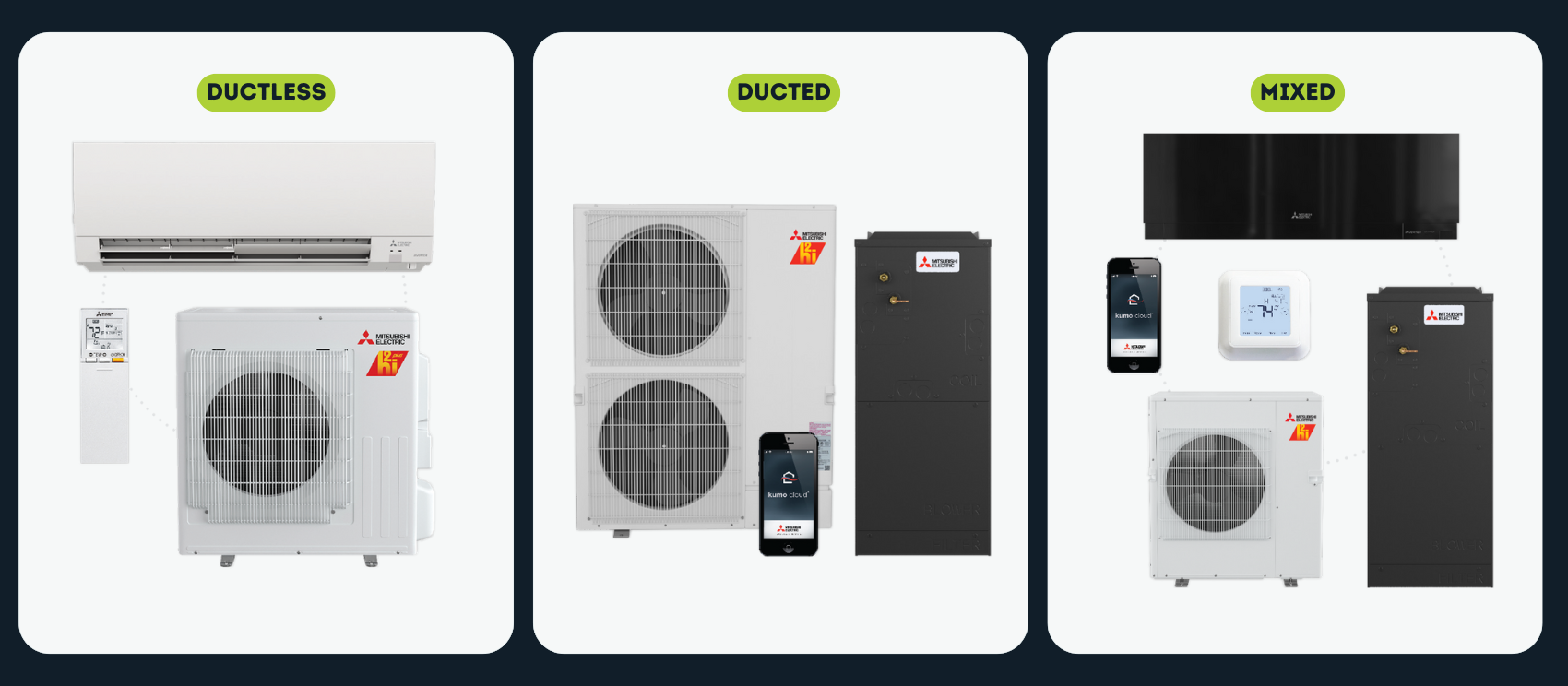
Mitsubishi offers several unit types. Wall-mounted units fit small to medium rooms. Floor-mounted units work well in spaces with low walls. Ceiling cassette units spread heat evenly in large rooms. There are also multi-zone systems for heating many rooms.
Installation And Setup
Installation is straightforward but requires a professional. The indoor unit connects to an outdoor compressor. Wiring and refrigerant lines run between the two. Setup includes programming the thermostat for easy control. The process is quick and clean.
Energy Savings Potential
Mitsubishi systems use less energy than baseboard heaters. Heat pumps transfer heat instead of generating it. This reduces electricity use by up to 40-60%. Savings depend on home size and climate. Many users see lower monthly heating costs.
Maintenance And Durability
Maintenance is simple and keeps systems running well. Clean or replace filters every few months. Outdoor units may need occasional cleaning. Mitsubishi systems last many years with proper care. They are built to handle tough weather conditions.
Comparing Energy Efficiency
Energy efficiency plays a key role in choosing a heating system. Comparing electric baseboard heaters and Mitsubishi systems helps to understand their true costs. This section breaks down their heat output, electricity use, and environmental effects. This makes it easier to pick the right option for your home.
Heat Output And Performance
Electric baseboard heaters provide steady heat directly in the room. They work best in small areas or single rooms. Mitsubishi systems use heat pump technology. They pull heat from outside air, even in cold weather. This allows them to heat larger spaces more evenly. Mitsubishi units adjust output based on the room’s needs. Electric baseboards run at a fixed rate, which can waste energy.
Electricity Usage
Electric baseboard heaters convert all electricity into heat. This sounds efficient, but they often use more power to maintain temperature. Mitsubishi heat pumps use less electricity. They transfer heat instead of creating it. This process uses about 30% to 50% less electricity. Over time, this can mean lower energy bills. Less electricity use means less strain on your home’s wiring.
Environmental Impact
Electric baseboard heaters rely solely on electric power. If your electricity comes from fossil fuels, emissions are higher. Mitsubishi heat pumps reduce carbon footprint by using outdoor air heat. They produce fewer greenhouse gases during operation. Choosing a heat pump supports cleaner energy use. Both systems have some impact, but heat pumps tend to be greener. This is important for eco-friendly homes.
Cost Comparison
Comparing costs helps decide between electric baseboard heaters and Mitsubishi systems. Each option has different expenses that affect your budget.
Understanding these costs ensures you choose the best heater for your home and wallet.
Initial Investment
Electric baseboard heaters usually cost less to buy and install. They are simple devices with no complex parts. Mitsubishi systems require a higher upfront cost. Installation is more involved, needing professional help and extra equipment. The price reflects advanced technology and better performance.
Operating Expenses
Electric baseboard heaters use a lot of electricity, raising monthly bills. They heat rooms slowly and less efficiently. Mitsubishi systems consume less energy. They use heat pump technology to warm spaces faster. Lower energy use means smaller utility bills over time.
Long-term Savings
Electric baseboard heaters may cost less initially but cost more to run. Mitsubishi systems save money in the long run by cutting energy use. They last longer and need fewer repairs. Over years, these savings add up and reduce total expenses.
Comfort And Heating Experience
Comfort and heating experience are key factors in choosing the right heating system. Both electric baseboard heaters and Mitsubishi systems offer warmth, but they differ in how they deliver it. Understanding these differences helps you pick the best fit for your home.
Heat Distribution
Electric baseboard heaters warm the air near the floor. Warm air rises slowly, heating the room unevenly. Cold spots may appear in larger rooms. Mitsubishi systems use heat pumps to spread heat evenly. Air circulates smoothly, warming every corner. This creates a more balanced and comfortable environment.
Noise Levels
Electric baseboard heaters operate quietly. They have no fans or moving parts. Mitsubishi heaters have fans that move air. These fans run softly and rarely disturb daily life. Both options offer low noise, but baseboards are almost silent. Mitsubishi units are still quiet enough for bedrooms and living rooms.
User Control Options
Electric baseboard heaters usually have simple manual controls. You set a dial or switch for temperature. Mitsubishi systems offer advanced controls. Many come with remote controls or smartphone apps. You can adjust settings easily and schedule heating times. This lets you save energy and stay comfortable without hassle.
Installation Considerations
Choosing between electric baseboard heaters and Mitsubishi systems involves thinking about installation. This affects costs, time, and space in your home. Each option has unique needs that impact your setup experience.
Space Requirements
Electric baseboard heaters need wall space near the floor. They take up room along walls, limiting furniture placement. Mitsubishi systems use small indoor units mounted high on walls or ceilings. These units save floor space and fit in tight areas. Mitsubishi also requires an outdoor unit, which needs a small outside spot.
Installation Time
Electric baseboard heaters have a simple installation process. It usually takes a few hours for one room. Mitsubishi systems require more time because of multiple parts. Installation can take one or two days. Setting up the outdoor unit and connecting indoor units takes longer.
Professional Vs Diy
Electric baseboard heaters can be installed by skilled DIYers. Basic electrical knowledge is needed for safety. Mitsubishi systems need professional installers. They handle electrical wiring, refrigerant lines, and system programming. Hiring experts ensures the system works well and lasts longer.
Which One Fits Your Needs
Choosing between electric baseboard heaters and Mitsubishi systems depends on your specific needs. Each option offers unique benefits that suit different homes and situations. Understanding your home size, budget, and climate can help you decide which fits best.
Let’s explore these key points to guide your choice.
Home Size And Layout
Electric baseboard heaters work well in small to medium rooms. They heat one room at a time. This makes them good for homes with separate rooms and fewer open spaces.
Mitsubishi systems use ductless mini-splits. They can heat or cool multiple rooms. Ideal for larger homes or open floor plans. They provide consistent temperature throughout the space.
Budget Constraints
Electric baseboard heaters cost less upfront. Installation is simple and cheaper. Running costs can be higher in cold winters because they use electricity directly.
Mitsubishi systems have higher initial costs. Installation is more complex. However, they use less energy over time. This can lower your bills in the long run.
Climate Factors
Electric baseboard heaters suit mild climates. They provide steady heat but can struggle in very cold weather.
Mitsubishi systems perform well in cold and hot climates. They offer heating and cooling. Their advanced technology adjusts to outdoor temperatures efficiently.
Credit: www.sumzeroenergysystems.com

Credit: www.callkcr.com
Frequently Asked Questions
What Is The Main Difference Between Electric Baseboard Heaters And Mitsubishi Systems?
Electric baseboard heaters use electric resistance to produce heat, while Mitsubishi systems use heat pump technology. Mitsubishi units are more energy-efficient and can also cool rooms.
How Do Mitsubishi Heaters Save More Energy Than Baseboard Heaters?
Mitsubishi heaters transfer heat instead of creating it by resistance, using less electricity. This makes them cheaper to run and better for the environment.
Are Mitsubishi Heaters Better For Large Or Small Rooms?
Mitsubishi heaters work well in both large and small rooms due to their adjustable settings. Baseboard heaters may struggle to evenly heat larger spaces.
Can Electric Baseboard Heaters Provide Cooling Like Mitsubishi Systems?
No, electric baseboard heaters only provide heat. Mitsubishi systems offer both heating and cooling, making them more versatile year-round.
Which Heating System Is Easier To Install, Baseboard Or Mitsubishi?
Electric baseboard heaters are simpler and cheaper to install since they just plug into an outlet. Mitsubishi systems require professional installation and more setup.
Do Mitsubishi Heaters Reduce Utility Bills Compared To Baseboard Heaters?
Yes, Mitsubishi heaters use less electricity and can lower energy bills. Baseboard heaters often cost more to operate due to their higher power use.
Conclusion
Electric baseboard heaters are simple and easy to install. They work well in smaller spaces but can use more energy. Mitsubishi systems offer higher efficiency and better temperature control. They save money on electricity bills over time. Choosing the right heater depends on your needs and budget.
Think about room size, cost, and how often you use heating. Both options have benefits. Choose what fits your home best. Comfort and savings matter most.