
Are you trying to decide between electric baseboard heaters and Mitsubishi systems for your home? Choosing the right heating option can feel overwhelming, especially when you want something efficient, cost-effective, and comfortable.
This guide breaks down the essential insights you need to make a smart choice. By the end, you’ll know which heater fits your needs and budget perfectly. Keep reading to discover the key differences that could save you money and keep your home cozy all winter long.
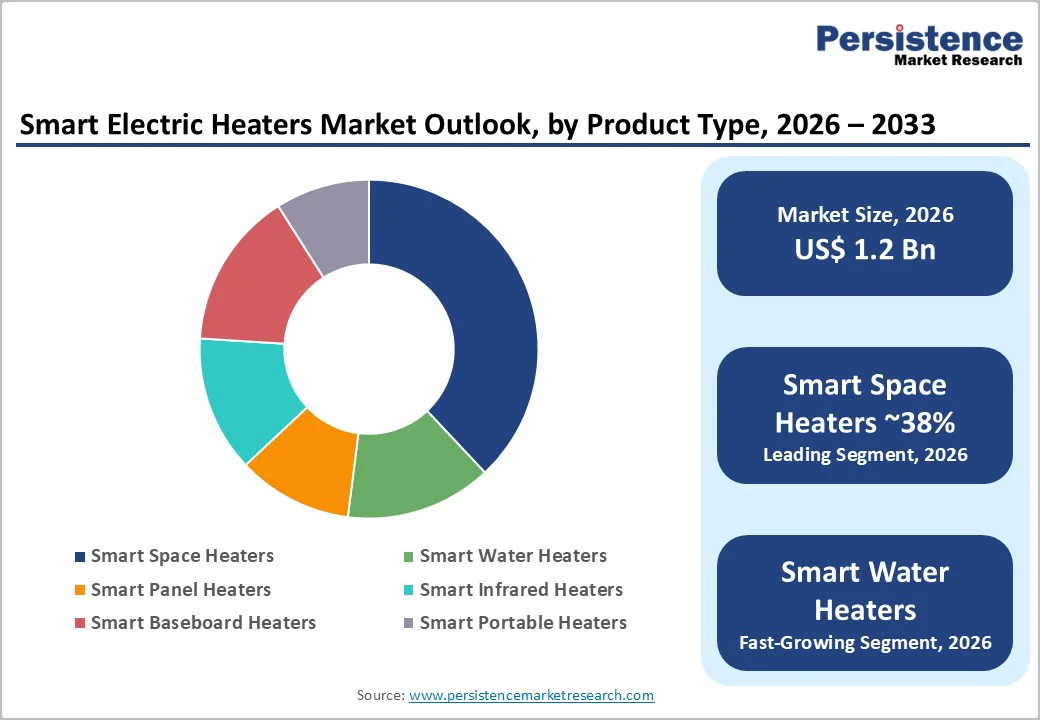
Credit: www.persistencemarketresearch.com
Electric Baseboard Heaters Basics
Electric baseboard heaters are popular for heating small spaces. They are simple devices that provide warmth by using electricity. These heaters fit along the baseboard of a room. This setup makes them easy to place without taking much space.
Understanding how these heaters work helps to see their benefits and limits. This section explains their basic functions, typical uses, and how to install them safely.
How They Work
Electric baseboard heaters use metal fins to spread heat. Inside, a heating element warms up when electricity passes through. The fins get hot and heat the air around them. Warm air rises, and cooler air flows in, creating a cycle. This cycle heats the room naturally and quietly.
Common Uses
These heaters are often used in homes and small offices. They work well in rooms without central heating. People use them to add extra warmth in bedrooms or basements. They are also good for spaces where heaters need to be out of the way.
Installation Process
Installing electric baseboard heaters is straightforward but requires care. The heater must be mounted near the floor along a wall. Electrical wiring connects the heater to the power supply. It is best to hire a licensed electrician for safety. Proper installation ensures efficient and safe operation.

Credit: www.sylvane.com
Mitsubishi Heating Solutions
Mitsubishi heating solutions offer a modern way to warm your home. They are known for efficiency and quiet operation. These systems provide steady heat without the noise of traditional heaters. Many users find them easy to control and energy-saving.
These heaters suit various home sizes and climates. They work well in rooms where comfort and reliability matter most. Mitsubishi focuses on technology that adapts to your heating needs. This makes them a strong choice compared to electric baseboard heaters.
Key Features
Mitsubishi heaters include advanced temperature control. They offer precise heating to avoid energy waste. Many models have remote controls and smart settings. These features improve convenience and comfort. The units operate quietly, making them ideal for bedrooms. They also come with energy-saving modes.
Technology Behind
The technology uses heat pump systems. This moves heat instead of creating it by burning fuel. It works efficiently even in cold weather. Mitsubishi uses inverter technology to adjust power use. This helps keep a steady temperature. The system reduces electricity use compared to baseboard heaters.
Installation Requirements
Installing Mitsubishi heaters needs professional help. They require wall mounting and some electrical work. The system connects to an outdoor unit. This setup needs space outside the home. Proper installation ensures safety and good performance. It may cost more upfront than baseboard heaters.
Energy Efficiency Comparison
Comparing energy efficiency is key when choosing between electric baseboard heaters and Mitsubishi systems. Both have different ways of using power and spreading heat. Understanding these differences helps save money and energy.
Power Consumption
Electric baseboard heaters use electricity to heat a metal element. This element warms the air by direct contact. They run at full power when on, using a lot of electricity quickly.
Mitsubishi heaters use heat pump technology. They move heat instead of creating it. This makes them use less electricity for the same warmth.
Heat Distribution
Baseboard heaters warm the air near the floor. The heat rises slowly. This can cause uneven warmth in the room. Some areas may feel colder.
Mitsubishi systems blow warm air through vents. This spreads heat evenly across the room. The warmth reaches all corners faster and stays steady.
Cost Of Operation
Baseboard heaters cost less upfront. Their operation cost is higher because they use more power. Running them all day can increase electricity bills significantly.
Mitsubishi units cost more to buy and install. They use energy more efficiently. Monthly bills are lower due to reduced power use.
Comfort And Performance
Comfort and performance are key factors in choosing a heating system. Both electric baseboard heaters and Mitsubishi units offer warmth but differ in how they deliver it. Understanding their temperature control, noise levels, and response time helps you pick the right option for your space.
Temperature Control
Electric baseboard heaters provide steady heat through simple thermostats. You set a temperature, and the unit keeps it constant. Mitsubishi systems use advanced sensors and smart controls. They adjust heat more precisely, keeping rooms at a comfortable level without big swings.
Noise Levels
Electric baseboard heaters run quietly since they have no fans. This makes them good for bedrooms or quiet spaces. Mitsubishi heaters also operate with low noise. Their technology allows smooth airflow, which reduces sound and creates a peaceful environment.
Response Time
Electric baseboard heaters warm up slowly. They take time to heat a room after turning on. Mitsubishi systems respond faster. They use heat pumps that quickly raise the temperature. This means less waiting and more comfort right away.
Installation And Maintenance
Installation and maintenance are key factors in choosing a heating system. They affect cost, time, and long-term comfort. This section compares electric baseboard heaters and Mitsubishi systems on these points.
Ease Of Setup
Electric baseboard heaters are simple to install. They only need a power source along the wall. No ducts or vents are required. This makes setup quick and less costly.
Mitsubishi systems need professional installation. They require outdoor and indoor units to be connected. The process takes longer and costs more. The setup is more complex than baseboard heaters.
Maintenance Needs
Baseboard heaters need little maintenance. Dusting the units regularly helps keep them working well. No filters or moving parts need attention.
Mitsubishi systems require regular care. Filters must be cleaned or replaced often. The outdoor unit needs checking for debris. Maintenance ensures the system runs efficiently.
Longevity
Baseboard heaters last about 20 years with proper care. They have fewer parts that can break down. Repairs are usually simple and cheap.
Mitsubishi systems can last 15 to 25 years. Their electronic parts may need repair or replacement. With good maintenance, they remain reliable for many years.
Cost Considerations
Cost is a major factor when choosing between Electric Baseboard Heaters and Mitsubishi systems. Understanding the expenses helps make a smart choice. Costs include the price to buy, the cost to run, and possible savings over time.
Initial Investment
Electric baseboard heaters usually cost less upfront. They are simple devices with easy installation. Mitsubishi systems have a higher initial price. They need professional installation and extra parts. The upfront cost can be a barrier for some buyers.
Running Costs
Electric baseboard heaters can use more electricity. This leads to higher monthly bills in cold months. Mitsubishi systems are more energy-efficient. They use heat pump technology to save energy. This means lower electricity bills over time.
Potential Savings
Mitsubishi systems can save money on energy bills. Their efficiency reduces electricity use. Some models may qualify for energy rebates or tax credits. Baseboard heaters have fewer savings options. Over years, Mitsubishi systems often cost less overall.
Environmental Impact
Understanding the environmental impact of heating systems is important for making smart choices. Heating affects energy use and the planet. Comparing electric baseboard heaters and Mitsubishi systems reveals key differences in their eco-friendliness.
Energy Source
Electric baseboard heaters use electricity directly. The source of this electricity varies by location. It may come from coal, gas, or renewable sources. Mitsubishi systems use heat pump technology. They move heat rather than create it. This uses less electricity overall. The energy source affects how green the heating system is.
Carbon Footprint
Electric baseboard heaters often have higher carbon footprints. They convert electricity to heat with 100% efficiency but rely on the grid’s mix. Mitsubishi heat pumps reduce carbon emissions. They use less electricity to produce the same heat. This lowers their overall carbon footprint. Choosing a heat pump can reduce home emissions.
Sustainability
Sustainability means using resources wisely and protecting the environment. Mitsubishi heat pumps support sustainability by using less energy. They can work well with renewable energy sources. Baseboard heaters do not improve sustainability if powered by fossil fuels. Heat pumps offer a long-term solution for cleaner heating.
Choosing The Right Heater
Choosing the right heater can make your home warm and comfortable. It also helps save energy and money. Understanding the key differences between electric baseboard heaters and Mitsubishi systems guides your choice. Consider your home’s size, budget, and climate before deciding.
Home Size And Layout
Smaller homes or single rooms may do well with electric baseboard heaters. They are easy to install along walls and work well in tight spaces. Larger homes or open floor plans often benefit from Mitsubishi systems. These use ductless technology to heat multiple rooms efficiently. Think about the number of rooms and how open your space is.
Budget Factors
Electric baseboard heaters usually cost less upfront. Installation is simple and often cheaper. Mitsubishi heaters have a higher initial price but use less energy over time. This can lower your monthly bills. Consider both the upfront cost and long-term savings to find the best fit.
Climate Conditions
In mild climates, electric baseboard heaters provide enough warmth. They handle occasional cold days well. In colder areas, Mitsubishi systems perform better. They heat more evenly and can handle very low temperatures. Match your heater to your local weather for better comfort.
Credit: www.sumzeroenergysystems.com
Frequently Asked Questions
What Are The Main Differences Between Electric Baseboard Heaters And Mitsubishi Systems?
Electric baseboard heaters use direct electric resistance, while Mitsubishi systems use heat pump technology. Mitsubishi units are more energy-efficient and can also cool rooms. Baseboards are simpler but less versatile.
Which Heating Option Is More Energy-efficient For Home Use?
Mitsubishi heat pumps typically use less energy than electric baseboard heaters. They transfer heat rather than generate it, saving electricity. Baseboards consume more power to produce the same warmth.
How Do Installation Costs Compare For Baseboard And Mitsubishi Heaters?
Baseboard heaters are cheaper and easier to install, needing only electrical wiring. Mitsubishi systems require professional setup and ductwork or wall mounts, increasing costs. Initial investment for Mitsubishi is higher but may save money later.
Can Electric Baseboard Heaters Provide Consistent Room Temperature?
Baseboard heaters warm the air near the floor, which rises slowly. This can cause uneven heating and cold spots. Mitsubishi units offer more even temperature control with built-in thermostats.
Are Mitsubishi Systems Better For Larger Or Multiple Rooms?
Mitsubishi systems can heat and cool multiple rooms efficiently using one outdoor unit. Baseboard heaters work well for single rooms but are less practical for large spaces. Multi-zone control is a big advantage for Mitsubishi.
What About Maintenance Needs For These Heating Options?
Electric baseboard heaters require little maintenance, mostly cleaning dust off. Mitsubishi systems need regular filter changes and occasional professional check-ups. Both have long lifespans with proper care.
Conclusion
Electric baseboard heaters and Mitsubishi systems both warm your home well. Baseboard heaters cost less upfront but use more electricity. Mitsubishi units save energy and offer better control. They also provide cooling in summer. Consider your budget and needs carefully.
Choose the option that fits your home best. Comfort and savings matter most in heating decisions. Both have strengths; your choice depends on what you value.