
Are you trying to decide between electric baseboard heaters and mini split systems for your home? Choosing the right heating option can feel overwhelming, especially when you want comfort without high energy bills.
This essential guide will clear up the confusion by breaking down the pros and cons of each system in simple terms. By the end, you’ll know exactly which heating solution fits your space, budget, and lifestyle. Keep reading to make a confident choice that keeps your home warm and cozy all winter long.
Electric Baseboard Heaters
Electric baseboard heaters are popular heating options for many homes. They provide direct heat by warming the air near the unit. These heaters are simple, quiet, and easy to use. They work well in rooms without central heating. Below, learn more about how they work and their benefits.
How They Work
Electric baseboard heaters use electric coils to create heat. The coils warm up when electricity flows through them. The heat rises from the unit and warms the room air. This process is called convection heating. It moves warm air naturally without fans or blowers.
Installation Process
Installation is straightforward and quick. The heater is mounted near the floor along the baseboard. It connects to the home’s electrical system. No ductwork is needed, making installation less complex. Proper placement ensures even heat distribution.
Energy Efficiency
Electric baseboard heaters convert electricity directly into heat. They are nearly 100% efficient at the point of use. Still, electricity can cost more than other fuels. Efficiency depends on how well the space is insulated. Using a thermostat helps save energy.
Cost Considerations
Baseboard heaters have low upfront costs. They cost less than many other heating systems. Operating costs depend on local electricity prices. Running several units all day can raise energy bills. Maintenance costs are usually low.
Maintenance Needs
Maintenance is simple and minimal. Clean dust from the heater regularly to keep airflow clear. Check electrical connections once a year for safety. There are no moving parts to wear out. Proper care extends the heater’s life.
Best Use Cases
These heaters work best in small or medium rooms. Ideal for spaces without central heating. They suit rooms that need extra warmth, like bedrooms or offices. Perfect for homes with individual room control. Good for places where quiet operation matters.

Credit: www.aircoheating.ca
Mini Split Systems
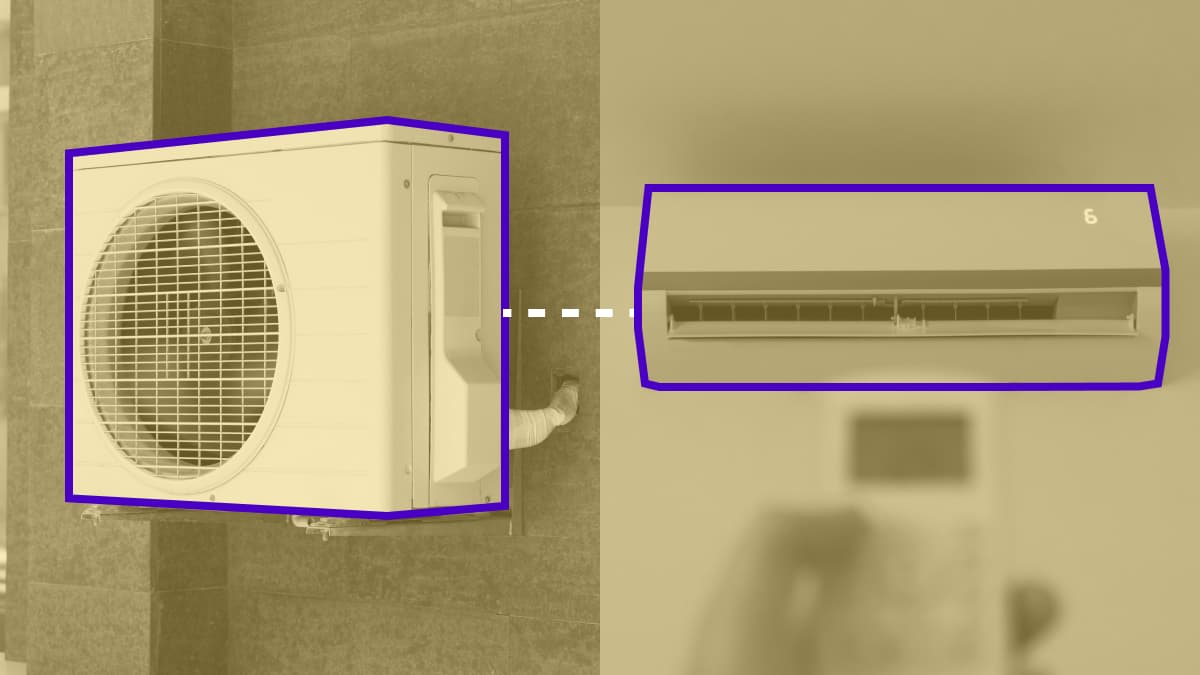
Mini split systems offer a modern way to heat and cool homes. These units have two main parts: an indoor air handler and an outdoor compressor. They deliver comfort without bulky ducts. This makes them popular for homes without existing ductwork. Mini splits provide precise temperature control and quiet operation. They work well in many spaces, large or small.
Operating Mechanism
Mini splits use heat pump technology. The outdoor unit pulls heat from the air outside. It moves this heat inside during cold months. In summer, it reverses and cools the indoor air. The indoor unit blows warm or cool air directly into the room. This system uses refrigerant to transfer heat efficiently.
Installation Requirements
Installing mini splits requires mounting an indoor unit on a wall. The outdoor unit needs a flat, stable surface outside. A small hole in the wall connects the two units with refrigerant lines. No ducts are needed, which reduces installation time. Professional installation ensures proper setup and system performance.
Energy Efficiency
Mini splits are highly energy efficient. They use less electricity than traditional heaters. The heat pump design moves heat instead of creating it. This lowers energy consumption and utility bills. Many models have energy-saving features like programmable settings and timers.
Initial And Operating Costs
Mini splits cost more upfront than baseboard heaters. The price depends on the number of indoor units needed. Operating costs are lower due to high efficiency. Energy savings can offset the initial investment over time. Maintenance costs are moderate and manageable for most homeowners.
Upkeep And Durability
Mini splits require regular filter cleaning to maintain airflow. Outdoor units should stay free of debris and snow. Professional servicing every few years keeps the system running smoothly. These systems have a long lifespan, often 15 years or more.
Ideal Applications
Mini splits suit homes without ductwork or with multiple zones. They fit well in new constructions and older buildings. Ideal for heating and cooling individual rooms or open spaces. Perfect for basements, additions, and sunrooms. Their quiet operation makes them great for bedrooms.
Performance Comparison
Comparing electric baseboard heaters and mini splits helps choose the right heating system. Understanding their performance differences guides better decisions. Each system has unique strengths and limitations in heating homes.
Examining heating capacity, temperature control, noise levels, and space impact reveals clear contrasts. This guide breaks down these factors simply and clearly.
Heating Capacity
Electric baseboard heaters provide steady heat for small to medium rooms. They work best in one area at a time. Mini splits deliver powerful heat and cool air to larger spaces. They can heat multiple rooms with one unit. Mini splits generally offer more flexibility and higher capacity.
Temperature Control
Baseboard heaters use simple thermostats to adjust warmth. They turn on and off to keep the room cozy. Mini splits have advanced controls with remote and smart options. They maintain consistent temperatures with precise settings. Mini splits offer better control over room comfort.
Noise Levels
Baseboard heaters operate silently since they use radiant heat. No fans or moving parts create noise. Mini splits have quiet fans but can produce slight sound. Usually, their noise is low enough not to disturb daily life. Baseboard heaters win in silent operation.
Space Impact
Baseboard heaters attach to walls and take up floor space near the baseboard. They may limit furniture placement along walls. Mini splits have small wall-mounted indoor units and an outdoor compressor. They save floor space and blend into room design. Mini splits offer better space efficiency.
Energy Consumption
Energy consumption plays a key role in choosing between electric baseboard heaters and mini split systems. Understanding how each system uses power helps make smarter decisions. Energy use affects your bills and the environment. Let’s explore how these heaters compare in energy consumption.
Power Usage Patterns
Electric baseboard heaters use resistance heating. They convert electricity directly into heat. This means they draw power constantly when on. Mini splits use a heat pump system. They move heat rather than create it. This makes mini splits more efficient in most situations.
Baseboards heat room air by warming metal fins. This process uses a fixed amount of electricity. Mini splits adjust power based on room temperature. They often run at lower power after reaching desired heat.
Cost Efficiency Over Time
Electric baseboards have lower upfront costs. Installation is simple and cheap. But they cost more to operate. High electricity use leads to higher monthly bills.
Mini splits cost more to install. The technology and setup are more complex. Yet, they use less electricity over time. This lowers energy bills and saves money in the long run.
Choosing mini splits often means better savings after a few years. Baseboards may seem cheaper first but add up with energy use.
Environmental Impact
Electric baseboards use a lot of electricity. If your power comes from fossil fuels, this adds to pollution. Mini splits use electricity more efficiently. They reduce greenhouse gas emissions by using less power.
Heat pumps in mini splits help lower carbon footprints. They are better for cleaner energy use. Using mini splits supports a greener home and planet.
Installation And Setup
Installing electric baseboard heaters and mini splits differs in many ways. Understanding the setup process helps you choose the best option. Installation affects time, cost, and effort. Each system has unique needs for setup and placement. Knowing these details can save money and avoid mistakes.
Complexity And Time
Electric baseboard heaters are simple to install. They usually mount on walls near the floor. Installation takes a few hours for one room. Mini splits require more work. They need an indoor unit and an outdoor compressor. Connecting the two takes more time and skill. Installation can take a full day or more.
Required Modifications
Baseboard heaters need a dedicated electrical circuit. This may require changes to your home’s wiring. Mini splits need holes drilled for refrigerant lines. Wall or ceiling modifications are common. You may also need new electrical work for the outdoor unit. Both systems can need some home changes to fit properly.
Professional Vs Diy
Many homeowners can install baseboard heaters themselves. Basic electrical knowledge helps. Mini split installation is more complex. Professionals are recommended for these systems. Mistakes with refrigerant lines or wiring cause costly problems. Hiring an expert ensures safety and efficiency. It also keeps warranties valid.
Credit: getmysa.com
Cost Analysis
Understanding the cost differences between electric baseboard heaters and mini split systems is important. Costs include the initial purchase and installation, ongoing energy use, and possible savings from rebates. This guide breaks down these costs to help you decide which option fits your budget.
Upfront Expenses
Electric baseboard heaters usually cost less to buy. They are simple devices with few parts. Installation is often easy and cheap. Mini split systems cost more initially. They include an outdoor compressor and indoor air handlers. Installation needs a professional and can be complex. This raises the upfront price.
Long-term Savings
Electric baseboard heaters use a lot of electricity. This can lead to high energy bills. Mini split systems use heat pump technology. They provide heat more efficiently. This lowers monthly energy costs. Over time, mini splits save more money. Baseboard heaters may cost less now but more later.
Potential Rebates And Incentives
Many governments offer rebates for energy-efficient systems. Mini splits often qualify for these programs. Rebates reduce the installation cost. Electric baseboard heaters rarely get rebates. Check local programs before buying. Rebates can make mini splits more affordable.
User Experience
User experience plays a big role in choosing heating systems. Comfort, ease of control, and reliability affect daily life. Both electric baseboard heaters and mini splits offer unique experiences. Understanding these differences helps make the right choice for your home.
Comfort Levels
Electric baseboard heaters provide steady, quiet warmth along walls. They heat the room slowly but keep it warm once heated. Mini splits warm rooms faster and offer cool air in summer. They spread air evenly, avoiding cold spots. Mini splits feel more like natural airflow. Baseboards focus heat near the floor, which can feel uneven.
Control Options
Baseboard heaters use simple thermostats on the wall. They usually have basic on/off controls and temperature dials. Mini splits come with remote controls or smartphone apps. These allow precise temperature settings and timers. Some mini splits adjust fan speed and mode automatically. Controls on mini splits are more flexible and user-friendly.
Reliability
Electric baseboard heaters have fewer parts and rarely break down. They last many years with little maintenance. Mini splits have more complex parts like compressors and filters. These need regular cleaning and occasional servicing. Mini splits can fail if not maintained well. Baseboards offer steady, dependable heat with less worry.
Choosing The Right Heater
Choosing the right heater can make a big difference in your comfort and energy bills. Both electric baseboard heaters and mini splits have strengths. Knowing what fits your needs helps you decide smartly. Consider your room size, budget, and weather conditions. These factors guide your choice and ensure you stay warm efficiently.
Assessing Your Space
Measure the room size before choosing a heater. Baseboard heaters work well in small rooms or individual spaces. Mini splits are better for larger areas or multiple rooms. Check wall space too. Baseboard heaters need space along the floor. Mini splits require wall space for the indoor unit. Think about furniture placement and layout. Proper fit improves heating performance and comfort.
Budget Considerations
Baseboard heaters cost less upfront. They are simple and easy to install. Mini splits have higher initial costs. Installation needs a professional and extra parts. Mini splits save money long-term with energy efficiency. Baseboard heaters can increase electric bills if used a lot. Decide what fits your budget now and later. Balance initial cost with running expenses for best value.
Climate Factors
Consider your local weather before choosing a heater. Baseboard heaters provide steady heat in mild climates. Mini splits work well in cold and hot weather. They can cool in summer and heat in winter. Mini splits use less energy in colder months. If your area has harsh winters, mini splits may perform better. Match your heater to your climate for comfort all year.
Credit: homes.rewiringamerica.org
Frequently Asked Questions
What Are The Main Differences Between Baseboard Heaters And Mini Splits?
Baseboard heaters use electric resistance to warm a room, while mini splits use heat pump technology. Mini splits can both heat and cool, making them more versatile.
Which Heating System Is More Energy Efficient?
Mini splits are generally more energy efficient because they move heat instead of generating it. Baseboard heaters consume more electricity and can cost more to run.
How Much Does Installation Cost For Each Heater?
Baseboard heaters usually cost less to install as they need only electrical wiring. Mini split systems require professional installation and can be more expensive upfront.
Can Mini Splits Work In Very Cold Climates?
Yes, many mini splits are designed to work efficiently in cold weather. They use advanced compressors that can extract heat even in low temperatures.
Are Baseboard Heaters Safer For Homes With Children?
Baseboard heaters get hot to touch, which can be a safety risk for kids. Mini splits are mounted on walls and have no exposed hot surfaces.
How Noisy Are Electric Baseboard Heaters Compared To Mini Splits?
Baseboard heaters operate silently since they have no fans. Mini splits have fans that produce low noise but are generally quiet during operation.
Conclusion
Choosing between electric baseboard heaters and mini splits depends on your needs. Baseboard heaters cost less upfront but use more energy. Mini splits save energy and offer cooling too. Think about your budget, space, and comfort needs. Both options have pros and cons.
Take time to compare before deciding. This helps you get the best heater for your home. Keep comfort and cost in mind to stay warm efficiently. Simple and smart choices make winter cozy and affordable.