
Are you trying to find the best way to heat your home efficiently and comfortably? Choosing between electric baseboard heaters and mini split systems can feel confusing.
Both have their benefits, but which one really suits your needs? You’ll discover the key differences, pros, and cons of each option. By the end, you’ll be able to make a clear, smart choice that keeps your space warm without wasting energy or money.
Keep reading—you’re just one step away from heating your home the right way.
Credit: jonesservices.com
How Electric Baseboard Heaters Work
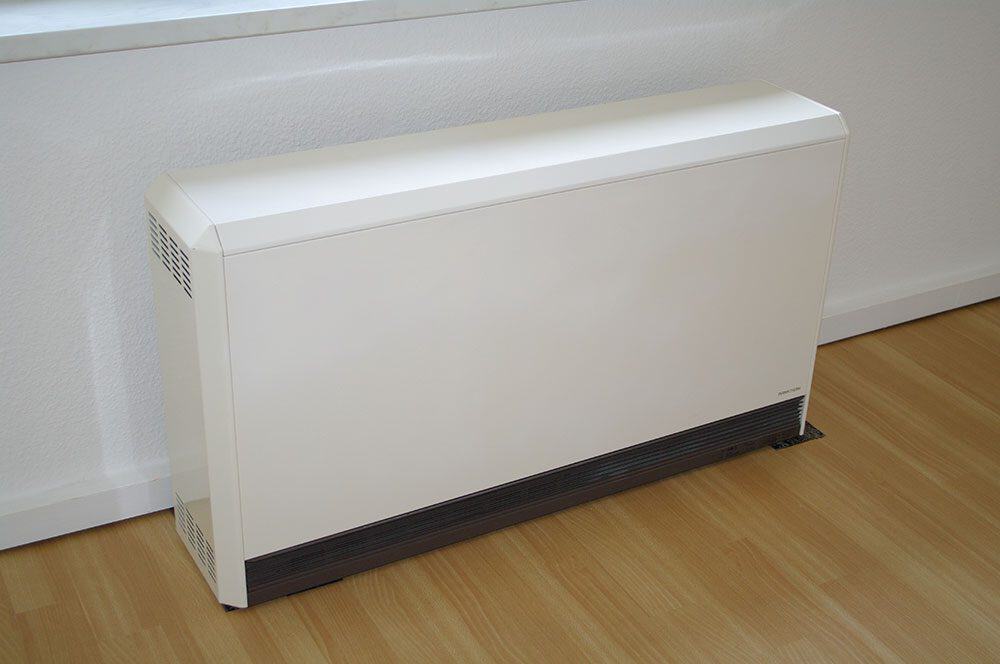
Electric baseboard heaters provide warmth by converting electricity into heat. They use simple technology to warm rooms efficiently. Understanding how they work helps you choose the right heating option.
Basic Mechanism
Electric baseboard heaters have metal fins inside a long metal box. An electric wire heats up when electricity flows through it. The heat passes to the fins, which warm the air around them. Warm air rises, and cooler air moves in to take its place. This cycle keeps the room warm.
Installation Process
Installing electric baseboard heaters is straightforward. They mount on the wall near the floor. You need a dedicated electrical circuit for safety. A professional electrician should handle the wiring. No ductwork or vents are required, making installation easier in most homes.
Energy Consumption
Electric baseboard heaters use electricity directly to produce heat. They convert nearly all energy into warmth. This makes them efficient in small spaces. Yet, running costs can be high if used for large areas or long times. Proper use helps control energy bills.
Credit: snowflakeair.com
Mini Split Heating Explained
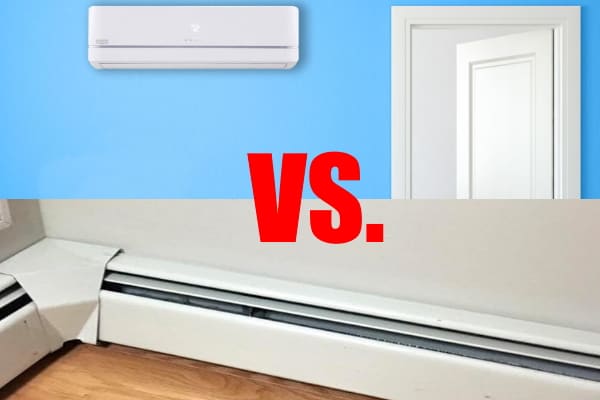
Mini split heating offers a modern way to warm your home. These systems provide comfort without bulky ducts. Many choose mini splits for their quiet operation and flexible installation. Understanding how mini splits work helps in making smart heating choices.
Heat Pump Technology
Mini splits use heat pump technology to move heat. They can heat and cool by transferring heat between indoors and outdoors. In cold weather, they pull heat from outside air and bring it inside. This process uses less energy than traditional heaters.
Installation And Components
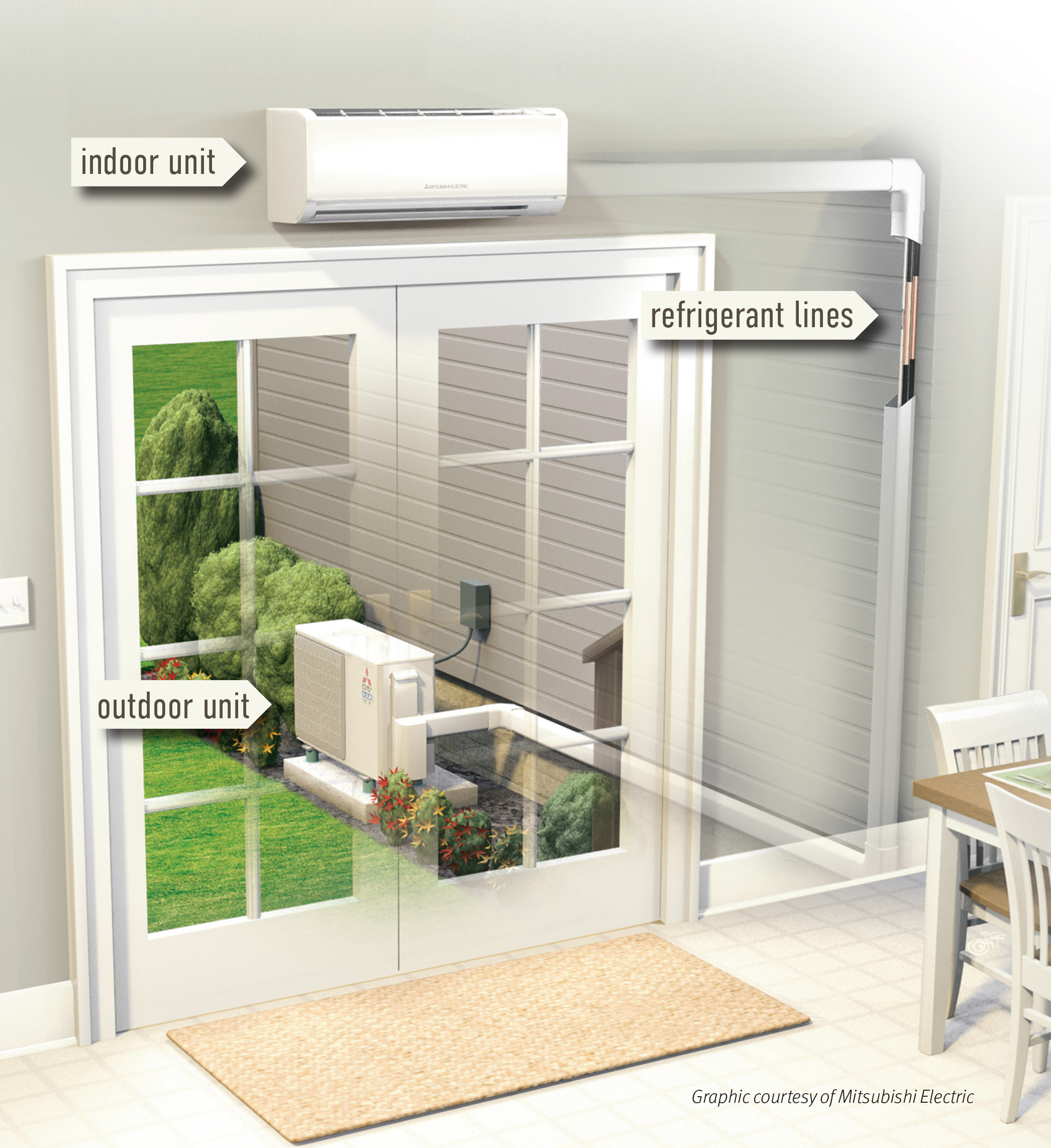
A mini split has two main parts: an indoor unit and an outdoor unit. The indoor unit mounts on a wall or ceiling, blowing warm or cool air. The outdoor unit contains the compressor and connects to the indoor part with small pipes. Installation is easier than full duct systems.
Energy Efficiency
Mini splits use less energy than many heating options. Heat pump technology provides more heat from less electricity. They often have high energy ratings, saving money on bills. Zoning features let you heat only used rooms, reducing waste.
Cost Comparison
Choosing the right heating system depends on many factors, including cost. Comparing electric baseboard heaters and mini splits helps you make a smart decision. Costs vary from buying and installing to running and upkeep. Understanding these details can save you money over time.
Initial Purchase And Installation
Electric baseboard heaters cost less to buy than mini splits. They are simple devices, so prices stay low. Installation is easy and quick. You usually pay less for labor.
Mini splits cost more upfront. The units have advanced parts and require professional installation. Installation involves mounting indoor and outdoor components. This raises the initial price.
Operating Expenses
Electric baseboard heaters use a lot of electricity. They heat rooms directly but are less efficient overall. Higher power use means bigger electric bills.
Mini splits use less energy due to heat pump technology. They provide more heat per unit of electricity. This efficiency lowers monthly energy costs.
Maintenance Costs
Electric baseboard heaters need little upkeep. They have no moving parts or filters to clean. This keeps maintenance costs very low.
Mini splits require regular filter cleaning and occasional servicing. This helps keep efficiency high. Maintenance costs are higher but manageable.
Credit: loup.com
Performance In Different Climates
Choosing the right heater depends on how well it performs in different climates. Heating needs change with weather and room size. Some heaters work better in very cold places. Others adapt well to many room types. Understanding these differences helps to pick the best option for your home.
Effectiveness In Cold Weather
Electric baseboard heaters work by warming the air near the floor. They provide steady heat but can struggle in very cold weather. Heat spreads slowly across the room. Mini split systems use a heat pump to pull heat from outside air. They stay efficient even in low temperatures. Mini splits warm rooms faster and keep them cozy longer.
Adaptability To Various Spaces
Baseboard heaters are easy to install along walls. They fit well in small rooms and narrow spaces. Each heater warms only the room it is in. Mini splits have a small indoor unit that can be placed high on a wall. One outdoor unit can connect to multiple indoor units. This setup heats several rooms at once. Mini splits work well in open spaces and homes with many rooms.
Environmental Impact
Understanding the environmental impact of heating systems helps us make smarter choices. Electric baseboard heaters and mini split systems differ in how they affect the planet. This section explores their energy sources and emissions, plus sustainability factors.
Energy Sources And Emissions
Electric baseboard heaters run on electricity. The environmental impact depends on how that electricity is made. Coal or gas power plants cause more pollution. Renewable energy like wind or solar creates less pollution.
Mini split systems use electricity too but often consume less power. They transfer heat rather than create it. This process usually results in lower energy use. Less energy use means fewer emissions overall.
Sustainability Considerations
Mini splits can be more sustainable because they are more efficient. They reduce energy waste and save money. Electric baseboard heaters work well but can use more electricity. This leads to higher carbon footprints in many areas.
Choosing a heating system also depends on local energy sources. Places with clean energy benefit more from electric heating. Efficient systems and clean energy together lower environmental harm.
User Experience And Convenience
User experience and convenience matter most when choosing heating systems. Both electric baseboard heaters and mini splits offer unique benefits. Understanding their differences helps you pick the best fit for your home.
Noise Levels
Electric baseboard heaters operate silently. They use radiant heat without fans or moving parts. Mini splits have a small indoor unit that runs quietly. The outdoor compressor makes some noise. Still, mini splits are generally quiet enough for most rooms.
Control Options
Electric baseboard heaters usually have simple controls. Some models include a basic thermostat. Mini splits provide advanced control options. Many come with remote controls and programmable settings. Some models connect to smartphones for easy adjustment.
Space Requirements
Electric baseboard heaters mount on walls near the floor. They take up little space but cannot be covered. Mini splits need space for both indoor and outdoor units. Indoor units mount high on walls, saving floor space. Outdoor compressors require a small area outside the home.
Safety Factors
Safety is a key factor when choosing heating systems. Both electric baseboard heaters and mini splits have safety features. Understanding their risks helps you make a smart choice. This section looks at fire risks and health concerns linked to each system.
Fire Risks
Electric baseboard heaters work by heating metal fins. These can become very hot. Items placed too close may catch fire. Dust buildup on baseboards can also increase fire risk. Mini splits use cool air to move heat. Their parts rarely get hot enough to cause fires. They have built-in sensors to prevent overheating. Overall, mini splits are safer from a fire perspective.
Health Concerns
Baseboard heaters can dry out the air. Dry air may cause sore throats or dry skin. They also circulate dust and allergens if not cleaned often. Mini splits have air filters that clean the air. They keep humidity balanced and improve air quality. This reduces health problems like allergies or asthma. Mini splits offer better air quality and comfort.
Which System Fits Your Needs
Choosing between electric baseboard heaters and mini split systems depends on your unique needs. Each heating option has different strengths. Consider your home’s size, budget, and your personal preferences. This way, you find the best fit for comfort and savings.
Home Size And Layout
Electric baseboard heaters work well in small to medium rooms. They fit into tight spaces and heat individual rooms. Mini splits suit larger homes or open floor plans. They provide consistent heat across multiple rooms. Think about how many rooms need heating and their layout.
Budget And Long-term Savings
Electric baseboard heaters have low upfront costs. Installation is simple and quick. But they use more electricity, leading to higher bills. Mini split systems cost more at first. Installation is more complex. Yet, they use energy efficiently and lower monthly costs. Choose based on your budget and long-term savings goals.
Personal Preferences
Baseboard heaters are quiet and unobtrusive. They do not require ducts or vents. Mini splits offer both heating and cooling. They have remote control and temperature settings. Consider noise levels, control options, and climate needs. Your comfort matters most in this decision.
Frequently Asked Questions
What Are The Main Differences Between Electric Baseboard Heaters And Mini Splits?
Electric baseboard heaters use electric resistance to produce heat, warming the room directly. Mini splits use a compressor and refrigerant to heat or cool air efficiently. Mini splits also offer cooling, unlike baseboard heaters.
Which System Is More Energy Efficient: Baseboard Heaters Or Mini Splits?
Mini splits are generally more energy efficient because they transfer heat instead of creating it. Baseboard heaters use more electricity as they convert power directly into heat. This makes mini splits cheaper to run over time.
How Do Installation Costs Compare For Baseboard Heaters And Mini Splits?
Baseboard heaters are usually cheaper and easier to install. Mini splits require professional installation and may involve higher upfront costs. But mini splits provide both heating and cooling, adding value.
Are Mini Splits Quieter Than Electric Baseboard Heaters?
Yes, mini splits tend to be quieter because the noisy compressor is outside. Baseboard heaters make a low humming or clicking sound when heating. Mini splits offer a more peaceful indoor environment.
Can Electric Baseboard Heaters Effectively Heat Large Spaces?
Baseboard heaters work best in small to medium rooms. For large spaces, multiple units may be needed, which can be costly. Mini splits are better suited for heating larger areas efficiently.
Which Heating Option Is Safer For Homes With Children Or Pets?
Mini splits are generally safer as they have no exposed hot surfaces. Baseboard heaters can get very hot and may cause burns if touched. This makes mini splits a better choice for safety.
Conclusion
Choosing between electric baseboard heaters and mini splits depends on your needs. Baseboard heaters are simple and easy to install. Mini splits offer better energy efficiency and cooling options. Consider your budget, space, and climate before deciding. Both systems provide warmth but work differently.
Think about long-term costs and comfort. Either choice can keep your home cozy. The right heater suits your lifestyle and home size. Take time to weigh the benefits carefully. This helps you make the best decision for your space.