
Choosing the right heating system for your home is more important than you might think. When it comes to keeping warm, you want something efficient, reliable, and cost-effective.
You’ve probably come across electric baseboard heaters and gas heat as popular options—but which one truly fits your needs? This article will help you understand the key differences, so you can make a smart choice that keeps your home cozy without breaking the bank.
Keep reading to discover which heating system matches your lifestyle and budget perfectly.
Credit: www.standardwool.uk
Electric Baseboard Heaters Basics
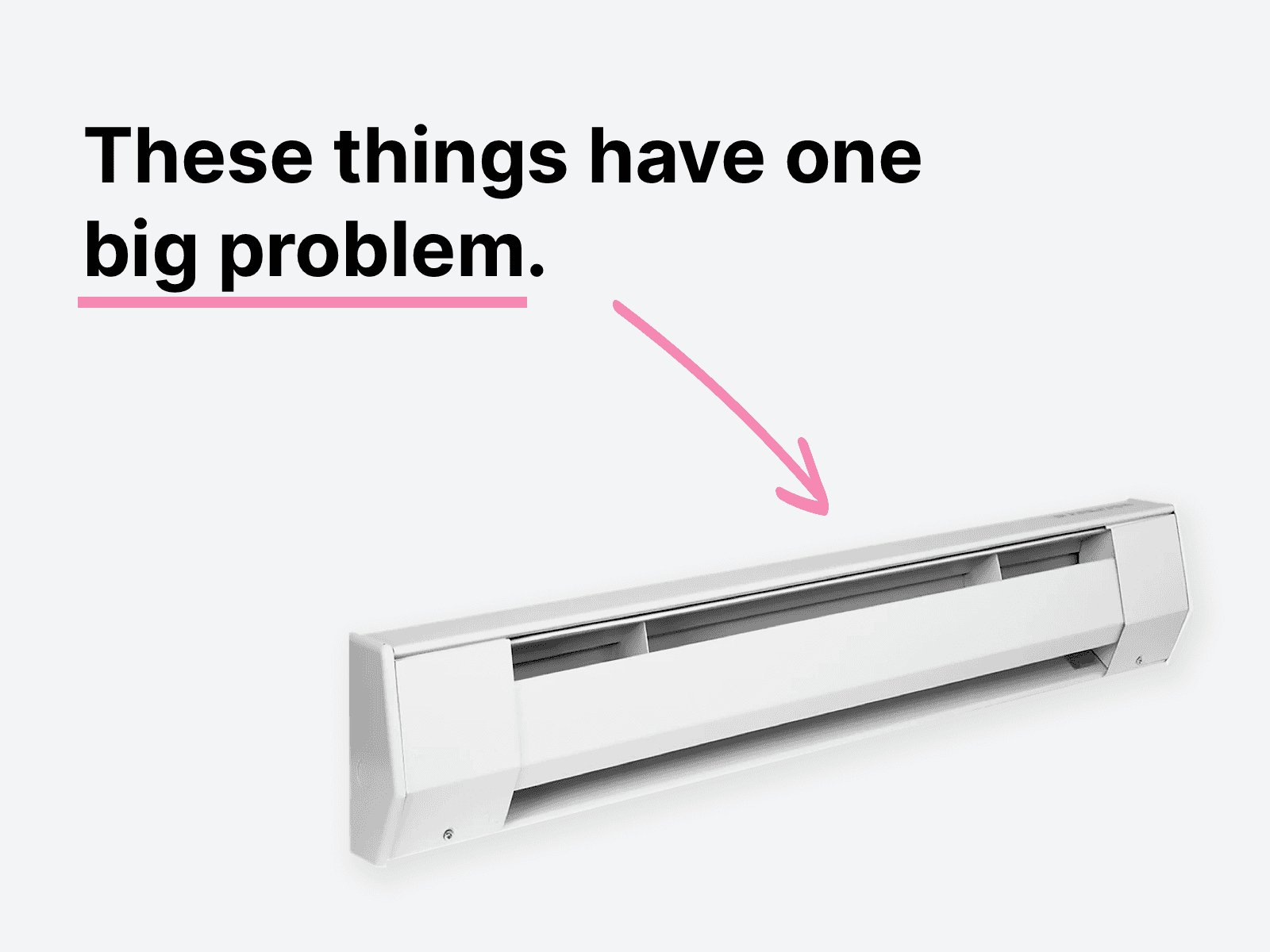
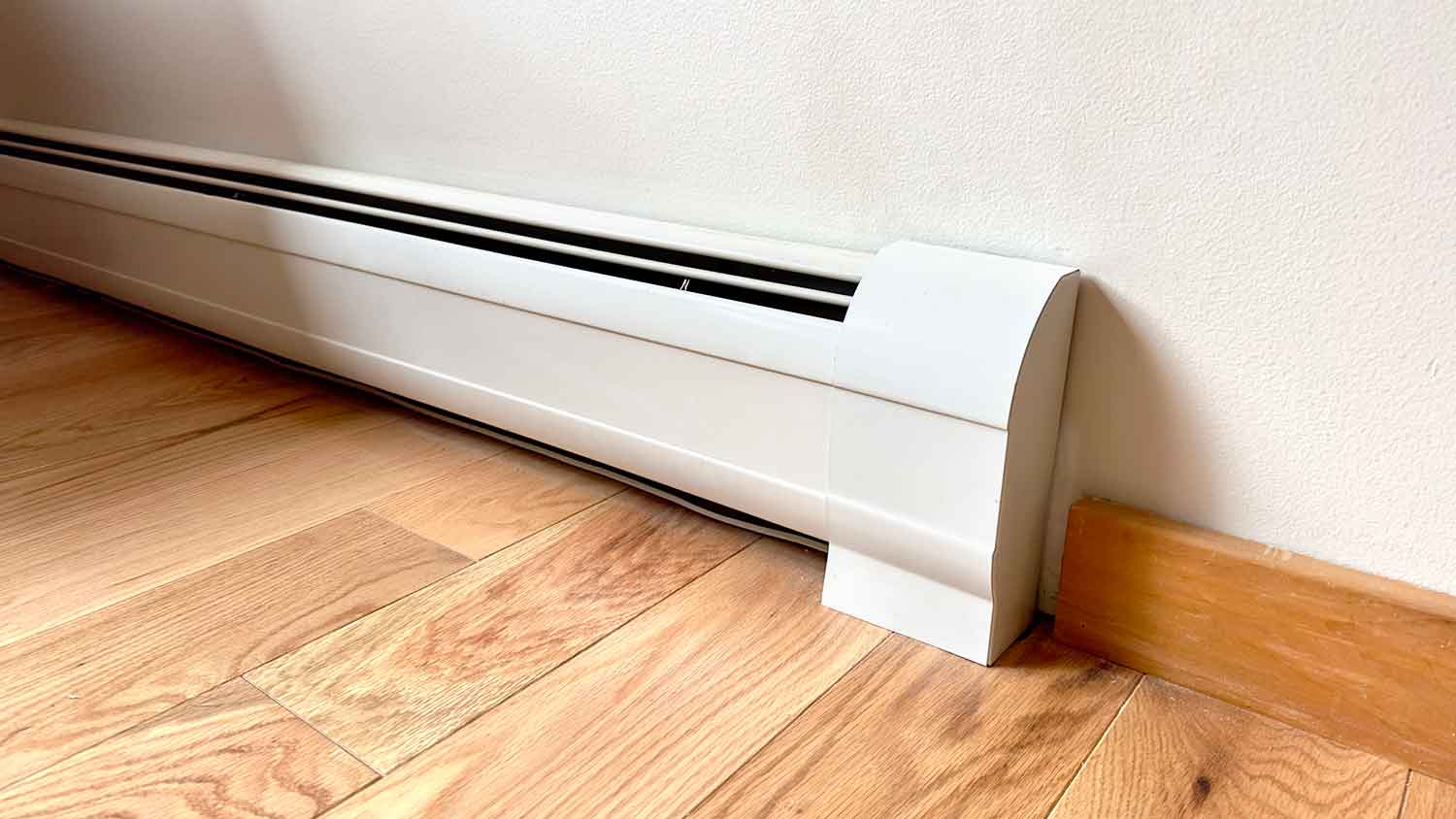
Electric baseboard heaters offer a simple way to heat individual rooms. They use electricity to create warmth along the baseboard of a wall. These heaters provide steady heat and are easy to control. Many homes use them for extra comfort or as a main heating source.
Understanding how electric baseboard heaters work can help you decide if they fit your heating needs. Their installation and energy use also play important roles in choosing between electric and gas heat.
How They Work
Electric baseboard heaters use electric resistance to produce heat. When electricity flows through the heater’s metal coils, they warm up. The heat then rises naturally, warming the air near the floor first. This warm air spreads throughout the room, creating a cozy environment.
Thermostats control the temperature by turning the heater on and off. This helps keep the room at a steady warmth without using too much electricity.
Installation Process
Installing electric baseboard heaters is fairly simple. They attach to the baseboard area along walls. A professional electrician usually connects them to your home’s electrical system. This ensures safety and proper function.
They do not need ductwork or vents, which can save space and reduce costs. Installation time depends on the number of units and room size. Most installations can be done within a day.
Typical Energy Consumption
Electric baseboard heaters use electricity directly to produce heat. Their energy use depends on the heater’s size and room insulation. On average, they consume about 250 to 500 watts per foot of heater length.
They can be less efficient than gas heating in large spaces. Still, they work well for heating single rooms or small areas. Proper use and good insulation help reduce energy costs.
Credit: www.standardwool.uk
Gas Heating Fundamentals
Gas heating is a popular choice for many homes. It uses natural gas or propane to warm indoor spaces. Understanding how gas heaters work helps you compare them with electric baseboard heaters. Knowing the basics lets you decide the best heating option for your home.
Mechanism Of Gas Heaters
Gas heaters burn fuel to create heat. The burner ignites the gas, producing a flame. This flame heats a metal heat exchanger. Air passes over the exchanger and warms up. The warm air flows into your rooms through vents. This process provides steady and strong heat.
Installation Requirements
Installing gas heaters needs a gas line connection. A certified technician must handle the setup. Proper ventilation is crucial to remove combustion gases. The heater must meet local safety codes. Installation costs are higher than electric baseboard heaters.
Energy Usage Patterns
Gas heaters use fuel directly for heat. They often cost less to run than electric heaters. Usage depends on gas prices and heater efficiency. Gas heating provides fast warmth and works well in cold climates. Regular maintenance keeps energy use efficient and safe.
Efficiency Comparison
Comparing electric baseboard heaters and gas heat means looking closely at efficiency. Efficiency affects how well each system uses energy to keep your home warm. This section breaks down key points that impact efficiency and your heating bills.
Energy Conversion Rates
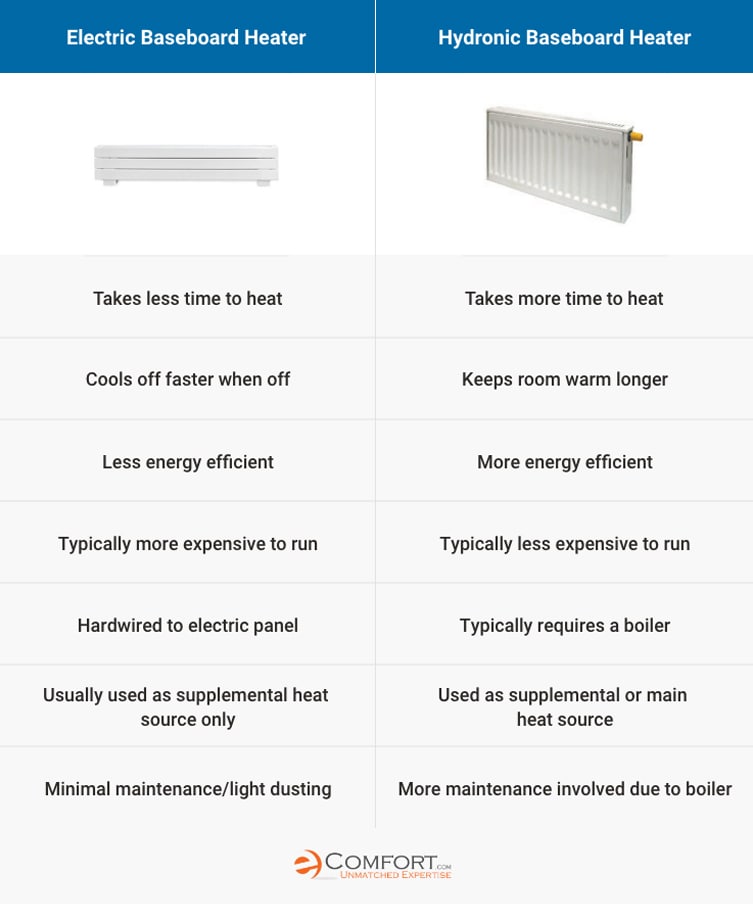
Electric baseboard heaters convert nearly 100% of electricity into heat. This means almost no energy is wasted. Gas heaters convert gas into heat but lose some energy during the process. Their efficiency ranges from 70% to 90% depending on the model. Electric heaters use all the energy they get. Gas heaters lose some energy through exhaust.
Heat Distribution
Electric baseboard heaters provide steady, even heat along walls. They heat the room slowly but keep warmth consistent. Gas heaters heat air quickly using a furnace. Warm air spreads through vents and ducts. This can create hot and cold spots inside rooms. Baseboard heaters work quietly and without fans.
Operational Costs
Electric heating costs depend on electricity prices, which can be high in some areas. Gas heating costs depend on natural gas prices, usually lower than electricity. Gas systems may cost less to run but need regular maintenance. Electric heaters have low maintenance costs. Choosing the right system depends on your local energy prices.
Environmental Impact
Choosing between electric baseboard heaters and gas heat means thinking about their environmental impact. Heating homes uses energy, and this affects the planet in different ways. Understanding these effects helps make better choices for a cleaner future.
Carbon Emissions
Gas heaters burn fossil fuels, releasing carbon dioxide into the air. This adds to greenhouse gases that warm the planet. Electric baseboard heaters do not produce emissions at home. Yet, their impact depends on how electricity is made. If electricity comes from coal or gas plants, the carbon footprint can be high. Clean energy sources reduce these emissions significantly.
Sustainability Factors
Electric heaters can use renewable energy, making them more sustainable. Solar and wind power lower environmental harm. Gas is a non-renewable resource and will run out over time. Its extraction can damage land and water. Electric baseboard heaters offer a path toward greener living, especially with cleaner energy grids.
Energy Source Availability
Gas pipelines may not reach all homes, limiting access. Electricity is usually available everywhere, even remote places. This makes electric heating easier to install in many areas. The source of electricity varies by region, affecting how green the heating is. Choosing electric heat can support the growth of renewable energy sources.
Safety Considerations
Safety is a key factor in choosing between electric baseboard heaters and gas heat. Each type has its own risks and care needs. Understanding these helps keep your home safe and warm.
Risks With Electric Heaters
Electric baseboard heaters use electricity to generate heat. They can get very hot, causing burns if touched. Items placed too close can catch fire. Faulty wiring may cause electrical shocks or fires. Keeping heaters clear of flammable materials is essential. Using certified products reduces risks significantly.
Gas Heater Safety Issues
Gas heaters burn fuel to produce heat. They can leak harmful gases like carbon monoxide. Poor ventilation increases this danger. Gas leaks can lead to explosions. Installing carbon monoxide detectors is very important. Regular inspections help find leaks and prevent accidents.
Maintenance Needs
Electric heaters need little maintenance. Cleaning dust off helps them work better. Checking wires yearly ensures safety. Gas heaters require more care. Professionals must inspect vents and burners. Cleaning and tuning improve safety and efficiency. Regular care extends heater life and lowers risk.
Credit: www.airoxnigen.com
Cost Analysis
Cost analysis helps you understand which heating option fits your budget best. Comparing electric baseboard heaters and gas heat involves looking at different cost factors. These include how much you pay at the start, monthly bills, and savings over time.
Initial Investment
Electric baseboard heaters cost less to buy and install. They need no ductwork or gas lines. Gas heating systems require a higher upfront cost. Installation can be complex and expensive. This is because of pipes and safety checks.
Running Expenses
Electric heaters use electricity, which can be costly. Gas heat often costs less per unit of energy. Gas systems may save money on monthly bills. Energy prices vary by location and season. Tracking local rates helps estimate running costs.
Long-term Savings
Gas heating can offer more savings over years. Efficiency and fuel cost affect total expenses. Electric heaters have low maintenance costs. Gas systems need regular service and checks. Consider your home’s insulation and size too.
Best Usage Scenarios
Choosing between electric baseboard heaters and gas heat depends on the specific needs of your space. Each type of heater fits different environments and budgets. Understanding the best usage scenarios helps you pick the right option. Here, we explore where each heater works best and how they can sometimes work together.
Ideal Settings For Electric Heaters
Electric baseboard heaters work well in small rooms and apartments. They do not need a vent or chimney, so installation is simple. These heaters provide quiet, steady warmth. They suit homes without access to natural gas. Electric heaters are great for rooms used occasionally. They heat quickly and cost less upfront.
When Gas Heat Excels
Gas heating shines in larger homes or buildings. It heats spaces faster and can be more cost-effective over time. Gas systems work well in cold climates with long winters. They require proper ventilation but offer strong, consistent heat. Gas heat is a solid choice for whole-house heating. It often lowers monthly energy bills.
Hybrid Solutions
Combining electric and gas heat can offer the best of both worlds. Use gas as the main heat source for large areas. Add electric baseboards for supplemental heat in specific rooms. This setup improves comfort and saves energy. Hybrid systems allow flexible heating based on need and cost. They adapt easily to different weather conditions.
Frequently Asked Questions
What Are The Main Differences Between Electric Baseboard And Gas Heaters?
Electric baseboard heaters use electricity to warm rooms, while gas heaters burn natural gas. Electric heaters are easier to install, but gas heaters usually cost less to run.
Which Heater Is More Energy-efficient, Electric Or Gas?
Gas heaters are generally more energy-efficient for heating large spaces. Electric baseboard heaters work well in small areas but use more electricity overall.
How Do Installation Costs Compare For Electric And Gas Heaters?
Electric baseboard heaters have lower installation costs and are simpler to set up. Gas heaters require venting and professional installation, which makes them more expensive initially.
Can Electric Baseboard Heaters Provide Enough Heat For Cold Climates?
Electric baseboard heaters can warm small rooms but might struggle in very cold areas. Gas heaters offer stronger and faster heating in cold climates.
Are Electric Baseboard Heaters Safer Than Gas Heating Systems?
Electric baseboard heaters have fewer risks of gas leaks or carbon monoxide poisoning. Still, both systems need proper use and maintenance to stay safe.
Which Heating Option Is Better For Reducing Monthly Utility Bills?
Gas heaters often lower monthly heating costs, especially in colder regions. Electric baseboard heaters may increase electricity bills if used extensively.
Conclusion
Choosing between electric baseboard heaters and gas heat depends on your needs. Electric heaters are easy to install and work well in small spaces. Gas heat can warm larger areas quickly and often costs less to run. Think about your home’s size, budget, and energy source availability.
Both options have pros and cons. Your comfort and savings matter most. Take time to weigh these factors carefully. This helps you pick the best heating for your home.