
Choosing the right heating system for your home can feel overwhelming. You want something efficient, reliable, and cost-effective.
But how do you decide between electric baseboard heaters and forced air systems? Both have their strengths and weaknesses, and the choice you make will affect your comfort and energy bills. You’ll discover the key differences that matter most to you.
By the end, you’ll feel confident about which option fits your needs perfectly. Keep reading to find out what works best for your home and lifestyle.
Credit: andersonair.com
Electric Baseboard Heaters
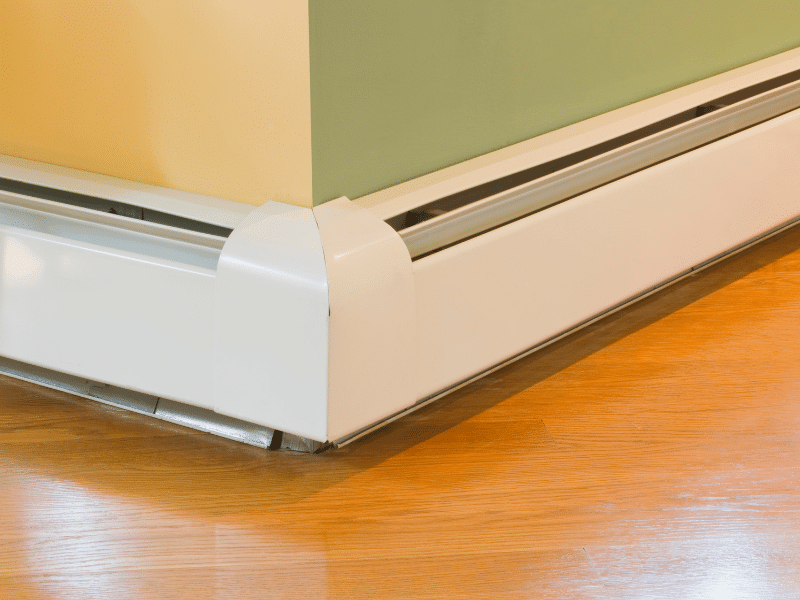
Electric baseboard heaters offer a simple and quiet way to heat rooms. They are popular in homes without central heating systems. These heaters fit along the baseboard of walls and provide steady warmth. Their design makes them easy to install and control. Understanding how they work and their benefits helps in choosing the right heating method for your space.
How They Work
Electric baseboard heaters use electric resistance to create heat. Inside the unit, electric wires warm up when powered. The heat then rises naturally along the wall. This process warms the air in the room slowly and evenly. No fans or ducts are needed, making the operation silent.
Installation Process
Installation is straightforward and usually quick. The heater mounts on the wall near the floor. It connects directly to the electrical system. No ductwork or vents are necessary. This makes installation less invasive and cheaper than forced air systems. A licensed electrician should handle the wiring for safety.
Energy Efficiency
Electric baseboard heaters convert nearly all electricity into heat. This means no energy is wasted in the process. However, they can be less efficient in large spaces. Heat spreads slowly and may not reach every corner. Using them in smaller rooms or zones saves energy and costs.
Cost Considerations
The initial cost of baseboard heaters is generally low. Installation costs are also affordable due to minimal work needed. Operating costs depend on electricity prices in your area. They can be higher than gas heating in some regions. Budgeting for both upfront and monthly expenses is important.
Maintenance Needs
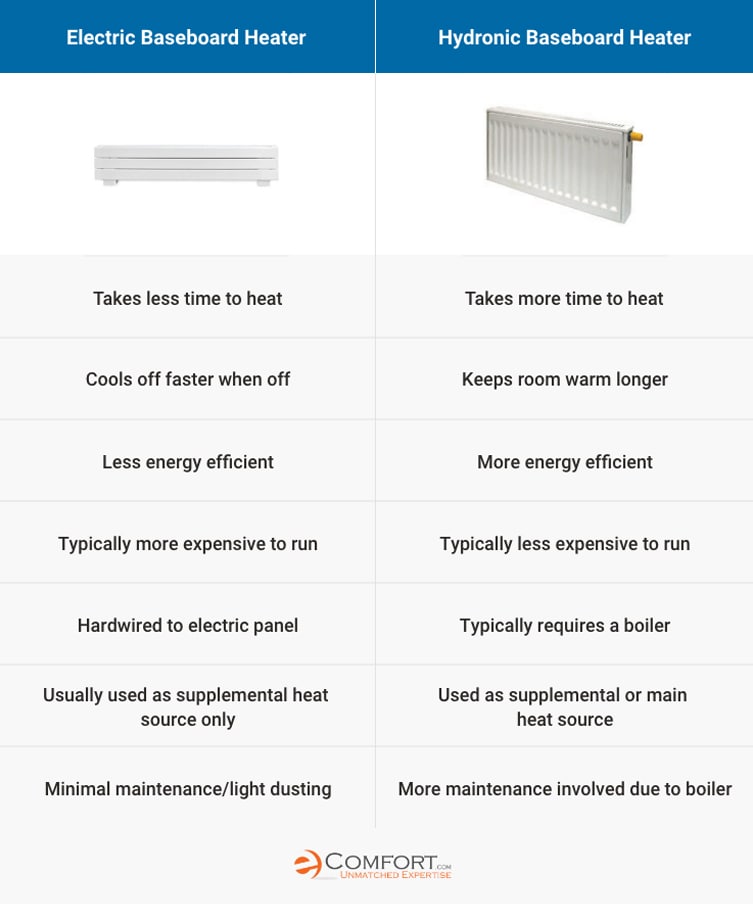
Baseboard heaters require very little maintenance. Cleaning dust from the unit helps keep it efficient. No filters or ducts need regular replacement. Occasional checks ensure the electrical connections are safe. This low maintenance makes them convenient for many homeowners.
Ideal Use Cases
These heaters work best in small rooms or specific zones. They are great for homes without central heating. Also useful in additions, garages, or basements. Their quiet operation suits bedrooms and living areas. Easy installation fits well in older buildings without duct systems.
Forced Air Heating Systems
Forced air heating systems warm your home by moving heated air through ducts. This method spreads warmth quickly to many rooms. These systems often use gas, electricity, or oil as fuel. They combine heating and air circulation for comfort all year.
Working Mechanism
Forced air systems heat air in a furnace. A blower pushes warm air through ducts. Vents release air into rooms. Cooler air returns to the furnace for reheating. This cycle keeps the home warm and fresh.
Installation And Setup
Installation needs ductwork in walls or floors. A furnace connects to the ducts. Proper sealing is important to avoid leaks. Setup may take a few days. Professionals usually handle installation for safety.
Energy Efficiency
Efficiency depends on furnace type and duct condition. Newer models use less energy. Leaky ducts reduce efficiency by losing heat. Regular tuning keeps systems running well. Proper insulation improves overall energy use.
Cost Analysis
Initial costs include furnace and duct installation. Gas furnaces often cost less to run than electric. Maintenance adds to yearly expenses. Energy bills vary with fuel prices. Long-term savings come from efficient models.
Maintenance Requirements
Filters need changing every 1 to 3 months. Ducts require cleaning to prevent dust build-up. Furnace inspections catch problems early. Regular checks keep the system safe. Simple tasks can extend the system’s life.
Best Application Scenarios
Best for homes with existing ductwork. Suitable for large or multi-room spaces. Works well in colder climates for fast heat. Ideal when combined with central air conditioning. Preferred where quick temperature control is needed.
Performance Comparison
Comparing electric baseboard heaters and forced air systems reveals key differences in their performance. Understanding these differences helps choose the best heating method for your home. Below, we explore how both systems perform in heating speed, temperature control, noise levels, and air quality impact.
Heating Speed
Forced air heaters warm a room quickly by blowing hot air through vents. They can raise the temperature in minutes. Electric baseboard heaters take longer. They heat the air slowly by warming the metal baseboards. This method spreads heat evenly but needs more time to feel warm.
Temperature Control
Electric baseboard heaters offer precise temperature control. Each unit has its own thermostat, allowing room-by-room adjustments. Forced air systems often use a central thermostat. This can cause uneven temperatures in different rooms. Baseboards give more control but need individual settings.
Noise Levels
Electric baseboard heaters operate silently since they have no fans. They create no background noise. Forced air systems use fans that blow air, which can be noisy. Some people find this sound distracting. Baseboard heaters provide a quieter environment overall.
Air Quality Impact
Forced air systems circulate air through ducts, which can spread dust and allergens. This may affect indoor air quality. Electric baseboard heaters do not move air around. They reduce the chance of spreading dust or allergens. Baseboards can be a better choice for allergy sufferers.
Credit: www.esseg.eu
Energy Consumption And Costs
Energy consumption and costs play a big role when choosing between electric baseboard heaters and forced air systems. Understanding how each system uses energy helps to manage monthly bills. Knowing the cost difference also guides smart decisions for heating your home.
Operating Expenses
Electric baseboard heaters use electricity directly to produce heat. They often cost more per hour to run than forced air systems. Forced air heaters use gas or electricity but spread heat faster. This can lower the total time the system runs, saving money on energy bills.
Energy Source Impact
The type of energy you use affects overall costs. Electric baseboard heaters rely only on electricity. Forced air systems can use natural gas, propane, or electricity. Natural gas tends to be cheaper than electricity in many areas. This makes forced air systems less costly to operate in some places.
Long-term Savings
Electric baseboard heaters have low upfront costs and simple installation. Forced air systems cost more to install but can save money over time. They heat spaces more evenly, which reduces wasted energy. Choosing the right system depends on your budget and energy prices.
Installation And Space Requirements
Choosing between electric baseboard heaters and forced air systems means considering installation and space needs. These factors affect how well the system fits into your home and your daily comfort.
Space Utilization
Electric baseboard heaters use wall space along floors. They do not need ductwork or large vents. This saves ceiling and floor space. Forced air systems require ducts and vents. These can take up attic, basement, or wall space. They may limit room layout options.
Installation Complexity
Electric baseboard heaters are easier to install. They connect directly to electrical wiring. No ductwork or big holes are needed. Forced air systems need ducts and vents installed throughout the home. This takes more time and skill. Installation can cause more disruption to your home.
Flexibility In Design
Baseboard heaters offer flexible placement along walls. You can add or move units room by room. Forced air systems depend on fixed duct paths. Changing system layout is hard and costly. Baseboards allow easier heating adjustments for each space.

Credit: www.angi.com
Maintenance And Durability
Maintenance and durability are key factors when choosing heating systems. Electric baseboard heaters and forced air systems differ in these areas. Understanding their upkeep needs and lifespan helps you make the right choice for your home.
Routine Upkeep
Electric baseboard heaters need simple cleaning. Dust buildup can reduce heat output. Wipe the heater surfaces gently with a cloth. Forced air systems require more work. Change air filters every 1 to 3 months. Clean ducts to avoid dust and mold. Regular inspection of vents and fans is important.
Common Issues
Electric baseboard heaters may face uneven heating or thermostat problems. These issues are easy to fix. Forced air systems can have blower motor or duct leaks. These problems reduce efficiency and comfort. Regular checks catch issues early. Quick repairs save money and energy.
Lifespan Expectations
Electric baseboard heaters usually last 20 to 30 years. They have fewer moving parts, which means less wear. Forced air systems last about 15 to 25 years. Parts like blowers and filters wear out faster. Proper maintenance can extend the lifespan of both systems.
Environmental Impact
Heating systems affect the environment differently. Choosing between electric baseboard heaters and forced air systems means considering their environmental impact. This impact depends on energy sources and how efficiently they use energy.
Carbon Footprint
Electric baseboard heaters use electricity directly. Their carbon footprint depends on how that electricity is made. If the electricity comes from coal or gas, the footprint is high. If it comes from renewable sources, the footprint is low. Forced air systems often run on natural gas or electricity. Gas-powered forced air systems tend to have a bigger carbon footprint than electric baseboard heaters powered by clean energy.
Sustainability Factors
Electric baseboard heaters have no moving parts, so they last longer and need less maintenance. They also heat rooms evenly, reducing wasted energy. Forced air systems require ductwork, which can leak heat and waste energy. These leaks lower overall system efficiency. Using renewable electricity with baseboard heaters supports sustainability. Forced air systems that run on natural gas rely on fossil fuels, which are not sustainable long term.
Choosing The Right System
Choosing the right heating system is important for comfort and cost. Electric baseboard heaters and forced air systems each have strengths. Understanding your home and needs helps pick the best option.
Home Size And Layout
Small homes often suit electric baseboard heaters well. They heat rooms individually and do not need ducts. Large homes may benefit from forced air systems. These systems heat many rooms quickly through vents. Open floor plans work better with forced air. It moves warm air across big spaces. Baseboard heaters fit better in closed rooms or smaller homes.
Budget Constraints
Electric baseboard heaters cost less to install. They need no ductwork or major changes. Forced air systems can be expensive to set up. They require ducts and a furnace or heat pump. Running costs depend on fuel prices and efficiency. Baseboard heaters use electricity directly. Forced air systems may use gas, electricity, or oil. Check local fuel costs before deciding.
Personal Preferences
Baseboard heaters provide quiet, steady heat. They do not blow air or dust around. Forced air systems offer fast heat and air circulation. Some people prefer the even warmth of baseboard heaters. Others like the quick heat spread of forced air. Consider allergies or sensitivities to dust and noise. Think about how each system fits your lifestyle and comfort.
Frequently Asked Questions
What Are The Main Differences Between Electric Baseboard Heaters And Forced Air?
Electric baseboard heaters warm a room quietly using radiant heat. Forced air systems blow warm air through ducts, heating spaces faster but can be noisy.
Which Heating System Is More Energy Efficient?
Electric baseboard heaters use electricity directly and can be efficient for small spaces. Forced air systems may lose heat through ducts, lowering efficiency.
How Does Installation Cost Compare For Both Systems?
Electric baseboard heaters are cheaper and easier to install in individual rooms. Forced air systems require ductwork, making installation cost higher and more complex.
Which System Provides Better Temperature Control?
Electric baseboard heaters offer room-by-room control with individual thermostats. Forced air systems often control temperature for the whole house, reducing flexibility.
Are Electric Baseboard Heaters Safer Than Forced Air Systems?
Electric baseboard heaters have fewer moving parts and no open flames, reducing fire risk. Forced air systems need regular maintenance to prevent dust buildup and leaks.
Which Heating Option Is Quieter During Operation?
Electric baseboard heaters operate silently, making them good for bedrooms. Forced air systems create noise from fans and air movement during heating.
Conclusion
Electric baseboard heaters and forced air systems each have clear strengths. Baseboard heaters offer quiet, steady warmth in individual rooms. Forced air heats spaces quickly and can cool in summer. Energy costs and home size may guide your choice. Think about your comfort and budget needs.
Both systems work well but suit different homes. Choose what fits your lifestyle best. Simple and practical. Your home, your comfort.