
When it comes to heating your home, you want a solution that’s efficient, reliable, and fits your needs perfectly. You might be wondering whether electric baseboard heaters or convection heaters are the right choice for your space.
Understanding the key differences can save you money and keep your home comfortable all winter long. You’ll discover how each heater works, which one suits your lifestyle, and what to expect in terms of cost and performance. Keep reading to find out which heating option will make your home warm and cozy without any hassle.
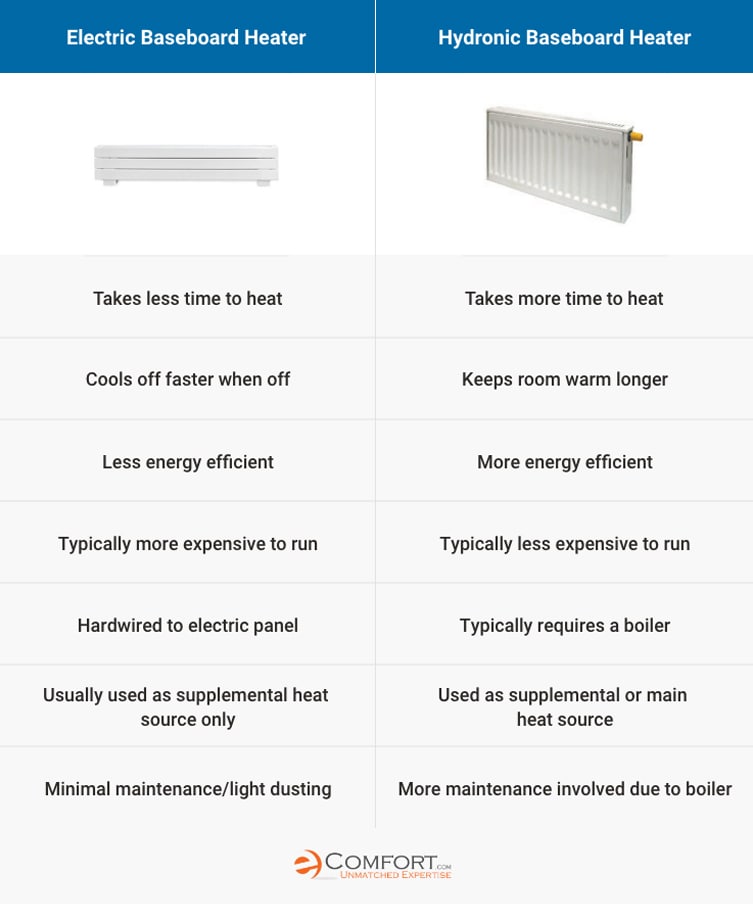
Credit: www.advancedresources.com
Electric Baseboard Heaters
Electric baseboard heaters provide a simple way to heat rooms. They fit along the base of walls and use electricity to warm spaces. These heaters are popular in homes without central heating. They offer direct heat and easy control. Understanding how they work helps in choosing the right heating option.
How They Work
Electric baseboard heaters use electric resistance to create heat. Inside the unit, metal coils heat up when electricity passes through. The heat then moves to a metal fin. This fin warms the air near the heater. Warm air rises and spreads through the room. This process is quiet and steady.
Installation Process
Installing baseboard heaters requires attaching them to walls near the floor. They need an electrical connection to work. A licensed electrician should handle the wiring. The heater is secured with brackets or screws. Installation takes a few hours depending on the room size.
Energy Efficiency
Baseboard heaters convert nearly all electricity to heat. This means no energy is wasted. However, they heat rooms individually, which can raise energy use in large homes. They work best for small spaces or rooms used often. Using a thermostat can help save energy.
Cost Factors
Electric baseboard heaters cost less to buy than central systems. Installation costs vary with wiring needs. Operating costs depend on electricity rates and heater size. They have low upfront costs but may increase monthly bills. Choosing the right size can control expenses.
Maintenance Needs
Baseboard heaters require little maintenance. Dust can build up on fins and reduce efficiency. Cleaning with a vacuum or brush keeps them working well. Regular checks ensure no damage or loose parts. Proper care extends heater life and performance.
Convection Heaters
Convection heaters warm the air in a room through natural air movement. They pull cool air from the floor, heat it, and then release warm air. This cycle continues, creating a steady and even heat flow. Many people prefer convection heaters for their silent operation and consistent warmth.
Working Mechanism
Convection heaters use a heating element inside the unit. The element heats the air nearby. Warm air rises and cooler air moves in to replace it. This natural air flow spreads heat across the room. No fans are needed in most models.
Types Of Convection Heaters
There are several types of convection heaters. Baseboard heaters are long and slim, installed near the floor. Panel heaters mount on walls and look like flat boards. Oil-filled radiators use hot oil to keep heat longer. Each type suits different room sizes and needs.
Energy Consumption
Convection heaters use electricity to heat air. Their energy use depends on size and heat settings. They are efficient for small to medium rooms. They keep rooms warm without large power spikes. Using a thermostat can save electricity.
Installation And Portability
Some convection heaters require fixed installation, like baseboards. Others, like oil-filled radiators, can be moved easily. Wall-mounted panels need screws and tools. Portable models can be carried from room to room. Installation effort depends on heater type.
Upkeep And Durability
Convection heaters need little maintenance. Dusting the surfaces keeps them clean. No filters to change in most models. Oil-filled heaters may last longer due to stable heat. Proper use ensures a heater’s long life.
Performance Comparison
Comparing the performance of electric baseboard heaters and convection heaters helps you choose the right heating option. Each type works differently to warm your space. Understanding their strengths and limits will guide your decision. Let’s explore key aspects of their performance.
Heat Distribution
Electric baseboard heaters release heat directly along the wall. This creates a warm zone near the heater. Heat spreads slowly across the room. Convection heaters warm air by circulating it around. This process moves warm air evenly throughout the space. Convection offers more uniform heat distribution than baseboard heaters.
Response Time
Baseboard heaters take time to heat up the surrounding air. The heat builds up gradually. Convection heaters heat the air faster by moving warm air quickly. They respond faster to temperature changes. For quicker warmth, convection heaters perform better.
Room Size Suitability
Baseboard heaters work well in small to medium rooms. They are ideal for spaces where wall space is available. Convection heaters suit larger rooms better. Their ability to circulate warm air helps heat bigger areas efficiently. Choose based on your room size and layout.
Noise Levels
Electric baseboard heaters run silently. They have no fans or moving parts. Convection heaters may have fans that create noise. Some models run quietly, but others can be louder. Consider noise levels if you want a quiet heating option.
Cost Analysis
Understanding the cost differences between electric baseboard heaters and convection heaters helps in making smart choices. Cost analysis covers the price to buy, run, and save money over time. Each heater type has its own financial impact.
Initial Investment
Electric baseboard heaters usually cost less to buy than convection heaters. They need simple installation and no ductwork. Convection heaters often have higher upfront costs due to more parts and setup.
Choosing a heater with lower initial cost may suit tight budgets. But price alone does not tell the full story.
Operating Expenses
Electric baseboard heaters use electricity directly to warm the room. This can mean higher monthly bills in cold months. Convection heaters often circulate warm air efficiently, saving energy in larger spaces.
Energy rates and home size affect running costs. Knowing these helps estimate monthly expenses for each heater.
Long-term Savings
Electric baseboard heaters require little maintenance, saving repair costs. Their simple design lasts many years without problems. Convection heaters may need more upkeep but can be more energy-efficient.
Over time, energy savings from convection heaters might balance their higher cost. Deciding depends on how long you plan to use the heater.
Safety Considerations
Safety is a key factor when choosing between electric baseboard heaters and convection heaters. Both types have risks that require attention. Understanding these risks helps keep your home safe. This section highlights important safety points to consider.
Fire Risks
Electric baseboard heaters can get very hot. Placing flammable items nearby increases fire risk. Keep curtains, papers, and furniture away from heaters. Convection heaters also pose fire risks but usually have cooler surfaces. Always follow manufacturer instructions to reduce danger. Regular cleaning prevents dust buildup, which can catch fire.
Child And Pet Safety
Children and pets may touch hot surfaces without knowing the danger. Baseboard heaters have exposed heating elements that cause burns. Convection heaters often have protective covers or cool-touch designs. Use barriers or guards around heaters to prevent accidents. Teach children about heater safety to avoid injuries.
Overheating Prevention
Overheating can damage heaters and cause hazards. Baseboard heaters have built-in thermostats to control temperature. Convection heaters usually include automatic shut-off features. Avoid covering heaters or blocking airflow. Regular maintenance and checks ensure safe operation. Use timers or smart controls for extra safety.
Environmental Impact
Understanding the environmental impact of heating systems helps you choose wisely. Electric baseboard heaters and convection heaters affect the environment in different ways. Examining their carbon footprint, energy source compatibility, and sustainability factors reveals their true cost to the planet.
Carbon Footprint
Electric baseboard heaters produce no emissions on-site. Their carbon footprint depends on the electricity source. If powered by coal or natural gas, emissions rise. Convection heaters also rely on electricity or gas. Gas-powered convection heaters release carbon dioxide during use. Electric convection heaters share the same footprint concerns as baseboard heaters. Reducing emissions means choosing cleaner energy sources.
Energy Source Compatibility
Baseboard heaters work well with renewable energy. Solar or wind power can run them cleanly. Convection heaters using electricity can also use green energy. Gas-powered convection heaters depend on fossil fuels. This limits their compatibility with renewable sources. Electric options offer more flexibility for a greener home. Energy source choice matters for lowering environmental harm.
Sustainability Factors
Electric baseboard heaters have fewer moving parts and last longer. This reduces waste and replacement needs. Convection heaters may wear out faster due to fans or other parts. Both systems need proper disposal to avoid pollution. Using energy wisely and maintaining heaters extends their life. Sustainable use helps protect the environment over time.
Choosing The Right Heater
Choosing the right heater is important for comfort and savings. Different heaters work best for different rooms and needs. Understanding your heating needs helps pick the best option. Consider the space, budget, and how you want to use the heater.
Electric baseboard heaters and convection heaters have different strengths. Knowing these can guide your choice. Let’s explore key factors to help you decide.
Assessing Heating Needs
Think about the size of the room you want to heat. Larger rooms need more powerful heaters. Baseboard heaters warm the room slowly but keep heat longer. Convection heaters spread heat quickly but may cool faster. Consider how often you use the space and how warm you want it.
Budget Constraints
Heaters come in different price ranges. Baseboard heaters usually cost more upfront. Convection heaters often have lower initial costs. Check the cost to run each heater too. Some use more electricity, affecting your bills. Choose a heater that fits your budget now and later.
Space Limitations
Look at where you plan to place the heater. Baseboard heaters need wall space near the floor. Convection heaters can be portable or wall-mounted. Small rooms may benefit from compact heaters. Large rooms may need multiple units or bigger heaters. Make sure your heater fits the space safely.
User Preferences
Think about how you want to control the heater. Some prefer manual controls, others want digital settings. Noise level matters; convection heaters can be quieter. Also, consider safety features like auto shut-off. Choose a heater that matches your comfort and style.
:max_bytes(150000):strip_icc()/convection-vs-hydronic-electric-baseboard-heaters-1821911_FINAL-ab6a04e928824ed597b49c0fd2f92286.jpg)
Credit: www.thespruce.com
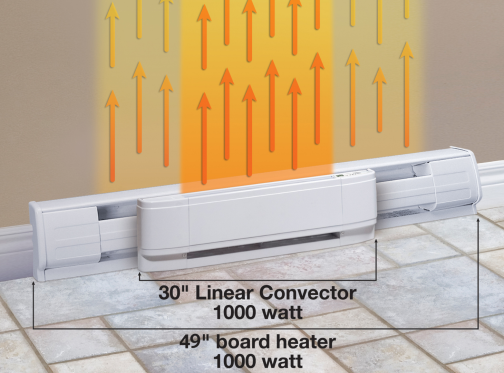
Credit: hognerdobrasil.com.br
Frequently Asked Questions
What Is The Main Difference Between Baseboard Heaters And Convection?
Baseboard heaters warm the air by heating metal fins. Convection heaters warm the air by circulating warm air naturally. Both use electricity but work differently to heat a room.
Which Heater Is More Energy-efficient: Baseboard Or Convection?
Convection heaters often use less energy because they heat rooms faster. Baseboard heaters run continuously to keep warmth, which can use more power. Efficiency depends on room size and insulation.
Can Electric Baseboard Heaters Heat Large Rooms Effectively?
Baseboard heaters work best in small to medium rooms. They heat slowly and may struggle in large spaces. For big rooms, convection or central heating might be better.
How Safe Are Electric Baseboard Heaters Compared To Convection?
Both heaters are generally safe with proper use. Baseboard heaters stay hot on the surface, so avoid touching them. Convection heaters have fewer hot surfaces but watch for airflow blockages.
Do Convection Heaters Provide More Even Room Heating Than Baseboards?
Yes, convection heaters spread warm air evenly using natural airflow. Baseboard heaters heat near the floor, causing uneven warmth. This can create hot and cold spots in a room.
Which Heater Type Is Easier To Install In A Home?
Baseboard heaters are simple to install along walls with electrical wiring. Convection heaters may need more space or ventilation. Installation depends on your home’s layout and electrician advice.
Conclusion
Electric baseboard heaters and convection heaters both warm rooms effectively. Baseboard heaters provide steady, quiet heat along walls. Convection heaters spread warmth quickly through air circulation. Choosing depends on room size, budget, and personal comfort. Think about energy use and installation needs too.
Both types have pros and cons worth considering. The right heater makes your space cozy and warm. Simple choices lead to better heating all winter long.