
Are you trying to decide between 220-volt and 110-volt electric baseboard heaters for your home? Choosing the right one can save you money, improve your comfort, and make heating easier.
But which option truly fits your needs? You’ll discover clear, proven facts that help you understand the key differences and benefits of 220 vs 110 electric baseboard heaters. By the end, you’ll feel confident making the best choice for your space and budget.
Keep reading to unlock the secrets to efficient, reliable heating that works for you.

Credit: www.reddit.com
Electric Baseboard Heaters Basics
Electric baseboard heaters provide a simple and effective way to heat rooms. They use electric power to generate warmth along the base of walls. These heaters are popular in homes, offices, and other indoor spaces. Understanding how they work helps you choose the right one for your needs.
How They Work
Electric baseboard heaters use electric resistance to create heat. Inside the unit, a metal element warms up when electricity passes through. This heat moves into the surrounding air by convection. Warm air rises, and cooler air moves in to repeat the cycle. This process heats the entire room slowly but steadily.
Thermostats control the temperature by turning the heater on and off. This keeps rooms comfortable without wasting energy. The heaters run quietly and need little maintenance.
Common Uses
These heaters work well in spaces without central heating. They often heat bedrooms, living rooms, and small offices. Baseboard heaters provide extra warmth during cold months. They are also useful in rooms with poor insulation.
Many choose electric baseboard heaters for their easy installation. They fit neatly along walls and do not take up floor space. These heaters are a good option for zone heating, saving energy by warming only used rooms.
Credit: www.energyvanguard.com
Voltage Options Explained
Electric baseboard heaters come in two main voltage options: 110 volts and 220 volts. Understanding these options helps you choose the right heater for your home or office. Each voltage type has unique features and uses. Knowing the difference can save energy and improve comfort.
What Is 110 Volt?
110 volt is a common voltage for household appliances in many countries. It uses less power than 220 volt systems. Most standard outlets provide 110 volts. Electric baseboard heaters at 110 volts are easier to install. They work well in small rooms or spaces. These heaters use standard wiring and do not need special circuits.
What Is 220 Volt?
220 volt offers higher power for larger heaters. It delivers heat faster and covers bigger areas. Homes with 220 volt systems use special outlets and wiring. Electric baseboard heaters with 220 volts need professional installation. They suit bigger rooms or whole-house heating. This voltage option can save energy by heating more efficiently.
Performance Differences
Electric baseboard heaters come in two main voltage types: 220 volts and 110 volts. Both types heat rooms but differ in how they perform. Understanding these differences helps you choose the right heater for your needs. Below, we explore key performance factors.
Heating Efficiency
220-volt heaters warm up rooms faster than 110-volt models. They deliver more heat in less time. This means less waiting for warmth. The higher voltage allows the heater to run at full power. It keeps the room temperature steady and comfortable. 110-volt heaters work well but take longer to heat space. They may struggle in very cold areas or large rooms.
Power Consumption
220-volt heaters use electricity more efficiently. They draw less current to produce the same heat. This reduces energy loss and keeps bills lower. 110-volt heaters draw more current for the same heat output. This can increase power consumption. For larger homes, 220-volt heaters often save more energy over time. Choosing the right voltage depends on room size and power availability.
Installation Factors
Choosing between 220V and 110V electric baseboard heaters depends on several installation factors. These factors affect the safety, efficiency, and cost of your heating system. Understanding these details helps you make the right choice.
Wiring Requirements
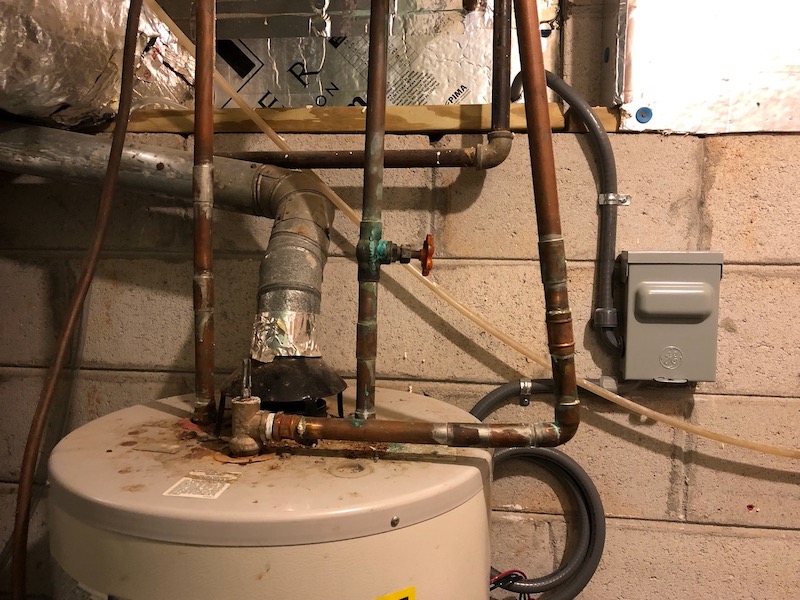
Electric baseboard heaters need proper wiring for safe operation. 220V heaters require double-pole breakers and thicker wires. This setup handles more power and reduces the risk of overheating. 110V heaters use single-pole breakers and thinner wires, suitable for smaller loads. Check your electrical panel to see which wiring is available. Hiring a licensed electrician is often necessary for 220V wiring upgrades. Incorrect wiring can cause shorts and fire hazards.
Space And Placement
Placement of baseboard heaters matters for effective heating. Both 220V and 110V units fit along walls near floors. Larger rooms may need more powerful 220V heaters to cover space evenly. Smaller rooms work well with 110V heaters. Avoid placing heaters under windows or behind furniture. Keep clearance around heaters to allow proper airflow. This prevents overheating and ensures even heat distribution.
Cost Comparison
Comparing the costs of 220-volt and 110-volt electric baseboard heaters helps you decide which fits your budget. Understanding the differences in initial and long-term expenses is key. This guide breaks down these costs clearly.
Initial Investment
220-volt heaters usually cost more upfront than 110-volt models. They require special wiring and a dedicated circuit. Installation may need a licensed electrician. This raises the initial price.
110-volt heaters are cheaper to buy. They often plug into standard outlets. Installation is simpler and less costly. This makes them budget-friendly at first.
Long-term Expenses
220-volt heaters use electricity more efficiently. They heat spaces faster and maintain temperature better. This can lower electricity bills over time.
110-volt heaters may run longer to heat the same space. This increases energy use and costs. They might be less efficient in large rooms.
Choosing between 220 and 110 volts affects your monthly energy expenses. Factor in how often you will use the heater. Efficiency impacts long-term savings.
Credit: www.homedepot.com
Safety Considerations
Safety is a top priority when using electric baseboard heaters. These devices use electricity to produce heat, which means risks exist if not handled correctly. Understanding safety considerations helps prevent accidents and keeps your home secure.
Electrical Risks
Electric baseboard heaters run on either 110 volts or 220 volts. The 220-volt models carry more power and can heat spaces faster. But higher voltage means higher risk of electrical shock or fire if wiring is faulty. Always check wiring is up to code and installed by a professional. Never use damaged cords or plugs. Keep flammable materials away from the heater. Ensure the heater has a working thermostat and safety shut-off feature.
Maintenance Tips
Regular maintenance reduces safety risks and improves heater efficiency. Turn off the heater and unplug it before cleaning. Dust and dirt can build up inside, causing overheating. Use a vacuum or soft brush to clean vents and surfaces. Inspect wiring and connections for wear or damage. Replace worn parts immediately. Schedule annual inspections by a qualified electrician. Proper care extends the heater’s life and keeps it safe.
Best Use Cases
Choosing the right voltage for electric baseboard heaters depends on your specific needs and space. Both 110V and 220V options have clear advantages. Understanding their best use cases helps you pick the correct heater for efficient heating and cost savings.
When To Choose 110v
110V baseboard heaters work well in smaller rooms or spaces with limited power supply. They are easier to install and connect to standard home outlets. Use 110V heaters in bedrooms, small offices, or rooms where heating needs are moderate. These heaters draw less electricity and reduce the risk of overloading circuits. They are a good choice for homes without 220V wiring.
When To Choose 220v
220V heaters provide stronger heating power for larger rooms or areas with higher heat demand. They heat up faster and maintain steady warmth in bigger spaces like living rooms or basements. Choose 220V heaters when you need more efficient heating and your home supports higher voltage wiring. These units help save energy over time by heating spaces more evenly and quickly.
Frequently Asked Questions
What Is The Difference Between 220v And 110v Baseboard Heaters?
220V heaters use higher voltage, providing more heat faster than 110V models. 110V heaters run on standard household voltage but heat slower.
Are 220v Baseboard Heaters More Energy Efficient?
220V heaters often use energy more efficiently by delivering heat quicker. This can lower overall power use compared to 110V heaters.
Can I Replace A 110v Heater With A 220v Unit?
Replacing 110V with 220V requires electrical upgrades and a qualified electrician. It’s not a simple swap due to wiring and breaker needs.
Which Baseboard Heater Voltage Is Safer For Home Use?
Both 110V and 220V heaters are safe if installed properly. Safety depends more on correct installation and use than voltage type.
How Much Does It Cost To Run 220v Vs 110v Heaters?
220V heaters may cost less to run because they heat rooms faster. 110V heaters use similar energy but take longer to warm spaces.
Can 220v Heaters Work On A 110v Circuit?
No, 220V heaters cannot operate on 110V circuits. Using the wrong voltage can damage the heater and cause electrical hazards.
Conclusion
Choosing between 220V and 110V electric baseboard heaters depends on your needs. The 220V models heat faster and handle larger spaces well. The 110V versions suit smaller rooms and simpler setups. Consider your home’s wiring and heating needs carefully. Both types provide steady, reliable warmth.
Understanding these differences helps you pick the best option. Stay warm and save energy with the right choice. Simple, safe, and effective heating is within reach.