
Are you looking to heat your home efficiently and comfortably? Choosing the right electric baseboard heater can make all the difference.
You might have heard about Genius Hydronic heaters and wondered how they compare to standard electric baseboard heaters. Which one will save you money? Which one will keep your space warmer and cozier? You’ll discover the key differences, benefits, and what suits your needs best.
Keep reading to find out how to make the smartest choice for your home and wallet.
Electric Baseboard Heater Basics
Electric baseboard heaters offer a simple way to heat rooms. They use electricity to warm the air near the floor. Heat then rises naturally, warming the space evenly. These heaters are quiet and easy to control. Understanding their basics helps choose the right type for your home.
Two main types exist: standard and hydronic baseboard heaters. Each works differently and fits different needs. Learning how they work and their types helps you compare the Genius Hydronic models with standard ones.
How Baseboard Heaters Work
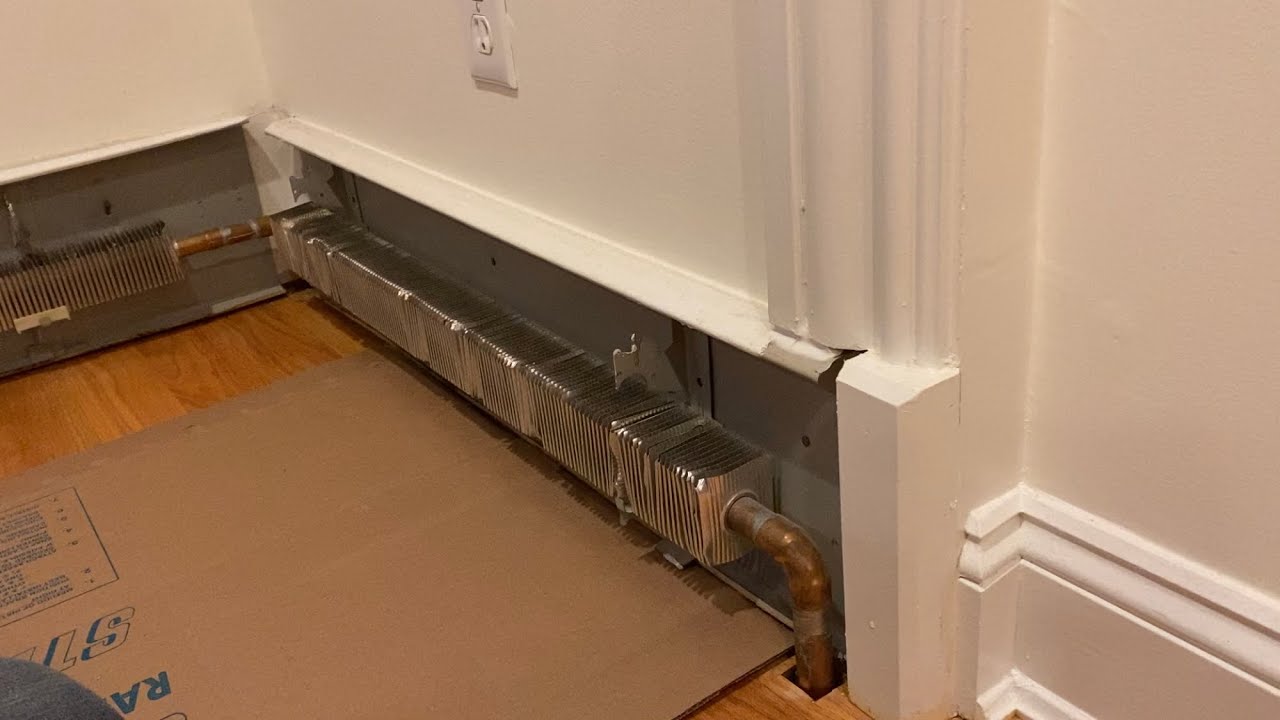
Baseboard heaters heat by using electric resistance. Electricity passes through a heating element inside the heater. This element gets hot and warms the metal fins around it. The fins increase the surface area to spread heat better.
Warm air rises from the heater and moves into the room. Cool air then moves toward the heater to get warmed again. This cycle creates a natural flow of warm air without fans. It keeps the room comfortable with steady heat.
Types Of Baseboard Heating
Standard baseboard heaters use electric coils to produce heat directly. These heaters warm air quickly but may feel dry. They are simple and cost less upfront.
Hydronic baseboard heaters use hot water or oil inside pipes to heat the fins. The liquid stays warm longer, giving steady, gentle heat. These heaters are quieter and more energy-efficient. The Genius Hydronic models fall into this category and offer better comfort.
:max_bytes(150000):strip_icc()/convection-vs-hydronic-electric-baseboard-heaters-1821911_FINAL-ab6a04e928824ed597b49c0fd2f92286.jpg)
Credit: www.vandadtejarat.com
Standard Electric Baseboard Heaters
Standard electric baseboard heaters are a common choice for home heating. They work by using electric resistance to warm a metal element inside the unit. This heat then rises naturally, warming the air in the room. These heaters are simple and reliable, making them popular in many homes.
They fit well in most rooms and provide steady warmth. Understanding their design, energy use, installation, and cost helps you decide if they suit your needs.
Design And Functionality
Standard baseboard heaters have a metal casing with heating elements inside. They use electric resistance to create heat. Warm air rises from the heater, spreading heat through the room. The design is long and narrow, fitting along baseboards. The heaters work quietly and require little maintenance. They heat the air directly without fans or ducts.
Energy Efficiency
These heaters convert almost all electricity into heat. They do not lose energy through ducts. However, they can use a lot of power if left on for long periods. They work best in small spaces or rooms used occasionally. Using a thermostat can help save energy by controlling heat output.
Installation Process
Installing standard baseboard heaters is usually simple. They mount on walls near the floor. The heater must connect to the home’s electrical system. This may require a licensed electrician. Installation time depends on the number of units and wiring needs. No ductwork is needed, which simplifies the process.
Cost Considerations
Standard electric baseboard heaters cost less upfront than many heating systems. They are affordable to buy and install. Operating costs depend on local electricity prices and heater use. These heaters are less expensive than hydronic systems but may cost more to run. Budgeting for both installation and energy use is important.
Genius Hydronic Baseboard Heaters
Genius Hydronic Baseboard Heaters offer a modern twist on traditional heating. These heaters use water to spread warmth evenly across a room. They provide steady heat that feels natural and cozy. Many homes benefit from their quiet operation and consistent warmth. This type of heater combines technology and comfort in a simple design.
Unique Features
Genius Hydronic heaters use hot water inside sealed pipes. This water heats the metal fins outside, which warm the air. The heat stays longer, even after the heater turns off. They work silently with no fans or noisy parts. The design helps avoid dust and allergens, improving air quality. These heaters also come with smart controls for easy temperature settings.
Hydronic Technology Explained
Hydronic heaters use water as the heat carrier. An electric element heats the water inside the heater. The warm water moves through pipes, warming the metal fins. The fins then heat the air around them slowly. This method spreads heat evenly and reduces cold spots. The water inside stays hot for a long time, keeping rooms warm steadily.
Energy Savings Potential
Genius Hydronic heaters use less electricity than standard baseboards. Their water system stores heat, lowering energy use during off cycles. They keep warmth longer, so the heater runs less often. This steady heat reduces sudden temperature drops. Smart controls help set the exact temperature, avoiding waste. Overall, they offer better energy efficiency and lower bills.
Installation And Maintenance
Installation is similar to standard electric baseboard heaters. They need a power source and wall mounting space. Hydronic units may require slightly more careful placement. Maintenance is simple with no fans or moving parts. The sealed water system rarely needs refilling. Occasional cleaning of fins keeps heat flowing well. These heaters offer long-lasting performance with minimal upkeep.
Performance Comparison
Comparing the performance of Genius Hydronic and standard electric baseboard heaters helps choose the right option. Each type has unique strengths that affect heating in your home. Understanding these differences ensures better comfort and savings.
Heating Speed And Comfort
Standard baseboard heaters warm up quickly by blowing hot air directly. This provides fast heat but may cause uneven warmth. Genius Hydronic heaters use hot water to spread heat slowly and evenly. The warmth feels more natural and stays longer after turning off the heater.
Energy Consumption
Standard heaters use more electricity because they heat the air instantly. Genius Hydronic models use less energy by keeping water hot inside the system. This method keeps rooms warm with less power. Over time, Genius Hydronic heaters can lower electricity bills.
Durability And Lifespan
Standard heaters have simple parts and are easy to maintain. They last around 15 years with proper care. Genius Hydronic heaters have more complex systems but use durable materials. Their lifespan can reach 20 years or more. Regular checks help both types work well longer.
Cost Analysis
Understanding the costs of Electric Baseboard Heaters is key to choosing the right one. The price varies based on type and features. Comparing Genius Hydronic and Standard models helps you find the best fit for your budget.
Initial Investment
Standard baseboard heaters cost less upfront. They have simpler designs and lower manufacturing costs. Genius Hydronic heaters are pricier at the start. They use advanced technology and better materials. This raises the initial price but offers more features.
Operating Costs
Standard heaters use more electricity and run hotter. This can increase your monthly bills. Genius Hydronic heaters use less power. They heat rooms evenly and hold warmth longer. This cuts down energy use and lowers bills over time.
Long-term Savings
Higher upfront cost of Genius Hydronic heaters pays off later. Energy savings add up over years. Less wear and tear means fewer repairs. Standard heaters may need replacement sooner. Genius Hydronic models last longer and save money in the long run.

Credit: propheticimagination.org
Environmental Impact
Understanding the environmental impact of electric baseboard heaters is essential. These heaters differ in how they affect the planet. Comparing Genius Hydronic and Standard models reveals key differences in their eco-friendliness. This section breaks down their carbon footprint and sustainability factors.
Carbon Footprint
Carbon footprint measures the total greenhouse gases a product creates. Standard electric baseboard heaters use electric resistance, which often comes from fossil fuels. This process results in higher carbon emissions. Genius Hydronic heaters use water to spread heat more efficiently. They need less electricity to warm the same space. Lower electricity use means fewer emissions and a smaller carbon footprint.
Sustainability Factors
Sustainability covers how a product affects resources over time. Standard heaters heat air directly and lose energy quickly. Genius Hydronic heaters keep heat longer through water circulation. This reduces the energy needed to maintain warmth. Genius systems often last longer and require less maintenance. Using less energy and lasting longer makes Genius Hydronic heaters more sustainable. Choosing them helps reduce waste and conserve energy.
Choosing The Right Heater
Choosing the right electric baseboard heater is important for comfort and energy savings. Different heaters suit different homes and needs. Understanding these differences helps you pick the best option.
Consider factors like home size, climate, and budget before deciding. This guide will help you make a clear choice between Genius Hydronic and standard heaters.
Home Size And Heating Needs
Large rooms need heaters with higher power output. Genius Hydronic heaters heat more evenly in bigger spaces. Standard heaters work well in small to medium rooms. Think about how many rooms need heating. Also, consider if you want to heat the whole house or just some areas.
Climate Considerations
In cold climates, consistent heat is key. Genius Hydronic models maintain steady warmth longer. Standard heaters provide quick heat but cool down fast. Mild climates may not need strong, expensive heaters. Choose a heater that matches how cold your area gets.
Budget And Preferences
Standard heaters are usually cheaper upfront. Genius Hydronic heaters cost more but save energy over time. Decide if you want to spend more now or save later. Also, think about noise and design. Some people prefer quiet, low-maintenance heaters. Others want simple, easy-to-install options.
Installation Tips
Installing electric baseboard heaters requires careful planning. Proper installation ensures efficient heating and safety. Both Genius Hydronic and Standard models need specific steps for best performance.
Placement Strategies
Place heaters under windows to reduce cold air. Avoid blocking heaters with furniture or curtains. Keep a clear space around the heater for airflow. Install heaters on walls with good electrical access. Even room heating depends on correct placement.
Professional Vs Diy
Professional installation guarantees safety and code compliance. Experts handle wiring and mounting with skill. DIY can save money but needs careful attention. Follow instructions closely and use proper tools. Check local rules before starting any installation.
Safety Precautions
Turn off power before starting installation work. Use insulated tools to prevent electric shock. Secure heaters firmly to avoid falling hazards. Keep heaters away from flammable materials. Test the system after installation for any faults.
Maintenance And Troubleshooting
Electric baseboard heaters need regular care to work well. Both Genius Hydronic and standard models require some attention to stay efficient and safe. Proper maintenance helps avoid problems and extends the heater’s life. Troubleshooting common issues is simple with basic knowledge. This section covers routine care and how to fix usual faults easily.
Routine Care
Keep heaters clean by dusting them every few weeks. Dust blocks heat flow and wastes energy. Turn off the heater before cleaning. Use a soft brush or vacuum with a brush attachment. Check for any loose parts or damage regularly. Make sure nothing blocks the heater, like furniture or curtains. Clear space helps warm air flow freely. For Genius Hydronic models, check water levels and pressure as needed. Follow the manufacturer’s instructions for safe operation.
Common Issues And Fixes
Heaters may stop working or heat unevenly. First, check the thermostat settings. Ensure it is set correctly and batteries are fresh. A tripped circuit breaker can stop the heater. Reset the breaker if needed. For Genius Hydronic heaters, low water pressure can cause poor heating. Refill or bleed the system to remove air. Strange noises often come from trapped air or loose parts. Tighten screws and bleed the system to fix this. If the heater does not warm at all, the heating element might be faulty. Call a professional for repairs in such cases.
Credit: institutoalanadesa.com.br
Frequently Asked Questions
What Is A Hydronic Baseboard Heater?
A hydronic baseboard heater uses hot water to provide heat. It warms the room quietly and evenly. It is energy efficient and gentle on the air.
How Does A Standard Electric Baseboard Heater Work?
Standard electric baseboard heaters use electric coils to create heat. They blow warm air directly into the room. These heaters heat up quickly but can dry the air.
What Are The Main Differences Between Hydronic And Standard Heaters?
Hydronic heaters use hot water; standard heaters use electric coils. Hydronic models heat slowly but evenly. Standard heaters heat fast but less evenly.
Which Heater Is More Energy Efficient?
Hydronic baseboard heaters usually use less energy over time. They keep heat longer and run more smoothly. Standard heaters may cost more in electricity.
Is Installation Harder For Hydronic Heaters?
Yes, hydronic heaters need plumbing for hot water circulation. This makes installation more complex and costly. Standard electric heaters are easier and cheaper to install.
Which Heater Is Better For Allergy Sufferers?
Hydronic heaters create less dust and dry air. They are better for people with allergies or asthma. Standard heaters can circulate dust and dry out the room.
Conclusion
Choosing between Genius Hydronic and Standard electric baseboard heaters depends on your needs. Genius Hydronic heaters offer steady, gentle warmth with better energy use. Standard heaters heat up quickly and cost less upfront. Think about your budget, room size, and how long you need heat.
Both types keep your space cozy. Understanding their differences helps you pick the right heater. Stay warm and comfortable with the best choice for your home.