
Are you trying to decide between 120V and 240V electric baseboard heaters for your home? Choosing the right voltage can make a big difference in how well your heater performs and how much it costs to run.
This guide will help you understand the key differences so you can pick the best option for your needs. By the end, you’ll feel confident about making the right choice to keep your space warm and comfortable all winter long.
Keep reading to find out what really matters when it comes to electric baseboard heaters!

Credit: www.ebay.com
Electric Baseboard Heaters Basics
Electric baseboard heaters are a simple way to warm rooms. They use electric power to create heat. These heaters are easy to install and operate quietly. Understanding their basics helps choose the right type for your home.
Two common voltage options exist: 120V and 240V. Each has unique features and uses. Knowing how baseboard heaters work and where to use them is important.
How Baseboard Heaters Work
Baseboard heaters use electric resistance to produce heat. Inside, a metal element warms up when electricity flows through it. The heat then moves to the metal fins around the element. These fins spread the warmth into the room. Warm air rises from the heater, creating natural airflow. This process heats the room evenly without fans or noise.
Common Uses In Homes
Baseboard heaters often heat small rooms or areas without central heating. They work well in bedrooms, basements, and additions. These heaters provide extra warmth in cold spots. Some homes use them as the main heat source in mild climates. They are ideal for rooms where quiet and clean heating is needed. Easy installation makes them a popular choice for many households.

Credit: www.amazon.com
120v Baseboard Heaters
120V baseboard heaters are a popular choice for home heating. They use standard household voltage. These heaters are easy to install and operate. Many people prefer them for small spaces and simple setups.
Understanding their power, installation needs, and room size suitability helps in making the right choice.
Power And Performance
120V baseboard heaters provide moderate heat output. They usually deliver between 250 to 1,500 watts. This power level is enough for small rooms or areas. They heat quickly but may not work well for large spaces. These heaters run on standard circuits without heavy electrical demands.
Installation Requirements
Installation of 120V baseboard heaters is straightforward. They connect to existing 120V household wiring. No special electrical work is needed in most cases. This makes them a budget-friendly option. The heater mounts on the wall near the floor. Proper clearance and placement ensure safe operation.
Ideal Room Sizes
120V baseboard heaters fit best in small rooms. Bedrooms, bathrooms, or small offices are good examples. Rooms up to 150 square feet can stay warm with one unit. Larger rooms may need multiple heaters or a different system. These heaters work well as supplementary heat sources too.
240v Baseboard Heaters
240V baseboard heaters are a popular choice for many homes. They provide strong and steady heat. These heaters use more power than 120V models, making them better for larger spaces. They run quietly and need little upkeep. Many homeowners trust 240V heaters for their reliability and heat output.
Power And Performance
240V baseboard heaters deliver higher wattage. This means they heat rooms faster and keep warmth steady. They use electricity efficiently to produce consistent heat. These heaters handle longer run times without overheating. They are ideal for colder climates or bigger rooms.
Installation Requirements
Installing 240V heaters needs a dedicated circuit. This usually requires a certified electrician. Wiring must support higher voltage safely. The breaker size should match the heater’s power rating. Proper installation ensures safety and heater efficiency.
Ideal Room Sizes
240V baseboard heaters suit medium to large rooms. Spaces over 150 square feet benefit most. They can heat open floor plans and multiple connected rooms. Smaller rooms may not need this much power. Choosing the right size heater saves energy and money.
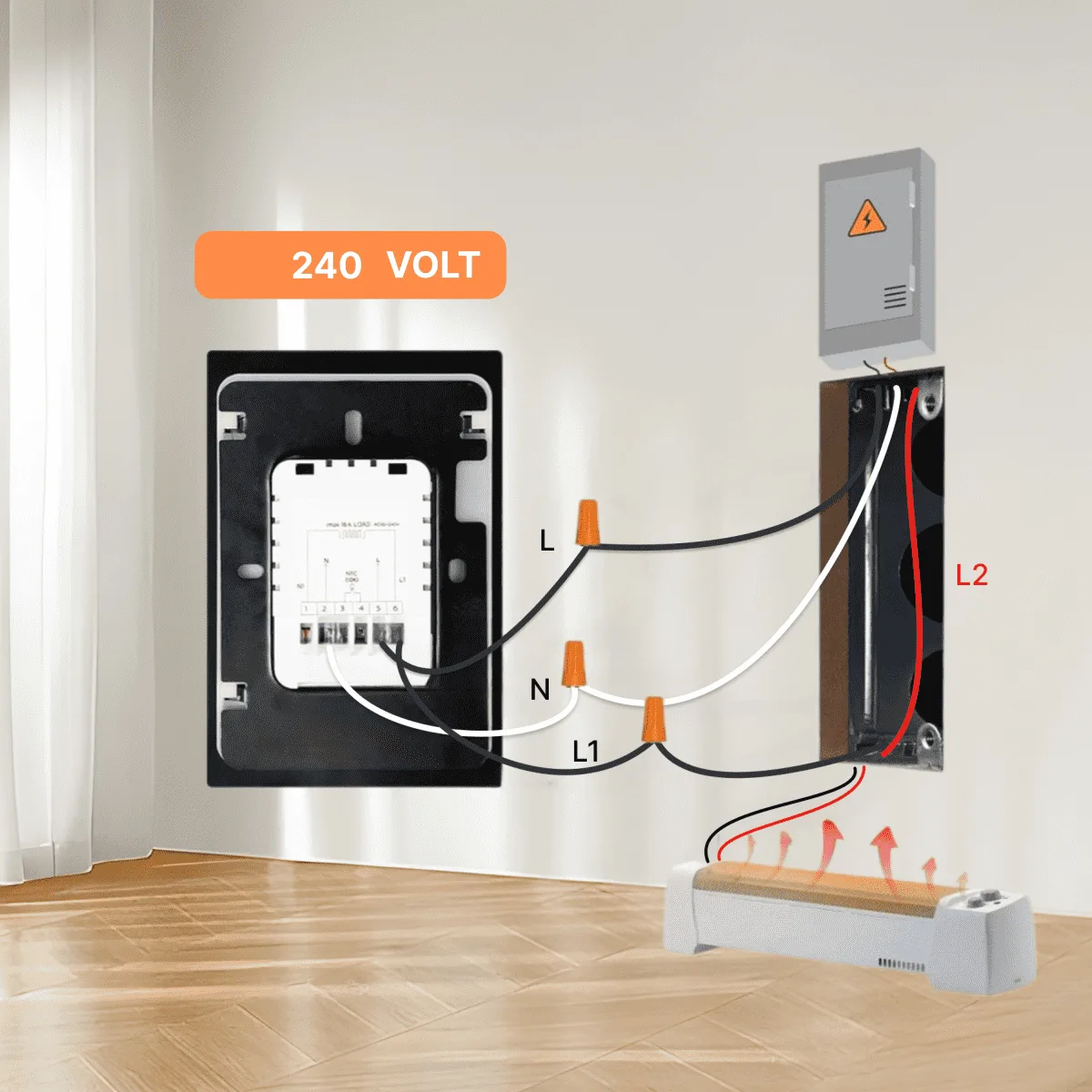
Credit: grus.io
Comparing 120v And 240v Models
Electric baseboard heaters come in two main types: 120V and 240V models. Each type has unique features that suit different needs and spaces. Comparing these models helps you choose the best heater for your home or office. This section breaks down the key differences in energy efficiency, cost, and safety.
Energy Efficiency
Both 120V and 240V baseboard heaters convert electricity into heat with nearly the same efficiency. The main difference lies in the power capacity. A 240V heater can deliver more heat faster, ideal for larger rooms. A 120V heater works well in smaller spaces or rooms with limited electrical capacity. Neither type wastes energy if used correctly.
Cost Differences
120V heaters often cost less to buy and install. They connect to standard household outlets, so no special wiring is needed. 240V models usually require a dedicated circuit and professional installation, raising upfront costs. Operating costs depend on usage time and room size, not just voltage.
Safety Considerations
Both types have built-in safety features like thermal cutoffs. A 240V heater carries higher electrical risk due to increased voltage. Proper installation reduces hazards significantly. Avoid overloading circuits with 120V heaters to prevent tripped breakers or fires. Regular maintenance is essential for safe operation in both models.
Choosing The Right Voltage
Choosing the right voltage for your electric baseboard heater is important. It affects how well your heater works and how much energy it uses. Picking between 120V and 240V depends on several factors. Understanding these will help you make the best choice for your home.
Assessing Your Heating Needs
Start by thinking about the size of the room. Larger rooms need more power to heat evenly. A 240V heater can deliver more heat faster. Smaller rooms can use a 120V heater effectively. Also, consider how often you will use the heater. Frequent use may require a higher voltage option for efficiency.
Electrical System Compatibility
Check your home’s wiring and breaker panel. Not all homes support 240V heaters without upgrades. A 120V heater fits standard outlets and wiring in most homes. If your electrical system is older, 120V may be safer and easier to install. Consult an electrician to avoid electrical hazards and ensure compatibility.
Budget And Long-term Costs
Initial cost varies between 120V and 240V units. 240V heaters often cost more upfront. However, they can use electricity more efficiently. This can lower your electric bills over time. Installation costs may also differ, especially if electrical upgrades are needed. Balance your budget with long-term savings when choosing voltage.
Installation Tips
Installing electric baseboard heaters requires careful planning. Proper installation ensures safety and efficient heating. Follow these tips for smooth setup and long-lasting performance.
Placement Best Practices
Place heaters near the floor and under windows. This helps warm the cold air entering the room. Avoid placing heaters behind furniture or curtains. Keep at least 12 inches of clearance around the heater. This space allows heat to spread evenly and prevents fire hazards.
Wiring And Circuit Breaker Guidelines
Check the voltage requirements before wiring your heater. A 120V heater uses a standard circuit, but 240V heaters need a dedicated breaker. Use the correct wire gauge for the heater’s amperage. Always turn off power at the breaker before starting work. Secure all connections tightly to avoid electrical faults.
Diy Vs Professional Installation
Simple installations may be done by skilled DIYers. But electrical work can be risky. Hiring a professional electrician guarantees safe and code-compliant installation. Professionals also handle permits and inspections. Choose professional help if unsure about electrical work.
Maintenance And Troubleshooting
Maintaining electric baseboard heaters is key to keeping them safe and efficient. Regular checks help spot small problems early. This saves money and keeps your home warm without interruptions.
Routine Cleaning
Dust and dirt reduce heater performance. Turn off the power before cleaning. Use a soft brush or vacuum with a brush attachment. Clean the fins gently to avoid damage. Wipe the outer surface with a damp cloth. Keep vents clear to allow proper airflow. Clean heaters twice a year for best results.
Common Issues And Fixes
Heaters may stop working or make noise. Loose wiring can cause a heater to fail. Check connections if the heater won’t turn on. Thermostat problems cause uneven heating. Replace batteries or adjust settings as needed. Strange sounds often come from trapped dust. Cleaning usually fixes this issue. If a breaker trips often, wiring may be faulty.
When To Call A Technician
Some problems need professional help. Call a technician if you smell burning or see smoke. Persistent breaker trips also require expert attention. Avoid fixing electrical parts yourself to stay safe. A technician can check wiring and replace parts. Regular professional inspections keep heaters reliable and safe.
Frequently Asked Questions
What Is The Difference Between 120v And 240v Baseboard Heaters?
120V heaters use standard home outlets, while 240V heaters need special wiring. 240V heaters provide more heat and work faster.
Which Voltage Is More Energy Efficient For Baseboard Heaters?
240V baseboard heaters are generally more energy efficient because they heat spaces quicker. This reduces electricity use over time.
Can I Replace A 120v Heater With A 240v One?
Not without changing your home’s wiring and circuit breaker. A professional electrician should handle this upgrade for safety.
Are 120v Baseboard Heaters Safe For Small Rooms?
Yes, 120V heaters are good for small rooms with lower heat needs. They are easier to install and use less power.
How Do Installation Costs Compare For 120v And 240v Heaters?
120V heaters usually cost less to install since they use existing outlets. 240V heaters require extra wiring and higher installation costs.
Which Baseboard Heater Voltage Is Better For Large Rooms?
240V heaters are better for large rooms because they deliver more heat quickly. They keep big spaces warm and comfortable.
Conclusion
Choosing between 120V and 240V baseboard heaters depends on your needs. A 120V heater suits small rooms and easy installation. A 240V heater works better for larger spaces and faster heating. Check your home’s wiring before buying. Safety and efficiency matter most.
Understanding these differences helps you pick the right heater. Keep your space warm and comfortable without extra cost. Simple choices make a big difference. Stay warm this winter with the right electric baseboard heater.